
Last updated November 24, 2026
 Sweep & inspection
 Caps & crowns
 Flue relining
 Masonry repair
 Gas fireplace service
Level 1 sweep and inspection to the NFPA 211 annual standard - flue, crown, cap, and flashing checked and photographed
Chimney sweep logs do not sweep chimneys. They loosen some creosote - which then falls where a brush and vacuum still have to collect it.
Chimney Sweep Maintenance Checklist for Corona Homeowners
Handing a homeowner a ten-point checklist copied from a national HVAC blog is the industry equivalent of giving someone a map of the wrong city. The format looks right. It just doesn’t get you where you need to go. Most printable chimney checklists are written for a generic single-family house with one masonry flue and a wood fire, and that description fits only part of what we see in Corona. This borough’s housing stock runs from early-1900s masonry chimneys to 1980s liner retrofits to gas fireplaces that vent through a flue nobody has looked at in a decade. Below we’ve built a checklist around those actual variables: separate tracks for wood, gas, and oil, the crown and cap items you can’t see from your living room, mortar checks calibrated to freeze-thaw cycles, and inspection triggers that tell you when to service and when to wait. By the end you’ll know exactly what to check, how often, and what to write down.
Quick Answer
A chimney maintenance checklist in Corona should be built around your specific system, not a generic template. Sweep and inspect a wood-burning chimney annually, have a gas or oil flue checked yearly for blockage, corrosion, and proper draft, and inspect the crown, cap, and flashing every year from the roof or by camera. The single most important habit is keeping a dated written record of every inspection and service so you can prove the chimney’s condition at resale or to your insurer.
Styles & brands we work with
- Sweep & inspection
- Caps & crowns
- Flue relining
- Masonry repair
- Gas fireplace service
Table of Contents
- Why Your Checklist Depends on What You Burn
- The Wood-Burning Track: Annual Sweep and Inspection
- The Gas and Oil Track: What Changes When There’s No Wood
- Crown, Cap, and Flashing: The Items You Can’t See From Inside
- Mortar Joints and Spalling: Reading Freeze-Thaw Damage
- Annual vs. Biannual vs. Pre-Purchase: Which Trigger Applies
- How to Keep a Maintenance Log That Actually Holds Up
- Common Mistakes to Avoid
Why Your Checklist Depends on What You Burn
The first thing to establish before you check anything is which track your chimney belongs on. A wood-burning masonry chimney and a gas appliance venting through a flue are two different systems with different failure points, different service intervals, and different warning signs. Treating them the same is where most homeowner checklists go wrong.
In our experience working across Corona, the housing stock produces a specific mix you don’t find in a new-build suburb:
- Pre-war masonry chimneys in older single-family homes and two-family houses, often with multiple flues serving different appliances, and brick that has been through a century of Queens weather.
- Gas conversions, where an original wood fireplace or a coal-era flue has been fitted with a gas log set or a gas insert. The flue is still masonry, but the fire behavior and the deposits are completely different.
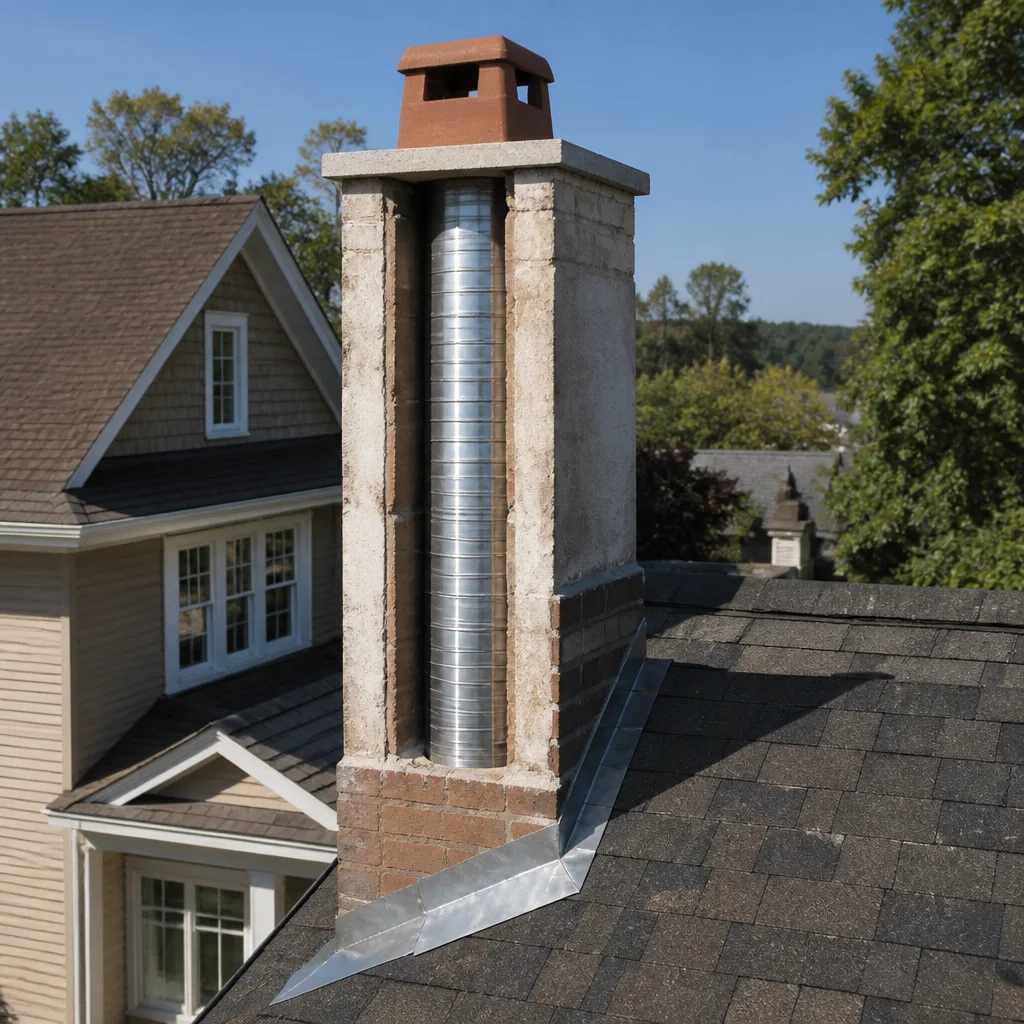
- Liner retrofits, where a stainless liner (we specify DuraFlex) was installed to bring an older flue up to a safe venting standard, or a HeatShield restoration was applied to resurface a deteriorating clay flue.
- Oil flues in some of the older homes, which need their own inspection routine focused on corrosion and draft rather than creosote.
Each of those needs its own checklist track. A gas insert doesn’t produce creosote the way a wood fire does, but it can fail in ways a wood chimney won’t. An oil flue doesn’t need sweeping in the wood sense, but it can corrode or clog in ways that matter enormously. Identify your track first, then work down the list that applies to it.
The Wood-Burning Track: Annual Sweep and Inspection
If you burn wood, the baseline is simple: an annual chimney sweep and inspection, ideally before the first fire of the season. That’s the interval the industry and most insurers expect, and it’s the one that catches creosote buildup before it becomes a chimney fire risk.
Here’s what a proper annual pass should cover, whether you’re checking after a professional visit or doing a between-visit look:
- Check creosote depth in the flue. A professional sweep measures the buildup on the flue walls. Glazed, tar-like creosote is a serious fire hazard and needs proper removal, not a homeowner brush.
- Inspect the firebox. Look for cracked firebrick, deteriorated mortar joints between the bricks, and gaps where the firebox meets the damper.
- Test the damper. It should open and close smoothly and seat fully. A damper that sticks open wastes heat; one that won’t open fully causes smoke spillage.
- Look up the flue with a light or camera. From the firebox, check for visible cracks, missing mortar, or an obstructed flue.
- Check the smoke chamber. The sloped area above the damper is where a lot of creosote collects and where many DIY checks stop short. It’s also where HeatShield restoration often gets applied when the surface has deteriorated.
- Confirm the cap is intact and screened. More on this below, but a missing or damaged cap lets water and animals in.
- Note draft performance during a test fire. Does smoke pull up cleanly, or does it spill into the room when you first light?
If you’re seeing glazed creosote, a cracked firebox, or a flue that drafts poorly, that’s a signal to stop and get a proper assessment. In Corona, we treat any of those findings as a reason to book a Chimney Sweep Corona inspection before the season, not after. Our technicians have up to 9 years of experience and can tell the difference between a chimney that needs a sweep and one that needs a liner solution.
The Gas and Oil Track: What Changes When There’s No Wood
Gas and oil flues don’t produce the creosote a wood fire does, so the sweep interval is different. But they fail in ways that are just as serious, and the annual inspection still matters. A gas flue can carry corrosive byproducts that eat away at the flue liner from the inside, and an oil flue can corrode or clog in ways that affect draft and safety.
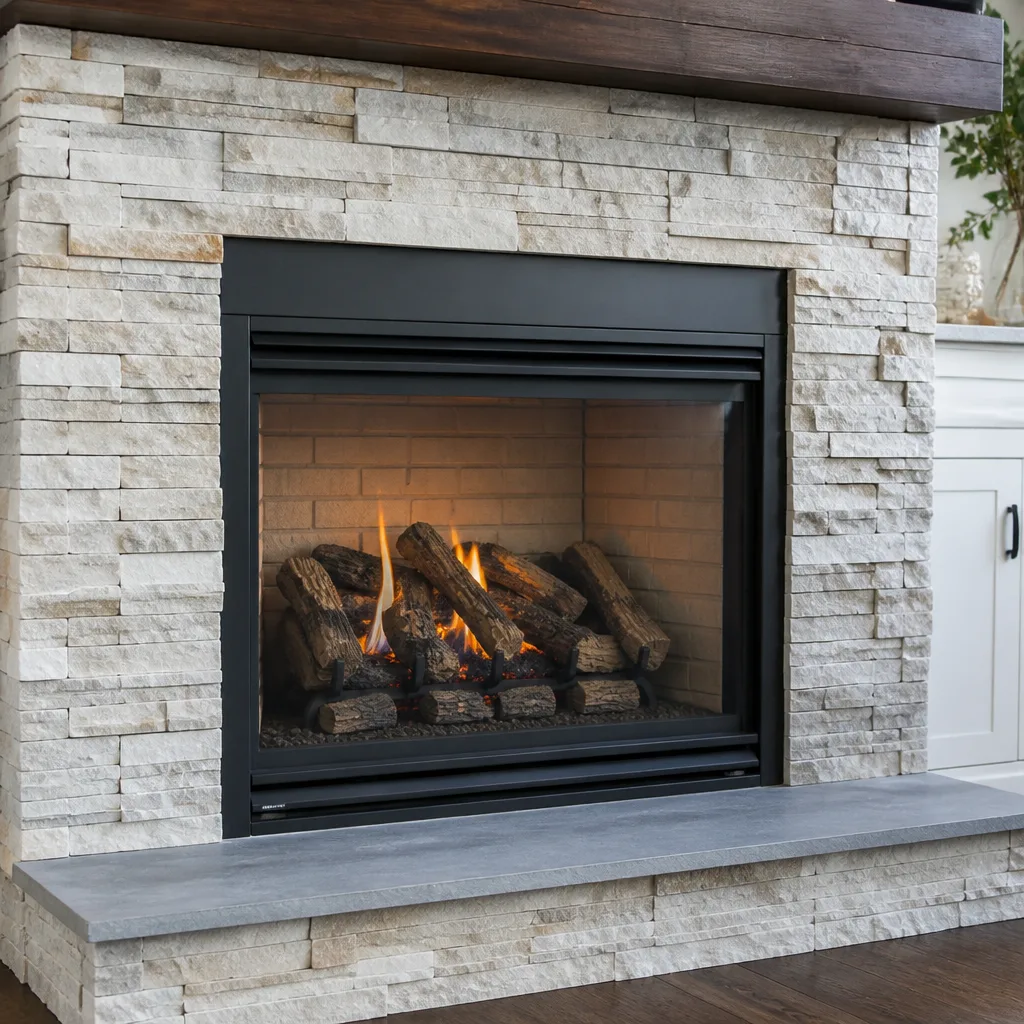
Here’s the track for a gas fireplace, gas insert, or oil appliance:
- Confirm the appliance vents correctly. A gas log set must be rated for the flue it’s installed in. A mismatch is a carbon monoxide risk, not a smoke problem.
- Check for blockage. Birds, squirrels, and debris nest in flues that don’t see regular fire. A gas flue gets looked at less often, so a blockage can go unnoticed until the appliance is used.
- Inspect the flue lining for corrosion. The moisture and acidic byproducts from gas and oil combustion can degrade clay flue tiles and mortar joints over time.
- Look at the vent connector and termination. The pipe connecting the appliance to the flue, and the cap or termination at the top, both need to be intact.
- Test the draft. A gas or oil appliance that doesn’t vent properly is the case where carbon monoxide risk is real and immediate. If you smell combustion gases or the appliance behaves oddly, stop using it and get it checked.
We specify materials from Olympia Chimney and DuraFlex for liner work on these systems because the right liner for a gas or oil flue is a different specification than for wood. The right liner solution depends on your flue’s condition and what’s venting through it. A generic “one liner fits all” approach is how homeowners end up with a system that still doesn’t vent properly.
Crown, Cap, and Flashing: The Items You Can’t See From Inside
Here’s the part of the checklist most Corona homeowners skip entirely: everything above the roofline. You can’t see the crown from your living room, and the cap and flashing are out of sight from the ground. But these are the components that let water into a chimney, and water is the most common cause of expensive chimney damage we see.
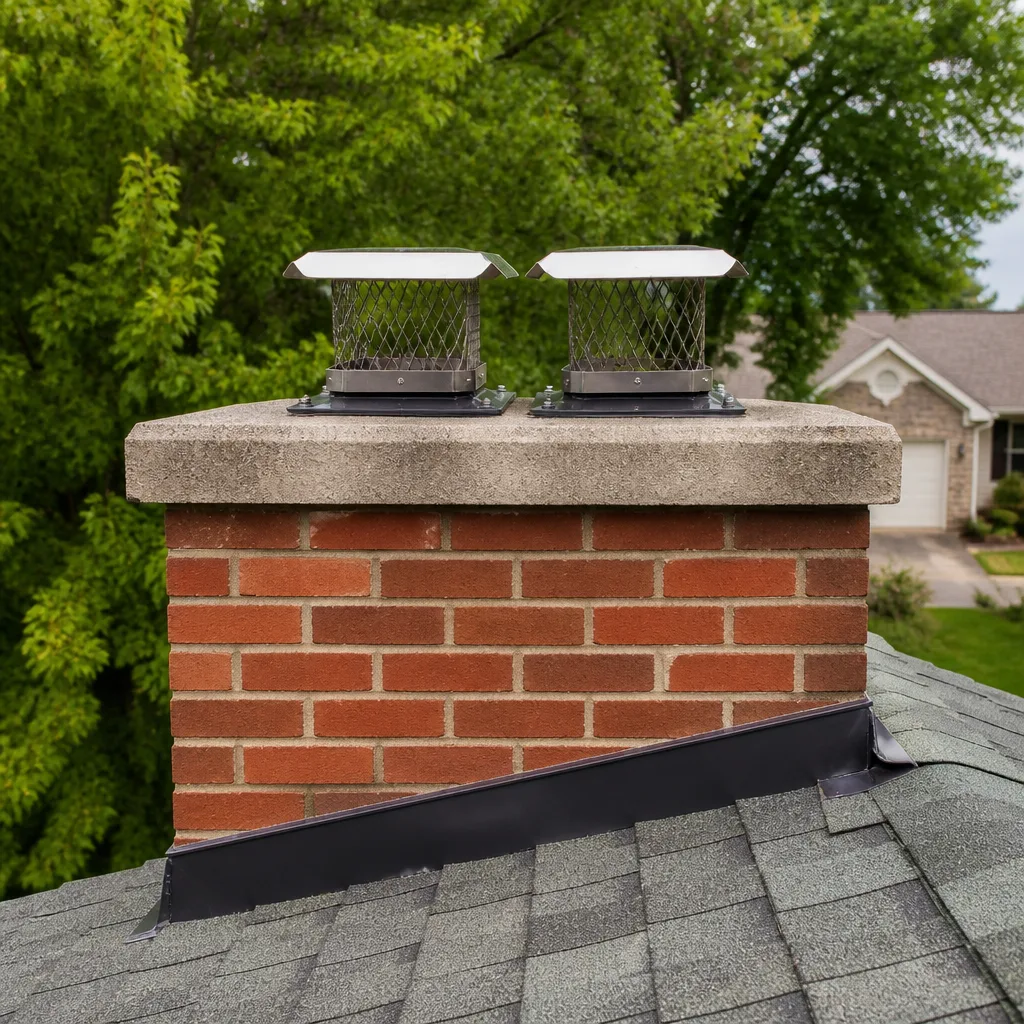
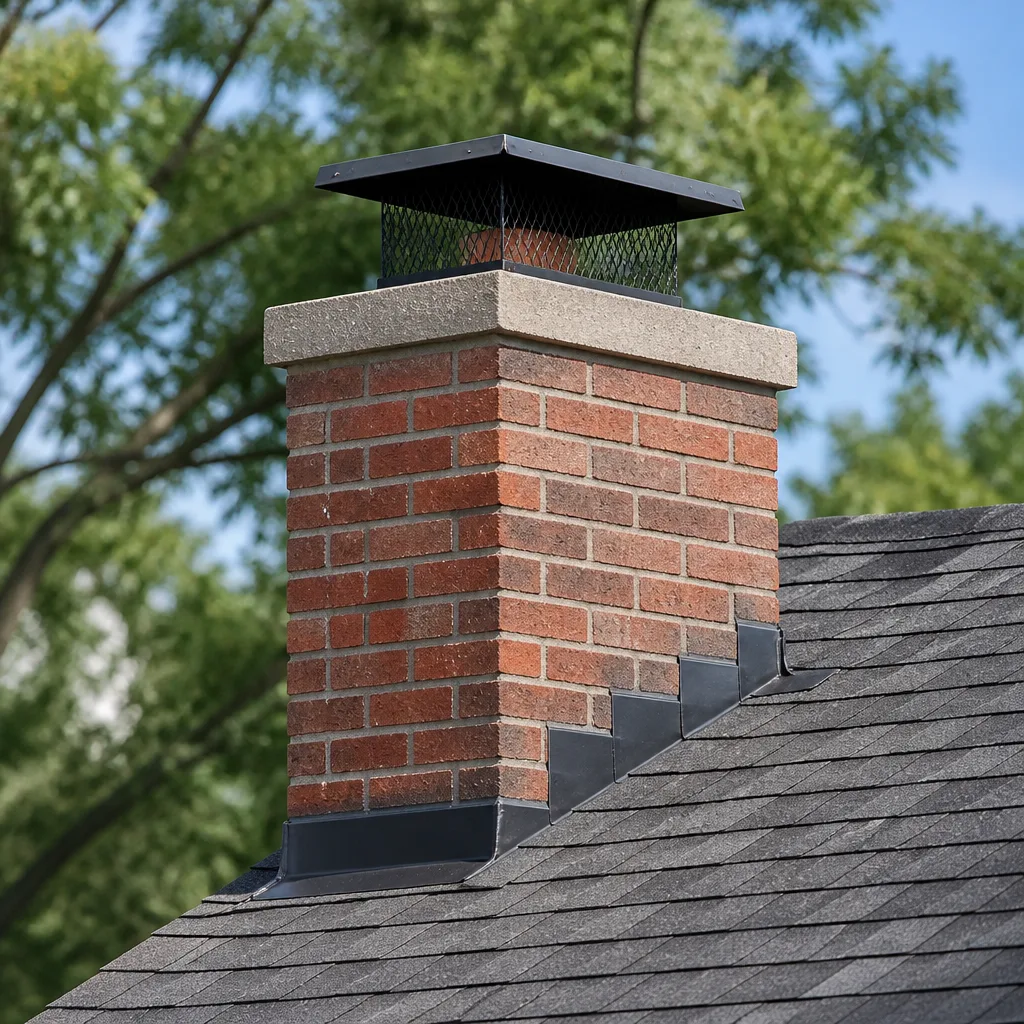
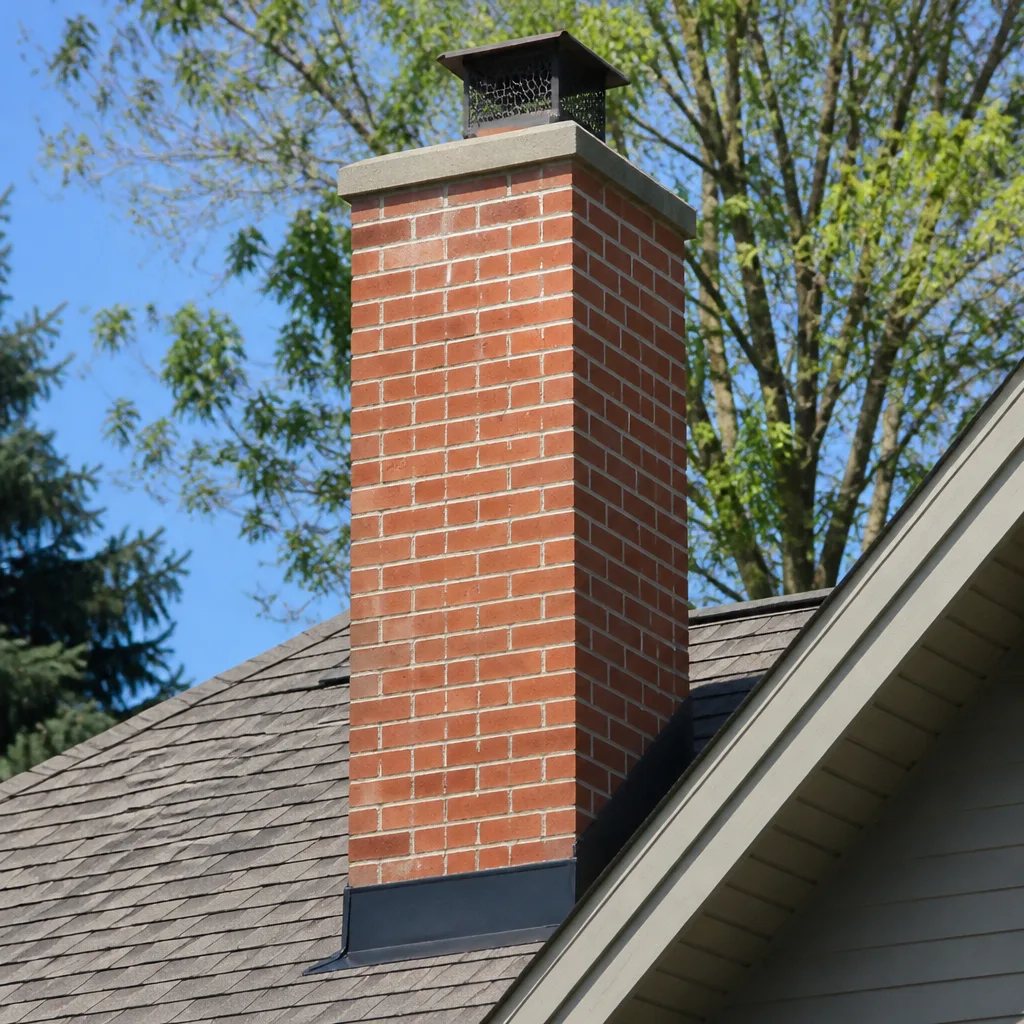
The crown is the concrete or masonry cap at the very top of the chimney that sheds water away from the flue. The cap (sometimes called the chimney cap) is the metal or mesh cover that sits over the flue opening. The flashing is the metal sealing where the chimney meets the roof. All three fail in ways that are invisible from inside the house.
What to check, ideally annually from the roof or via a camera inspection:
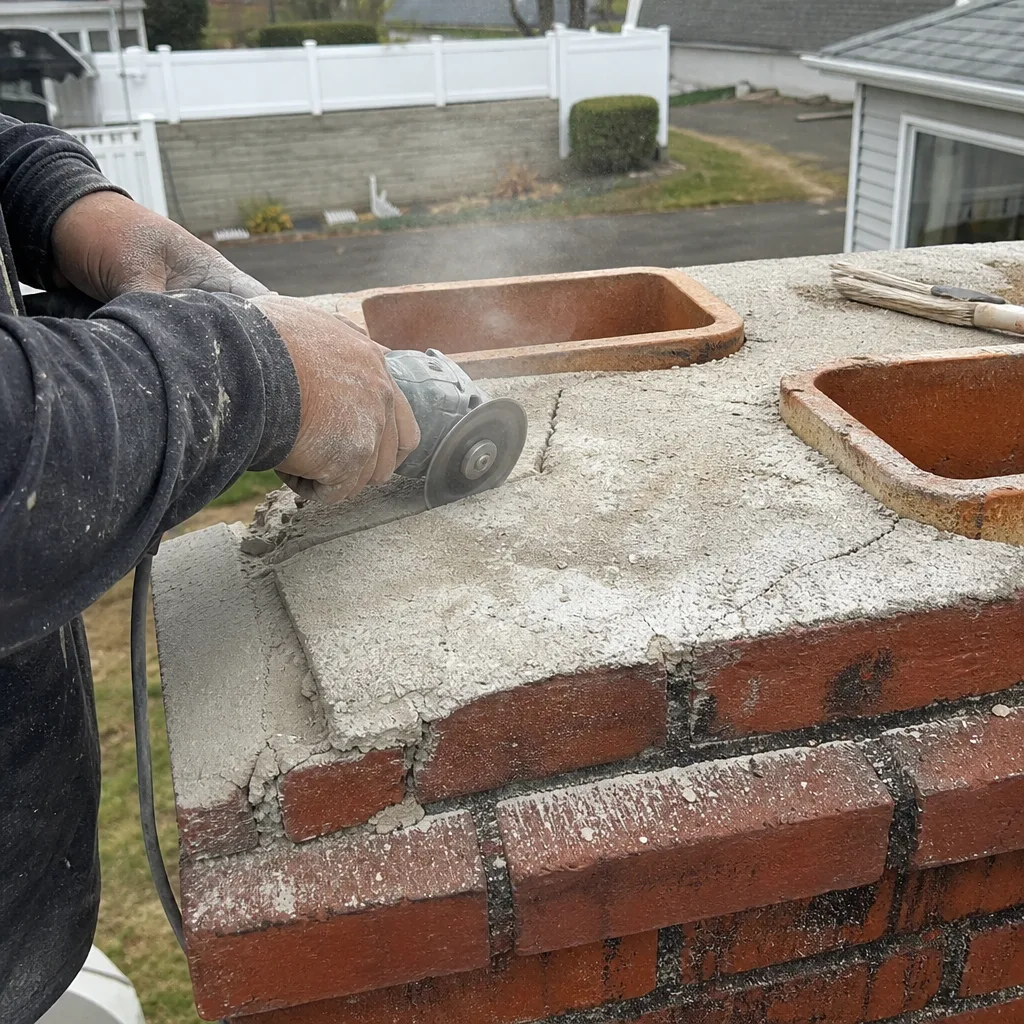
- Crown condition. Look for cracks, spalling concrete, or a crown that has pulled away from the flue. A cracked crown lets water straight into the chimney structure.
- Cap integrity. The cap should be secure, rust-free, and screened to keep animals and rain out. A missing cap is an open door for water and wildlife.
- Flashing seal. The flashing around the chimney base on the roof should be tight, with no lifted edges or deteriorated sealant. A failed flashing joint is a common source of roof leaks that get misdiagnosed as chimney leaks.
- Brick and mortar at the roofline. The top course of brick takes the most weather. Check for loose bricks or washed-out mortar there specifically.
When cap, crown, or flashing work is needed, we use Gelco and Famco components because they carry manufacturer specifications and traceable quality standards. Anonymous off-brand hardware from a big-box shelf doesn’t give you the same confidence. For a full assessment of these roofline items, our chimney cap & crown work covers the whole assembly, and a standalone inspection is a genuine starting point rather than an add-on to a sweep.
Mortar Joints and Spalling: Reading Freeze-Thaw Damage
Corona’s climate is hard on masonry chimneys. The freeze-thaw cycle is the mechanism: water gets into a mortar joint or a porous brick, freezes, expands, and pushes the material apart, then thaws and repeats. Over enough cycles, mortar joints crumble and brick faces spall off. This is a slow process, but it’s relentless, and it’s the single biggest driver of structural chimney repair in this part of Queens.
The checklist items for masonry are specific and worth knowing:
- Mortar joint recession. Run your eye down the mortar lines. Joints should be roughly flush or slightly recessed. If the mortar has eroded back significantly from the brick face, water is getting in faster than it’s draining.
- Spalling brick. Look for brick faces that are flaking, peeling, or have a chunk missing. Spalling means the brick is absorbing water and failing from the inside.
- Efflorescence. The white, powdery staining on brick and mortar is a sign of moisture moving through the masonry. It’s not always a crisis, but it’s a signal worth investigating.
- Rust staining. Rust streaks often trace back to a failing metal component, usually a damper assembly, a cap, or flashing.
- Chimney lean or separation. A chimney that’s pulling away from the house, or visibly leaning, is a structural issue that needs a professional assessment, not a repair kit.
Repeat mortar deterioration and spalling are the cases where an actual repair, not just cosmetic patching, is the answer. Our chimney repair service addresses the structural side, and HeatShield restoration is worth knowing about because it can resurface a deteriorating flue interior as a cost-conscious alternative to full liner replacement, an option most general contractors don’t specify.
Annual vs. Biannual vs. Pre-Purchase: Which Trigger Applies
Homeowners are often unsure whether they’re over-servicing or under-servicing. The honest answer is that the trigger depends on how and how much you use the system. Here’s a clean way to know which category you’re in.
- Annual inspection and sweep: Applies to any wood-burning chimney in active use, any gas or oil flue, and any chimney in a home you occupy. This is the baseline expectation that most insurers and the industry set, and it’s the interval that catches problems while they’re still small.
- Biannual (twice a year): Applies when you burn heavily. If you light fires most cold evenings through the season, or you burn unseasoned wood, creosote builds faster. A mid-season look plus the annual service is the safe pattern. It also applies to a chimney that showed a borderline finding at the last inspection.
- Pre-purchase / pre-sale inspection: Applies any time a home with a fireplace changes hands. This is a standalone, documented condition assessment, and it protects both buyer and seller. A buyer wants to know what they’re inheriting; a seller wants to disclose accurately and avoid a surprise at closing.
- Event-triggered: A chimney fire (even a small one you suspect but didn’t see), a smoke or draft problem, water intrusion, a visible crack or spall, or a new appliance install all call for an inspection regardless of the calendar.
In our experience, the pre-purchase inspection is the trigger most people miss, and it’s the one that matters most in Corona’s older housing stock, where a chimney may have been capped, converted, or retrofitted over the decades without a clean paper trail. An inspection isn’t an upsell. It’s a starting point, and for a buyer it’s the difference between knowing the chimney’s condition and guessing at it.
How to Keep a Maintenance Log That Actually Holds Up
A maintenance log is only useful if it answers the questions that come up later: what condition was the chimney in, when, and what was done about it. A shoebox of receipts doesn’t do that. What does is a simple dated record that satisfies both insurance documentation and future home-sale disclosures.
Here’s a format that works, and you can start it today:
- Date every entry. The date of each inspection, sweep, and repair is the backbone of the record.
- Record what was found, not just what was done. “Inspected; glazed creosote in upper flue; swept” is useful. “Swept chimney” is not.
- Note the condition of specific components. Crown, cap, flashing, firebox, damper, flue liner, smoke chamber. A short status for each gives you a before-and-after picture over time.
- Attach the documented findings. A professional inspection produces a written report, ideally with photos or camera footage. Keep the report with the log; it’s the record that carries weight with an insurer or a buyer.
- Keep material and brand information. Note the liner brand (for example DuraFlex), the HeatShield restoration, and Gelco or Famco hardware where used. Brand-traceable hardware carries manufacturer specifications, and that’s the kind of detail that holds up at disclosure time.
- Keep it with the house. Store the log where you keep your home records, and pass it to the buyer at sale.
This log is also your defense against the most common homeowner worry: being told you need work you have no way to verify. If every recommendation is backed by camera evidence and a written finding, you can see it for yourself, and you’ll know plainly when a repair can safely wait.
Common Mistakes to Avoid
- Using a generic checklist built for a different system. A template written for a wood-burning masonry chimney doesn’t tell you what to check on a gas insert or an oil flue. Match the checklist to your actual track first.
- Never looking above the firebox. The crown, cap, and flashing are where water gets in, and they’re invisible from inside. In Corona’s freeze-thaw climate, skipping the roofline items is how a small crack becomes a structural repair.
- Assuming the annual sweep is the same as a real inspection. A sweep cleans; an inspection assesses and documents. They’re related but not the same, and a homeowner who only ever books sweeps is missing the condition record that matters for insurance and resale.
- Ignoring minor mortar recession. Small amounts of mortar erosion look cosmetic but let water into the masonry, and freeze-thaw cycles turn that into spalling brick. Catch it while the repair is a mortar job.
- Skipping the pre-purchase inspection. Buying a home with an unexamined chimney, especially in older Corona housing stock, is a gamble. A standalone inspection before closing is the cheapest way to know what you’re inheriting.
- Not keeping a log. Without a dated record, you can’t prove the chimney’s condition to an insurer or a buyer, and you’ll rely on memory instead of documentation.
- Confusing a sweep with a liner solution. A deteriorated flue needs the right liner solution for its condition, which may be restoration or replacement, not just another sweep. Knowing the difference prevents both over-servicing and under-servicing.
See the difference
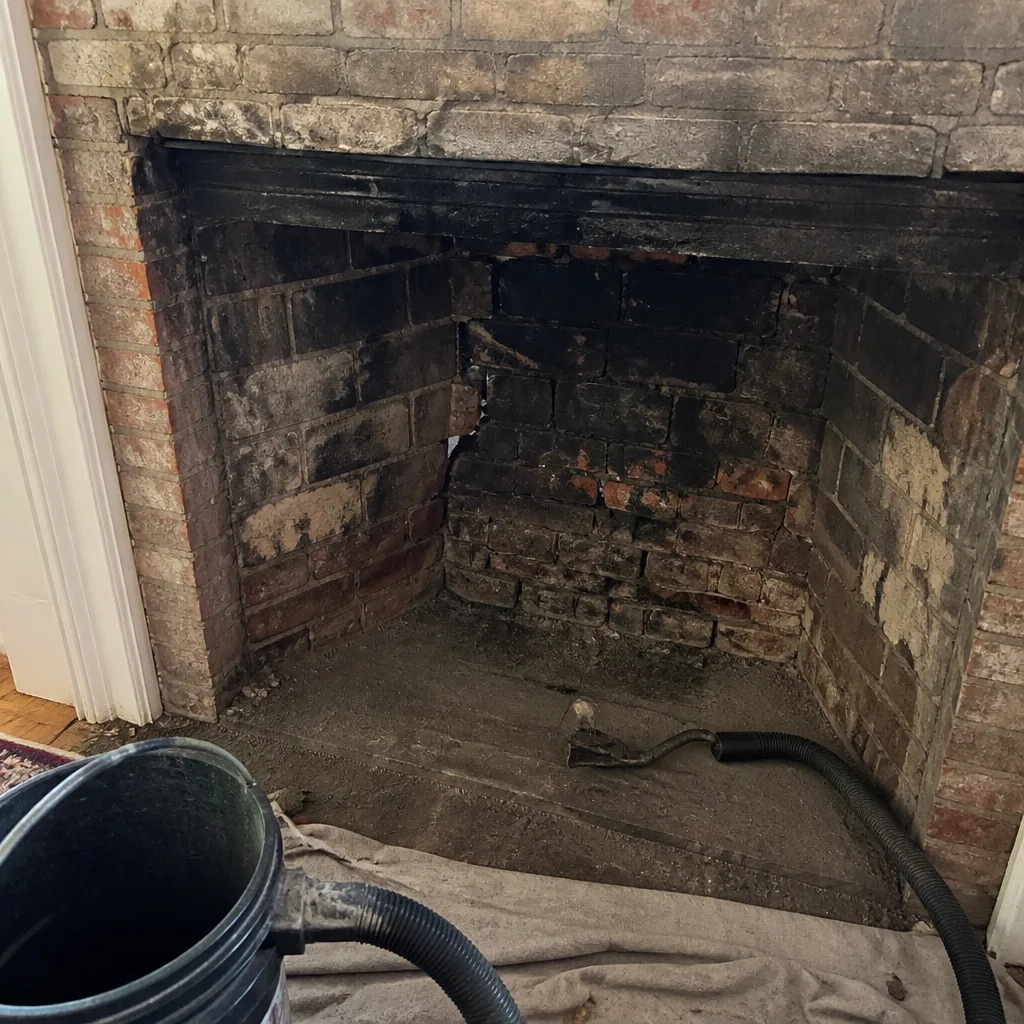 Before
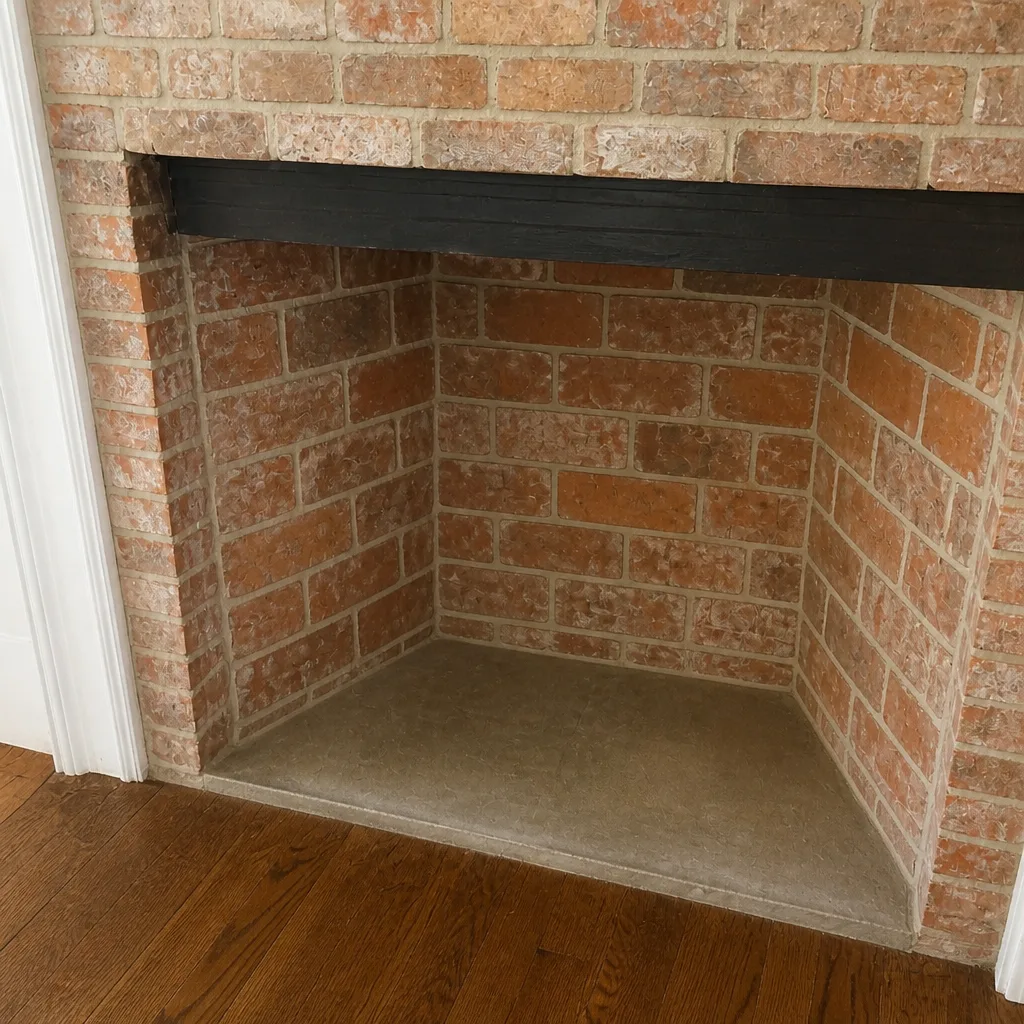 After
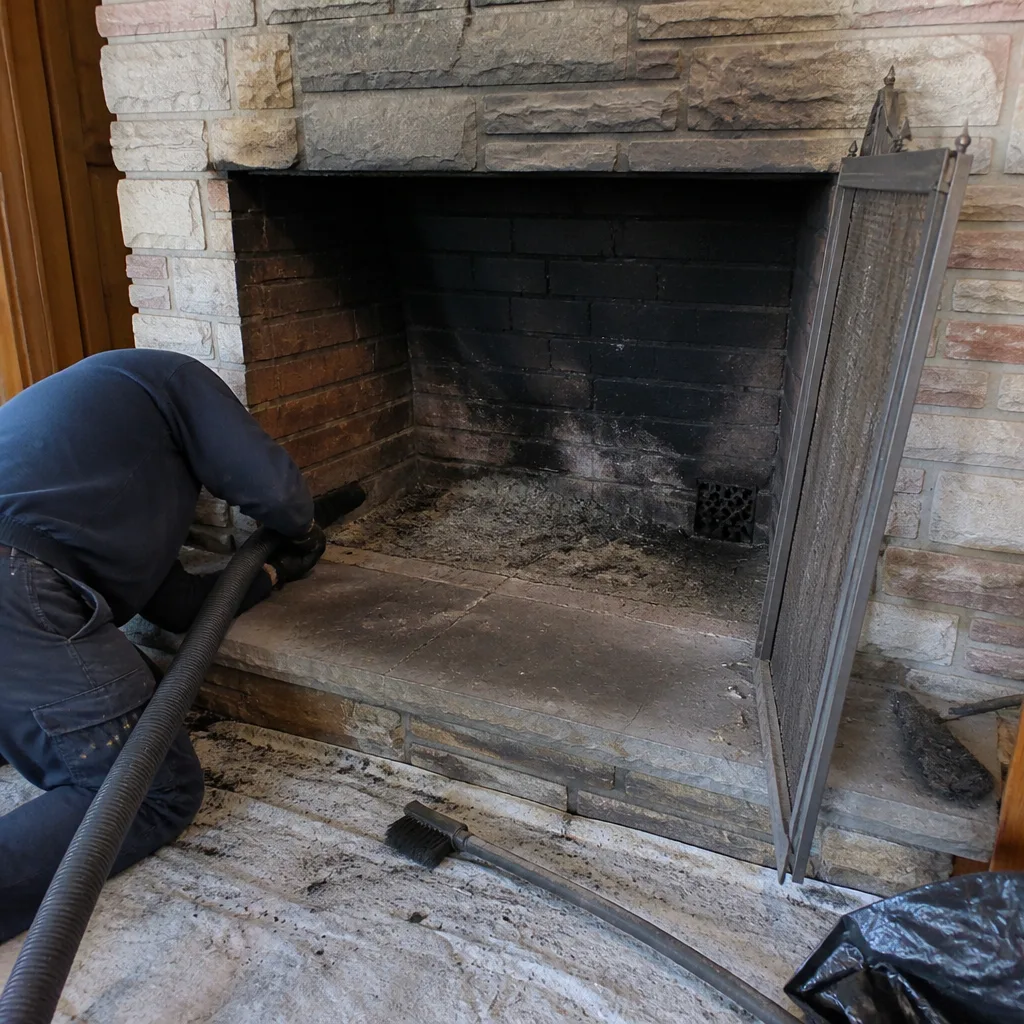 Before
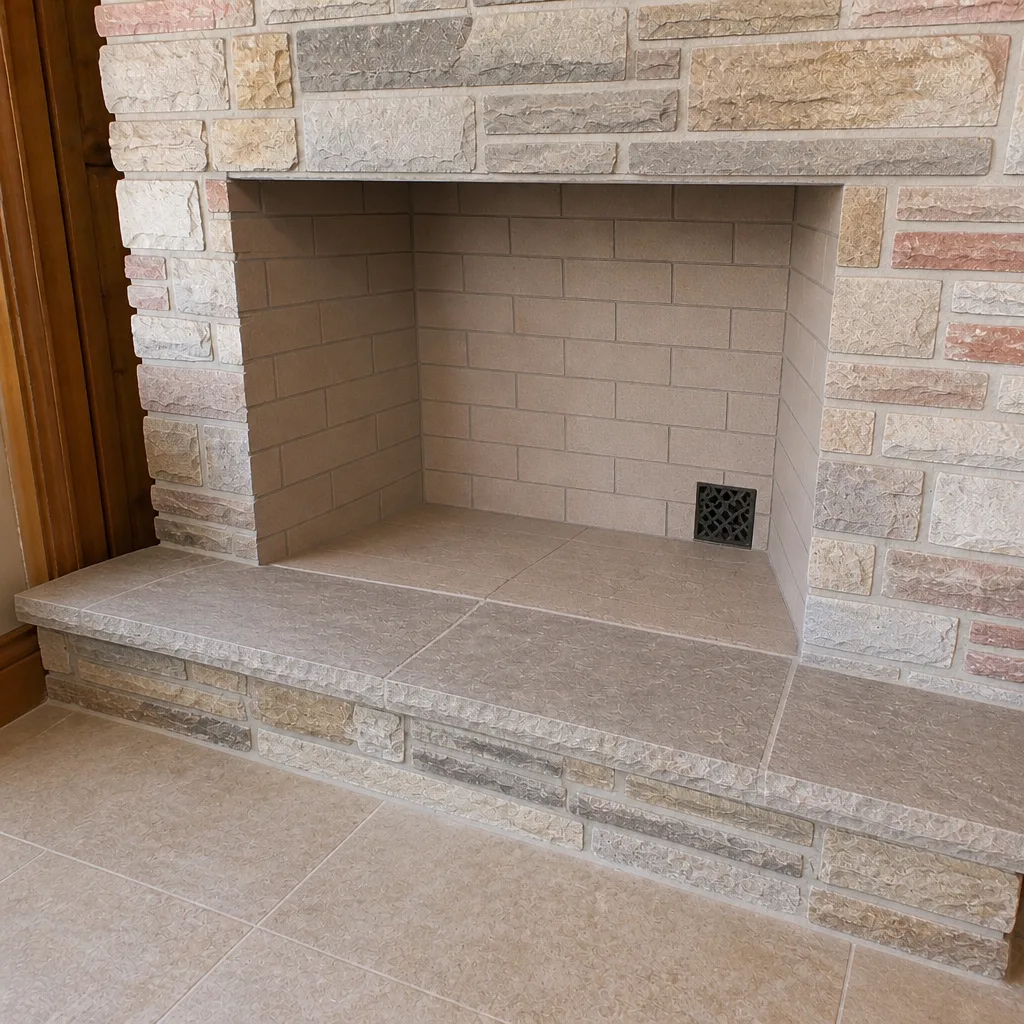 After
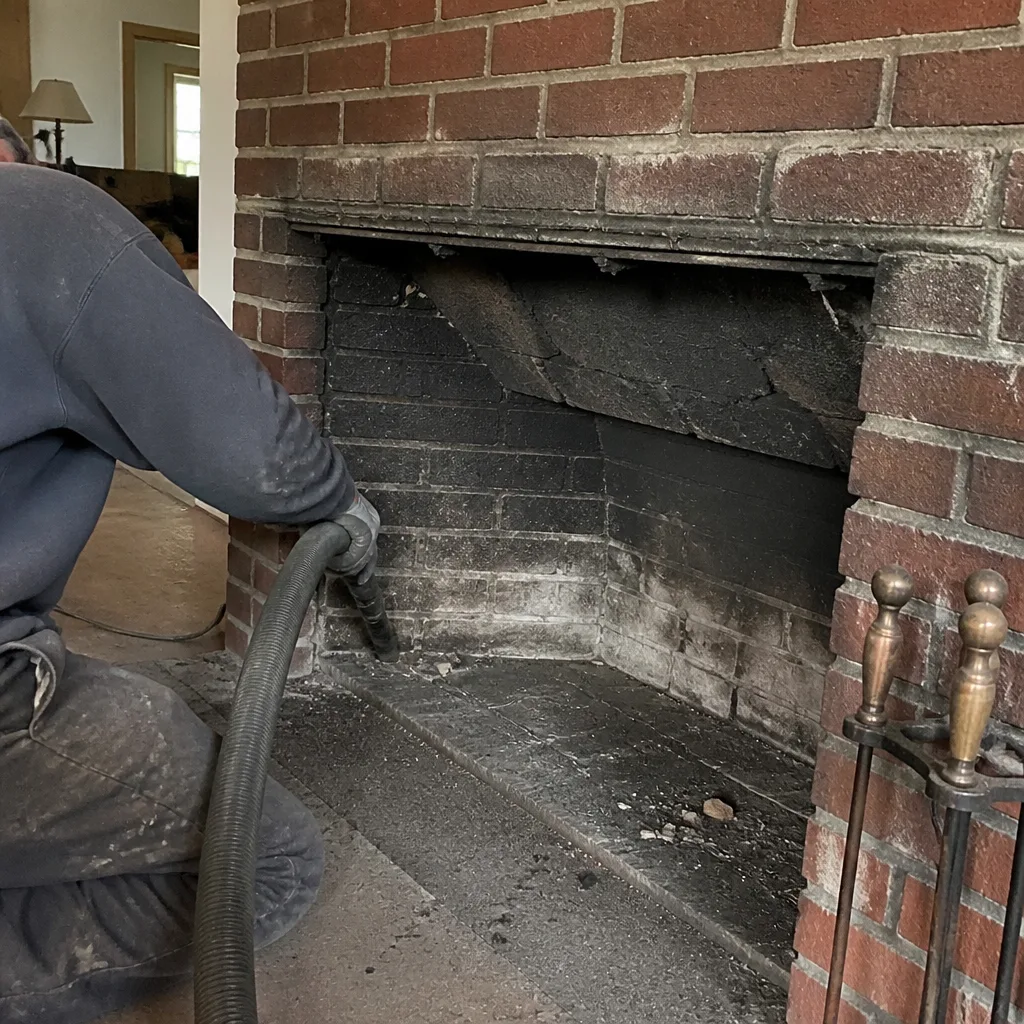 Before
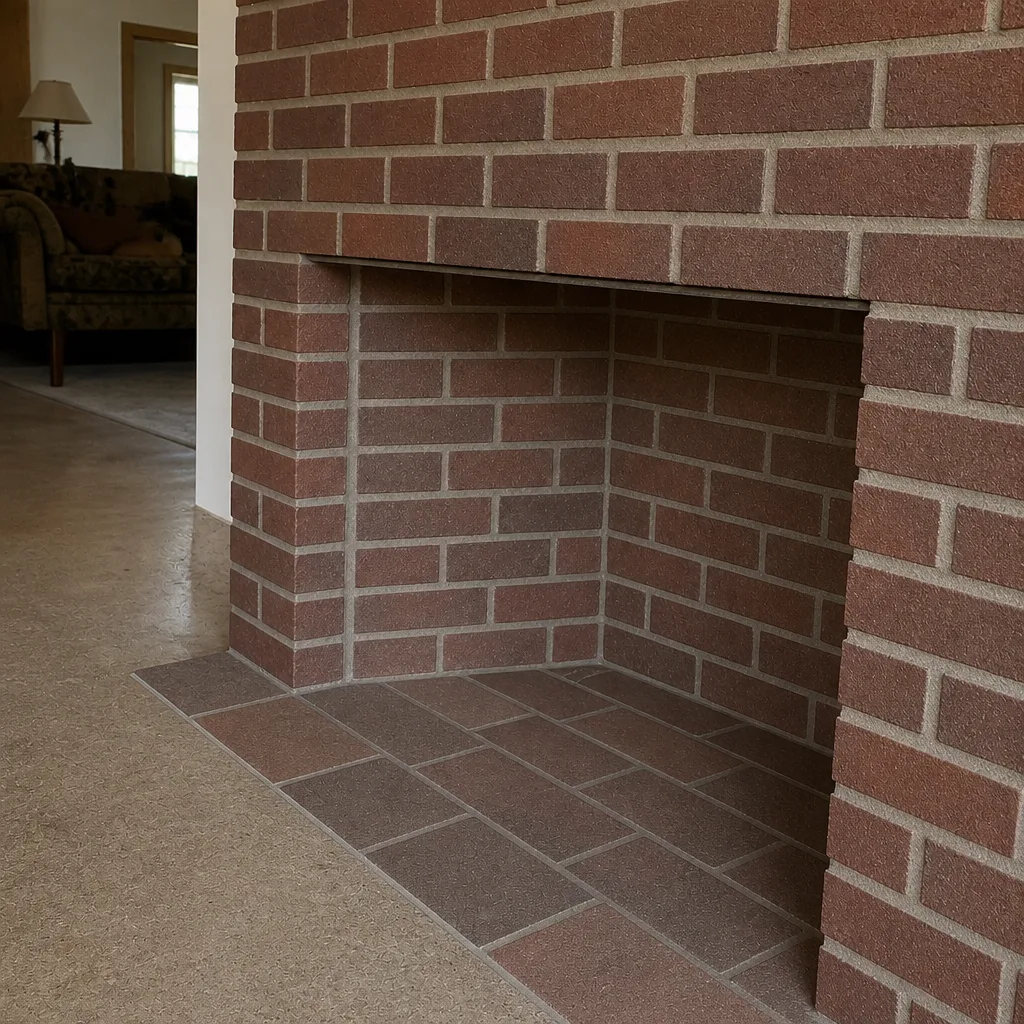 After
When to Call a Professional
Some of this checklist you can handle yourself: noting the date of your last inspection, checking the damper, keeping the log, and looking up the firebox with a light. But several items call for a trained professional because getting them wrong is a genuine safety risk. Call us when you see glazed creosote in the flue, a cracked firebox or smoke chamber, spalling brick or receding mortar, or a crown that’s failing. Call when your gas or oil appliance smells of combustion gases or drafts poorly, since that’s a carbon monoxide concern, not a nuisance. Call when you’re buying or selling a home with a fireplace and need a documented, standalone inspection. And call before you light this season’s first fire if it’s been more than a year since anyone looked at the system. Chimney Sweep Corona offers free estimates in Corona. To book, call (833) 968-1177. We answer 24/7. Fast dispatch from 7am to 7pm, Sunday through Friday.
Frequently Asked Questions
Once a year for any wood-burning chimney in regular use, and once a year for a gas or oil flue as an inspection even when a full sweep isn’t needed. If you burn heavily or burn unseasoned wood, a mid-season look in addition to the annual service is the safer pattern. Call (833) 968-1177 for an exact quote; estimates are free.
A chimney inspection is a standalone service and a genuine starting point, not an add-on. It gives you a documented condition assessment with camera findings you can see for yourself, which is what you need before buying a home, before your first fire of the season, or when a sweep turns up something borderline. It’s not the same as a sweep, and it’s not an upsell.
Skipping maintenance lets two problems build unchecked: creosote in a wood flue, which is a chimney fire hazard, and water intrusion through a failing crown, cap, or flashing, which degrades the masonry through freeze-thaw cycles. Neither is an emergency today, which is exactly why it gets put off. The safe move is a simple annual inspection that catches both before they become repairs. Call (833) 968-1177 for an exact quote; estimates are free.
Because a gas flue fails in ways wood smoke never reveals. A gas or oil appliance can vent corrosive byproducts that degrade the flue lining, and a blocked or mismatched flue can cause carbon monoxide to enter the home. It won’t produce the creosote or smoke you’d notice, so an annual inspection is the only way to know it’s venting correctly.
The right liner solution depends on your flue’s condition, which is why an inspection comes first. A deteriorated but structurally sound clay flue may be a candidate for HeatShield restoration, a specialized resurfacing process that’s a cost-conscious alternative to full replacement. A flue with more serious damage may need a full liner. We specify DuraFlex and HeatShield because the material has to match the condition, not the other way around.
Keep a dated log with each inspection, what was found, and what was done, and attach the written inspection report and any photos or camera findings. Note the component status (crown, cap, flashing, firebox, damper, flue) and the material brands used, such as Gelco or Famco hardware. Store it with your home records and pass it to the buyer at sale. Call (833) 968-1177 for an exact quote; estimates are free.
The Bottom Line
The checklist that protects your chimney is the one built around your actual system. Know whether you’re on the wood track or the gas and oil track. Look above the firebox at the crown, cap, and flashing every year, because that’s where Corona’s freeze-thaw weather does its damage. Watch your mortar joints and brick for the early signs of spalling, and know which service trigger applies so you’re neither over- nor under-servicing. Above all, keep a dated log with documented findings, because that record protects you at insurance time and at sale. An inspection isn’t an upsell. It’s where every good maintenance habit starts, from the crown to the firebox.
Written by the team at Chimney Sweep Corona.