
Last updated November 24, 2026
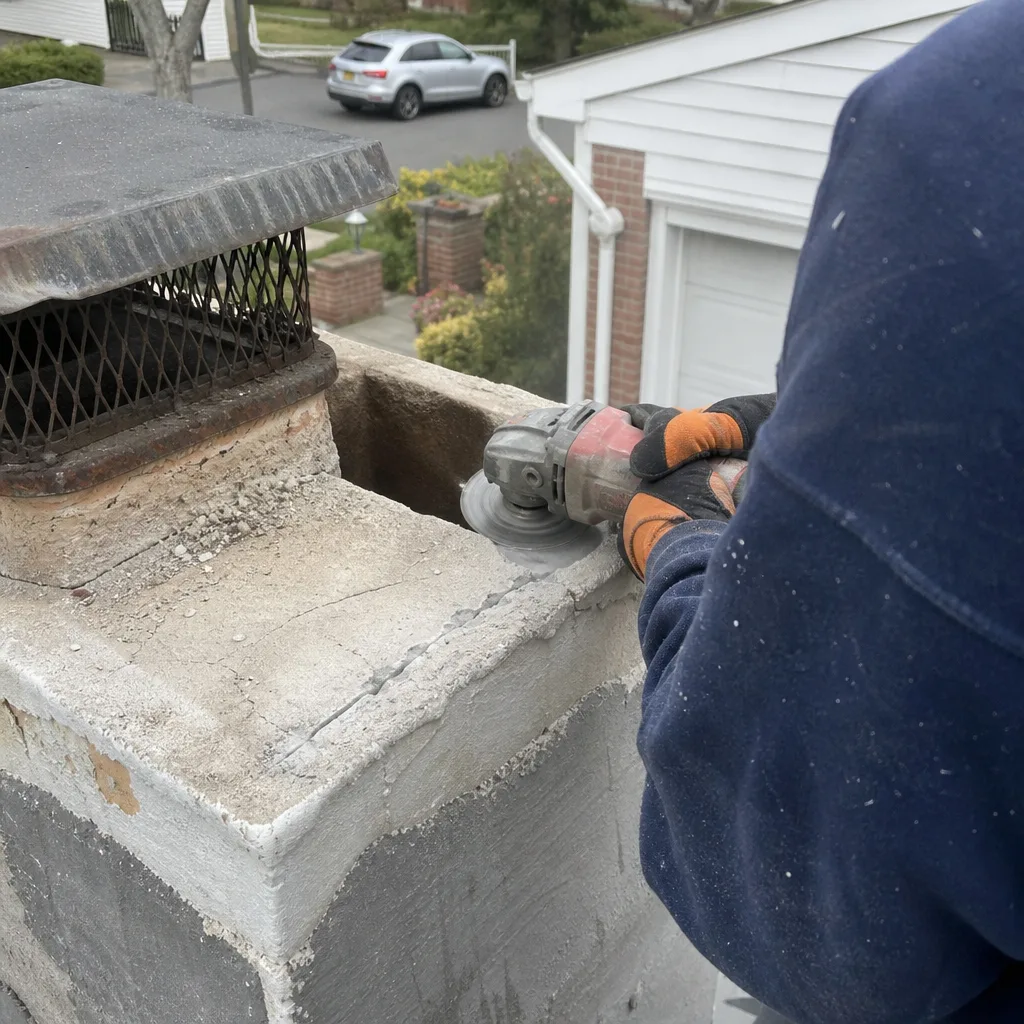
 Sweep & inspection
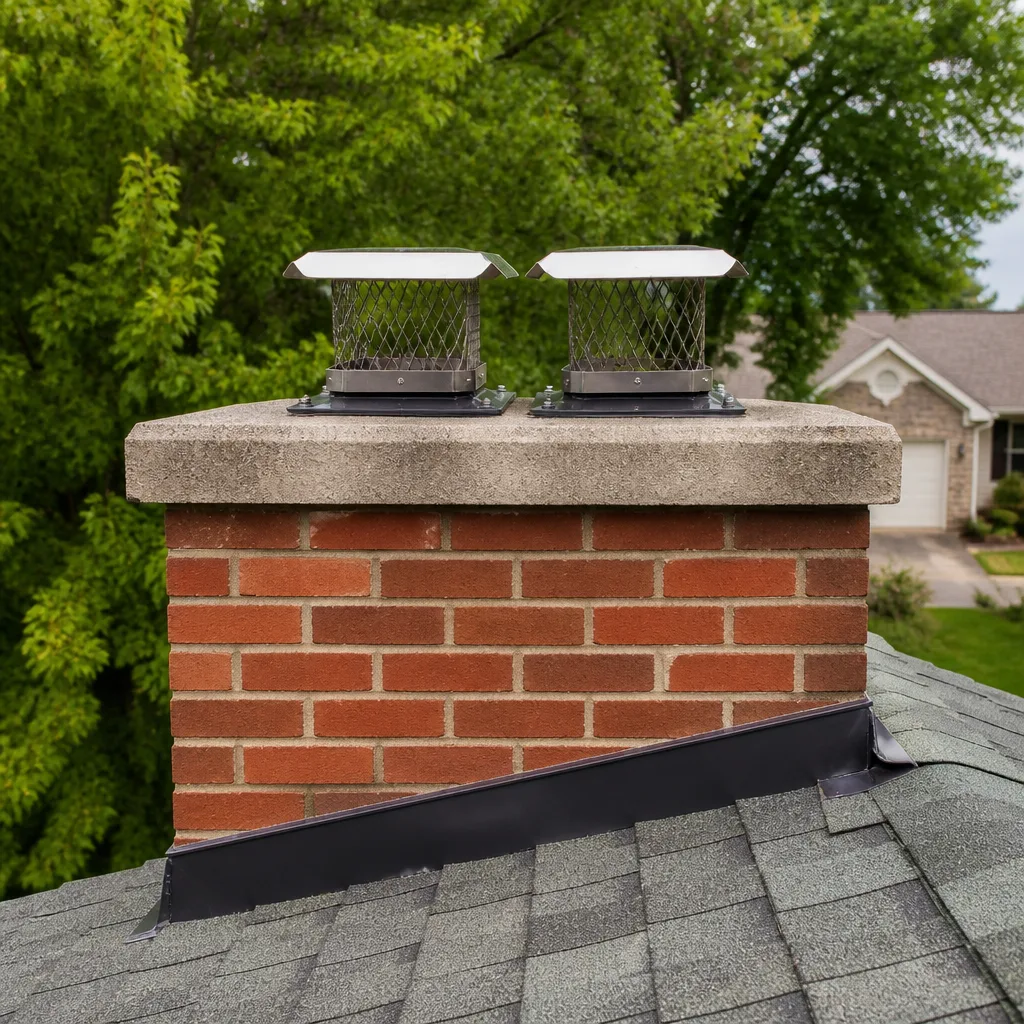
 Caps & crowns
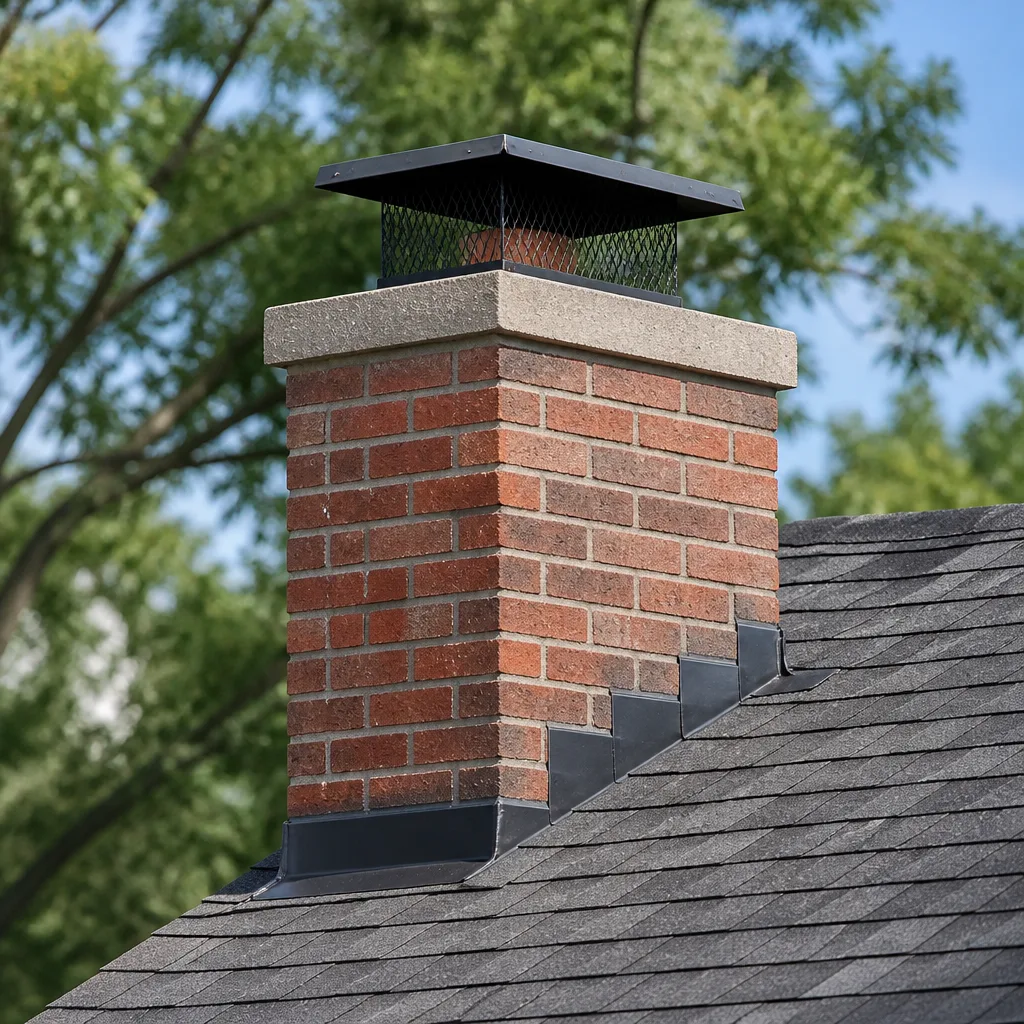
 Flue relining
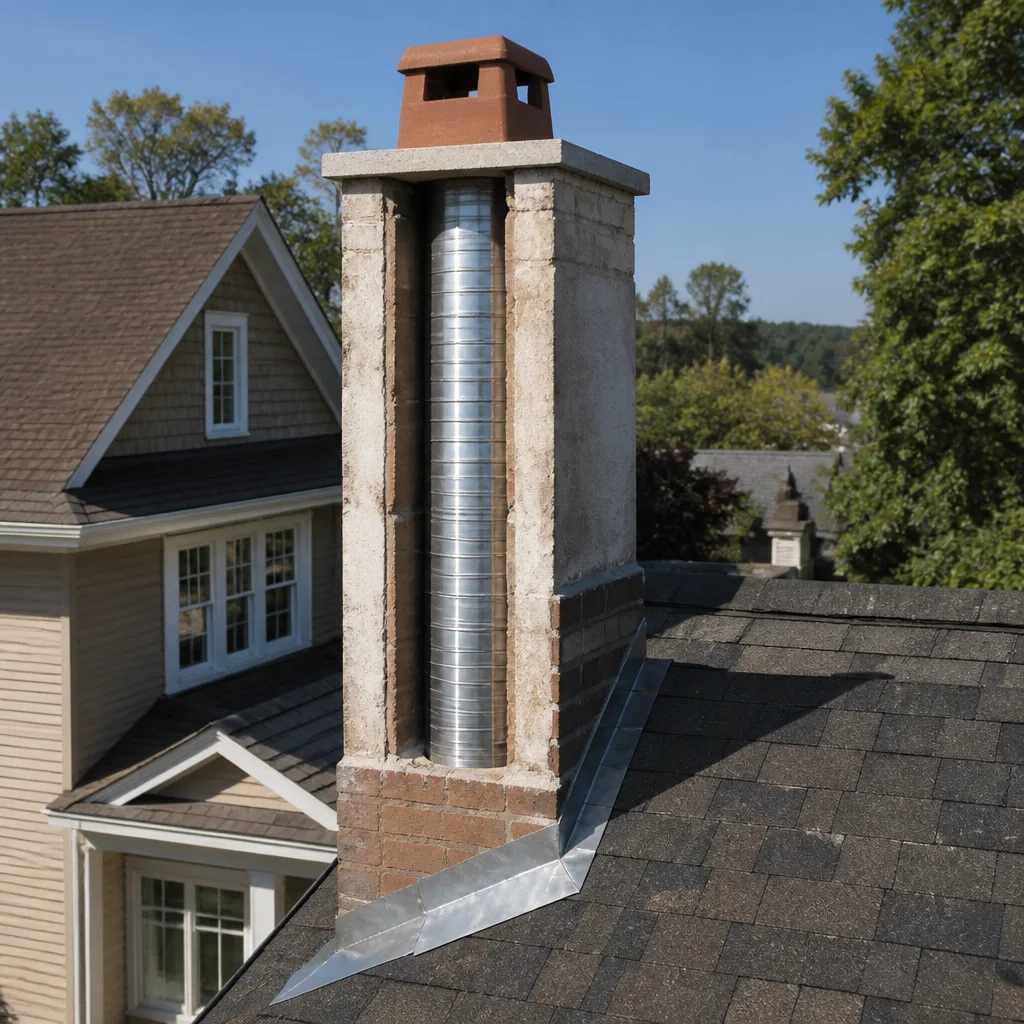
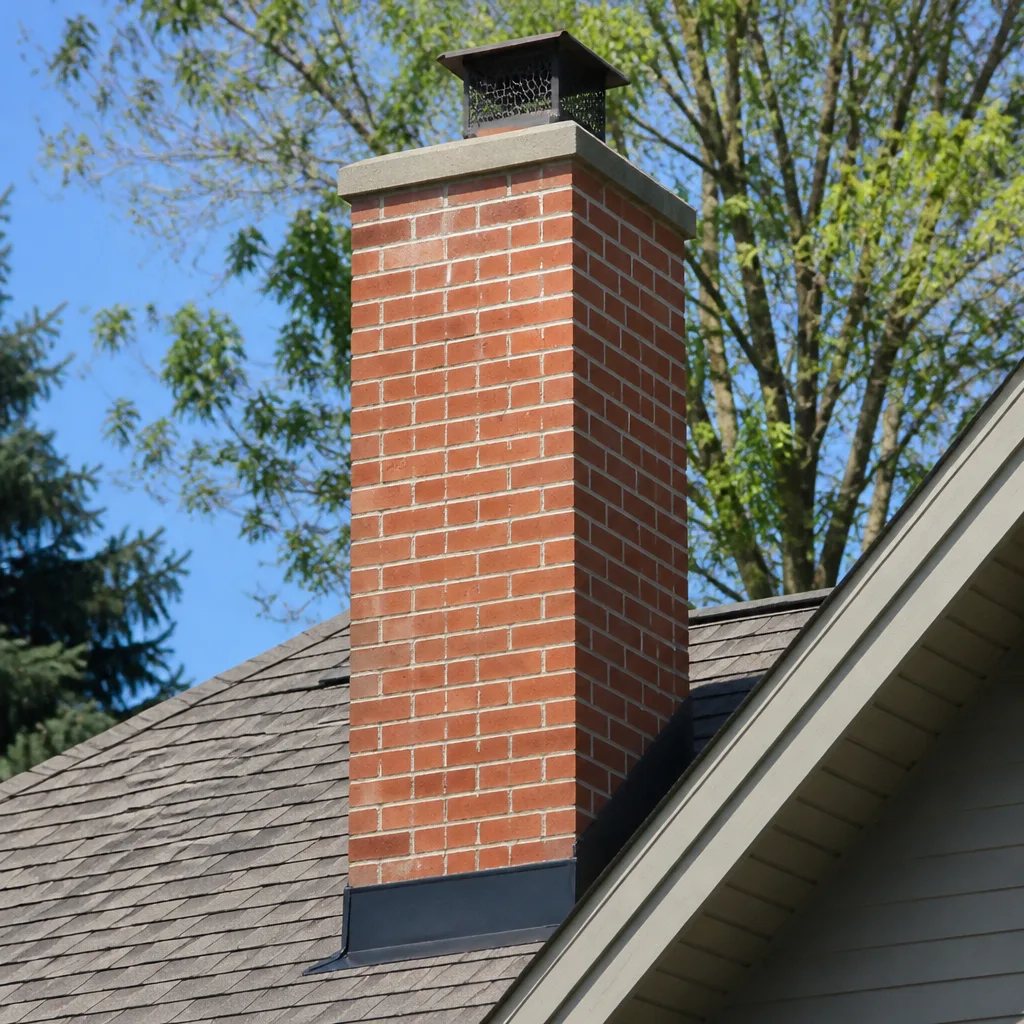 Masonry repair
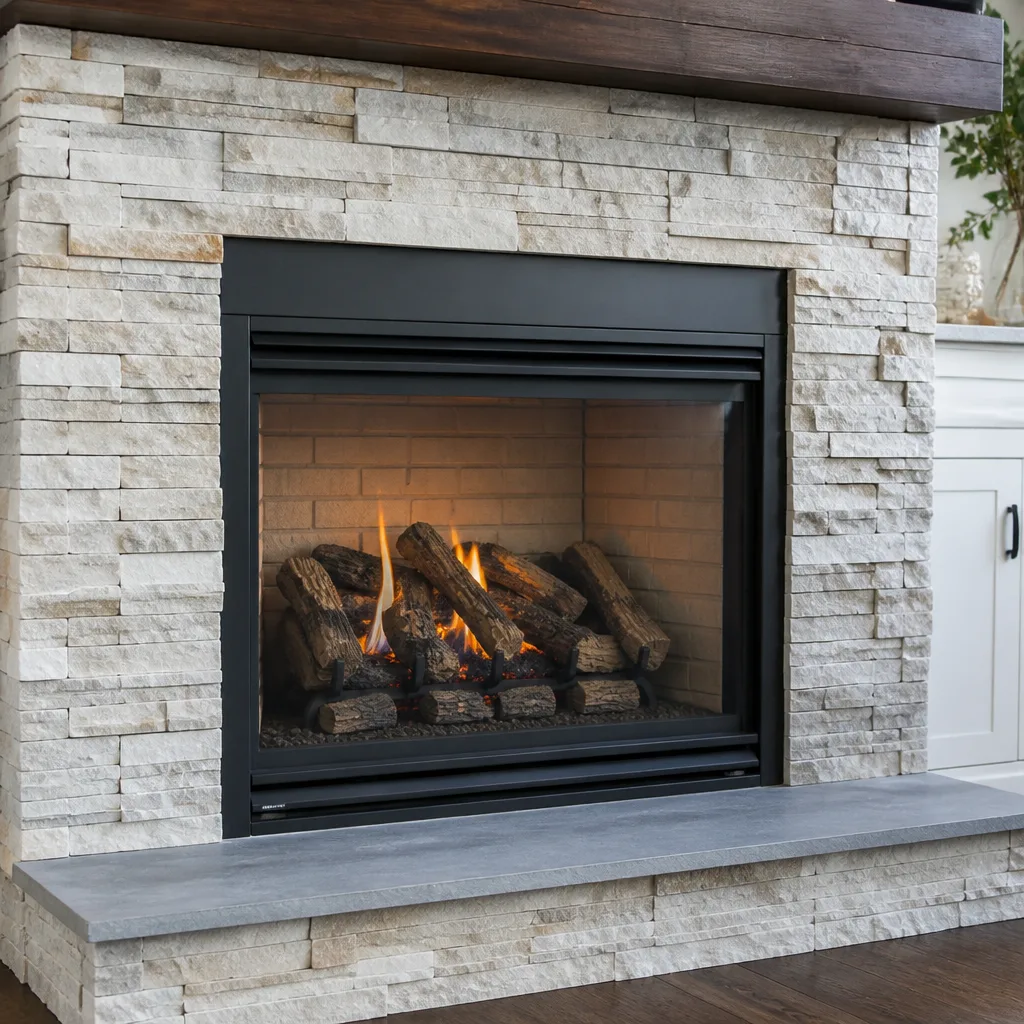 Gas fireplace service
Level 1 sweep and inspection to the NFPA 211 annual standard - flue, crown, cap, and flashing checked and photographed
Chimney sweep logs do not sweep chimneys. They loosen some creosote - which then falls where a brush and vacuum still have to collect it.
Choosing the Right Chimney Cleaning Brand: A Buyer’s Guide for Corona
Ask a chimney contractor what product they use on a crown, and a lot of them will give you a shrug and a generic answer. That silence tells you something. If they can’t name the crown sealer, the liner cement, or the creosote treatment they apply, there’s a fair chance they’re buying whatever sits cheapest on the supply house shelf that week, and you have no way to judge the warranty or the performance claim attached to it. Product choice is the part of chimney work homeowners almost never think to ask about, and it’s one of the clearest signals of how a company actually operates. This guide walks through the product categories that matter, the brand names worth recognizing, and the questions that separate a contractor who specifies materials from one who just buys in bulk. We write it from Corona, where the housing stock and the weather both shape what a chimney system goes through.
Quick Answer
The right chimney cleaning and repair products are the ones a contractor can name by brand, back with a spec sheet, and explain the reasoning for. Look for UL-listed stainless liner systems, professional-grade crown sealers and coatings, purpose-made creosote treatments, and manufacturer-spec caps and flashing components. A company that specifies its materials by name has trade accounts, product training, and a level of accountability that a commodity buyer doesn’t. In Corona, that difference shows up most on liner decisions, crown work, and cap installations exposed to a wide swing between humid summers and freezing winters.
Styles & brands we work with
- Sweep & inspection
- Caps & crowns
- Flue relining
- Masonry repair
- Gas fireplace service
Table of Contents
- Why the Brand Behind the Product Matters
- The Product Categories to Ask About by Name
- Why UL-Listed Liner Systems Matter for Insurance and CO Compliance
- Brush-On Crown Coatings vs. Proper Crown Rebuilds
- Creosote Treatments: What They Do and What They Don’t
- How to Use Brand Specification as a Vetting Tool
- What “We Use the Best Products” Actually Means
- The Questions to Ask Before You Book
Why the Brand Behind the Product Matters
Chimney work is a materials business as much as a labor business. The sweep, the inspection, the diagnosis, and the installation all depend on what gets applied and how. A stainless liner system, a crown sealer, or a firebox repair mortar either holds up to heat, moisture, and freeze-thaw cycles or it doesn’t, and the difference usually shows up years later, after the contractor has moved on. When a company specifies a recognizable brand, it’s telling you the product has a published spec sheet, a manufacturer behind it, and application requirements the installer is expected to follow.
Contrast that with a contractor who buys anonymous materials. There’s no spec sheet to check, no manufacturer’s installation guide to follow, and no recourse if the product fails early. That doesn’t automatically mean the work is bad. It means you have no way to evaluate it, and neither does anyone you might call later for a second opinion.
In our experience, brand specification is a habit that extends across a whole business. A company with trade accounts and product training tends to specify across every category, not just the one it installs most often. That’s why we name the product lines we work with instead of describing them in vague terms.
In Corona, this matters for a specific reason. Homes here see humid summers that push moisture into masonry, then winter freezes that expand whatever water got in. A crown sealer that doesn’t flex with that cycle will crack. A liner that isn’t rated for the temperatures a wood-burning appliance produces will degrade, and you won’t know until the next inspection. Product choice is not a detail here. It’s the whole job.
If you take nothing else from this guide, take this: when you hire a company for a chimney sweep or a repair, the materials they bring to your roof are part of the work you’re paying for. Name brands give you a way to check.
The Product Categories to Ask About by Name
Chimney work uses a defined set of product categories, and each one has recognizable brands and clear specifications. If you ask any professional contractor about these categories, they should be able to answer without hesitating. If you get a blank look, ask a follow-up and see if the answer firms up.
Liner systems
Stainless steel liner systems are the core of most chimney repair work. Ask which system the contractor installs, whether it’s UL-listed for the appliance type in your home, and whether the system is insulated. DuraFlex and Olympia Chimney are two names to know in this category; both make stainless liner systems with published specification literature you can look up yourself.
Crown sealers and repair materials
The crown is the concrete cap on top of the chimney. It takes the most weather of any part of the system. Ask what sealer or repair material the contractor uses, and whether it’s a coating or a structural repair. A coating only works when the crown is otherwise sound.
Firebox and flue repair mortars
Fireboxes and flues don’t repair with standard masonry mortar. They need refractory materials rated for high heat. Ask what product the contractor uses and whether it’s rated for the temperatures your fireplace produces.
Creosote treatments
Creosote is the tar-like residue left by burning wood. It comes in stages, from light soot up to a glazed, hardened form that a brush can’t remove. Ask what treatment the contractor uses when a sweep doesn’t clear a heavy deposit, and whether the treatment is a chemical product or a mechanical method.
Cap and flashing components
Caps and flashing are metal and rubber components bolted to the chimney, and their specifications matter more than they look. Gelco and Famco both make components with manufacturer-specified tolerances. An off-brand cap with loose tolerances is going to leak or blow off, and you’ll never know why until it does.
One more category worth knowing: liner restoration systems. HeatShield is a cast-in-place restoration system that rebuilds a damaged liner from the inside rather than replacing the whole thing. It’s a specific application that requires certification, and most general contractors don’t apply it. We’ll come back to it later in this guide because it changes the cost picture on liner decisions.
Why UL-Listed Liner Systems Matter for Insurance and CO Compliance
UL listing is a third-party safety certification from Underwriters Laboratories, and for a chimney liner, it’s the difference between a product that’s been tested to a published standard and one that hasn’t. When you install or replace a liner, the specific standard to look for depends on the appliance it serves, and a professional contractor should be able to tell you which standard applies to your setup.
Two things ride on that certification. The first is insurance. Insurers rate risk on chimneys based on whether the system meets recognized safety standards. A liner installed with an unlisted product, or one installed in a way that doesn’t match its listing, can complicate a claim after a chimney fire or a carbon monoxide incident, even if the installer did careful work. That’s not a scare tactic. It’s how insurers look at risk.
Carbon monoxide is the second. A properly listed and properly sized liner keeps combustion gases inside the flue and out of the living space. A liner that’s undersized, unlisted, or installed outside the manufacturer’s specifications can fail to vent gases correctly, and that failure can happen silently. It’s the reason inspection is a standalone diagnostic and not just a formality attached to a sweep.
What to look for on a product spec sheet
You don’t need to become an expert to check a specification. Ask the contractor for the spec sheet or the model number on the liner system they plan to install. Then look for:
- The UL listing and the standard it meets. The spec sheet should state the listing clearly, along with the standard number.
- The appliance type the liner is rated for. Wood, gas, oil, and pellet appliances produce different exhaust conditions. The liner has to be rated for yours.
- The temperature rating. Compare it to what your appliance can produce under normal and adverse conditions.
- Insulation specifications. Exterior chimneys often need an insulated liner to prevent condensation and to protect the masonry from heat. The spec sheet should tell you how the insulation is rated.
- The manufacturer’s installation requirements. Most liner failures we see involve correct products installed incorrectly. The installation requirements are part of the listing.
If a contractor can produce a spec sheet on request, that’s a good sign. If they can’t, that alone is worth factoring into your decision. A contractor who specifies DuraFlex or Olympia Chimney on a job should be comfortable handing you the documentation.
For an inspection that documents liner condition clearly, start with the inspection as a standalone service. We handle that as its own diagnostic with written findings rather than an add-on to a sweep, because the liner decision deserves its own conversation. A free estimate for any work that follows is part of the process.
Brush-On Crown Coatings vs. Proper Crown Rebuilds
The crown is the overhanging concrete cap at the top of your chimney. It’s a small piece of masonry with a big job: shed water away from the flue and the chimney structure below. When a crown cracks, water gets into the masonry, and in Corona’s freeze-thaw cycle, that water does real damage. The crack opens a little each winter.
Now the product question. Crown work falls into two categories, and they’re often marketed as interchangeable when they’re not.
Brush-on coatings
Brush-on crown coatings are flexible, elastomeric sealers applied over a sound crown to seal hairline cracks and slow further deterioration. They work well as maintenance when the crown is structurally intact. They’re not structural repairs. A coating applied over a crown that’s cracking through, delaminating, or separated from the flue is a cosmetic fix that will fail, and when it fails, the water problem is worse than it was.
Crown rebuilds
A crown rebuild removes the failing crown and forms a new one with the correct slope and overhang to shed water. It’s masonry work, and it uses refractory or high-strength concrete materials specified for the job. The product categories in this space are different from the coating products, and a contractor who only carries coatings will sometimes present a coating as a rebuild. That’s the substitution to watch for.
How to tell them apart
Ask one question: “Is this a coating or a rebuild?” A professional contractor will answer without hedging. If the answer is “coating,” ask what condition the crown has to be in for the coating to hold. If the crown is sound, a coating is legitimate maintenance. If it’s not, a coating just buys you a season or two before the problem comes back bigger.
The same logic applies to the crown’s companion piece, the cap. Caps come with manufacturer specifications for material gauge, spark screen, and attachment method. Gelco and Famco both build components to published specifications, and a cap installed with unspecified hardware doesn’t give you a basis for a warranty conversation later. Our chimney cap & crown service treats the top of the system as one decision, because the two pieces work together.
Creosote Treatments: What They Do and What They Don’t
Creosote is the residue of wood combustion, and it builds up in stages. Light soot and ash brush away easily. A thicker, crisper layer needs a stiffer brush and more passes. Glazed creosote is a different problem entirely. It’s hardened into the flue surface like a shell, and a standard brush won’t remove it. If a company tells you a sweep will handle glazed creosote, ask them what they’ll do when it doesn’t.
Chemical creosote treatments are products that are applied to the flue and left to react with the deposit, loosening it so a follow-up sweep can remove it. They’re a legitimate part of the trade, and they have brand names and product specifications like everything else. Ask what treatment the contractor uses, how long it needs to stay on, and why that product was chosen for your flue.
What creosote treatments do
- Soften hardened deposits so a mechanical sweep can remove them
- Reduce the volume of a heavy deposit over a treatment cycle
- Make a follow-up sweep safer and more effective on a badly fouled flue
What creosote treatments don’t do
- They don’t repair a damaged liner underneath the deposit
- They don’t replace a proper sweep on a flue that’s heavily fouled
- They don’t make a flue safe for use if the liner is cracked or compromised
One product category that gets marketed as a creosote solution is a rotary cleaning system. A rotary system is a mechanical brush-and-cable tool that spins against the flue wall. It’s an effective tool for certain deposits, and it’s not a chemical treatment. If a contractor tells you they’re going to “treat” the creosote and then shows up with a rotary tool and no chemical, they haven’t misled you, but you should know the difference so you can ask the right follow-up question.
In Corona, the seasonal pattern shapes how people deal with creosote. Fireplaces get used hard in the winter and sit idle the rest of the year. A flue that builds up heavy creosote during one season will sit with those deposits for months. When the first cold snap arrives and the fireplace gets lit again, that accumulated deposit is a fire risk. The department that enforces fire safety in Corona cares about chimney fires for that reason, and a sweep in the fall before the first fire is a far better use of your money than dealing with the aftermath.
This is where product knowledge and seasonal timing come together. A company that treats creosote as a real product category, not just a word in the sales pitch, will tell you what it’s applying and why. We ask homeowners to schedule the sweep before the season starts, not after draft problems show up. If you’ve had a sweep in the last year and want to know whether your flue can handle another season, a Chimney Sweep Corona inspection will tell you.
How to Use Brand Specification as a Vetting Tool
Brand specification is one of the most underused vetting tools in home services, and it costs you nothing to use. Ask any contractor you’re considering for a chimney job what products they’ll use, and listen carefully to the answer. What they say, and how quickly they say it, tells you a lot about how they operate.
A 5-step process for vetting a chimney contractor
- Ask for brand names across categories. Don’t just ask about the one product they’ll install. Ask about the liner system, the crown sealer, the firebox mortar, and the cap. A contractor who specifies one category and goes vague on the rest is only partway there.
- Ask for the spec sheet or model number. Any product with a real manufacturer has documentation. A contractor who can produce it on request is telling you the product is real and they know how it’s rated.
- Ask why they chose that product for your job. The answer should reference your flue’s condition, your appliance, and the local conditions. A generic “it’s the best” is not an answer.
- Ask about training or certification for the application. Some products, especially liner restoration systems, require certification to apply. If the contractor mentions a specialized product, ask who certified them.
- Ask what happens if the product fails. A company that stands behind its materials will have a clear answer. A company that doesn’t will change the subject.
One follow-up question cleanly sorts the two groups. Ask: “Can you tell me the exact product and model you’ll use on my liner?” A contractor who can answer that clearly is in the first category. A contractor who says “we use the best products” and stays there is in the second.
Why specification signals accountability
Contractors who name their materials generally have trade accounts with those manufacturers, which means they buy consistently and they’ve been vetted by the supplier. They’ve often paid for product training. And they’ve accepted a level of accountability that comes with putting a manufacturer’s name on their work. Those are not small things.
A company that buys commodity materials has none of that. If the product fails, there’s no manufacturer to call because there’s no brand name attached, and the homeowner has no path to a remedy. That’s not a moral judgment on any particular contractor. It’s a practical fact about how materials work.
In Corona, where chimney work is exposed to some real weather, specification by brand name is the difference between a documented installation and an undocumented one. Whether you work with us or another company, ask the question. It’s the cheapest piece of due diligence you’ll ever do on a chimney job.
What “We Use the Best Products” Actually Means
“We use the best products” is a marketing phrase, and on its own it tells you nothing. Best for what condition? Rated for what appliance? Applicable to what materials? Without a name and a spec sheet, “best” means “trust us,” and trust isn’t a material specification.
The phrase usually covers one of three realities:
- They use commodity materials and have no product line to name. Nothing unethical here, but you have no way to verify the claim.
- They have a preferred brand but haven’t trained on it. A real product, applied by someone who hasn’t been certified to use it, still carries risk.
- They specify, train on, and stand behind known brands. This is the category where the phrase means something concrete.
The one follow-up question that tells you which category you’re in is: “Which product, specifically, will you apply to my flue, and can you show me the spec sheet?” Any contractor in the third category will answer that without hesitation. A contractor in the first or second will get uncomfortable, and that discomfort is your signal.
We specify HeatShield for liner restoration because the application requires certification and the product has a documented installation process. We specify DuraFlex and Olympia Chimney on liner replacements because their systems have published listings that insurers recognize. We use Gelco and Famco on caps and flashing because those components carry manufacturer specifications we can point to. None of this is a flourish. It’s a way of giving homeowners something to check.
If you’re comparing contractors in Corona and one of them describes their materials in specifics while another describes them in adjectives, you’ve learned something useful about both. The one with names is the one who can be held to them.
This is also why we treat the whole system as a single relationship. The liner, the crown, the cap, the flashing, the firebox, and the flue all interact, and product choices in one part of the system affect the other parts. A chimney repair on the crown that doesn’t account for how the flue is behaving underneath is a partial fix. When one company handles the full system, that conversation happens once instead of across three contractors.
The Questions to Ask Before You Book
Bring this list to your next call. The answers will tell you more about a contractor than a website will.
- What brand and model of liner system will you install, and what UL listing does it hold? The answer should be specific and easy to look up.
- What crown product are you using, and is it a coating or a rebuild? Either answer is fine, as long as it matches the condition of your crown.
- What do you use for creosote treatment, and how does it work? Ask what happens if the treatment doesn’t remove the deposit in one pass.
- What cap and flashing components do you specify? A named component tells you the product carries manufacturer specifications.
- Is inspection a standalone service, or is it bundled with a sweep? The answer shapes whether you’ll get a real condition report or a sales pitch.
- Can I see the documentation after the appointment? Photos, written findings, and spec sheets are the paper trail that supports any later decision, including an insurance claim.
- What’s the scope of the estimate? A written estimate should describe the work, the materials, and the price, per job, with no surprises after the fact.
These questions don’t require any technical background to ask. They just require the contractor to have real answers. The ones worth hiring will.
Common Mistakes to Avoid
- Hiring a sweep-only company for a repair decision. A sweep service that doesn’t work with liner systems, crowns, or fireboxes will either refer you out or apply a generic fix. Ask whether the company handles the full chimney system before you book the sweep.
- Accepting a coating when the crown needs a rebuild. A brush-on coating over a failing crown hides the problem for a season or two. When it fails, the water damage underneath is worse. Ask which product is being applied and what condition the crown has to be in for it to work.
- Choosing the contractor who answers the phone fastest instead of the one who answers the questions. Availability matters, but product specification is what protects your home in year three.
- Treating liner replacement as the only option before a proper diagnosis. In our experience, some liners that get quoted for full replacement are candidates for restoration with a system like HeatShield. The right liner solution depends on the flue’s condition, and that starts with a real inspection.
- Skipping the inspection because a sweep was done last year. A sweep cleans. An inspection diagnoses. They answer different questions, and a sweep does not tell you whether your flue is safe for the season.
- Missing the seasonal window in Corona. The best time to schedule is before the first fire of the season, not after the draft problems start. Waiting until you need the fireplace is the most expensive way to schedule.
- Letting an anonymous cap or flashing component get installed. Off-brand hardware has no published specifications and no traceable quality standard. It’s the easiest place for a job to go wrong and the hardest place to spot afterward.
See the difference
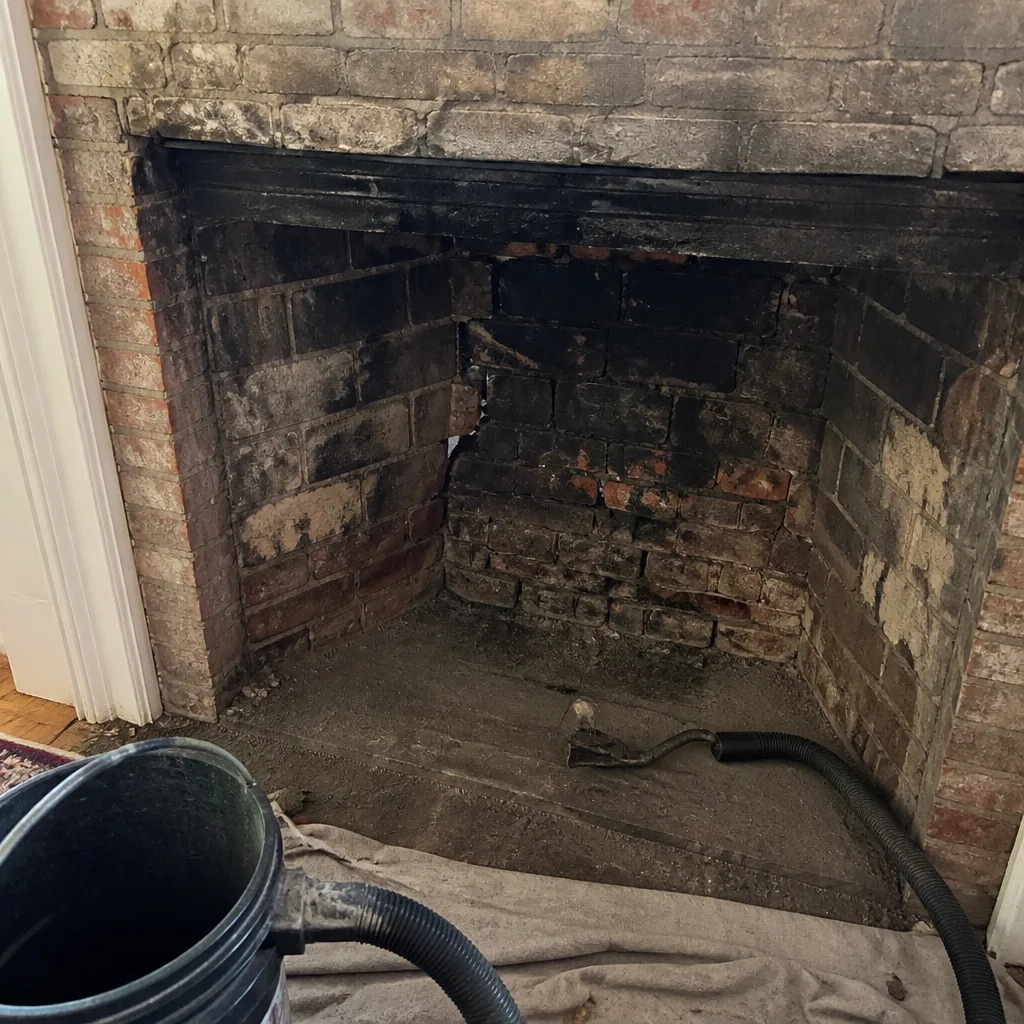 Before
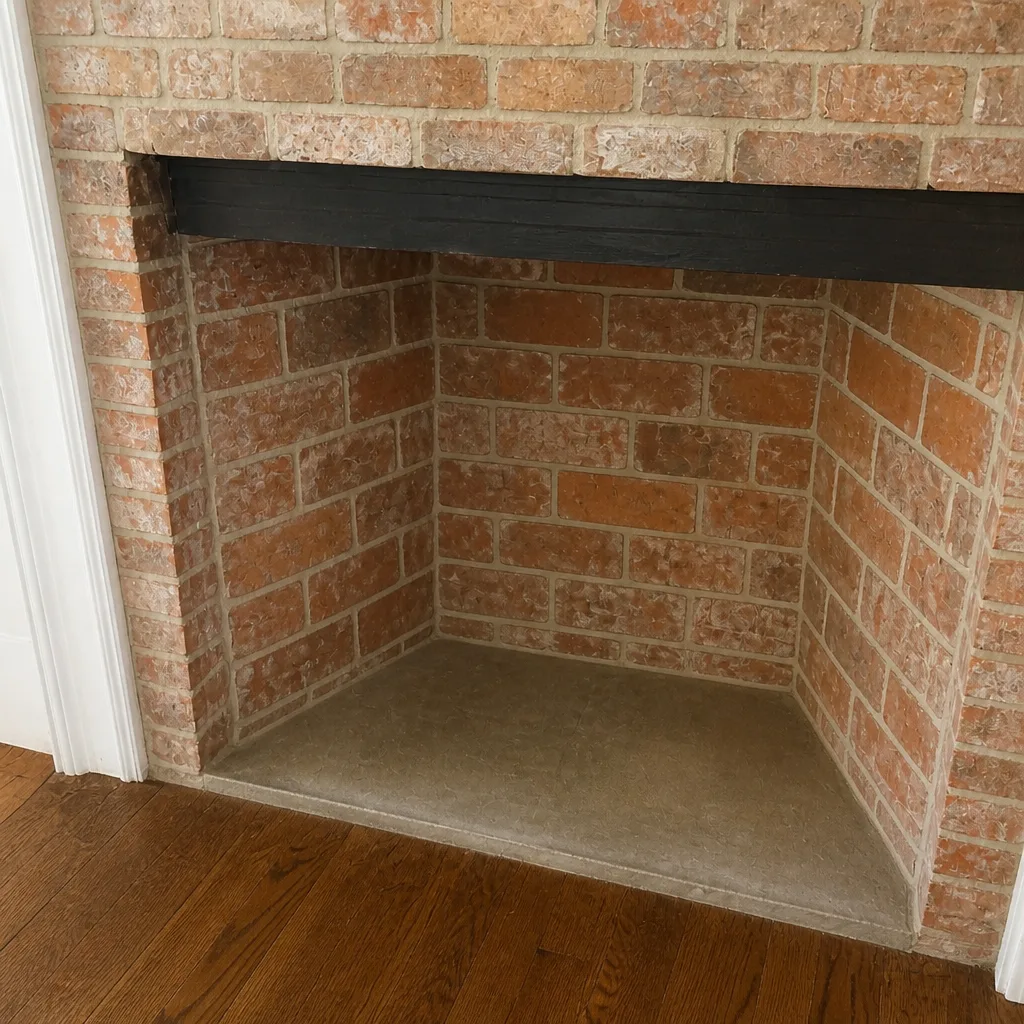 After
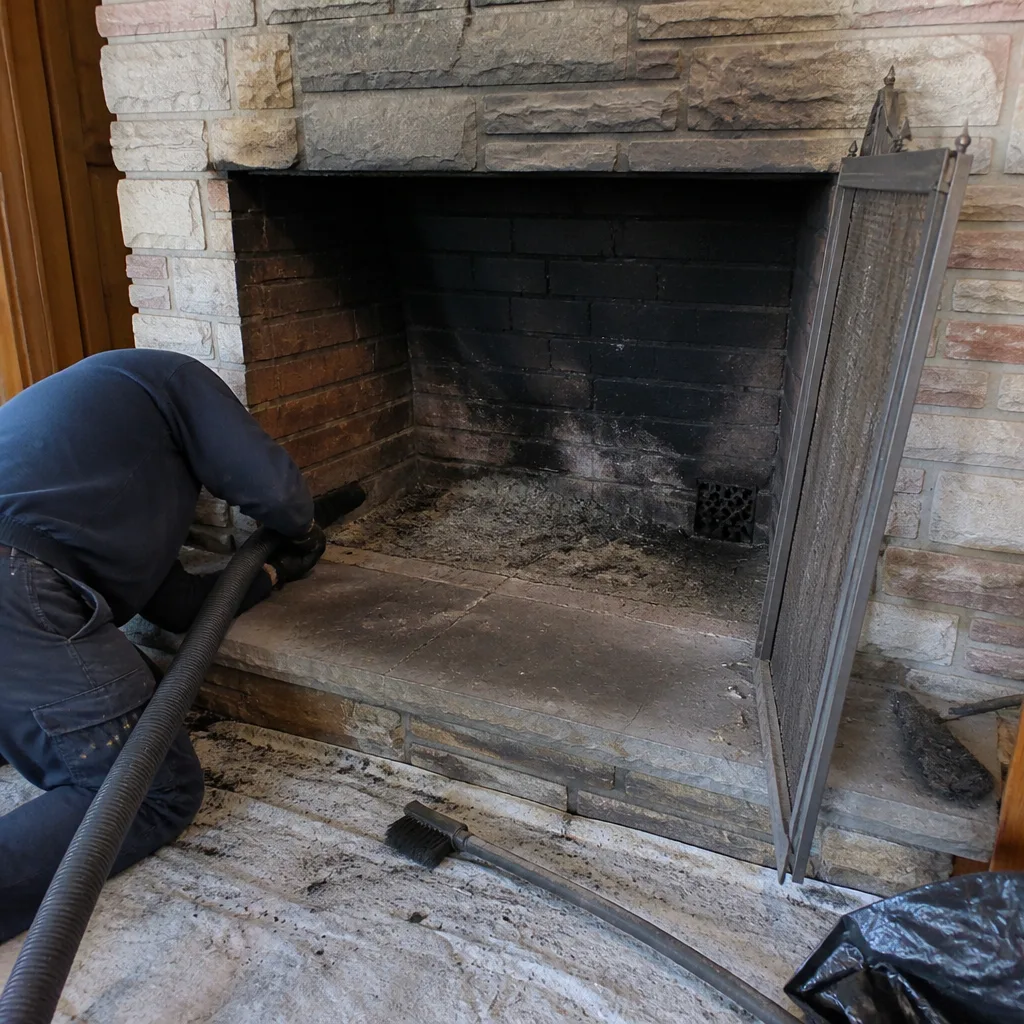 Before
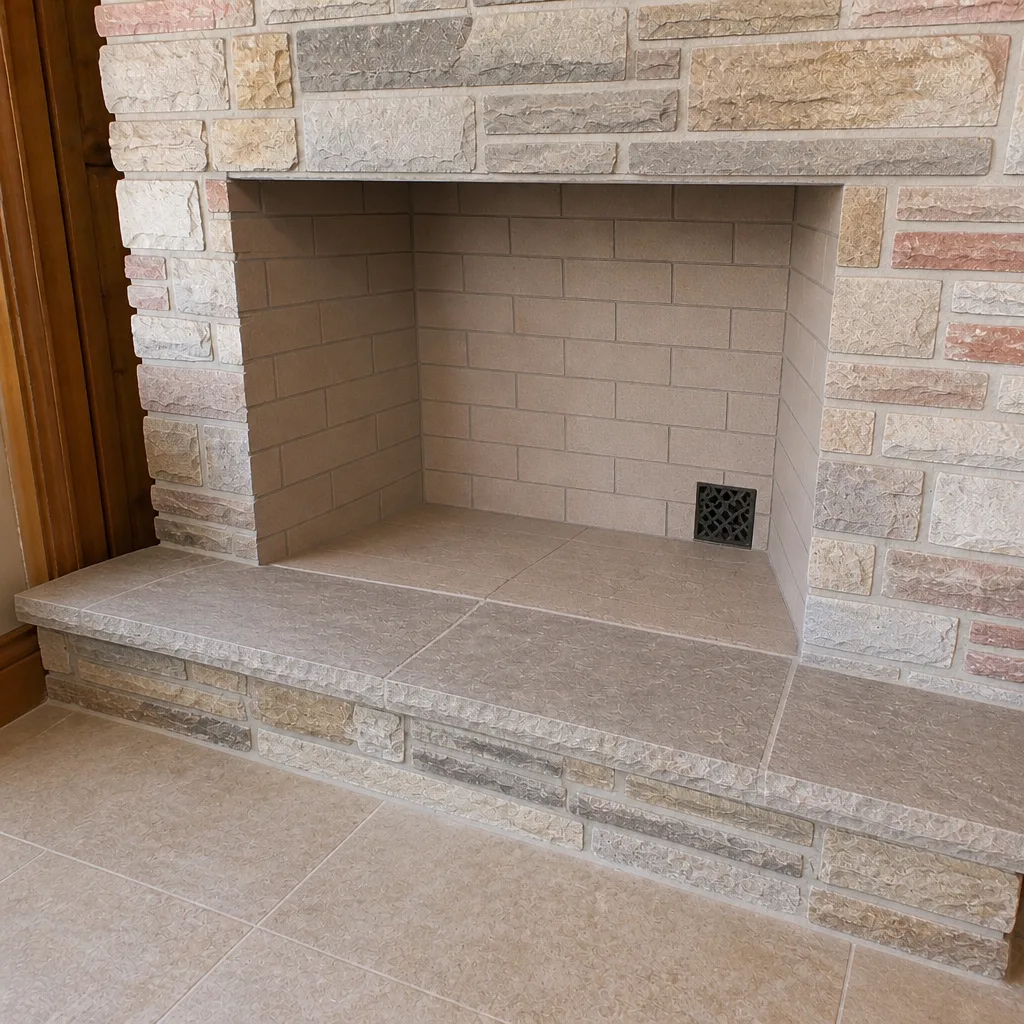 After
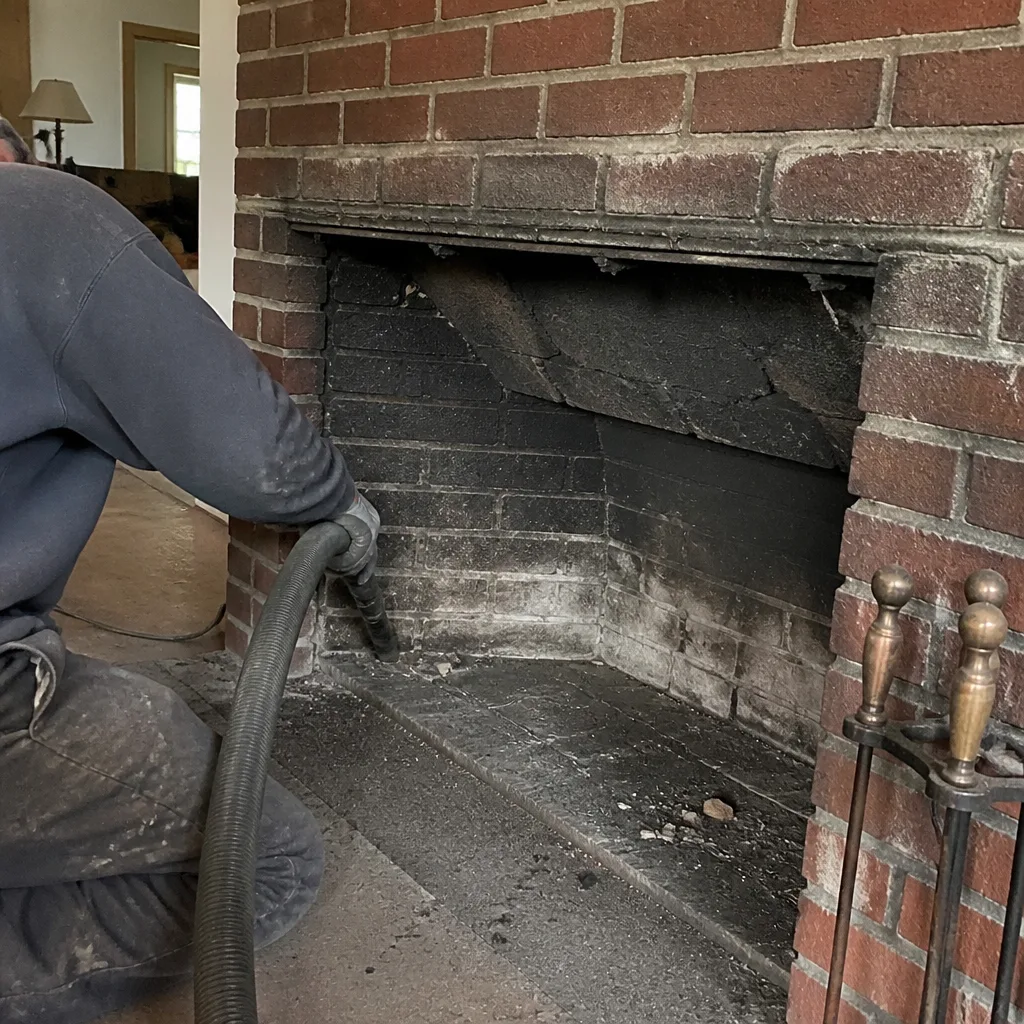 Before
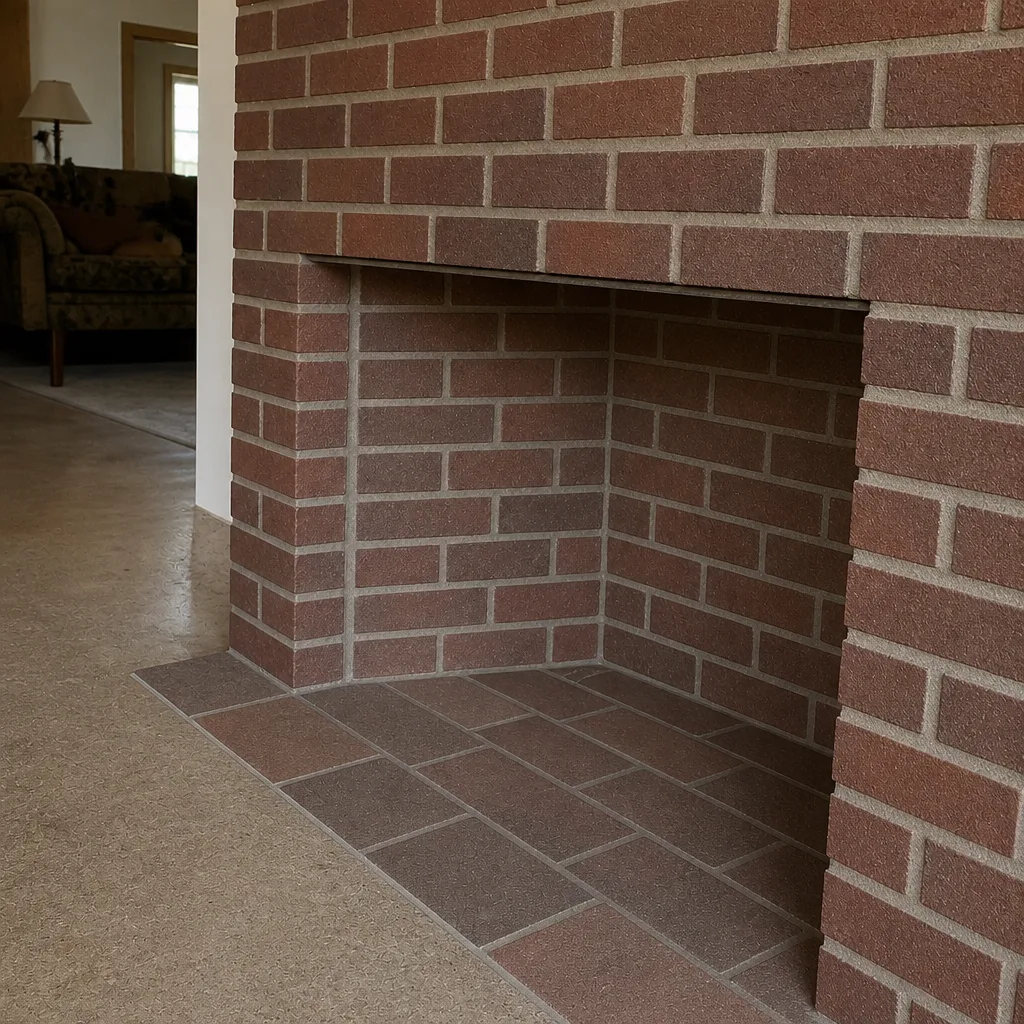 After
When to Call a Professional
Some things you can check on your own. Some things you should not touch. If your fireplace has stopped drafting properly, if you can see cracked or missing masonry at the crown, if you smell smoke in the house when the fireplace is lit, or if it’s been more than a year since a professional has looked at the flue, it’s time to call. If you’re buying or selling a home in Corona with a fireplace, an inspection before you close is a document you can rely on. And if a chimney fire has already happened, even a small one, the flue needs an assessment before it’s used again. Our technicians have up to 9 years of experience with the full range of chimney systems. Chimney Sweep Corona offers free estimates in Corona. Call (833) 968-1177. We answer 24/7. Fast dispatch from 7am to 7pm, Sunday through Friday. If you’d rather start with an inspection so you have findings before you decide on any work, that’s a reasonable first step, and the chimney repair conversation is easier once you have documentation in front of you.
Frequently Asked Questions
It means the brands a chimney company uses for the products it applies to your system: liner systems, crown sealers, firebox mortars, caps, flashing, and creosote treatments. You should care because those materials determine how the work performs over time, and a contractor who names them is giving you a way to verify the claim. A contractor who doesn’t name them has nothing to stand behind after the job is done.
Yes, and the difference matters for safety and insurance. A UL-listed liner has been tested to a published standard for its appliance type and temperature rating. A non-listed liner has no third-party verification, and it can complicate an insurance claim after a fire or a carbon monoxide incident. Ask for the listing and the standard it meets, and if the answer is vague, ask again.
It depends on the crown’s condition. A sound crown with hairline cracks can often be maintained with a flexible brush-on coating. A crown that’s cracked through, delaminating, or separated from the flue usually needs a rebuild, and a coating there is a stopgap. Ask which product is being applied and how the contractor decided between the two.
A chimney sweep in Corona is priced per job by a written estimate, and the estimate is free. Material quality can affect the total on repair work because specification-grade products cost more than commodity ones, but the written estimate sets the final price. Call (833) 968-1177 for an exact quote. Estimates are free.
Sweeping is the mechanical removal of soot and light creosote. Creosote treatment is a chemical or mechanical process that loosens harder, glazed deposits so a follow-up sweep can remove them. A standard sweep won’t clear glazed creosote, and a company that tells you it will should be asked what they’ll do when the brush doesn’t remove it.
Yes, if it’s been more than a year since the last inspection or if you’ve had draft problems or visible deterioration. A sweep cleans the flue, but it doesn’t diagnose the liner, crown, firebox, or flashing. Chimney Sweep Corona treats inspection as a standalone service with documented findings, so you have a clear picture of the system’s condition before you decide on any repair work. Call (833) 968-1177 to schedule. Estimates are free.
Creosote accumulates, and at higher stages it’s the fuel for a chimney fire. The risk scales with how hard the fireplace is used and how the flue is maintained. The other concern is carbon monoxide: a flue with a compromised liner can vent gases into the living space instead of outdoors. We don’t say that to scare anyone. It’s just what the system does when it’s not maintained. A sweep before the season starts is inexpensive next to the alternative.
The Bottom Line
The products a chimney company uses tell you more than its labor claims ever will. A contractor who names the liner system, the crown sealer, the creosote treatment, and the cap components is giving you something to check, and that checkability is the foundation of a real warranty and a real installation. In Corona, where the weather is hard on masonry and the fireplaces get serious seasonal use, those material choices compound over time. Ask for brand names. Ask for spec sheets. Ask what happens if the product fails. If you want a company that answers those questions without being pushed, and covers the full system from crown to firebox, Chimney Sweep Corona offers free estimates and a full written scope before any work begins. Call (833) 968-1177. We answer 24/7. Fast dispatch from 7am to 7pm, Sunday through Friday.
Written by the team at Chimney Sweep Corona.