
Last updated November 24, 2026
 Sweep & inspection
 Caps & crowns
 Flue relining
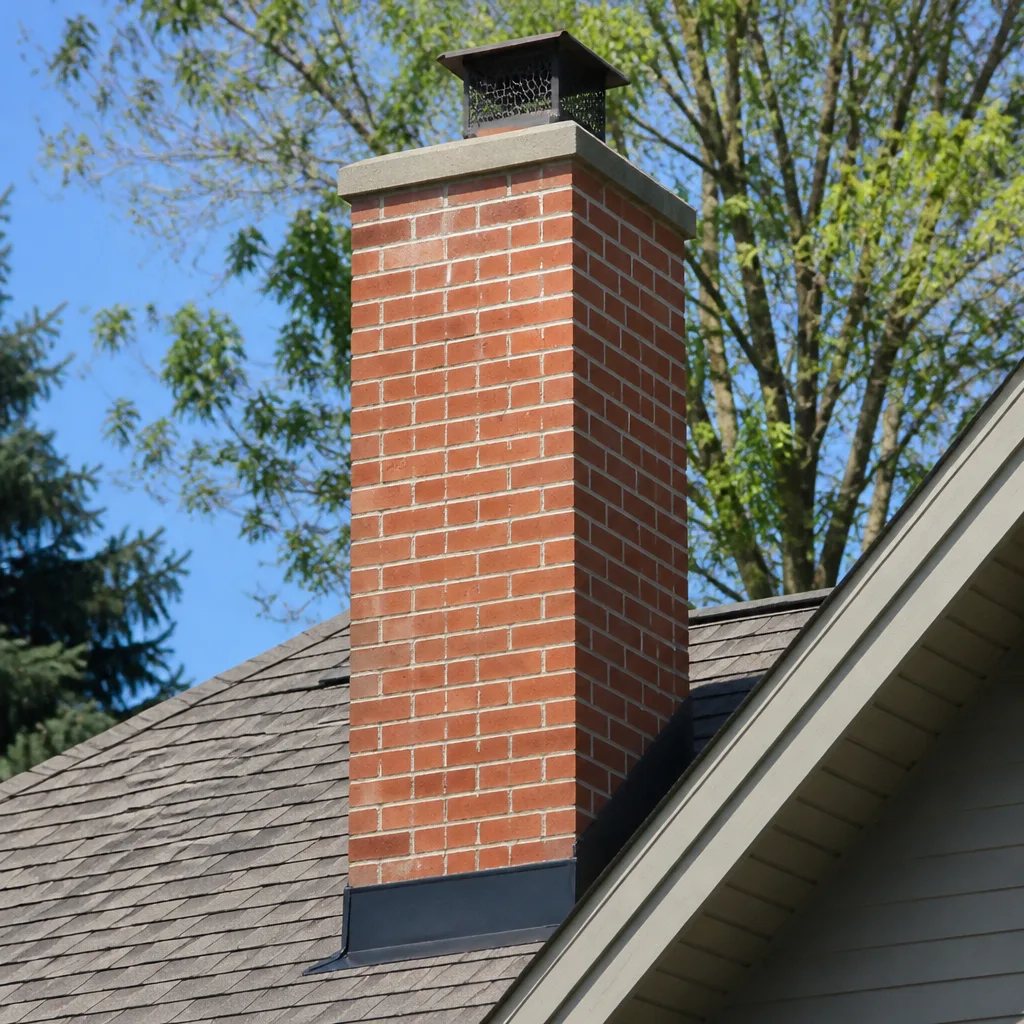 Masonry repair
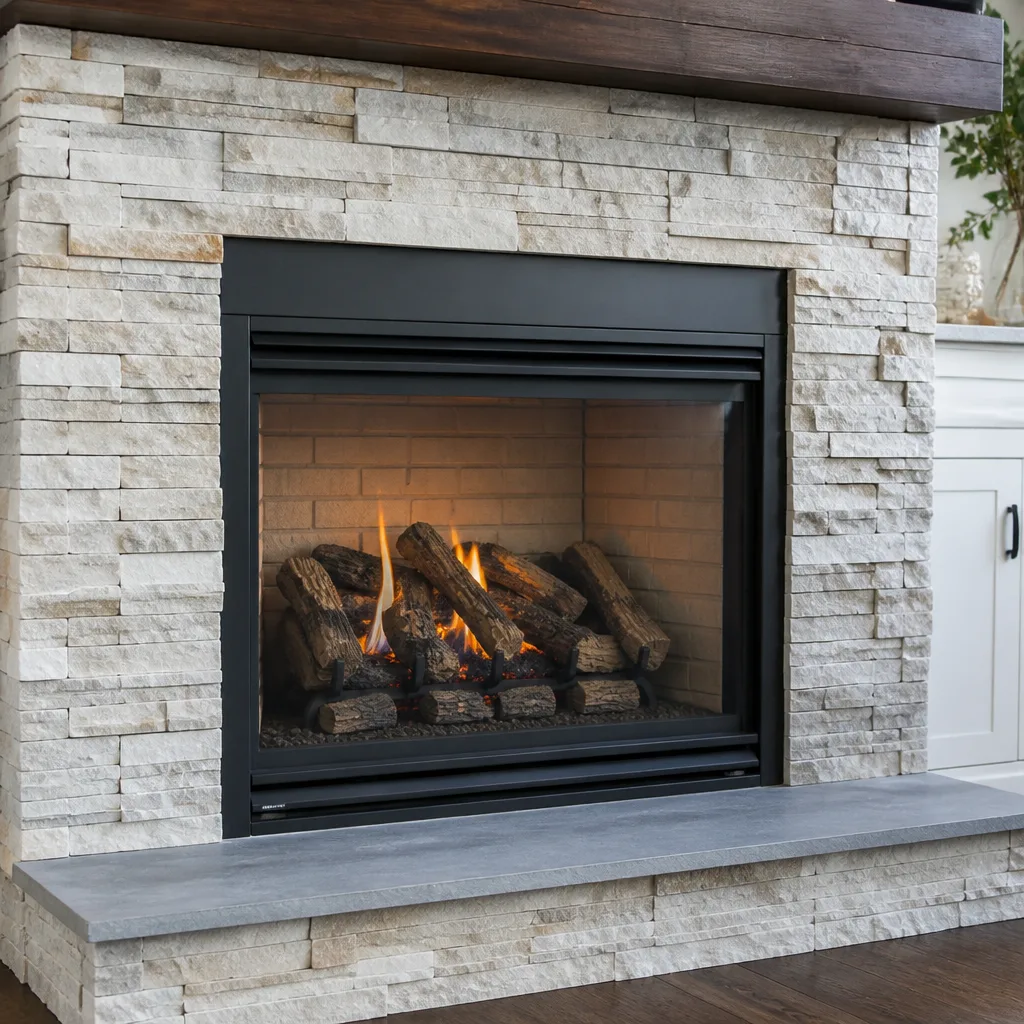 Gas fireplace service
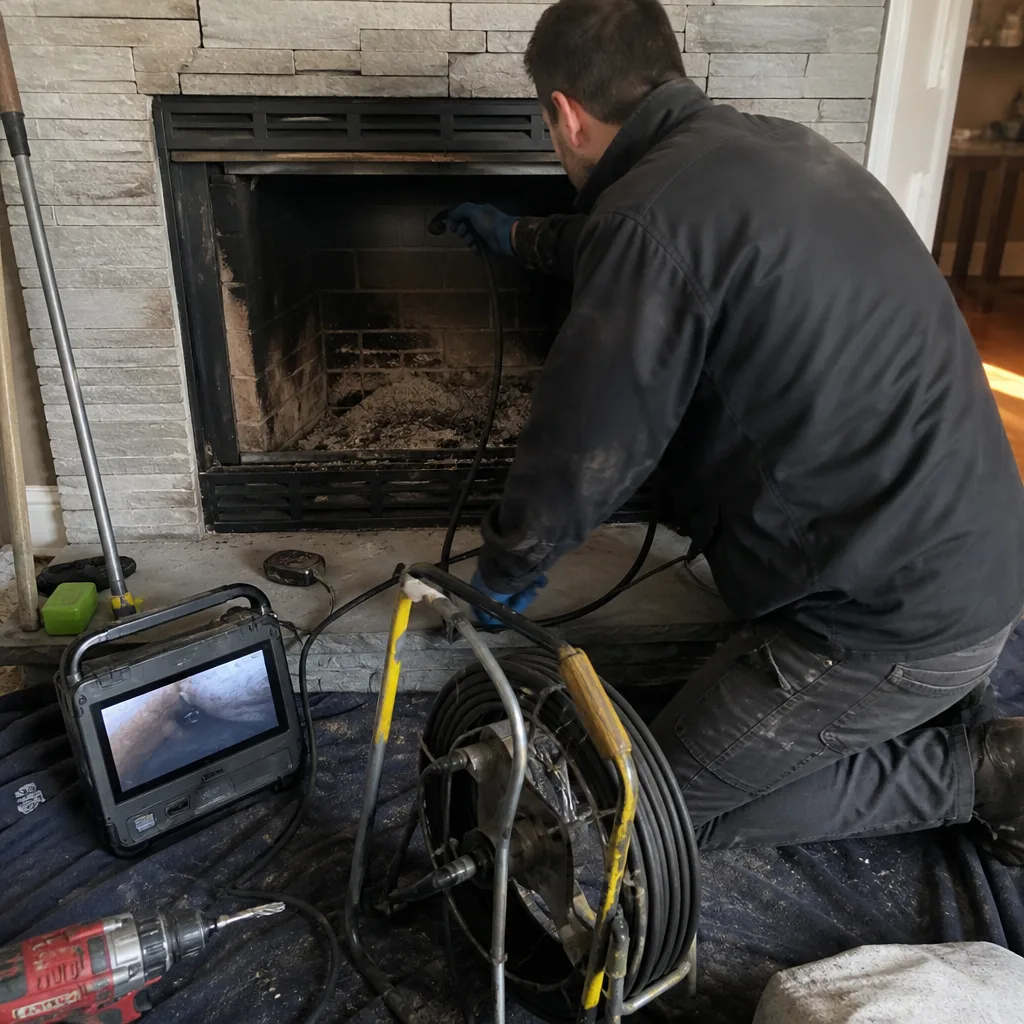
Level 1 sweep and inspection to the NFPA 211 annual standard - flue, crown, cap, and flashing checked and photographed
Chimney sweep logs do not sweep chimneys. They loosen some creosote - which then falls where a brush and vacuum still have to collect it.
Chimney Sweep Maintenance Schedule: What to Do and When
Scheduling your sweep in October, when every other homeowner does, means you’re lighting fires in a system that hasn’t been inspected since the previous spring’s moisture damage had all summer to worsen. The National Fire Protection Association’s once-a-year baseline is real, but one annual sweep isn’t a schedule. It’s a single task on a calendar that ignores the timing that actually determines whether your chimney is ready on the night you want a fire. What follows is a month-by-month protocol for Corona homeowners, built around how fireplaces here actually get used, and what each season does to a flue.
Quick Answer
The most useful chimney maintenance schedule has two anchor points, not one: a post-season inspection in March or April to catch winter damage while it’s fresh, and a pre-season sweep in August or September so the system is clean and verified before the first fire. Between those anchors, cap checks after storms, damper lubrication, and mortar joint inspections keep the system sound. A single annual sweep meets the minimum standard; this schedule meets the actual one.
Styles & brands we work with
- Sweep & inspection
- Caps & crowns
- Flue relining
- Masonry repair
- Gas fireplace service
Table of Contents
- Why One Annual Sweep Isn’t a Maintenance Schedule
- The Corona Chimney Calendar: What Happens Each Season
- Level 1, 2, and 3 Inspections in Plain Language
- How Fast Does Creosote Build Up? A Self-Assessment Guide
- Maintenance That Falls Outside Sweeping
- Gas Fireplace Maintenance on the Same Calendar
- Common Mistakes to Avoid
- When to Call a Professional
Why One Annual Sweep Isn’t a Maintenance Schedule
The NFPA guidance most homeowners have heard is that chimneys should be inspected annually and swept as needed. That sentence gets repeated everywhere and misread constantly. “Annually” describes a frequency floor, not a date. “As needed” hands the timing decision to the condition of your flue, and the condition of your flue changes with the seasons whether you burn wood or not.
Think about what a chimney does between fires. In Corona, spring brings rain, and summer brings heat that pulls moisture out of masonry and then drives it back in as temperatures swing. A hairline crack in a crown or a failed mortar joint that would have been a minor fix in April has a full season to widen before anyone looks at it. By the time October arrives and the neighborhood books its sweeps, that small defect has had months to let water into the structure behind it.
There’s a scheduling problem too. Autumn is the busiest stretch of the year for anyone who works on chimneys, which means the homeowner who calls in October is competing for appointment slots with everyone else who just remembered their fireplace exists. Booking the sweep in late summer separates the maintenance decision from the urgency of a cold night.
What this guide replaces is the vague “get it inspected yearly” advice with a calendar that assigns each task to the season where it does the most good. Two inspection points, a defined sweep window, and a short list of between-visit checks. That’s the whole system, and it fits on one page.
If you want the baseline service itself explained first, our chimney sweep page covers what happens during a visit from start to finish.
The Corona Chimney Calendar: What Happens Each Season
Here’s the full year laid out. Each entry explains not just what to do but why that month matters, because the reasoning is what lets you adapt the calendar to your own burn habits.
March and April: The Post-Season Inspection
This is the most skipped and most valuable appointment on the calendar. The fire season just ended, which means the flue is carrying its full load of creosote and soot, and the spring rains are about to test every exterior surface. An inspection now does two jobs at once: it documents the condition of the flue after a winter of use, and it catches water damage before summer heat works on it. If anything needs repair, you have months to schedule it on your terms rather than days.
May and June: Repair Season
Warm, dry weather is when masonry work, crown repair, and cap replacement should happen. Mortar needs curing conditions, and a repaired crown needs time to set before the fall rains. This is also the window for liner restoration or replacement if the spring inspection flagged it. Choosing a solution here means you’re deciding from evidence, not from a cold-night emergency.
July and August: The Pre-Season Sweep
Book the sweep now, before the autumn rush. The sweep clears the creosote the season deposited and gives you a clean flue to start from. The pre-season visit is also the moment to confirm the damper moves freely, the cap is intact, and the firebox is sound. Everything you learn in August leaves time to act on it before you need the fireplace.
September: The Readiness Check
Before you light the first fire, walk the exterior of the chimney. Look at the crown for new cracks, check the cap for storm damage, and confirm the flashing is still seated against the roof. This five-minute check catches the obvious problems and tells you whether the August visit needs a follow-up.
October through February: The Burn Season
During active use, the calendar shifts from scheduled tasks to observation. Watch for smoke rolling back into the room, a fire that’s harder to start than last year, or a draft that feels weaker. Those symptoms point to a flue that’s loading up or a damper that isn’t sealing, and they’re the reason a mid-season sweep exists as an option for heavy burners.
The calendar is built for Corona’s pattern of wet winters and hot, dry summers, which is exactly the cycle that stresses masonry. Claiming a schedule without accounting for local weather is where most maintenance advice falls apart.
Level 1, 2, and 3 Inspections in Plain Language
The three inspection levels come from the NFPA standard, and the names sound more intimidating than the work. What they actually describe is how deep the inspection goes. Knowing which level each calendar event calls for keeps you from buying more inspection than you need, or less than the situation demands.
Level 1: The Routine Check
A Level 1 inspection covers everything reachable without special tools. The technician reads the firebox, the damper, the visible portion of the flue, and the exterior of the chimney from the ground or the roof. It’s the right level for the annual pre-season visit when nothing has changed: same fuel, same appliance, no known problems. If you’ve burned normally and haven’t noticed anything off, Level 1 is the baseline.
Level 2: The Condition Assessment
A Level 2 inspection goes further with a camera run through the flue to view the interior surfaces the eye can’t reach. It’s triggered by three situations: a change in the system, a real estate transaction, or an event. “Change in the system” means a new appliance, a fuel switch, or a liner modification. “Real estate transaction” means buying or selling a home with a fireplace, which is the single most common reason a standalone inspection gets booked. “Event” means a chimney fire, a storm that damaged the exterior, or a seismic event. If you’re buying a home in Corona with a fireplace, this is the inspection that tells you what you’re actually purchasing.
Level 3: The Diagnostic Inspection
A Level 3 inspection is the diagnostic level used when a Level 1 or Level 2 has found a problem that can’t be fully assessed without opening something up. It may involve removing part of the chimney structure or interior finishes to see a concealed section. It’s rare, it’s targeted, and it only happens when a specific concern justifies it. Nobody should be selling you a Level 3 before a Level 1 or 2 has produced a reason.
An inspection isn’t an upsell to a sweep; it’s a starting point. Getting a documented condition assessment before you buy, sell, or light the first fire of the season is how you make decisions from evidence instead of guesswork.
How Fast Does Creosote Build Up? A Self-Assessment Guide
Creosote is the tar-like byproduct of incomplete combustion, and it’s what a sweep exists to remove. How fast it accumulates depends on three factors you control: what you burn, how often you burn it, and how well your fire draws. The more you understand those variables, the better you can judge when the calendar date should move up.
By Wood Type
Seasoned hardwood, split and dried for at least a year, burns hot and clean and deposits creosote slowly. Green or unseasoned wood burns cool because the fire spends its energy boiling off water, and a cool fire produces more creosote. Softwoods produce it faster than hardwoods. If you’re not sure whether your firewood is seasoned, pick up a piece and check the weight and the end grain: light and checked with radial cracks means dry, heavy and smooth means it isn’t ready.
By Burn Frequency
A homeowner who lights a fire several evenings a week will load the flue faster than one who burns on occasional cold nights. As a rough guide-to-the-guide, the two factors compound: regular burning of unseasoned wood is the fast track to a packed flue. If you burn heavily, plan on a mid-season check in addition to the August sweep. If you burn a handful of times a season, the annual cycle is usually enough.
By the Fire Itself
A hot, well-aerated fire produces less creosote. A fire that’s smoldering, starved of air, or choked down with the damper nearly closed produces more. If your fires tend to be slow and smoky rather than bright and active, assume faster accumulation and inspect more often. You can’t see the inside of the flue, but you can read the firebox for dark, glazed deposits, which are a sign the flue is loading up.
Gauge your sweep urgency from those three factors and you’ll rarely be surprised. When the deposits are heavy and glazed, they’re harder to remove and a more serious fire hazard, which is the argument for not waiting for the calendar to tell you.
Maintenance That Falls Outside Sweeping
A sweep cleans the flue. It doesn’t lubricate the damper, seat the flashing, or check the crown after a windstorm. These are small tasks that extend the life of the whole system and they belong on the calendar next to the sweep.
After-Storm Cap Inspection
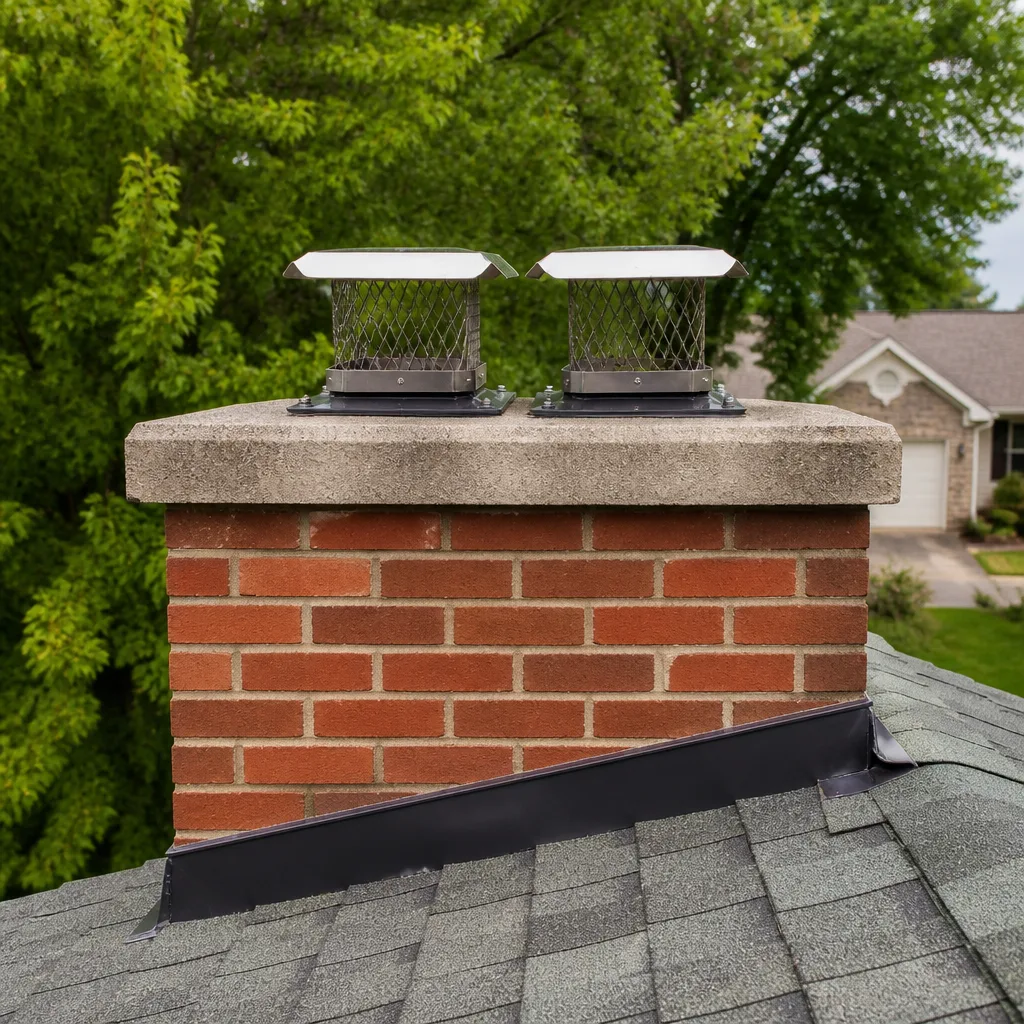
Corona gets wind, and a cap takes the brunt of it. A cap that’s loose, dented, or missing has two problems: debris and animals get in, and rain gets down the flue. After any significant storm, look at the cap from the ground. A cap that’s visibly tilted or separated from the flue should be repaired or replaced rather than pushed back into place. We use Gelco and Famco components for cap and crown work because those parts carry manufacturer specifications, which matters when a cap has to shed water and stay attached for years.
Damper Lubrication
The damper is a moving metal part in a dirty, hot environment, and it can seize if it’s ignored. A stiff damper is a fire waiting to smoke into the room. Your technician can check the damper operation during the pre-season visit and lubricate it as part of routine maintenance. If the handle is hard to move, say so at booking.
Mortar Joint Checks After Winter
Winter moisture works on mortar joints, especially at the crown and at the exterior seams. Run a finger or a screwdriver handle along the visible joints at the end of the season. Soft, crumbling, or recessed mortar means the joint needs repointing. Catching it in the spring means the repair is small; catching it in the fall means it’s been raining into the wall for months. Larger structural issues belong with a dedicated chimney repair assessment rather than a sweep.
The Crown and Flashing
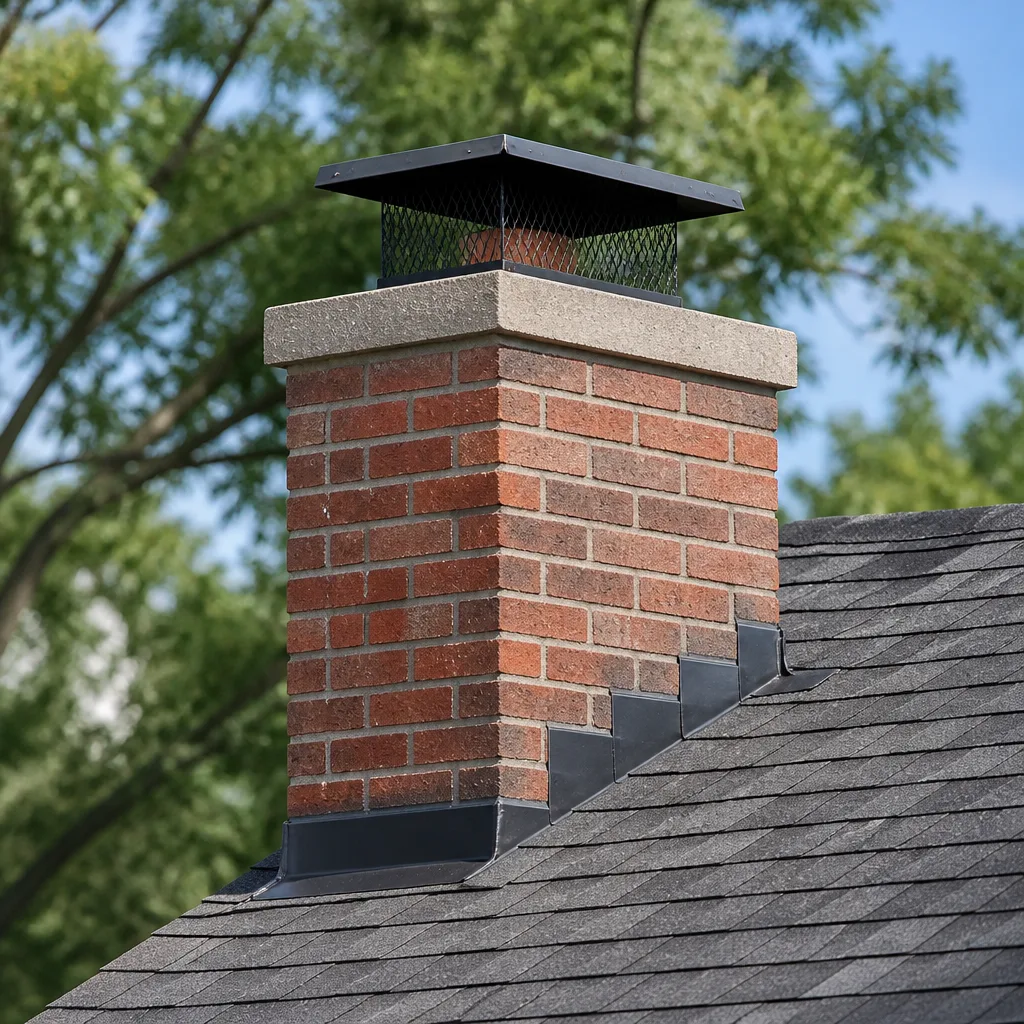
The crown is the concrete cap at the top of the chimney that sheds water, and the flashing is the metal that seals it to the roof. Both fail slowly and both fail quietly. A hairline crown crack is a spring repair; a failed crown is a rebuilt top. The flashing check is worth doing once a year, at whatever point you’re on the roof.
Gas Fireplace Maintenance on the Same Calendar
Most maintenance guides treat gas fireplaces as an afterthought, which is backwards. A gas system has no creosote, but it has its own wear items and its own reasons for a scheduled check. The calendar structure is the same; the tasks change.
What a Gas Fireplace Needs
A gas fireplace still has a flue or a vent termination, and both can be blocked. Birds nest in vent terminations, and a blocked vent is a carbon monoxide path. The gas logs, the burner, and the pilot assembly accumulate dust and debris that affect performance. The glass front gets cloudy and needs cleaning, and the refractory logs should be checked for cracks or deterioration. None of those tasks require a chimney sweep exactly, but they require the same scheduled attention.
What the Calendar Looks Like
Before the first use of the season, have the system inspected and the vent termination checked. During the burn season, watch for a flame that looks different, a smell, or a burner that’s slow to light. Those symptoms call for a service visit rather than waiting for the next scheduled check. A gas log set has a manufacturer’s recommended service interval; follow it, and treat the annual pre-season check as the minimum.
The Carbon Monoxide Point
Gas fireplaces are one of the reasons a working carbon monoxide alarm on every level of the home matters, and that’s simply true regardless of the appliance. The alarm isn’t a substitute for maintenance; the maintenance is what keeps the alarm from being the thing that tells you about a problem.
Whether your system burns wood or gas, the principle is the same: inspect after the season, service before it, and watch in between. If your gas logs or burner need attention, that falls under Chimney Sweep Corona and the wider service offering, and it belongs on the same annual rhythm as everything else.
Common Mistakes to Avoid
- Booking the sweep in October. You’re joining the busiest stretch of the year and giving a spring problem a whole summer to grow. Book in August, when the calendar is open and the diagnosis has time to be acted on.
- Skipping the post-season inspection. A spring inspection exists to catch winter damage and document the flue while the details are still fresh. It’s the appointment that saves the money, not the one that costs it.
- Treating the sweep as the whole system. A clean flue with a cracked crown and a seized damper isn’t a maintained chimney. Sweeping and inspection are two different jobs.
- Burning unseasoned wood because it’s what’s on the rack. Wet wood produces cool fires, and cool fires load the flue at a much faster rate. It’s the quietest way to move your sweep date up.
- Pushing a loose cap back into place. A cap that’s come loose has a failing connection, and pushing it back doesn’t fix that. Have it checked and re-seated or replaced with specified hardware.
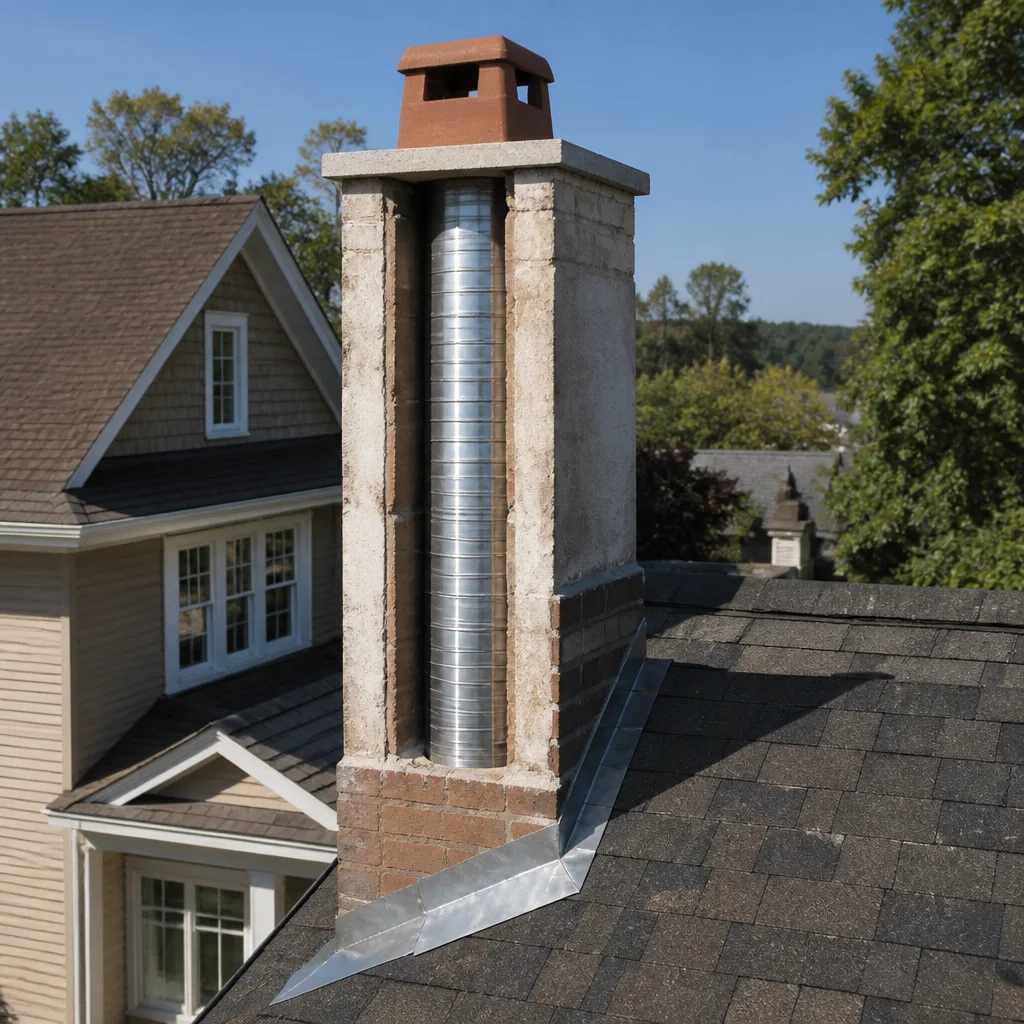
- Choosing a liner solution before anyone has seen the flue. The right liner solution depends on your flue’s condition, and that condition has to be documented first. Any recommendation made before an inspection is a guess.
- Assuming a recently purchased home is ready. A fireplace that passed a visual glance during the sale hasn’t been assessed. A Level 2 inspection before the first fire is the way to know what you own.
When to Call a Professional
Call us when the calendar says it’s time, and call sooner when something changes. A spring inspection belongs on the books around March or April; the pre-season sweep belongs in August or September. Beyond the dates, the signals are specific: smoke rolling back into the room, a damper that won’t move, a cap that looks wrong from the ground, a fire that behaves differently than last year, or a home you’ve just bought with a fireplace you haven’t had assessed. A chimney fire, a storm that hit the top of the chimney, or visible damage to the crown or flashing all warrant a Level 2 inspection rather than a routine visit.
Chimney Sweep Corona offers free estimates. Call (833) 968-1177. We answer 24/7. Fast dispatch from 7am to 7pm, Sunday through Friday. The estimate is free and the price is set per job by the written estimate, so you know exactly what the work involves before anything starts. Our technicians have up to 9 years of experience, and we specify DuraFlex and HeatShield materials so the right product goes into your flue rather than whatever is cheapest.
See the difference
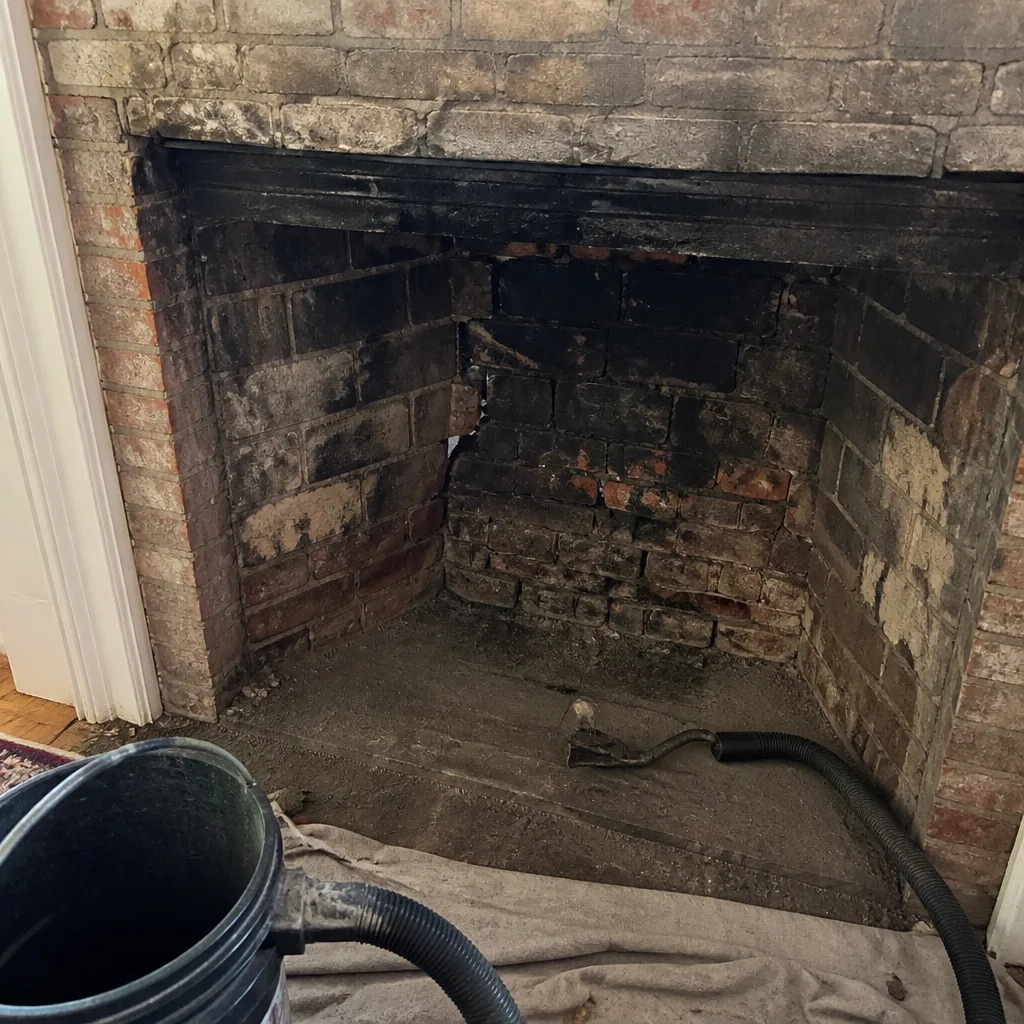 Before
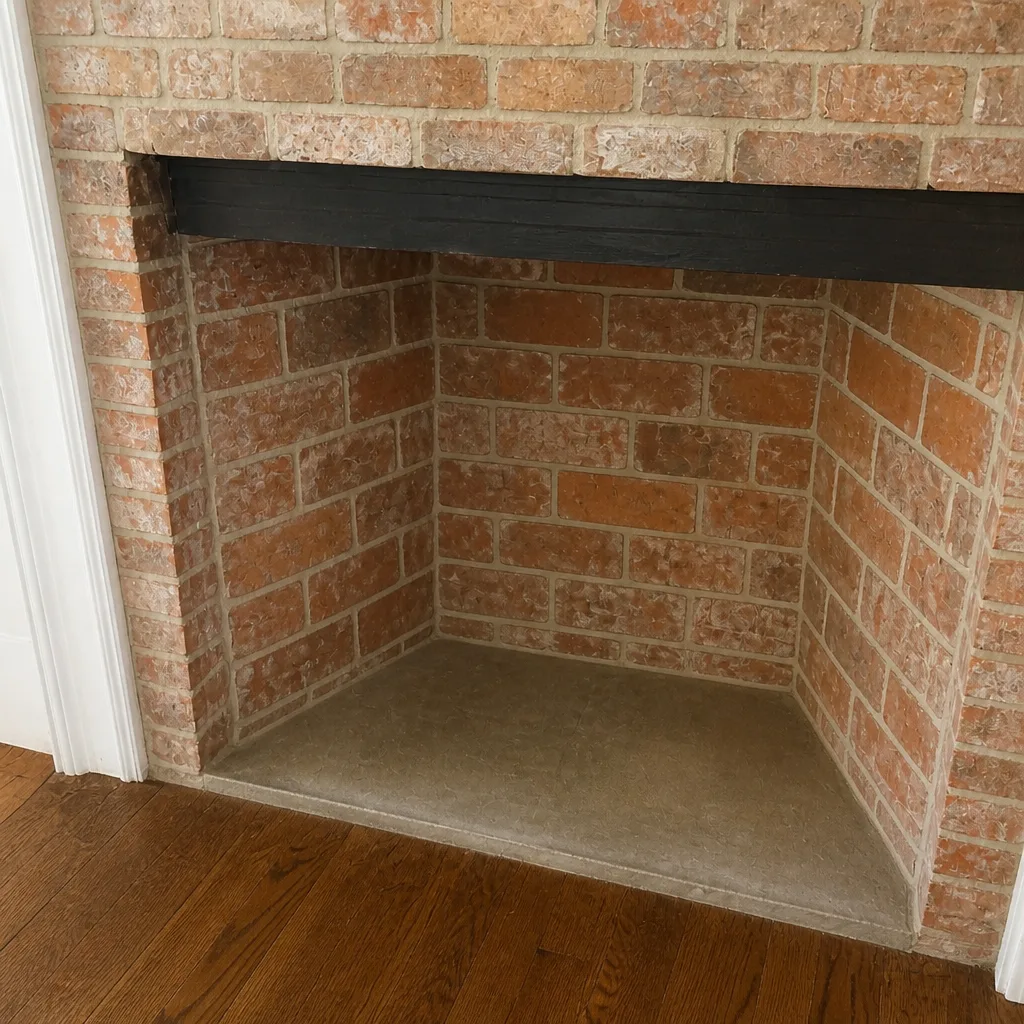 After
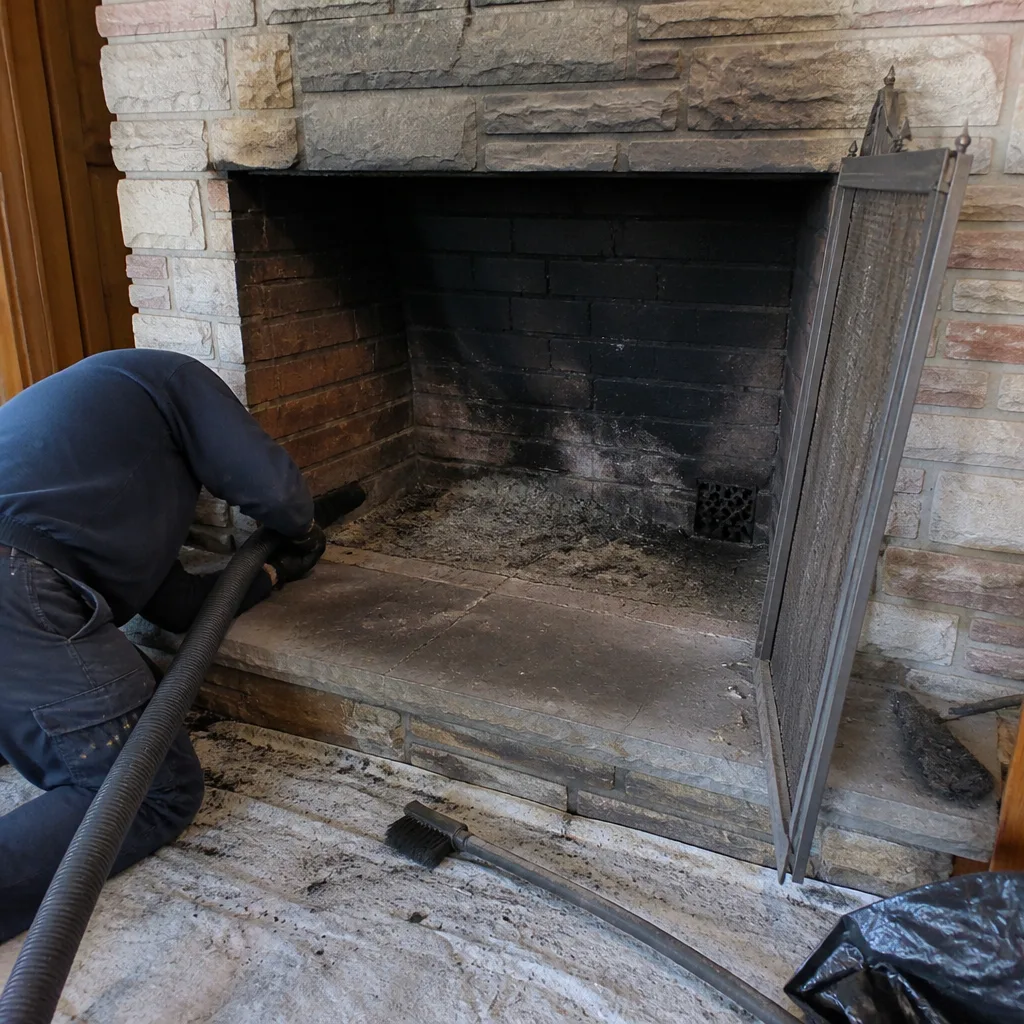 Before
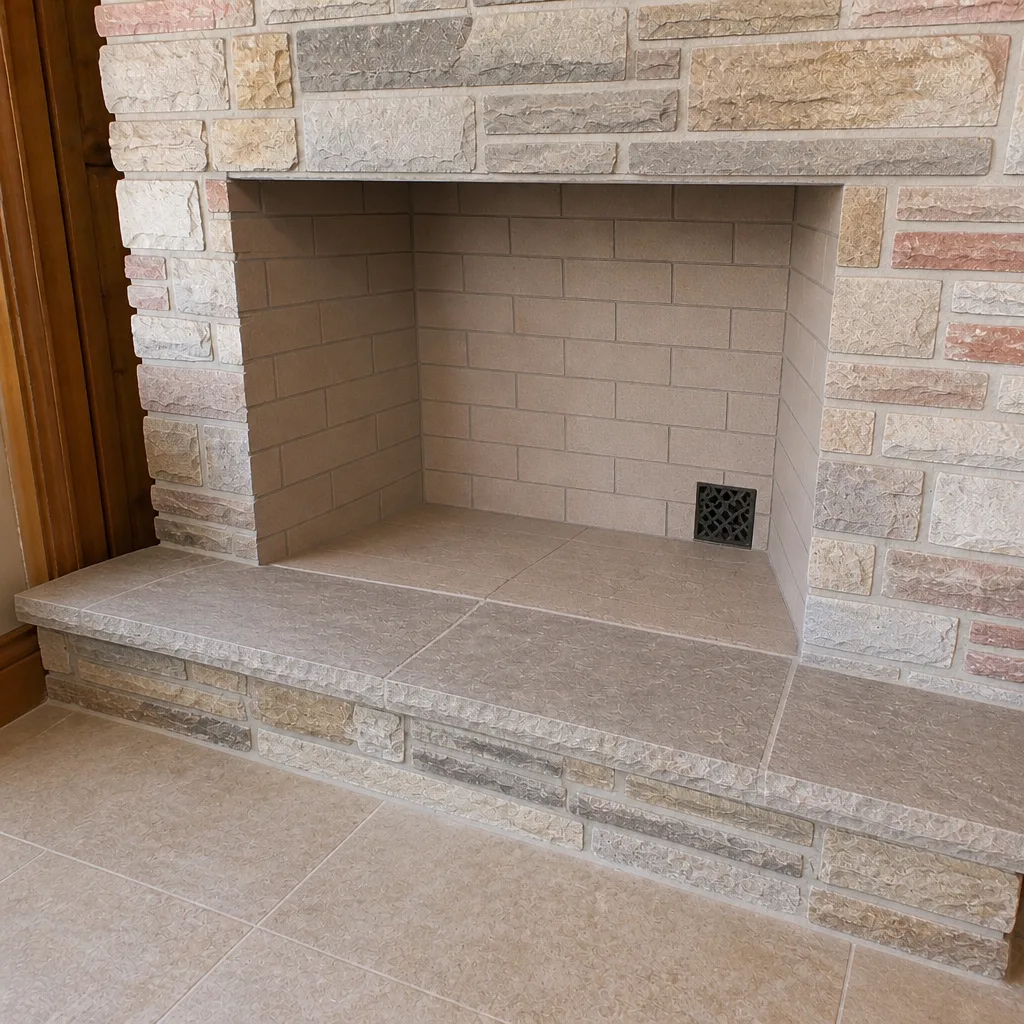 After
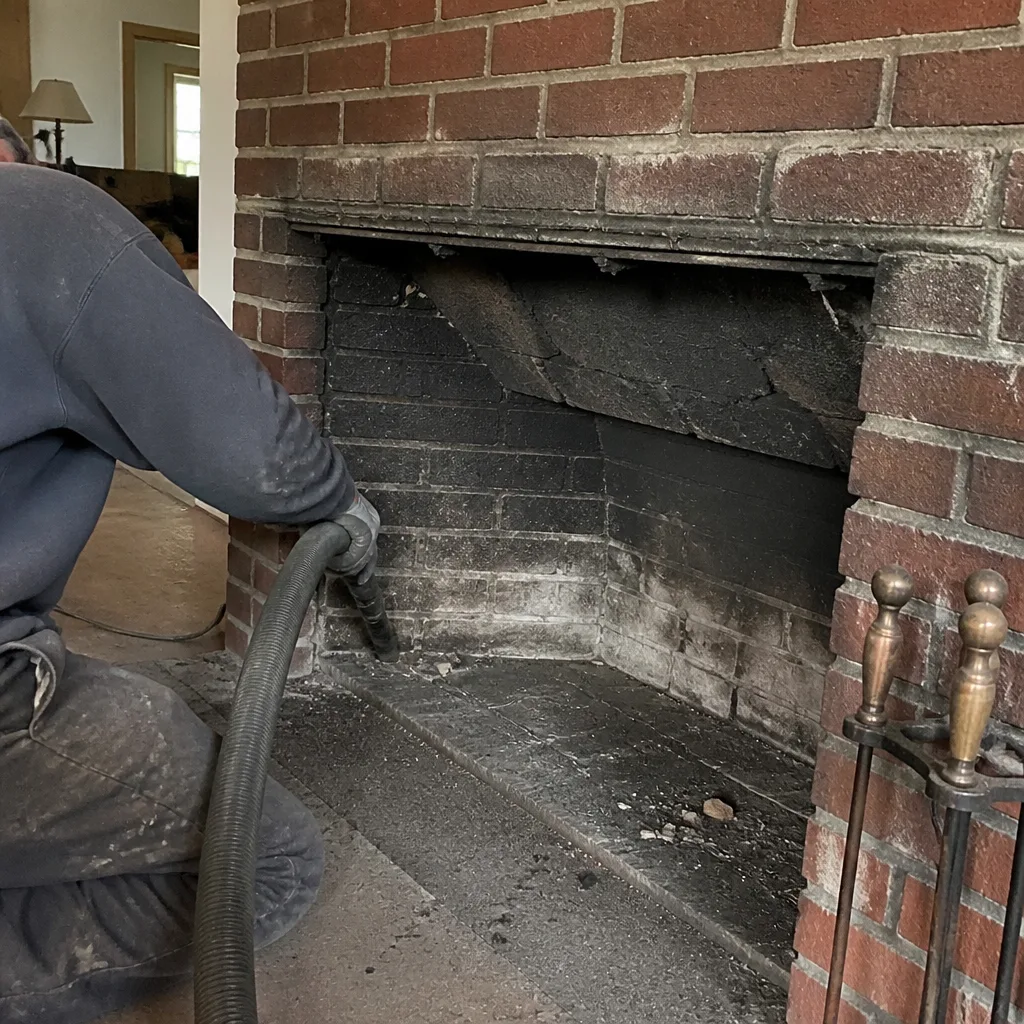 Before
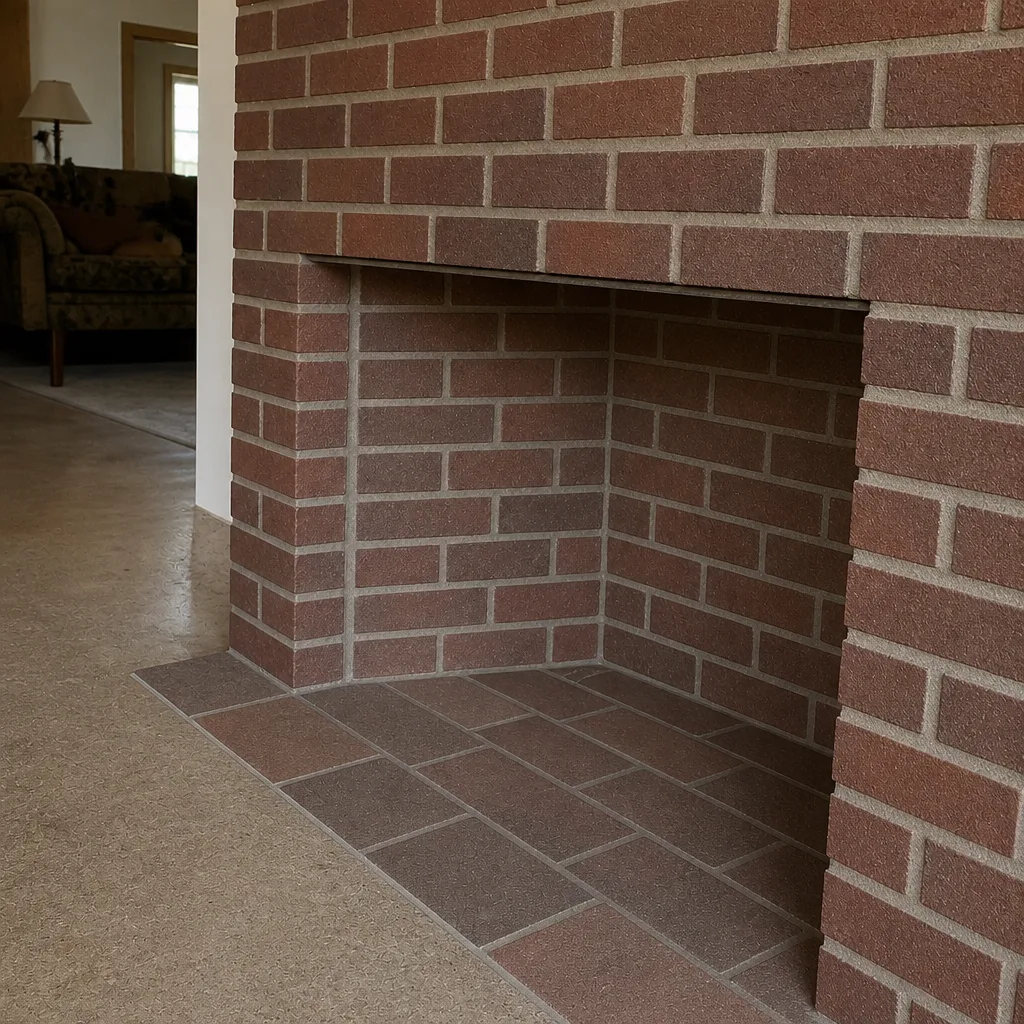 After
Frequently Asked Questions
Annual inspection is the baseline, and sweeping happens when the inspection shows enough creosote to justify it. A homeowner burning seasoned wood a few times a season may only need a sweep every couple of years, while a heavy burner may need one each year. The inspection is what sets the schedule for your specific flue, not the calendar alone. Call (833) 968-1177 for an exact quote on a sweep; estimates are free.
A Level 1 covers the accessible parts of the system during routine service, a Level 2 adds a camera view of the flue interior and is triggered by a change in the system, a real estate transaction, or an event like a chimney fire, and a Level 3 opens up concealed areas when a specific problem can’t be assessed any other way. Most annual visits are Level 1. Buying or selling a home with a fireplace usually calls for Level 2.
Yes. Sweeping and inspection are separate services, and you can book a sweep on its own if that’s what you need. That said, a sweep without any inspection tells you the flue is clean; it doesn’t tell you it’s sound. A standalone inspection gives you documented findings you can act on, which is why we offer it independently rather than only bundled with a sweep.
Watch the fire, not the calendar. A fire that’s harder to start, smoke that rolls into the room, or dark glazed deposits you can see in the firebox all point to a loaded flue. Heavy burning with unseasoned wood is the fastest route to needing one early. Call (833) 968-1177 if you’re unsure; estimates are free.
Yes. No creosote doesn’t mean nothing to check. The vent termination can be blocked by birds or debris, the burners and logs accumulate dust, and the glass and pilot need attention. A blocked vent is a carbon monoxide path, which is the reason the annual pre-season check matters for gas systems too.
Small defects have time to grow. A hairline crown crack or a soft mortar joint that would be a minor repair in spring can let water into the structure all summer before anyone sees it, and heavy creosote that goes unaddressed raises the fire risk when you light the first fire. The inspection isn’t a sales call; it’s the appointment that keeps everything else small. Call (833) 968-1177 to get on the calendar; estimates are free.
The Bottom Line
The NFPA’s annual recommendation is a floor, not a schedule. The working version has two anchors: a post-season inspection in spring to catch winter damage and document the flue, and a pre-season sweep in late summer so the system is clean and verified before the first fire. Between those, cap checks after storms, damper lubrication, mortar joint reviews, and the same annual rhythm for gas fireplaces keep the whole system sound. Get the inspection on the books, choose the liner solution from evidence rather than a guess, and keep the calendar running. That’s maintenance.
Written by the team at Chimney Sweep Corona.