
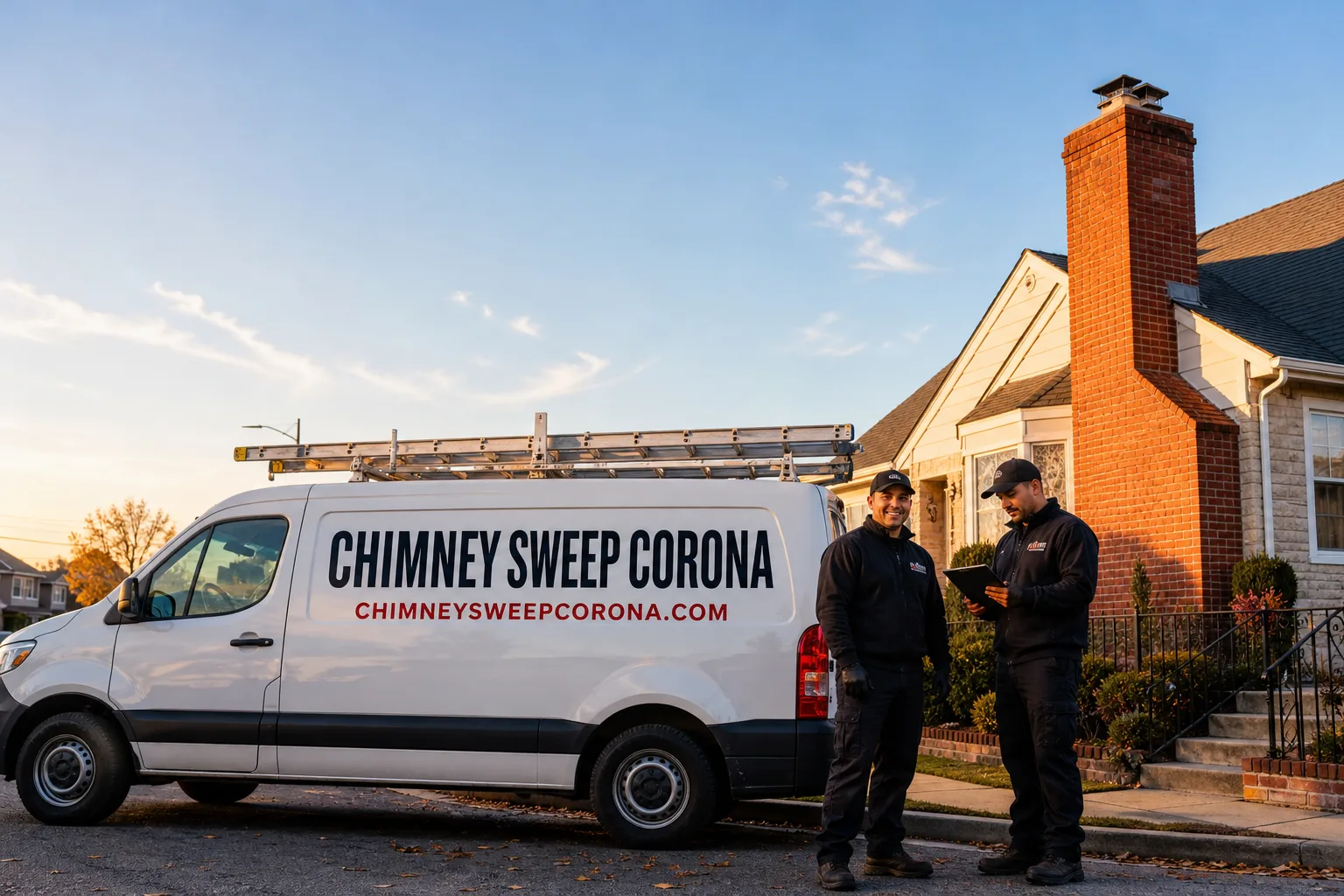
 Sweep & inspection
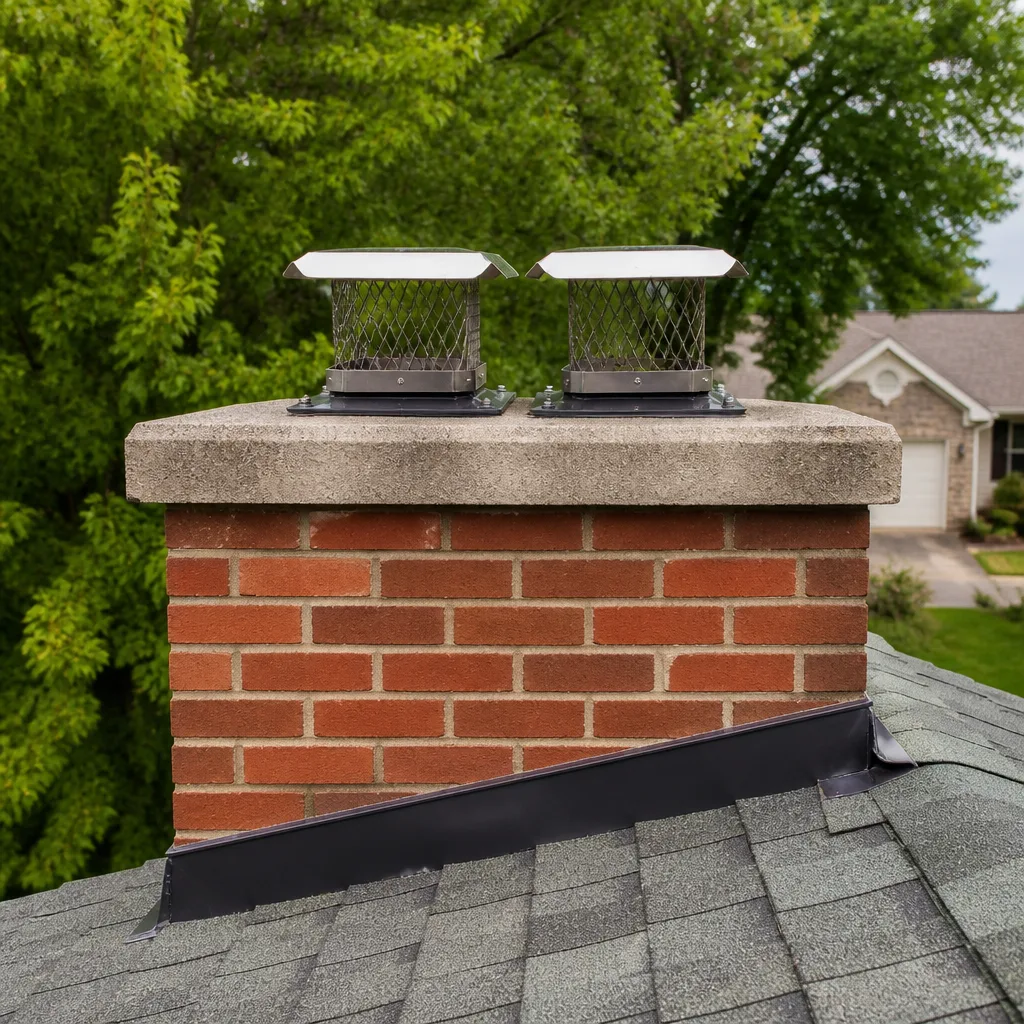
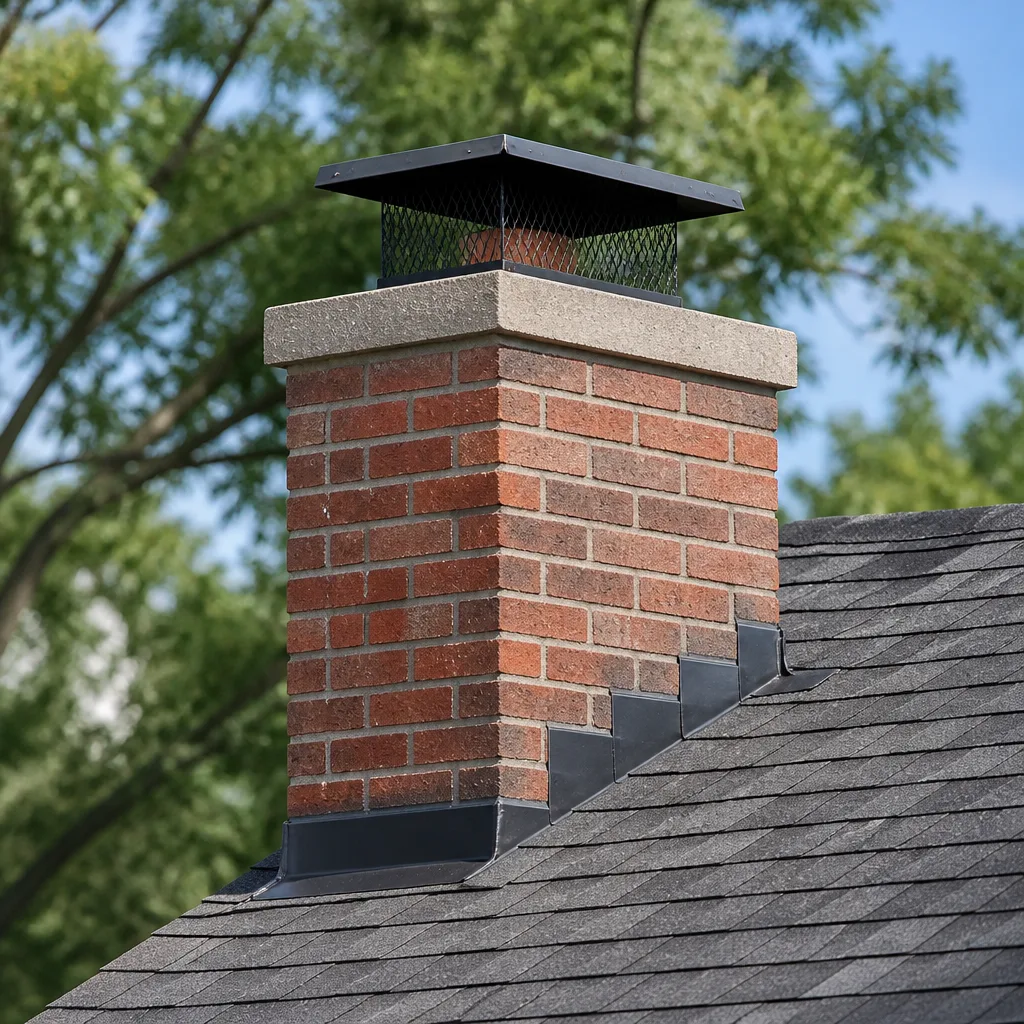 Caps & crowns
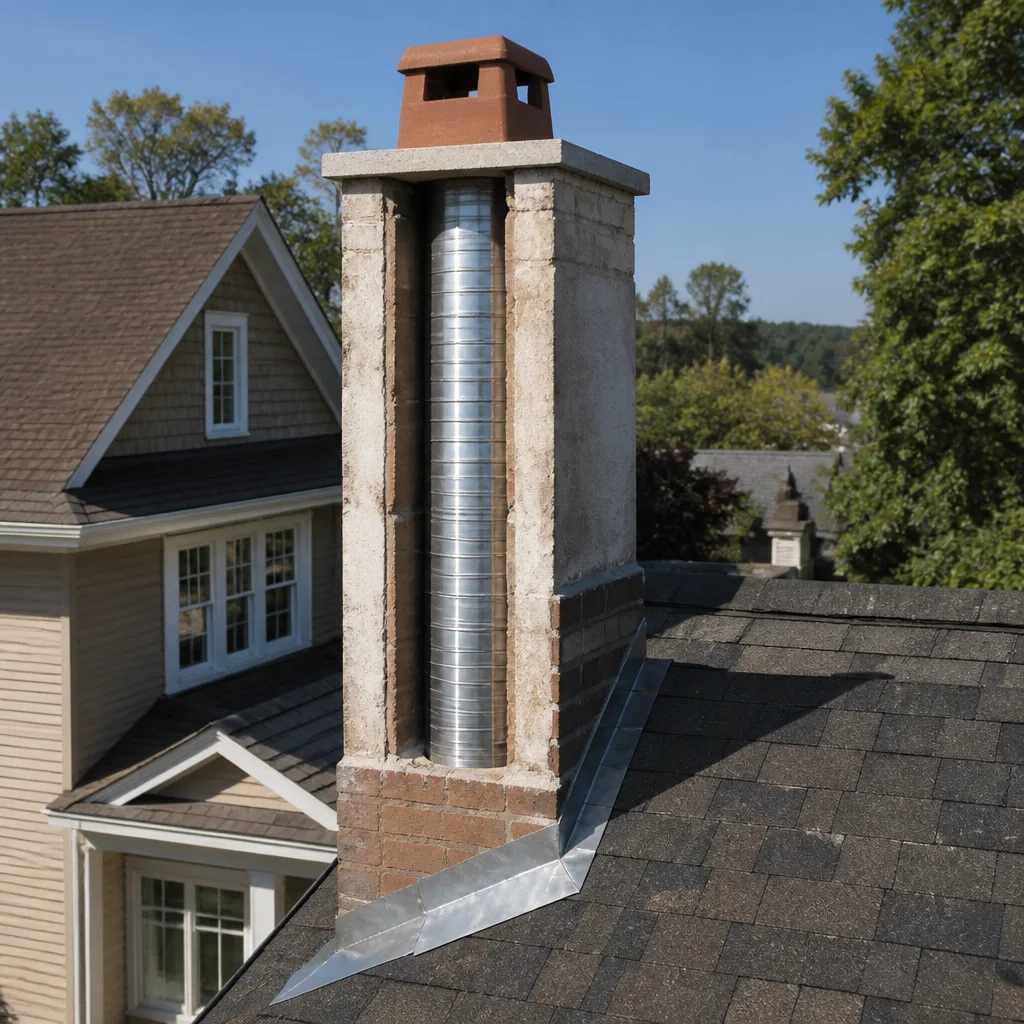 Flue relining
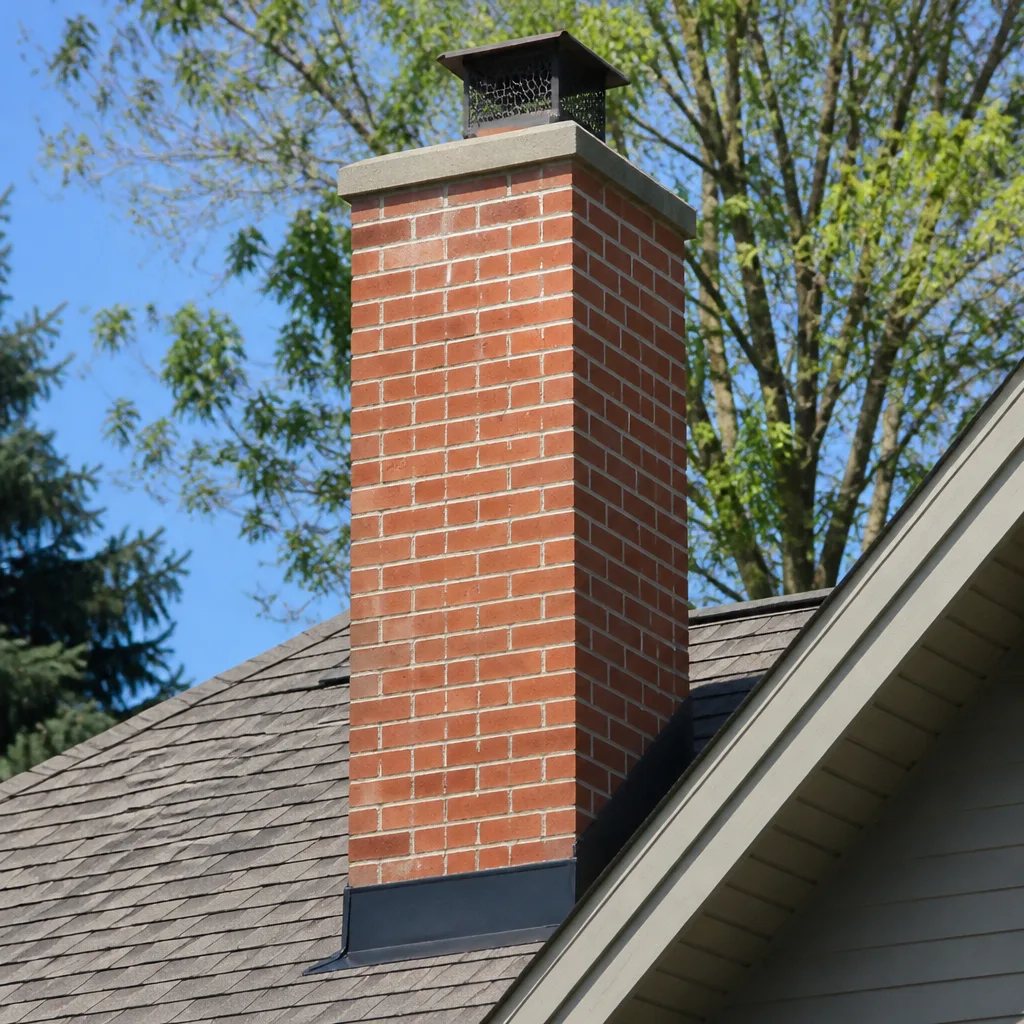 Masonry repair
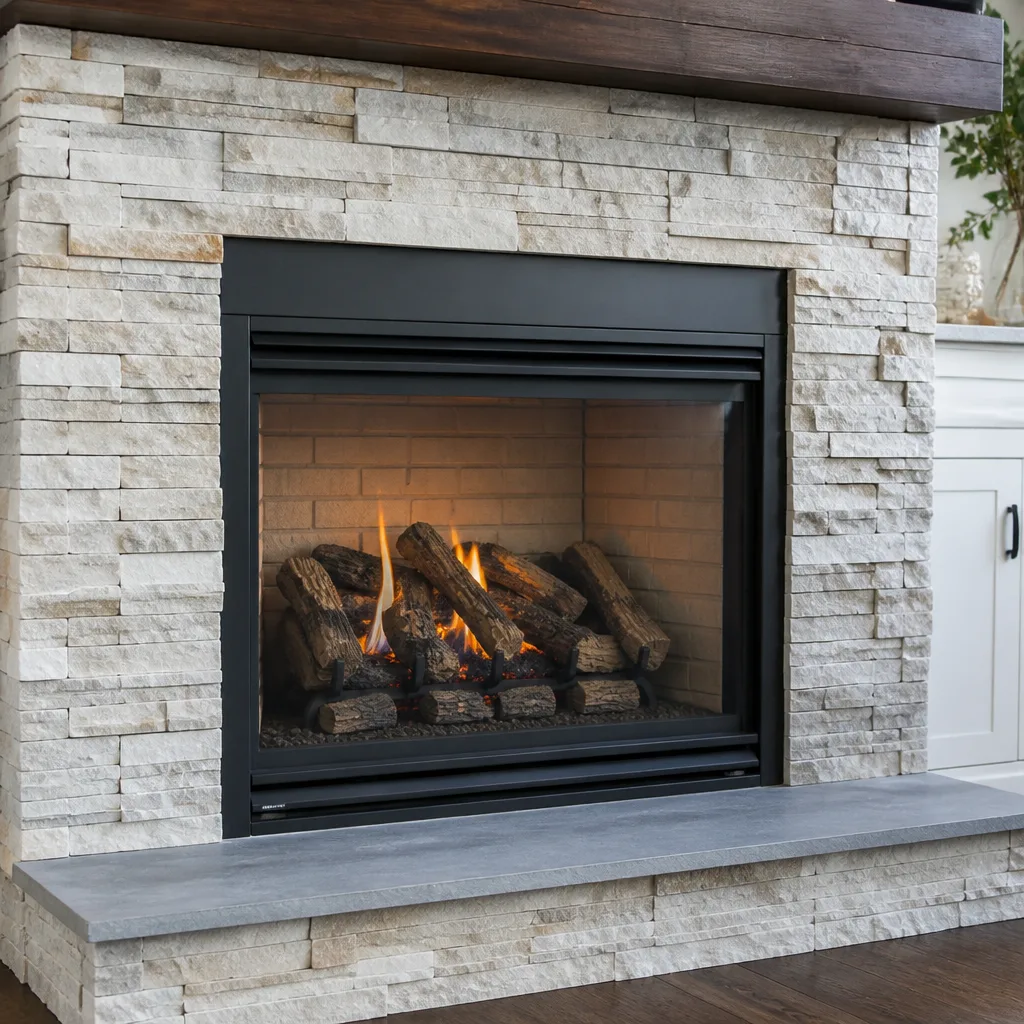 Gas fireplace service
Level 1 sweep and inspection to the NFPA 211 annual standard - flue, crown, cap, and flashing checked and photographed
Chimney sweep logs do not sweep chimneys. They loosen some creosote - which then falls where a brush and vacuum still have to collect it.
Fast, Reliable Fireplace Repair Across Country Club
Fireplace repair in Country Club starts with understanding what these chimneys go through. This is a waterfront-exposed, Throgs Neck-adjacent neighborhood of 1920s through 1940s brick Colonials and Tudors, and the salt-laden damp air off Long Island Sound works on exterior chimney stacks year after year. You can see it on the windward side after the first hard freeze: white salt bloom, faces flaking off the brick, mortar joints going soft. That’s not cosmetic. It’s the edge of the chimney failing, and it changes what a repair actually involves here. We handle the whole system, from the crown down to the firebox. Call (833) 968-1177. We answer 24/7. Fast dispatch from 7am to 7pm, Sunday through Friday.
Why Country Club Homeowners Call Chimney Sweep Corona for Fireplace Repair
Country Club is a particular kind of place to work on chimneys. The lots are mature and tight, the houses are close together, and the trees have had decades to grow into the setback. That means most cleanings and inspections happen from the roof or with an extended pole worked up from the hearth, and a technician who doesn’t plan for that will miss things. We send people who know the difference. Our technicians have up to 9 years of experience, and they’ve handled enough of these single-wythe brick chimneys to recognize salt spalling the moment they probe a mortar joint.
Just as important, we treat an inspection as a real starting point rather than something tacked onto a sweep. If a fireplace isn’t drafting right, or a damper won’t seat, or there’s a crust on the flue liner a brush won’t touch, you should see the evidence before anyone quotes you a big repair. We document what we find so you can look at it yourself and decide. From the crown to the firebox, one contractor is accountable for the whole system, which matters when the problem could be masonry, a liner, a damper, or the firebox itself, and you don’t want three different trades guessing.
Styles & brands we work with
- Sweep & inspection
- Caps & crowns
- Flue relining
- Masonry repair
- Gas fireplace service
Our Fireplace Repair Services in Country Club
We cover the full range of fireplace repair, but some problems come up more often in Country Club than others. Here’s what we handle and what tends to go wrong.
Wood Burning Fireplace Repair
Wood is still a working heat source in a lot of these Country Club homes, and shoulder-season burning in original brick fireplaces builds creosote faster than most people expect. When an open fireplace smokes into the room, or the fire struggles to draw, the cause is usually the flue, the damper, or the smoke chamber rather than the firebox itself. We diagnose which, then fix it.
Firebox Repair
Original fireboxes in Country Club’s 1920s to 1940s houses were built to last, but they weren’t built to last forever. Mortar joints between the firebrick erode, and spalling on the firebox walls lets heat reach the surrounding masonry. We rebuild firebox joints and repair deteriorated brick so the firebox stays sound and the heat stays where it belongs.
Damper Repair
A damper that’s stuck open sends your heat straight up the chimney all winter. One that’s stuck shut means you can’t safely light a fire at all. In these older Country Club homes the damper often rusts in place or loses its seat after decades of use, and we repair or replace it so it opens, closes, and seals the way it should.
Gas Fireplace and Insert Service
Many Country Club fireplaces have been converted to gas or fitted with an insert, often tied into older flues that were never sized for the appliance. We service gas fireplaces, pilot light problems, and inserts, and we check that the venting matches the appliance rather than assuming it does. If your insert was installed into a chimney built for wood, that check is worth making.
For the full picture of what our fireplace repair team covers, that page breaks down every service in detail.
Trusted Brands We Service in Country Club
Material choice is where a lot of fireplace and chimney work quietly goes wrong. We specify and install products from professional-grade chimney brands, including HeatShield for liner restoration, Olympia Chimney for liner and venting components, and Gelco and Famco for cap, crown, and flashing hardware. These are brand-traceable parts with manufacturer specifications behind them, not anonymous components pulled off a shelf. We don’t claim to stock parts locally, but we work with these lines regularly, which keeps turnaround reasonable when a repair needs a specific component. The right material for your flue’s condition is the one we specify, and we can tell you why we chose it.
Common Fireplace Repair Problems We See in Country Club Homes
These aren’t hypothetical. They’re the recurring failures in this neighborhood’s housing stock and climate.
- Salt bloom and face-spalling on windward stacks. After the first hard freeze, exterior brick on the Sound-facing side of a Country Club chimney often shows a chalky white bloom and flaking faces. Homeowners read it as “just old brick” until a probe sinks into soft mortar. That’s coastal masonry decay, and it needs repointing before it spreads.
- Heavy creosote from shoulder-season wood burning. Original single-wythe brick fireplaces with clay-tile or unlined flues build first- and second-degree creosote faster here than in inland Bronx chimneys, largely because the burning season runs long and cool fires deposit more.
- Glazed third-degree creosote a brush can’t touch. Where a wood stove or open fireplace is used as primary heat, the liner can develop a hard, tar-like glaze. A standard brush passes right over it, which is why scoping matters.
- Stuck or rusted dampers. Decades of use and damp coastal air leave dampers seized open or shut. It’s a small part with a big effect on how the fireplace performs.
Pricing for Fireplace Repair in Country Club, NY
Fireplace repair pricing in Country Club reflects the work these chimneys actually need, and we’d rather give you real ranges than a vague promise. A typical damper repair in Country Club runs $150 to $400, depending on whether the damper can be re-seated or needs replacement. A firebox repointing or rebuild typically runs $400 to $1,200, and exterior masonry repointing on a salt-damaged stack commonly falls between $600 and $1,800 depending on how much brick face has spalled. Creosote removal beyond a standard sweep, including rotary or chemical treatment for glazed creosote, usually runs $300 to $900. Crown repair, which these coastal stacks often need, typically runs $350 to $800. A written estimate sets the final price, and the estimate itself is free. Call (833) 968-1177 for an exact quote.
See the difference
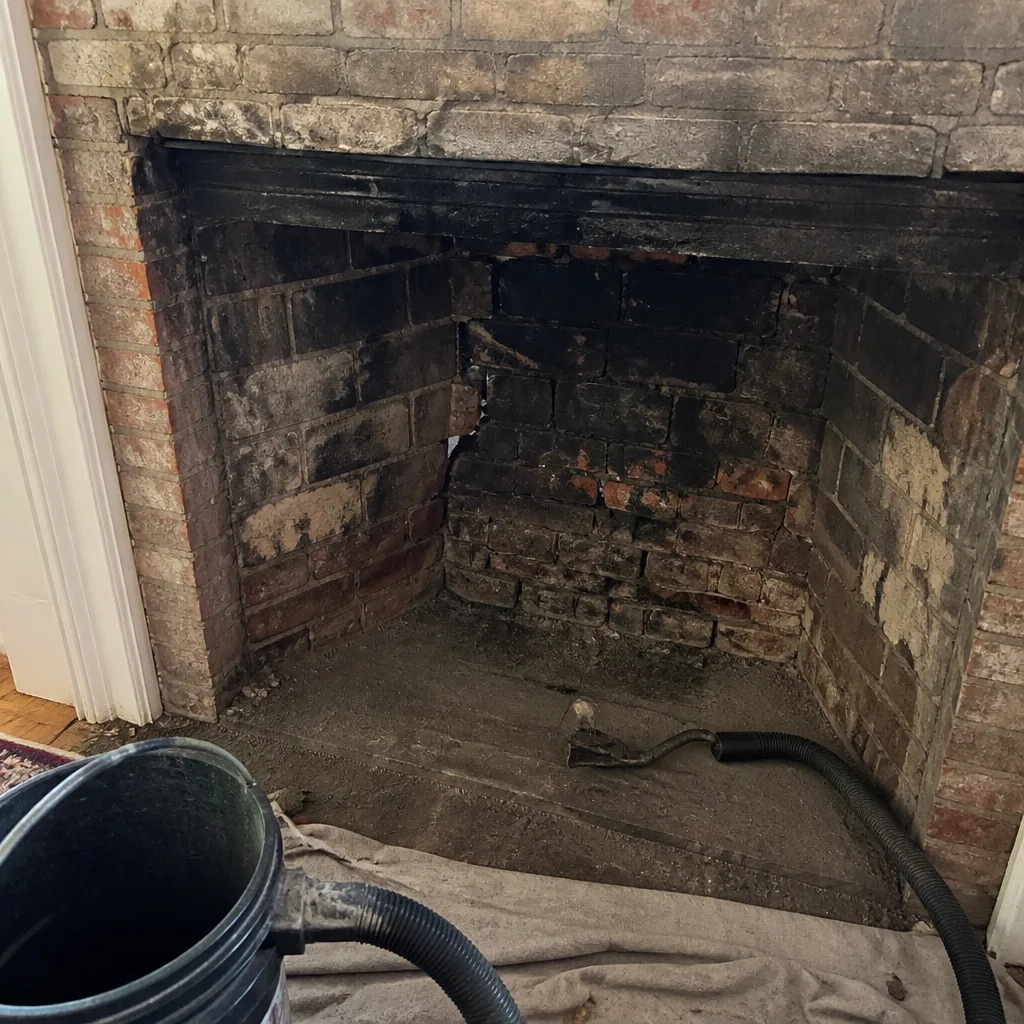 Before
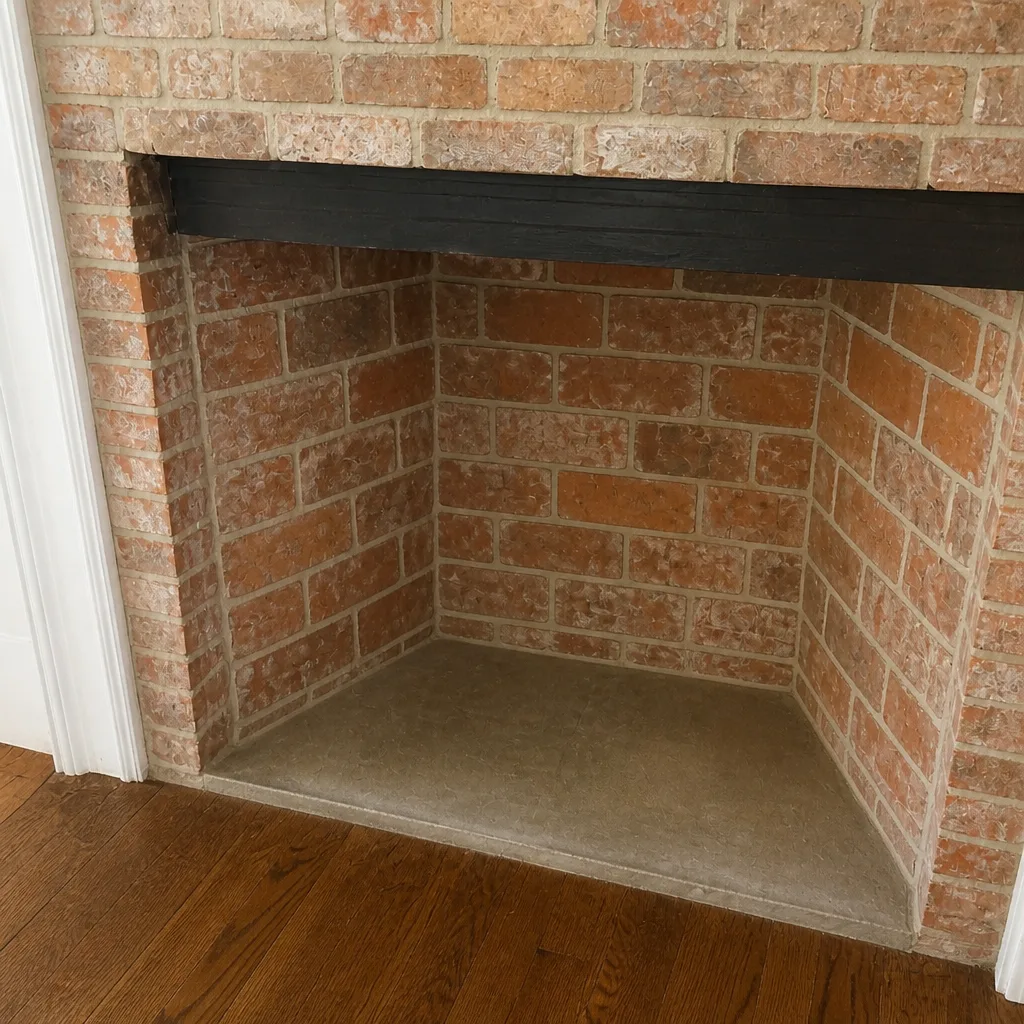 After
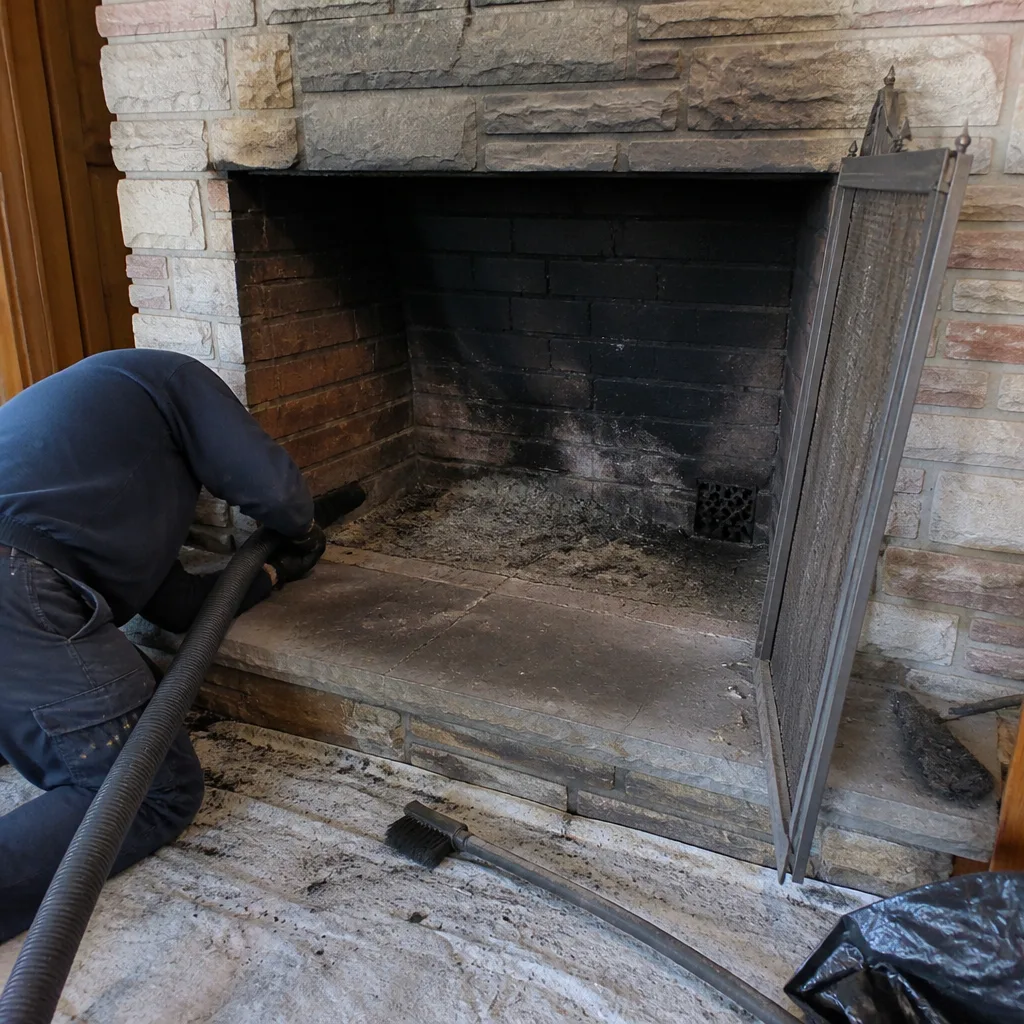 Before
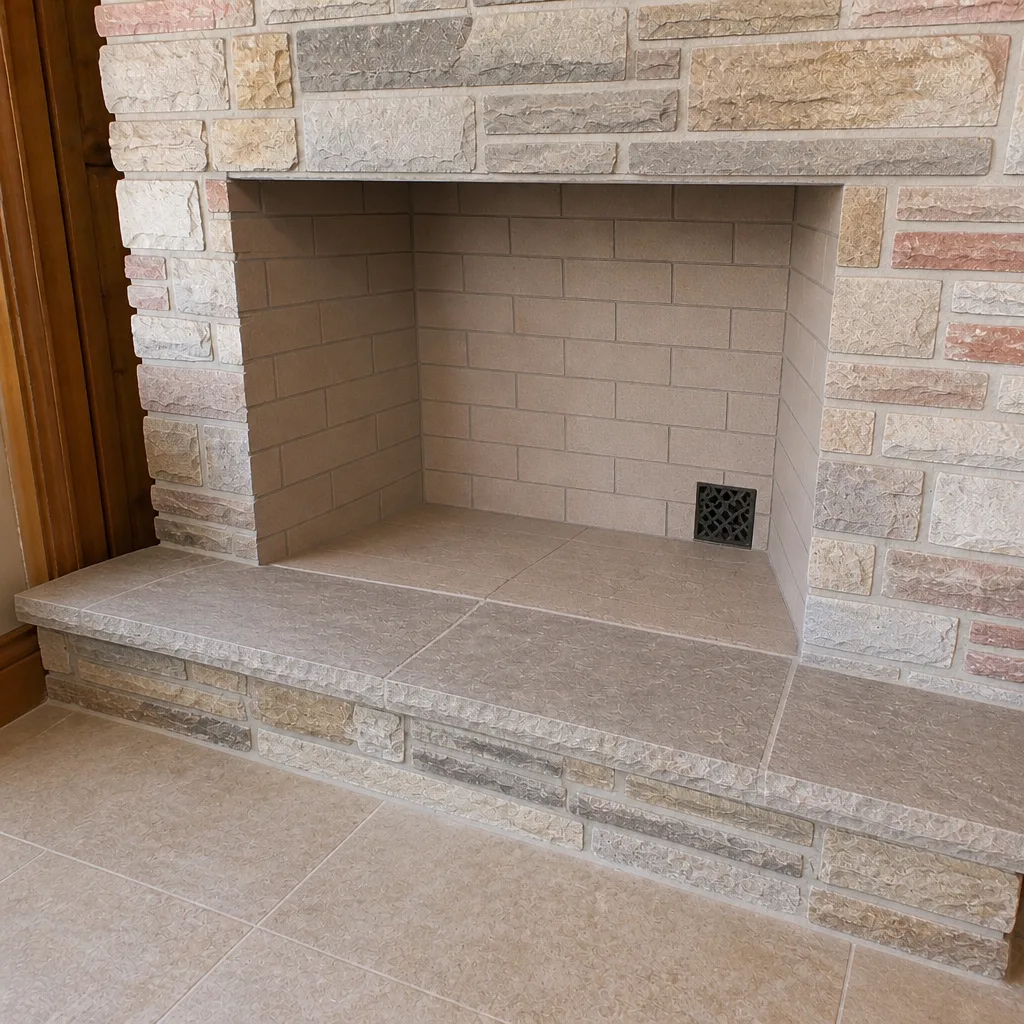 After
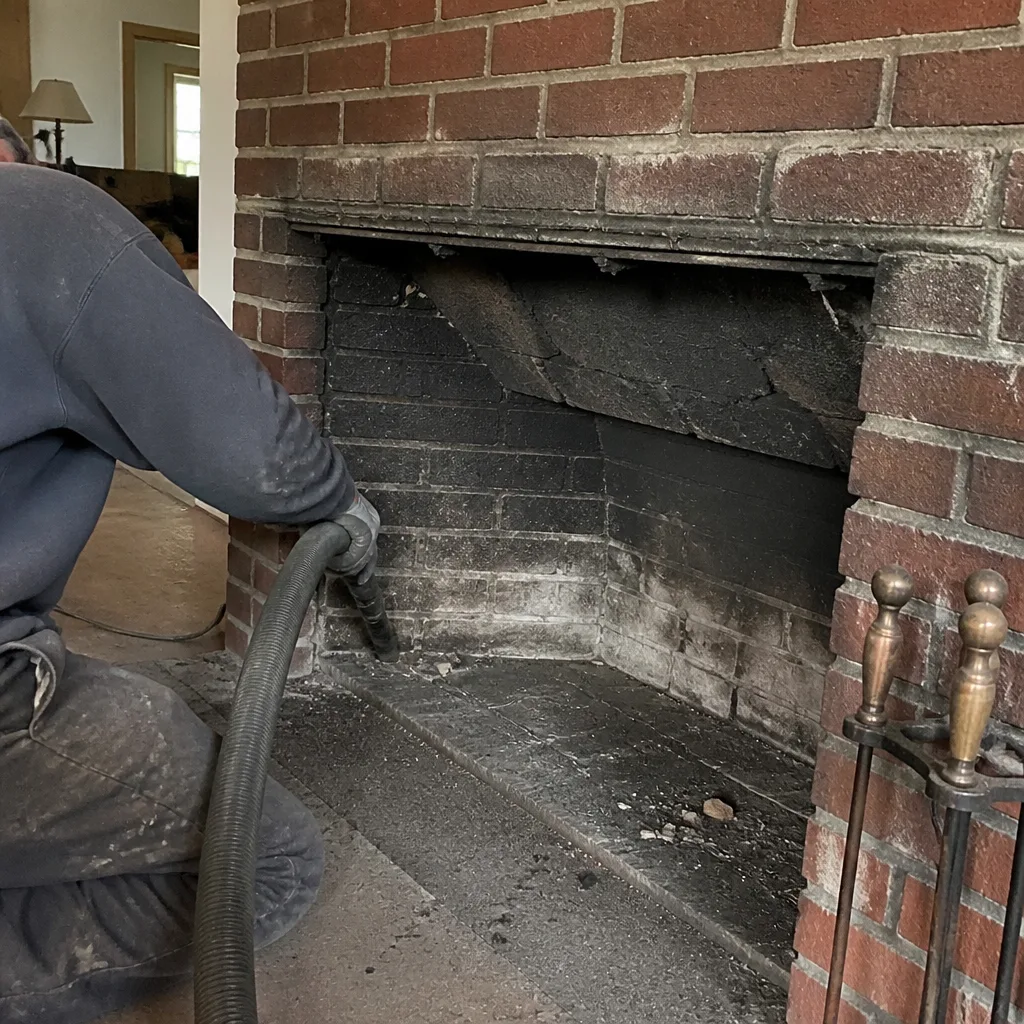 Before
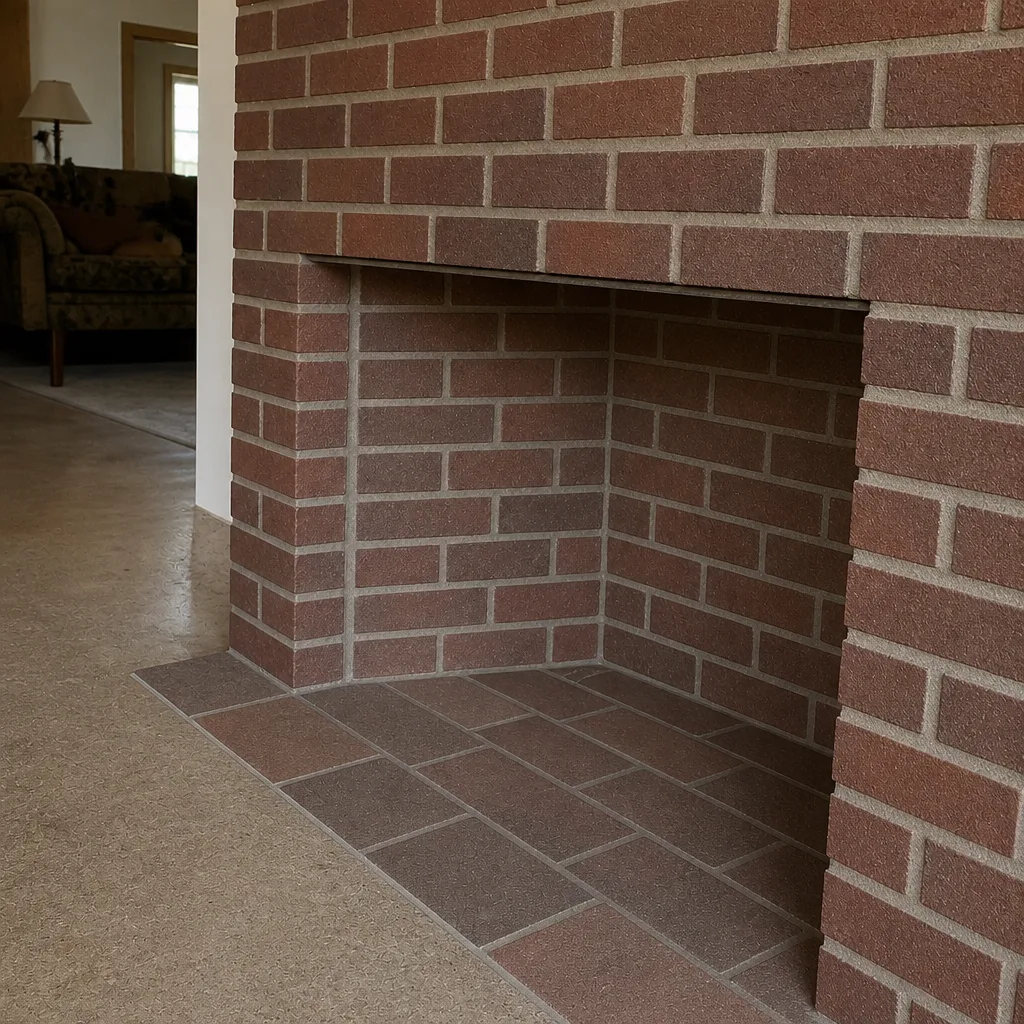 After
We Also Serve Cities Near Country Club
We work throughout Country Club and the surrounding communities. If you’re just outside the neighborhood, we also cover Castle Hill, West Farms, Longwood, and Great Neck Estates. The coastal conditions shift as you move inland, but the standard is the same: see the problem, document it, and fix what actually needs fixing. You can read more about how we work across Country Club and nearby areas on our city page.
Serving Country Club, NY – Our Local Coverage Area
We serve Country Club and nearby communities. Use the map below to see the area we cover. If you’re nearby, we can almost certainly help.
FAQs – Fireplace Repair in Country Club
That white chalky bloom is salt efflorescence and face-spalling driven by salt-laden damp air off Long Island Sound working into the brick and then freezing. The salt draws moisture in, the freeze-thaw cycle pushes it out, and the brick face flakes away with it. It’s a coastal masonry failure inland Bronx neighborhoods like Parkchester or Fordham don’t see at the same rate, and it’s usually mistaken for ordinary aging until a probe shows the mortar has gone soft. Have it looked at before another winter. Call (833) 968-1177 for a free estimate.
If a wood stove is your primary heat in Country Club, plan on sweeping more often than the once-a-year rule of thumb, because continuous shoulder-season burning loads creosote far faster than occasional fires. Many primary-heat setups need attention every few months of active burning rather than annually. The honest answer is that the right interval depends on how much you burn and how well it burns, which is why we scope the flue and look rather than guess. Call (833) 968-1177 to book a sweep and inspection.
No, a standard brush won’t remove glazed third-degree creosote, which is why it’s the most commonly missed problem in these chimneys. Glazed creosote hardens into a tar-like layer bonded to the liner, and a brush passes over it. It takes a rotary head or a chemical treatment to break it down, followed by a proper sweep. Since tight lot spacing here often means cleaning from the roof or with an extended pole, the smoke chamber can hide glaze a quick pass misses entirely. Call (833) 968-1177 for a scoped assessment.
That’s almost always a damper repair, not a firebox repair, though we verify both before quoting. A damper seized open usually means a rusted or worn pivot and seat, and it can typically be repaired or replaced without touching the firebox masonry. If probing shows the firebox joints are also eroded, that’s a separate item on the estimate. We’d rather tell you which it is than bundle work you don’t need. Call (833) 968-1177 for a free estimate.
A cracked crown should be repaired before winter, because once water gets behind it, freeze-thaw widens the crack and the damage moves into the chimney’s brickwork. On Country Club’s windward stacks, a failing crown is often the entry point for the salt spalling you see on the faces below. We use Gelco and Famco crown components so the repair holds to a manufacturer specification rather than a patched-over mix. Call (833) 968-1177 and we’ll take a look.
A Note on How This Work Usually Goes in Country Club
In Country Club’s 1920s to 1940s brick Colonials and Tudors, a wood stove or open fireplace used as primary heat through shoulder season often builds third-degree creosote glaze on the flue liner that a standard brush cannot touch. Because the mature-lot spacing leaves little room for ladder placement, a qualified local pro typically accesses the flue from the roof or works an extended pole from the hearth, then assesses the firebox, damper, and smoke chamber for spalling mortar and salt bloom on the exterior stack. The usual fix combines a rotary head or chemical treatment for the glazed creosote with repointing or crown repair where freeze-thaw and salt air have eroded the brick face. That combination is what separates a real repair from a sweep that leaves the underlying problem in place.
Contact Us for Fireplace Repair in Country Club
If your fireplace isn’t drawing right, your damper won’t seat, or your chimney is showing salt bloom and spalling after the freeze, the best next step is a look and a written estimate. Nothing gets recommended without evidence you can see for yourself, and we’ll tell you plainly when a repair can wait. Call (833) 968-1177 for a free estimate. We answer 24/7. Fast dispatch from 7am to 7pm, Sunday through Friday.
Written by the team at Chimney Sweep Corona.