
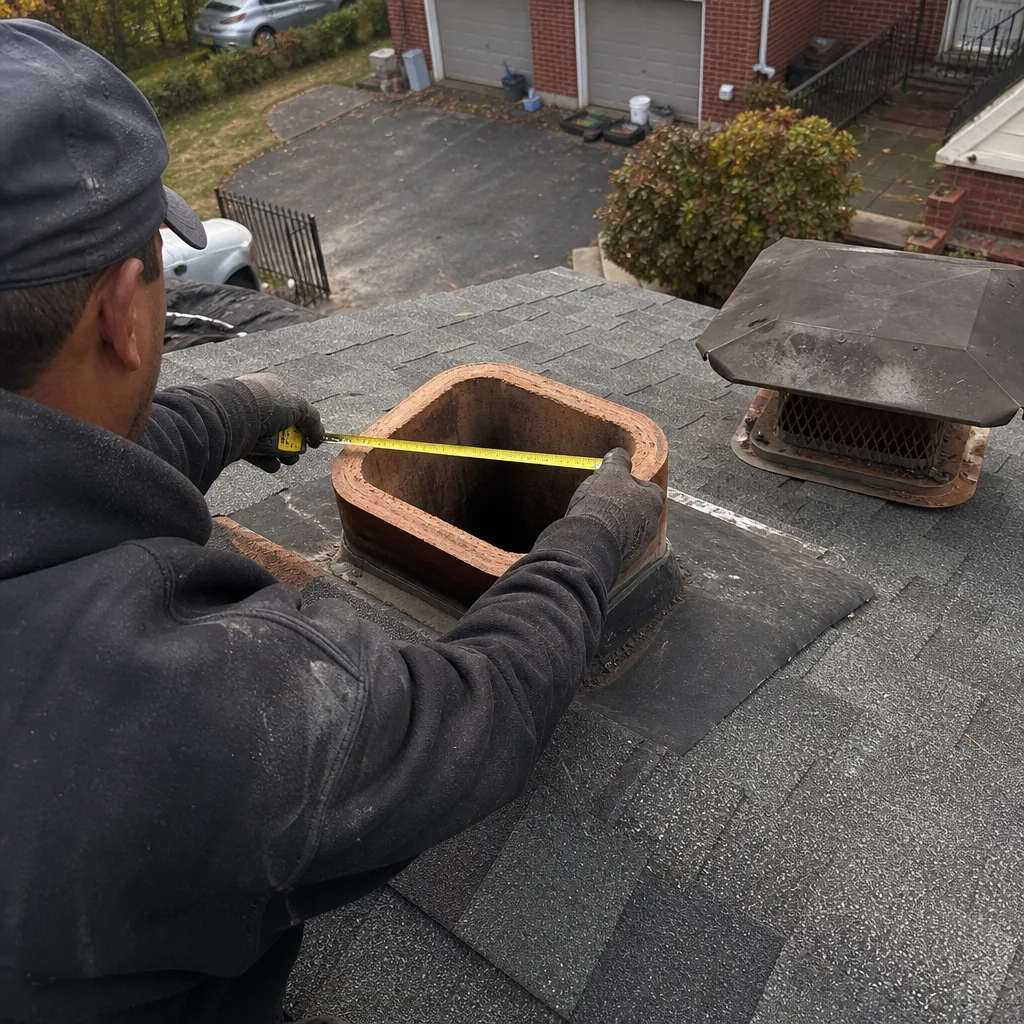
Last updated November 24, 2026
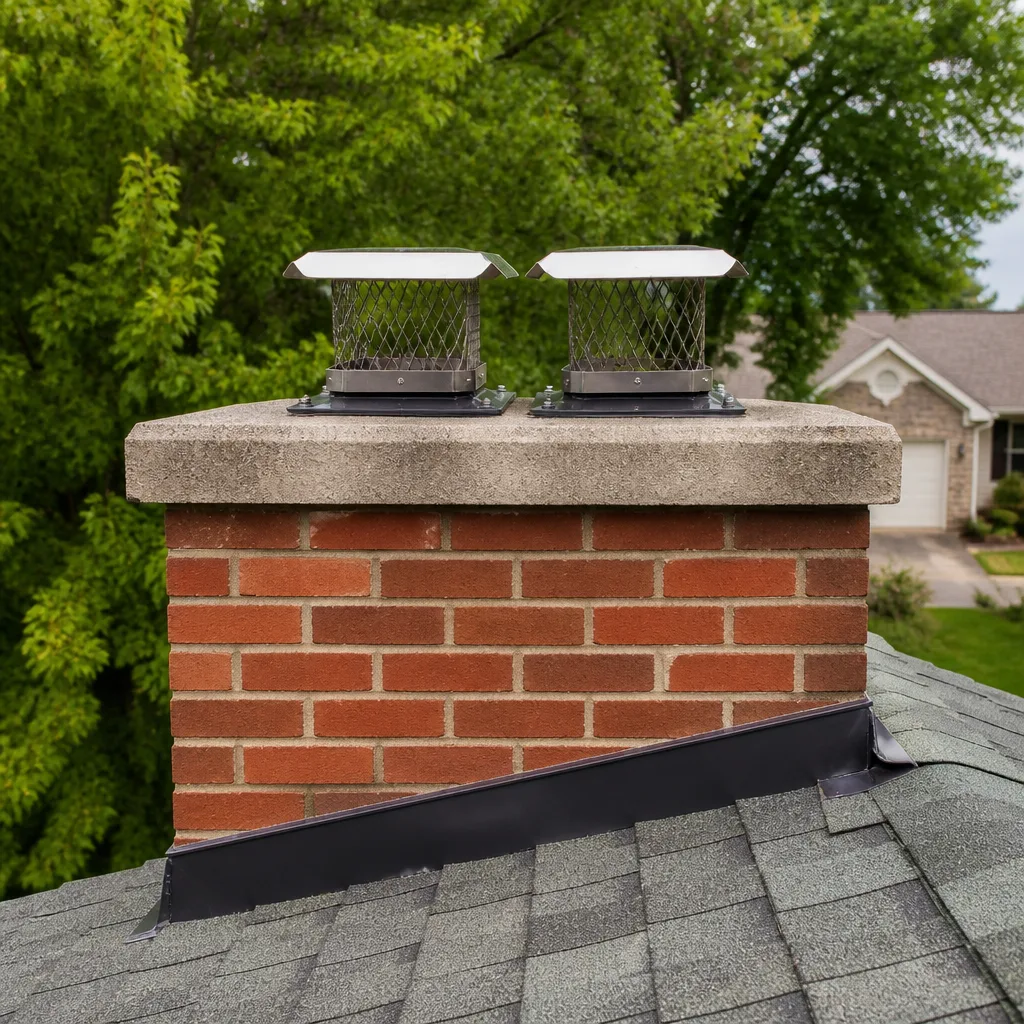 Sweep & inspection
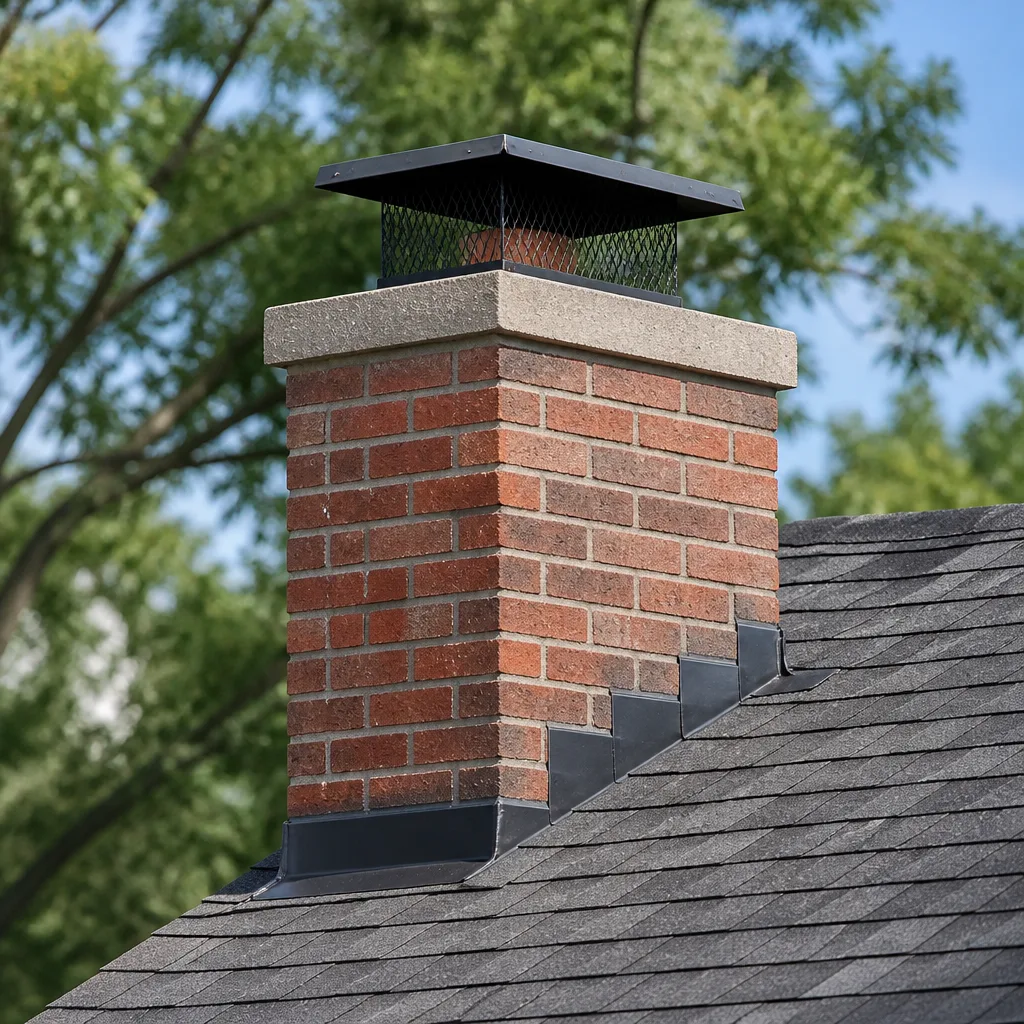 Caps & crowns
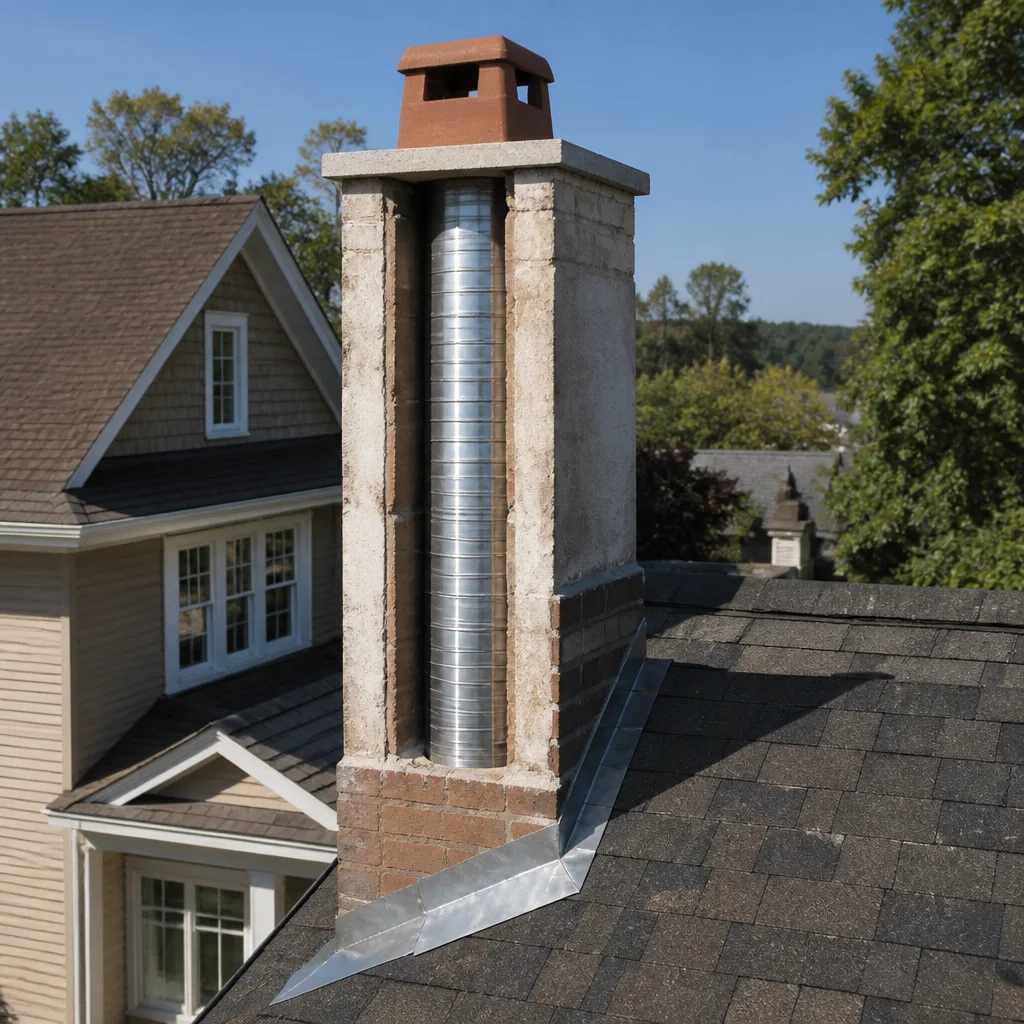 Flue relining
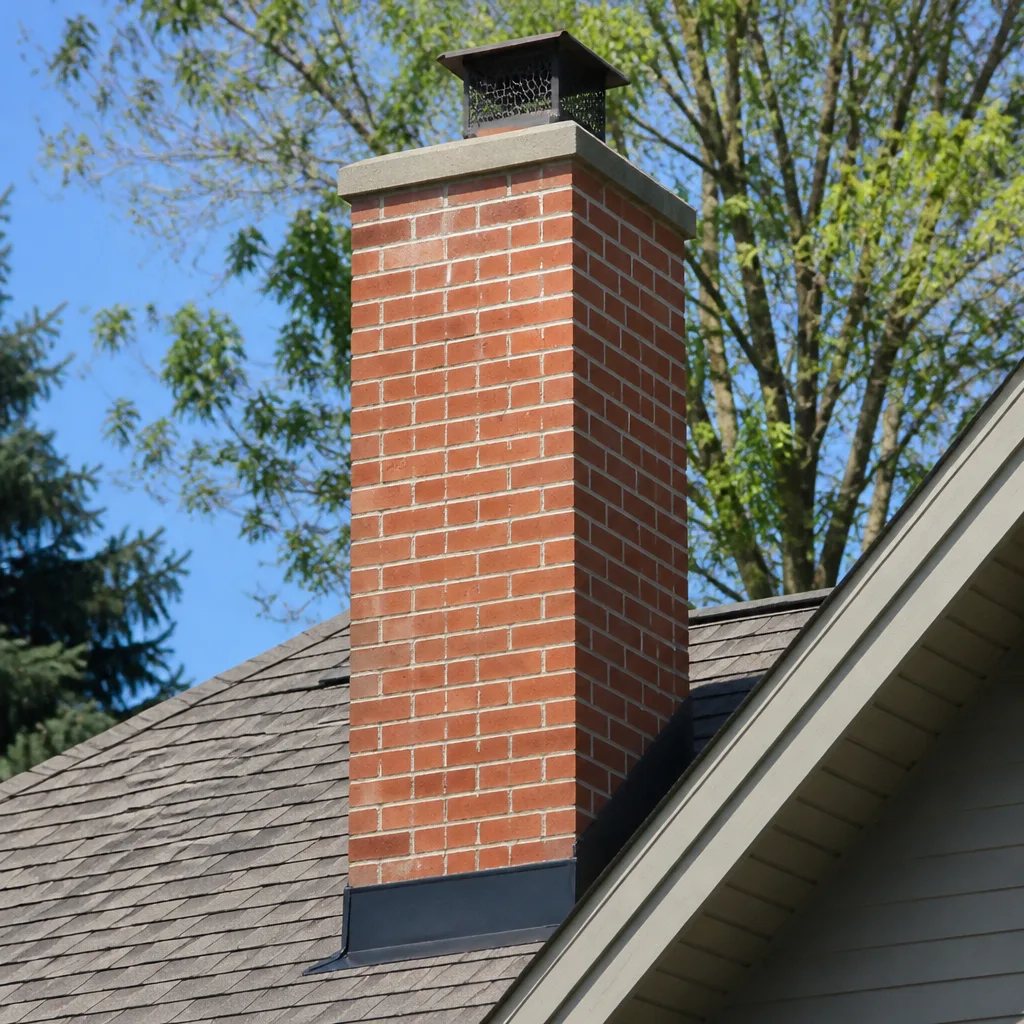 Masonry repair
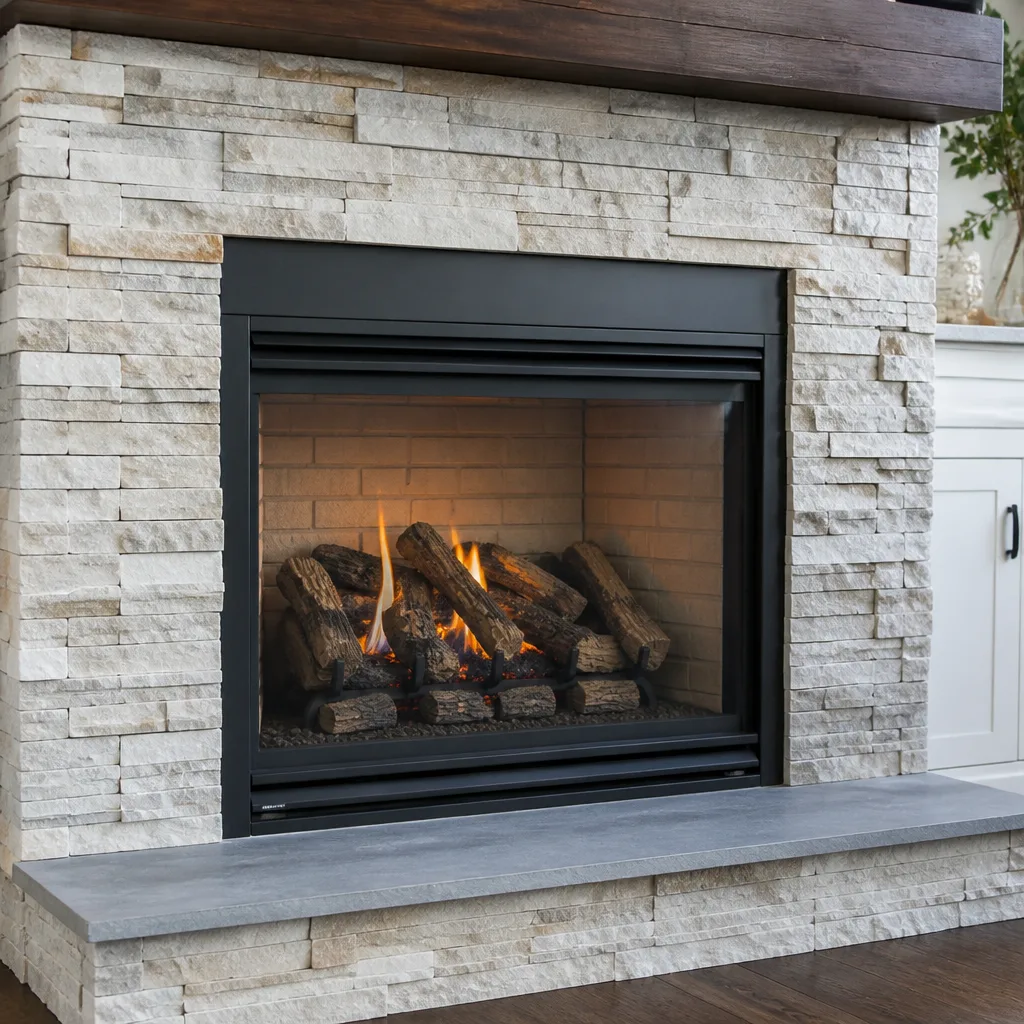 Gas fireplace service
Level 1 sweep and inspection to the NFPA 211 annual standard - flue, crown, cap, and flashing checked and photographed
Chimney sweep logs do not sweep chimneys. They loosen some creosote - which then falls where a brush and vacuum still have to collect it.
Chimney Cleaning Warning Signs: A Corona Homeowner’s Reference Guide
Efflorescence on a chimney exterior is not a cosmetic issue. It’s your masonry telling you that water has been moving through the structure long enough to push mineral deposits out onto the face. Most homeowners read that white staining as “the chimney needs a cleaning” and book a sweep. A sweep won’t fix it, and the water keeps coming. That gap between what a chimney looks like and what it’s actually doing is where real damage hides. In this guide, we walk through the specific warning signs Corona homeowners notice, name the underlying cause of each one, and explain how to tell a cleaning problem from a structural problem before you pick up the phone.
Quick Answer
The most important chimney warning signs in Corona are white staining or flaking on the exterior masonry, a smoky smell in rooms with unused fireplaces, smoke rolling back into the room when a fire is lit, and popping or rumbling sounds during a burn. Each points to a different root cause: water intrusion, pressure imbalance, a blocked or damaged flue, or an active chimney fire. None of them is fixed by sweeping alone. Reading the symptom correctly is what tells you whether you need a cleaning, a repair, or an inspection.
Styles & brands we work with
- Sweep & inspection
- Caps & crowns
- Flue relining
- Masonry repair
- Gas fireplace service
Table of Contents
- The Symptom-to-Cause Index: What Your Chimney Is Telling You
- Efflorescence and Spalling: Why Water Is the Real Problem
- Smoke Rollback and Draft Reversal: Reading the Airflow
- Creosote Odor and the “Smells Smoky When It Rains” Complaint
- Popping, Rumbling, and the Sound of an Active Chimney Fire
- Warning Signs Unique to Corona’s Converted Oil-to-Gas Fireplaces
- Cleaning Problem or Structural Problem? A Decision Framework
- Why an Inspection Should Come Before a Sweep
The Symptom-to-Cause Index: What Your Chimney Is Telling You
Most chimney problems announce themselves through one of five symptoms. The trick is knowing which cause sits behind each one. This index is the framework we use when we walk a Corona property and read the chimney from the outside in.
- White, powdery staining on exterior brick (efflorescence) – water moving through the masonry. Usually points to a failing crown, missing cap, or compromised flashing, not a dirty flue.
- Flaking, crumbling, or falling brick faces (spalling) – the later stage of the same water problem. Freeze-thaw cycling in Corona’s winters pushes saturated brick apart from the inside.
- Smoke rolling back into the room – a pressure or draft problem. Causes range from a blocked flue to a house that’s too tight for the chimney to draw, to a flue that’s too short for the firebox.
- Smoky smell in a room with an unused fireplace – creosote odor plus a pressure path. Often worse on humid or rainy days, which is a clue about the source.
- Popping or rumbling during a burn – the sound signature of an active chimney fire, distinct from normal metal expansion ticks.
Notice what’s missing from that list: “the chimney looks dirty.” Visible soot inside a firebox tells you almost nothing about the flue’s condition. A chimney can look clean at the firebox and be heavily glazed three feet up. It can also look filthy and be structurally sound. The symptoms above are the ones with diagnostic value. Everything else is a guess until someone looks with a camera.
If you’re starting from zero and simply want the flue cleaned and checked, that’s a chimney sweep, and it’s a fine starting point. But if you recognize any of the five symptoms above, start with a condition assessment instead.
Efflorescence and Spalling: Why Water Is the Real Problem
Efflorescence is the white, chalky bloom you see on chimney brick and mortar. It forms when water dissolves salts inside the masonry, travels to the surface, and evaporates, leaving the salts behind as a crust. The stain itself is harmless. What it proves is not: water is getting into the chimney structure and has been for a while. On a Corona chimney, that water almost always enters through one of four places.
- The crown – the concrete cap at the top of the chimney. A hairline crack in the crown lets water straight into the brick below it.
- A missing or undersized cap – without a proper cap, rain falls directly down the flue and soaks the interior masonry.
- Flashing – the metal seal where the chimney meets the roofline. Failed flashing is one of the most common water entry points we find.
- Spalling brick faces – once brick faces begin to flake and fall away, water enters even faster, and the cycle accelerates.
Spalling is the next stage after efflorescence. Where efflorescence is a surface signal, spalling is physical breakdown: brick faces shearing off, mortar joints eroding, and eventually structural loss at the top of the chimney. Corona’s cold winters matter here. Water that soaks into brick and then freezes expands, and that freeze-thaw cycle is what turns a cosmetic stain into a repair.
This is why we specify chimney cap & crown work with components from brands like Gelco and Famco. A cap and crown rebuild that uses manufacturer-spec hardware and proper crown mix closes the water path at the top, where most of it starts. Rebuilding the crown without addressing a cracked cap, or capping without checking the crown, just leaves half the problem in place.
One practical note: don’t paint over efflorescence. Sealing the surface traps moisture inside the brick, and the next freeze pushes harder. The stain is a symptom, and symptoms get fixed at the cause.
Smoke Rollback and Draft Reversal: Reading the Airflow
Smoke rollback is when smoke spills out of the firebox into the room instead of going up the flue. Draft reversal is when the chimney pulls air down into the room. They look similar at the fireplace, but they come from different conditions, and treating one as the other wastes time and money.
Smoke rollback during a fire usually traces to one of these:
- A blocked or partially blocked flue – creosote buildup, a bird nest, or a collapsed liner section narrowing the path.
- The flue is too short or too small for the firebox opening – a sizing mismatch that a taller or correctly sized liner fixes.
- The house is too tight – modern weatherization leaves the chimney starved for combustion air. A nearby window cracked open a half inch will confirm it: if the fire draws better with a window open, the problem is pressure, not blockage.
- Negative pressure from another appliance – a kitchen exhaust fan or a furnace pulling harder than the chimney can.
Draft reversal with no fire lit is different. If you smell cool air coming down the chimney on a mild day, the flue is cold and the house is pulling air through it. That is often normal until the flue warms up, and it’s usually not a cleaning issue at all.
Where Corona homes add complexity is the housing stock. Many properties here were built with fireplace systems that have been altered over the decades, and a flue that worked with the original appliance may not be sized right for what’s in the firebox now. Before blaming the sweep, get an inspection that actually measures the flue and tests the draw. That’s a chimney repair conversation if the flue is undersized or damaged, and a cleaning conversation if it’s simply blocked.
Creosote Odor and the “Smells Smoky When It Rains” Complaint
This is one of the most common complaints we hear, and one of the most frequently misdiagnosed. The complaint sounds like a dirty flue. It usually isn’t.
Here’s what’s actually happening. When it rains, the barometric pressure drops and the outdoor humidity climbs. A chimney with even a modest creosote coating absorbs that humidity, and the creosote becomes volatile, releasing that smoky, acrid smell into the house through the firebox. Meanwhile, the same rain is finding its way in through a cracked crown or a missing cap and soaking the masonry from above. The smell is a creosote symptom triggered by a water problem. Fixing only the creosote leaves you with the same smell next rain.
Creosote itself comes in three grades, and the grade determines what the fix is:
- Stage 1: soot and light flake – brushes off cleanly with a standard sweep.
- Stage 2: glazed, tar-like coating – harder to remove, sometimes requiring chemical treatment before brushing.
- Stage 3: hardened, glazed creosote – the most flammable grade. This is the grade most closely associated with chimney fire risk, and it doesn’t brush off at all without specialized treatment.
If your complaint is specifically “it smells smoky when it rains,” the diagnosis path is: check the crown and cap first, check the flashing second, then sweep the creosote. In that order. We’ve seen plenty of chimneys swept repeatedly for a smell that was caused by a cracked crown all along. A cap and crown job makes the difference that three sweeps couldn’t. Sweeping matters, but it needs to come after the water path is closed or you’re cleaning the same flue every rain.
Popping, Rumbling, and the Sound of an Active Chimney Fire
A normal fire makes noise. Wood crackles, and metal firebox components tick and ping as they heat up. Those sounds are thermal expansion and they’re benign. A chimney fire has a distinct signature, and if you hear it, stop and act.
Listen for:
- A roaring or rumbling sound – like a freight train or a deep, sustained whoosh coming from up the flue, not from the fire itself.
- Loud popping or multiple small “bangs” – the sound of creosote igniting in sections up the flue.
- Dense, dark smoke – or a puff of black smoke coming from the top of the chimney.
- A sudden temperature spike – the chimney pipe or surround gets much hotter than usual.
- Sparks or flames visible at the top – clearly visible from outside.
If you suspect an active chimney fire: get everyone out of the house, call the fire department, and don’t try to fight it yourself. Once the fire is out, do not relight until a professional has inspected the full flue. Chimney fires often damage liners invisibly, leaving hairline cracks that leak carbon monoxide into the home later. That’s the real post-fire risk, and it’s why we treat “the fire went out on its own” as a reason to inspect, not a reason to relax.
The related sound to watch for is repeated popping during a normal burn, which sometimes indicates creosote flaking off and re-igniting in small localized bursts. It’s not the same as a full chimney fire, but it’s often the first sign that stage 3 creosote is present. That warrants an inspection, not another fire.
A chimney inspection as a standalone service is the right response here. It isn’t an upsell attached to a sweep. It’s how you find out whether the liner is intact after any suspected fire event, and it’s the only way to know that for certain.
Warning Signs Unique to Corona’s Converted Oil-to-Gas Fireplaces
Corona has a large share of older homes whose heating systems have been converted over the decades, and converted fireplace systems throw warning signs you won’t find in a standard wood-burning guide.
If a fireplace once burned oil and was later converted to gas, or if a wood-burning firebox was refitted for gas logs, the components behind and around it may not be what the original design called for. Watch for:
- A musty or sulfur-like smell coming from the firebox or the flue, distinct from creosote. Old oil residue and its combustion byproducts can leave odor traces that smell nothing like wood smoke.
- A fireplace that “just doesn’t draw the way it used to” – a flue sized for the original appliance may be wrong for the gas insert or log set that replaced it.
- Corroded or deteriorated liners – old liners may not be rated for the flue gas temperatures and chemistry of a gas appliance, and liners can deteriorate from the inside without showing anything at the firebox.
- A gas fireplace with visible soot or a yellow, lazy flame – a sign the appliance needs servicing and possibly a venting check. Don’t run it until someone looks.
- Cracked or displaced flue tiles – older tiled flues crack with age and thermal cycling, and a cracked tile lets combustion gases escape into the chimney’s interior.
Because these symptoms don’t show up in standard wood-burning checklists, converted fireplaces deserve a dedicated inspection, not a quick sweep and a glance. That’s part of why we keep inspections as their own service. It also shapes what we specify when a liner needs attention. The right liner solution depends on your flue’s condition and what the appliance actually is, which is why the fix for a converted gas fireplace is usually a different product (often an Olympia Chimney or DuraFlex liner sized to the appliance) than what a wood-burning flue would call for. HeatShield restoration is another option when the existing tile is intact enough to restore rather than replace, and it’s a cost-conscious alternative to a full reline. We determine which applies by looking, not by defaulting to the most expensive answer.
Cleaning Problem or Structural Problem? A Decision Framework
This is the question homeowners ask most, and it’s answerable before anyone comes out. Here’s the framework we use to sort symptoms at a glance.
- Look at the firebox. Soot and ash inside the firebox with no exterior symptoms is a cleaning-only situation more often than not.
- Look at the exterior chimney. Any white staining, flaking brick, or crumbling mortar puts you in structural territory. Water is the cause, and cleaning won’t address it.
- Check the top. If you can see the chimney crown and cap safely from the ground with binoculars, look for cracks in the crown, a missing cap, or a rusted cap and broken mesh. Any of these point to water intrusion.
- Test the draft. Light a small fire with a window slightly open. If it draws better, the issue is pressure, not blockage, and it may not need a sweep at all.
- Smell the unused fireplace on a rainy day. A smoky smell without a fire lit, especially on humid days, points to creosote plus a water path, and both need addressing.
- Listen during the next burn. Normal crackles are fine. Roaring, sustained rumbling, or repeated popping warrants an inspection before another fire.
The clean signal is one where the fire burns well, the chimney exterior is intact, and the smell is mild. The structural signal is one where at least one exterior symptom is present, or where any of the fire-behavior symptoms (rollback, reversal, unusual sound) appear.
If it’s a cleaning problem, a standard sweep resolves it. If it’s a structural problem, you’re looking at cap and crown work, masonry repair, flashing repair, or liner work, depending on what the inspection finds. We cover both under one relationship so you aren’t coordinating a sweep and a mason and a roofer on the same chimney. That’s the point of keeping sweeping, inspection, repair, and fireplace repair with the same specialist. From the crown to the firebox.
Why an Inspection Should Come Before a Sweep
An inspection isn’t an upsell, it’s a starting point. A sweep cleans the flue. An inspection tells you whether the flue is worth cleaning, what condition it’s in, and whether the problem you’re experiencing is a cleaning problem at all. If you don’t know the condition, you don’t know what the cleaning is for.
Our technicians have up to 9 years of experience, and the pattern that experience teaches is consistent: homeowners who call for a sweep and get a proper condition assessment first save themselves from cleaning a chimney that needed a cap, or from ignoring a liner problem that would have been obvious with a camera. The assessment also matters at two specific moments in a Corona home’s life:
- Before you buy or sell. A documented inspection gives you a real condition report on the chimney, not a verbal “looks fine.” Chimneys are one of the most commonly skipped items in a home inspection report, and a failed liner is a cost you want to know about before the closing table, not after.
- Before you light the season’s first fire. One inspection at the start of the heating season catches the problems that have been building since spring and gives you the chance to fix them on your timeline.
What a proper inspection includes: a visual check of the exterior masonry and crown, a flue interior assessment, a check of the cap and flashing, and a look at the firebox, damper, and liner condition. From that, you get a written account of what was found, with photographs of anything that needs attention. Nothing gets recommended without a picture you can see for yourself. That’s the standard, and it’s the reason a real inspection report shows its work. When something can safely wait, we say so. When it can’t, we show you why.
Common Mistakes to Avoid
- Adding a cap to fix a dirty flue, or sweeping to fix a water problem. These are different problems. A sweep won’t stop efflorescence, and a new cap won’t clear a blocked flue. Diagnose before you buy a fix.
- Painting or sealing the chimney to hide white staining. It traps moisture inside the masonry. In Corona’s freeze-thaw winters, it accelerates spalling. Fix the water path, don’t cover it.
- Repeatedly sweeping a chimney that “smells smoky when it rains.” The smell is likely coming from a cracked crown or missing cap, not a dirty flue. Sweep the symptom and you’ll be back next rain.
- Relighting after a suspected chimney fire without an inspection. A fire event can crack a liner invisibly. The building reopens; the liner may not. Inspect before the next burn.
- Burning pressure issues by opening windows and calling it fixed. Cracked windows work as a test, not a solution. A flue that won’t draw is telling you something needs attention.
- Treating a converted oil-to-gas fireplace like a standard wood-burning firebox. It has different venting requirements and different warning signs. Get it inspected for what it is.
- Relying on a general handyman for structural chimney work. Cap, crown, and flashing work on a chimney involves manufacturer-spec components and specific installation standards. A generalist with a caulk gun isn’t the same job.
See the difference
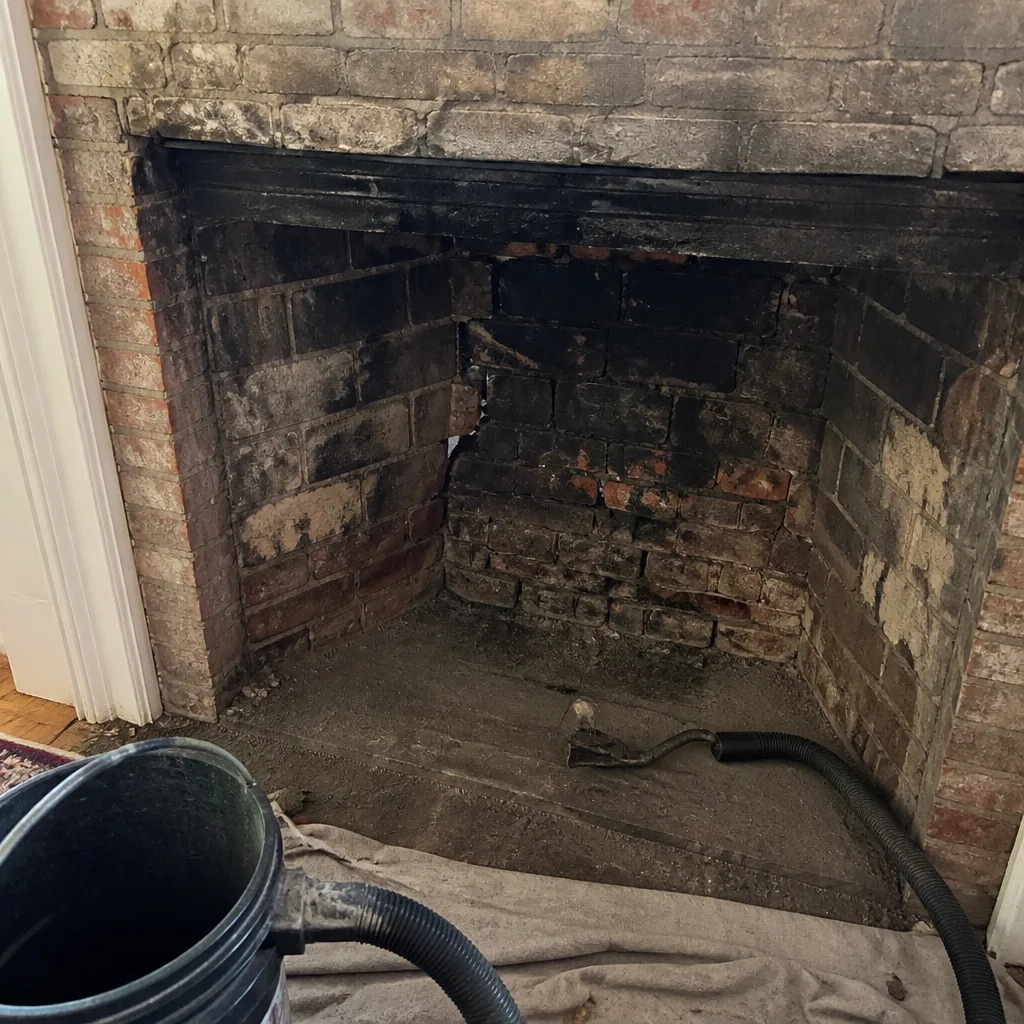 Before
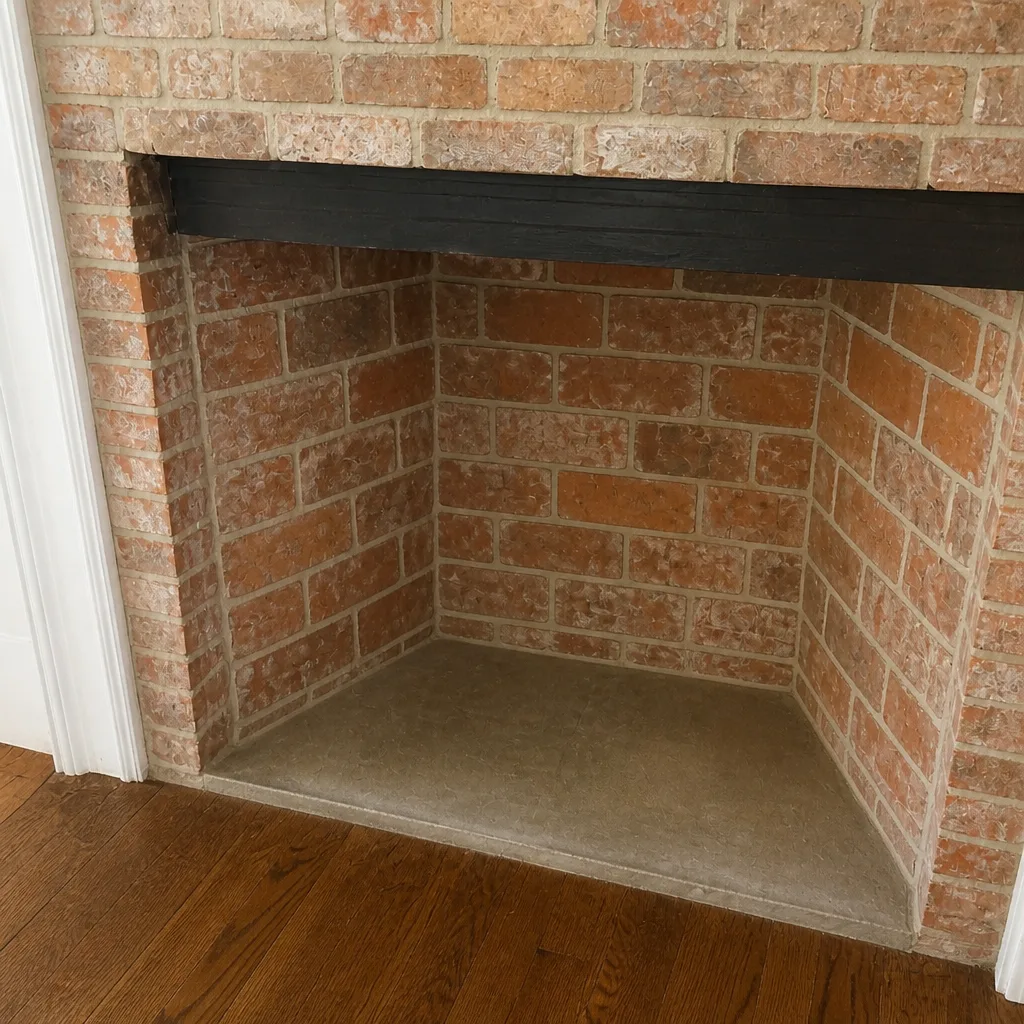 After
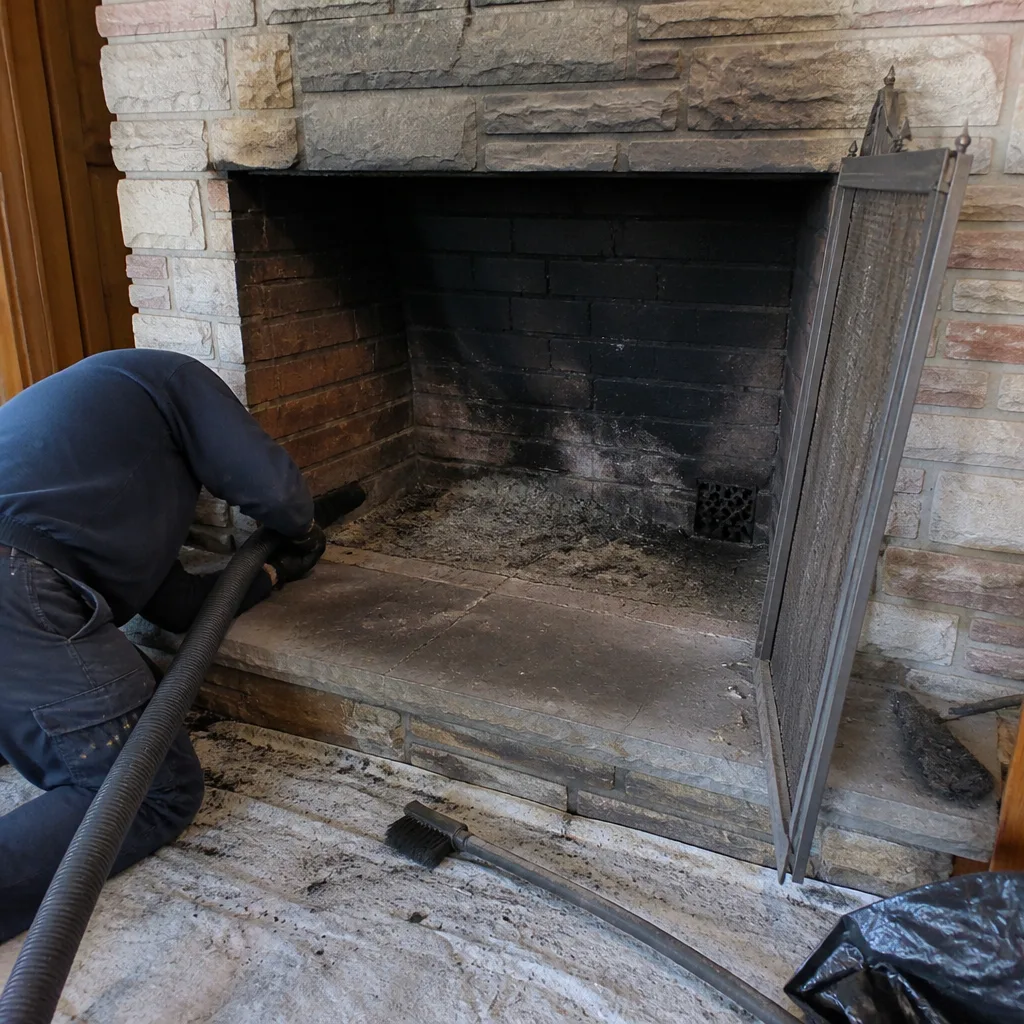 Before
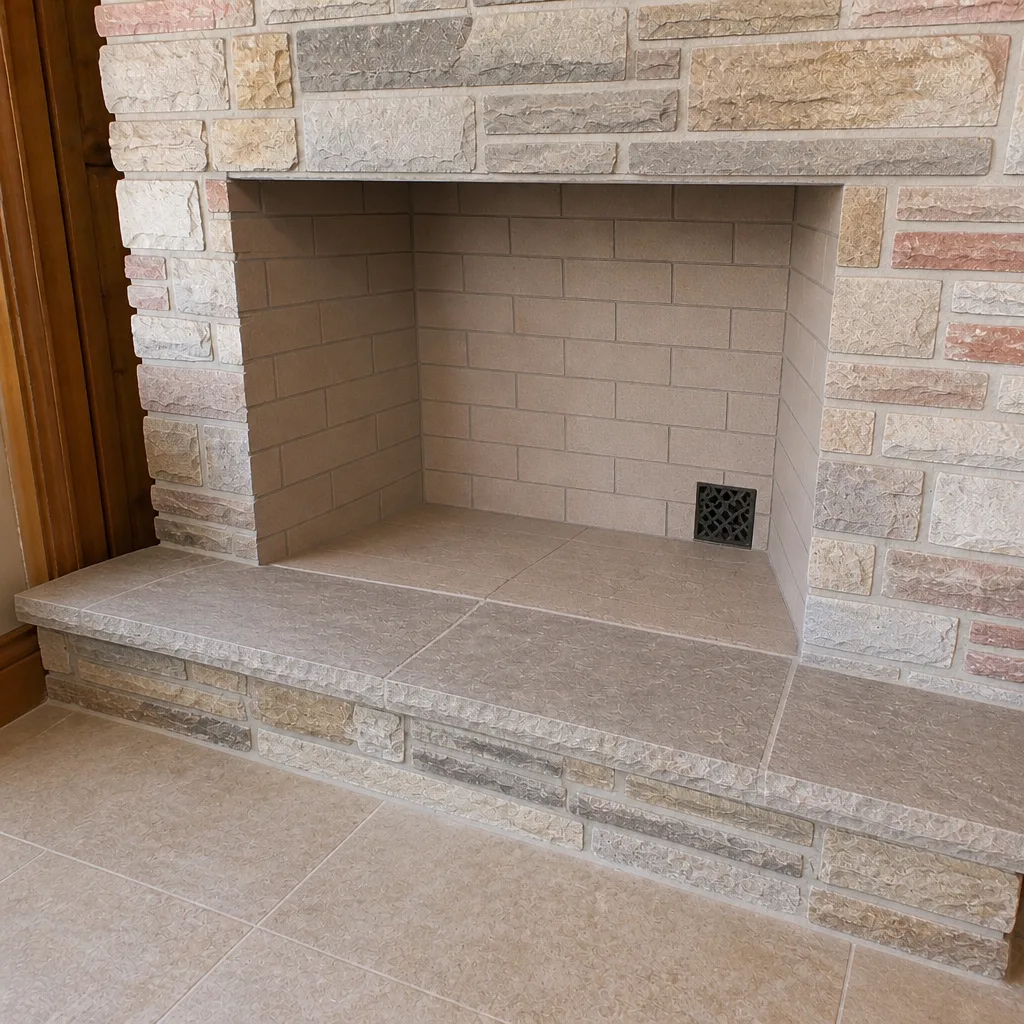 After
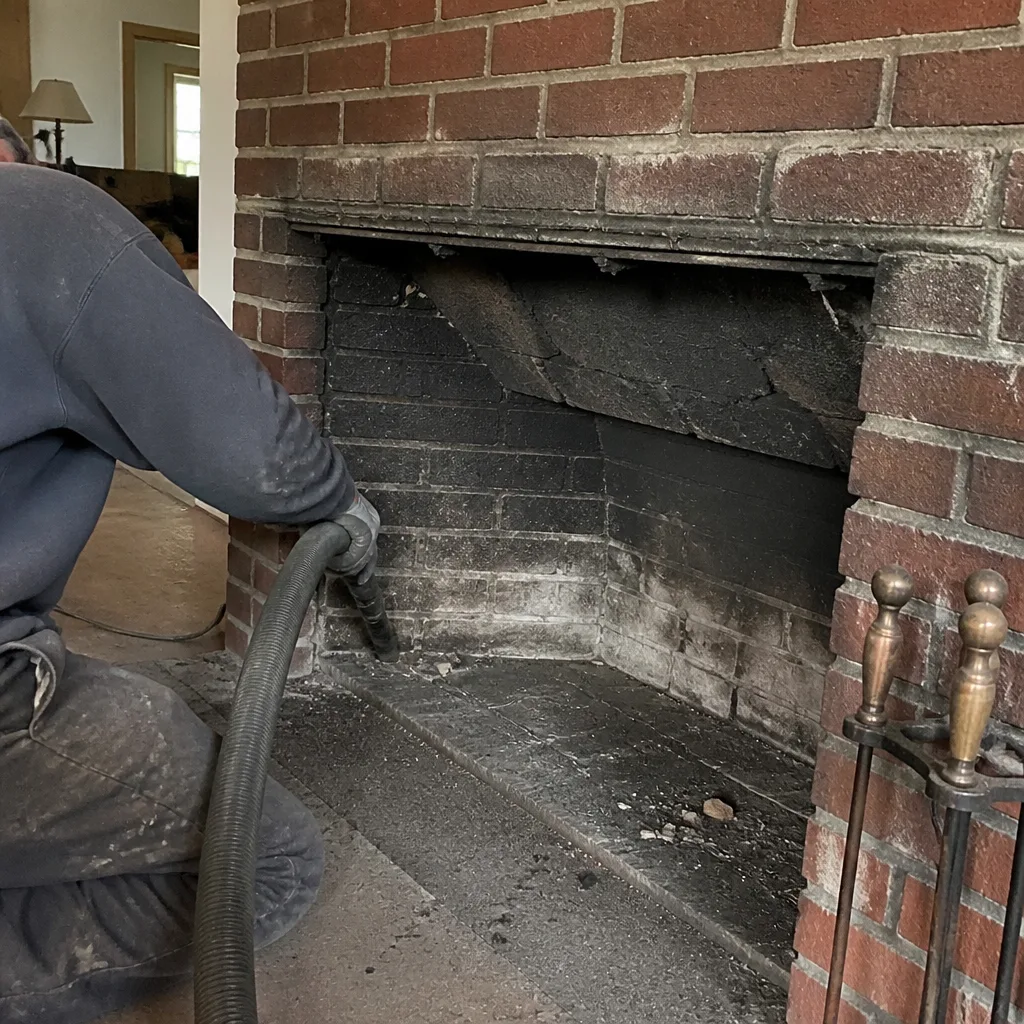 Before
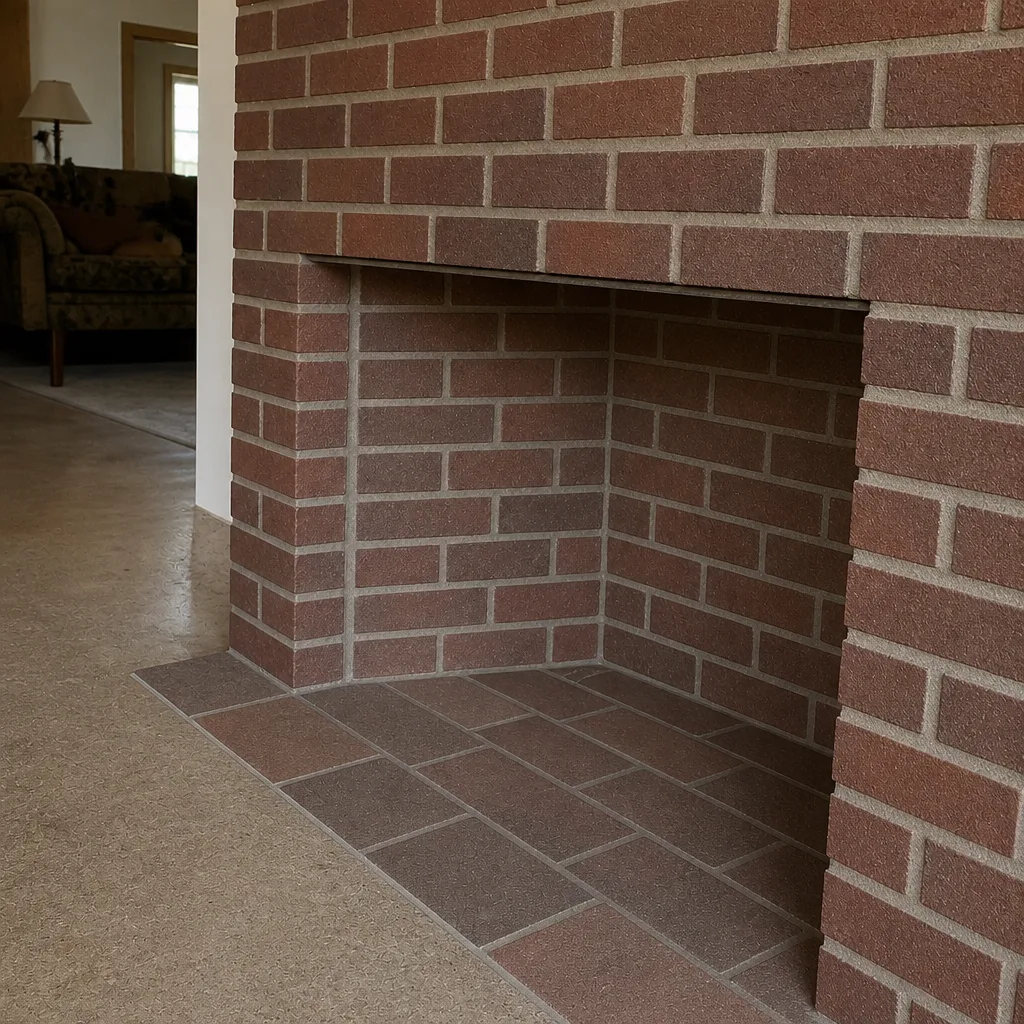 After
When to Call a Professional
Call a professional if you see white staining or flaking brick on the chimney exterior, smell smoke in a room with an unused fireplace on humid days, see smoke roll into the room when a fire is lit, hear roaring or sustained popping during a burn, or haven’t had an inspection since before last season. Call before you light the next fire in any of those cases. If you’re buying or selling a Corona home with a fireplace, get the inspection done first, so the condition is on record.
Chimney Sweep Corona offers free estimates in Corona. Call (833) 968-1177. We answer 24/7. Fast dispatch from 7am to 7pm, Sunday through Friday.
Frequently Asked Questions
The most common warning signs we see in Corona are white efflorescence staining on exterior masonry, spalling brick faces, a smoky smell in rooms with unused fireplaces, smoke rollback during a burn, and popping or rumbling sounds during use. Each points to a different cause: water intrusion, pressure imbalance, creosote, or an active fire event. Cleaning fixes some of these and not others, which is why an inspection comes first. Call (833) 968-1177 for an exact assessment.
No. White staining (efflorescence) means water is moving through the masonry, usually from a cracked crown, missing cap, or failed flashing. Cleaning the flue won’t stop it. The fix is to close the water path at the top: cap and crown work, flashing repair, and sometimes masonry repair for spalled brick. If you’re seeing staining, ask for an inspection, not just a sweep.
The smell is creosote becoming volatile in humid air, and it’s almost always triggered by a water path into the chimney, typically a cracked crown or missing cap. Rain soaks the masonry, humidity volatilizes the creosote, and the smell comes through the firebox. Fixing only the creosote leaves the water path open, so the smell returns with the next storm. Call for an inspection that checks both.
Normal fires crackle. Chimney fires roar, rumble, and pop loudly in a sustained way, often with dense dark smoke or visible sparks at the top. If you suspect one, get everyone out, call the fire department, and don’t relight until the flue has been inspected. Liners can crack from the heat even when the fire appears to go out on its own. Call (833) 968-1177 after the fire department clears the scene.
Look for a musty or sulfur-like smell, a fireplace that draws poorly compared to how it once did, and visible soot or a yellow, lazy flame. Converted fireboxes may have liners that aren’t rated for the new appliance, and old flue tiles commonly crack with age. Because these signs don’t appear in standard wood-burning guides, ask for an inspection that accounts for the conversion, not just a sweep.
Once a year for a home with a fireplace in regular use, and once before the first fire of the season for any fireplace that’s sat idle. An inspection after any suspected chimney fire is mandatory regardless of timing. Corona’s freeze-thaw winters also make spring a good time to check the exterior masonry for winter damage. Call (833) 968-1177 to book an inspection or a free estimate.
The Bottom Line
The warning signs that matter most on a Corona chimney aren’t the dramatic ones. They’re the quiet ones: white staining that says water is moving, a smoke smell on rainy days that points to a cracked crown, a fire that draws hard or rolls smoke. Read those symptoms correctly and you treat the cause instead of the surface. If you remember one thing from this guide, make it this: inspect first, clean second, and repair at the source. A chimney problem diagnosed correctly is usually cheaper to fix than one that’s been swept three times and never solved. Our technicians have up to 9 years of experience reading exactly these signals, and we specify DuraFlex, HeatShield, and Olympia Chimney materials when a repair needs them.
Call Chimney Sweep Corona at (833) 968-1177 for a free estimate. We answer 24/7. Fast dispatch from 7am to 7pm, Sunday through Friday. Estimates are free, and we won’t recommend work you don’t need, because nothing gets recommended without camera evidence you can see for yourself.
Written by the team at Chimney Sweep Corona.
Chimney Sweep Corona handles sweeping, inspection, cap and crown, chimney repair, and fireplace repair from a single point of contact.