
Last updated November 24, 2026
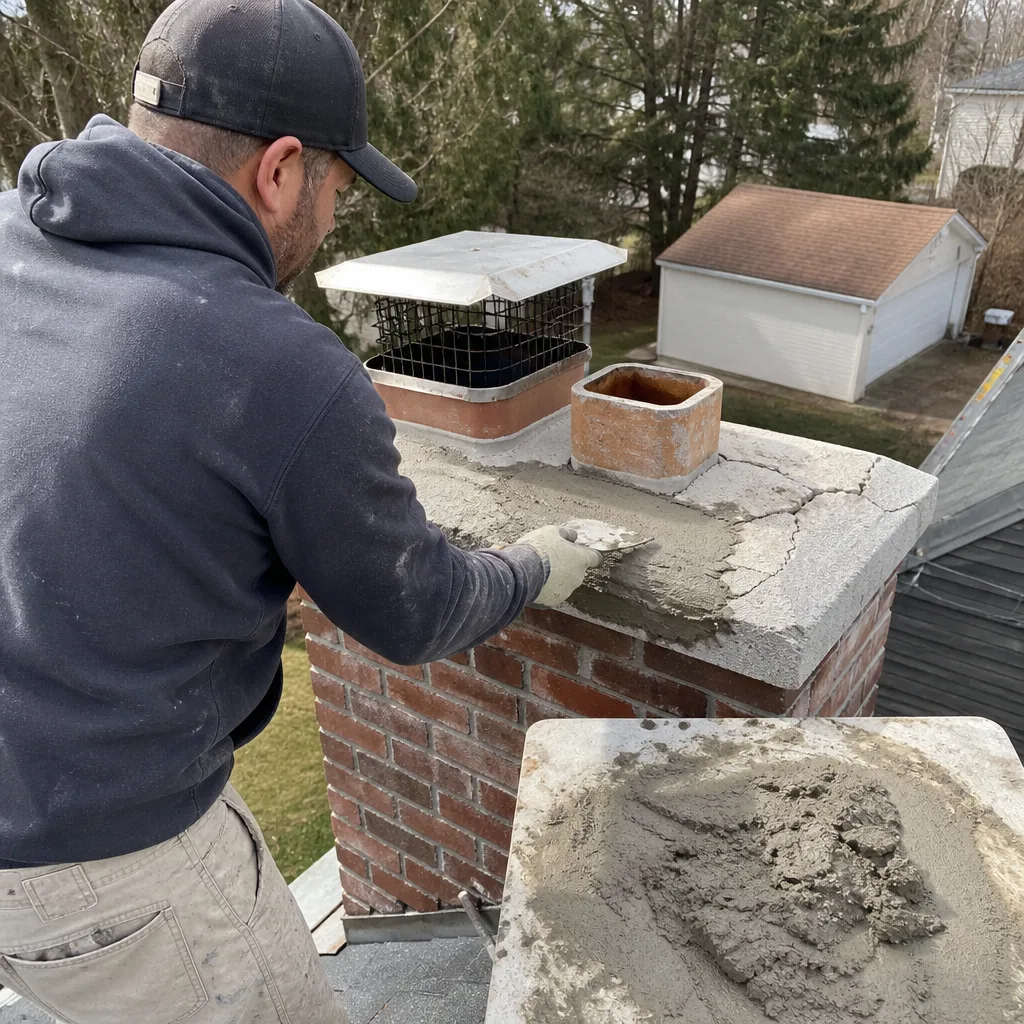
 Sweep & inspection
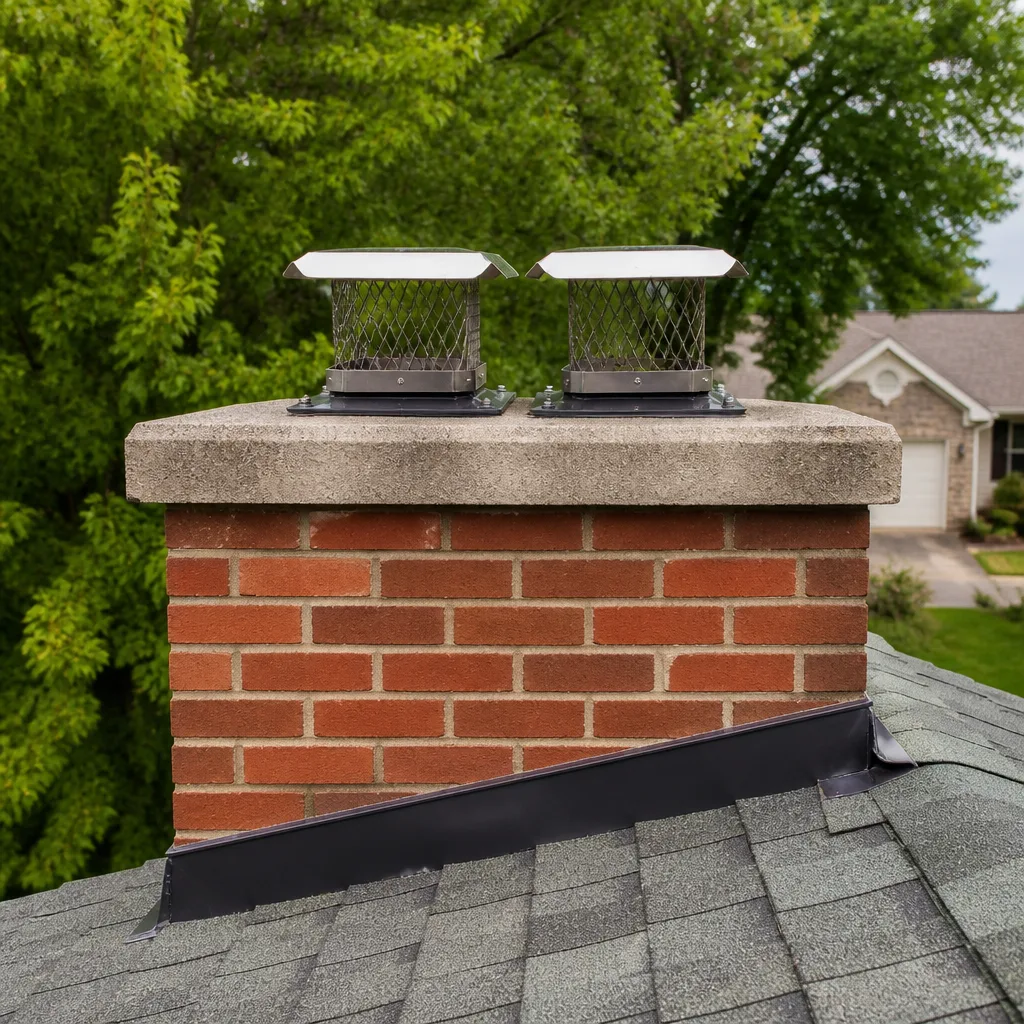
 Caps & crowns
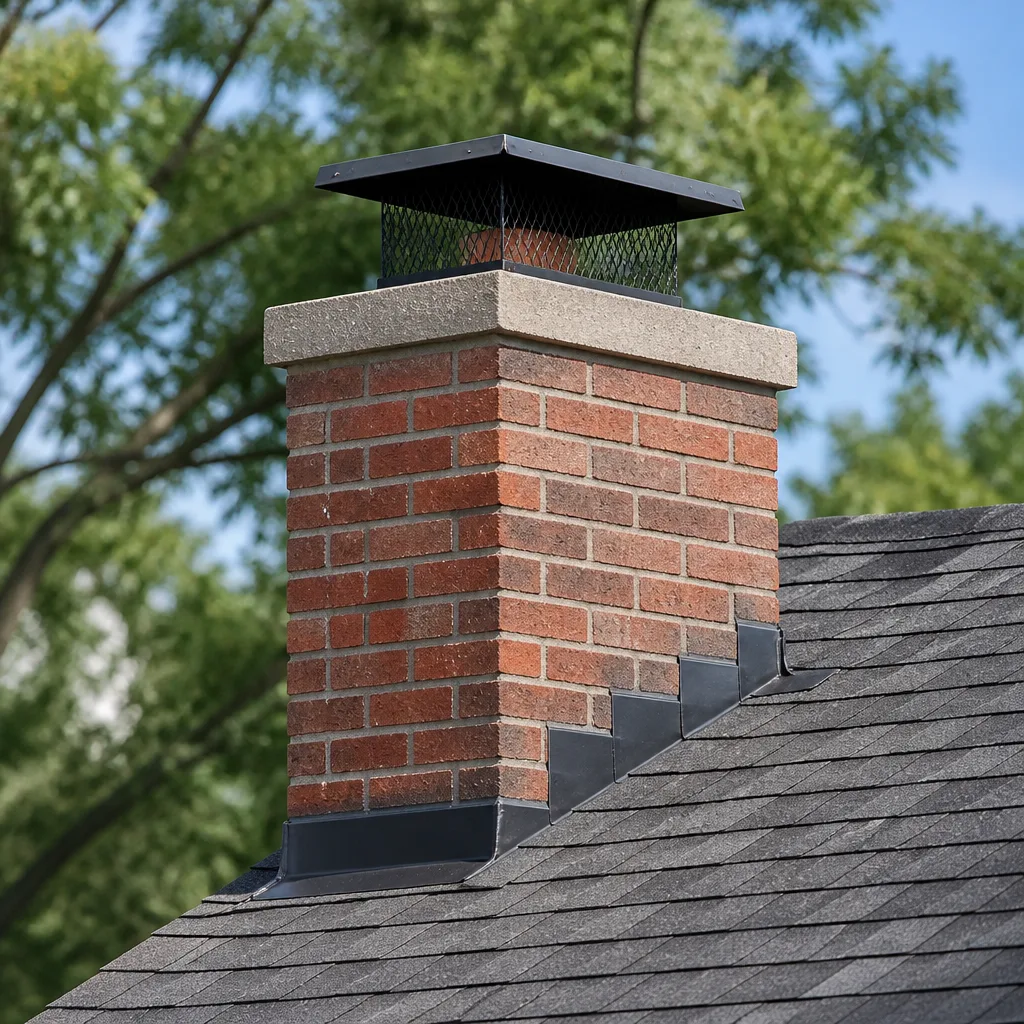
 Flue relining
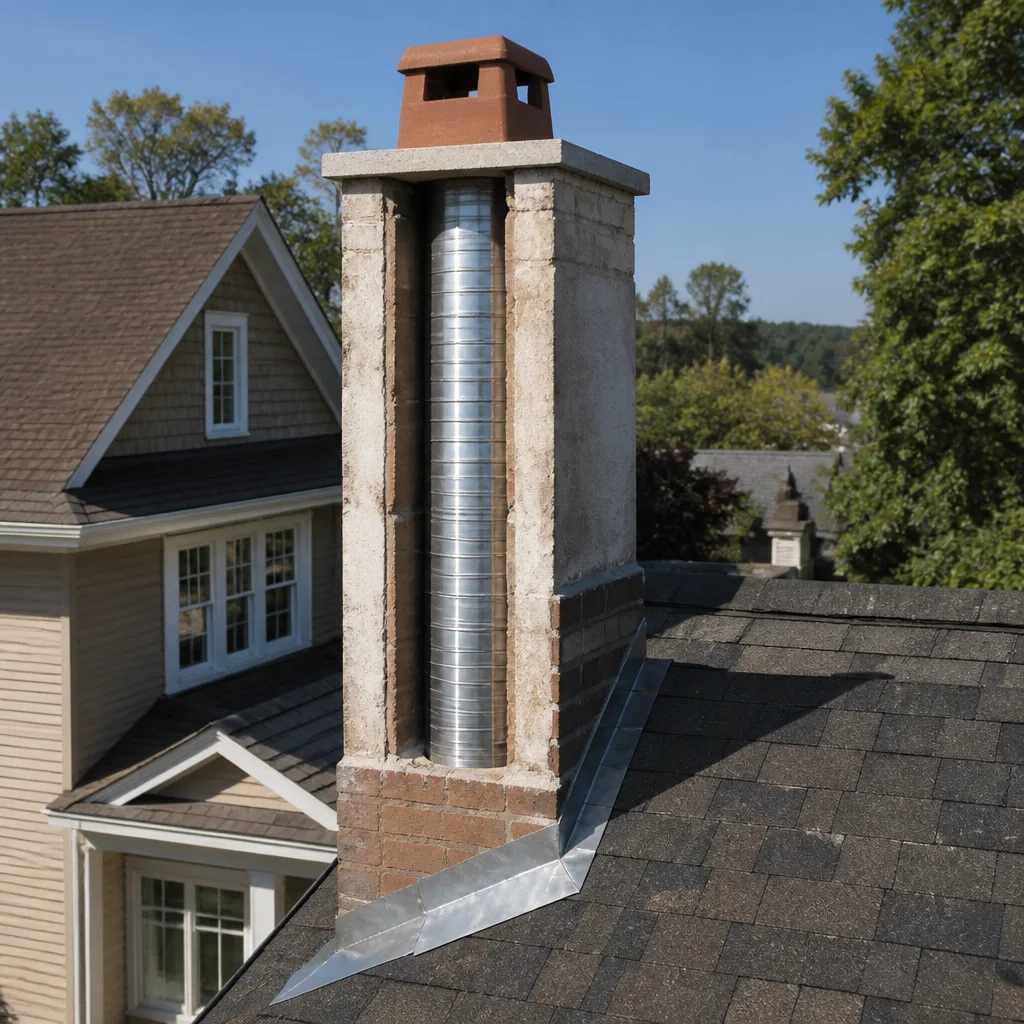
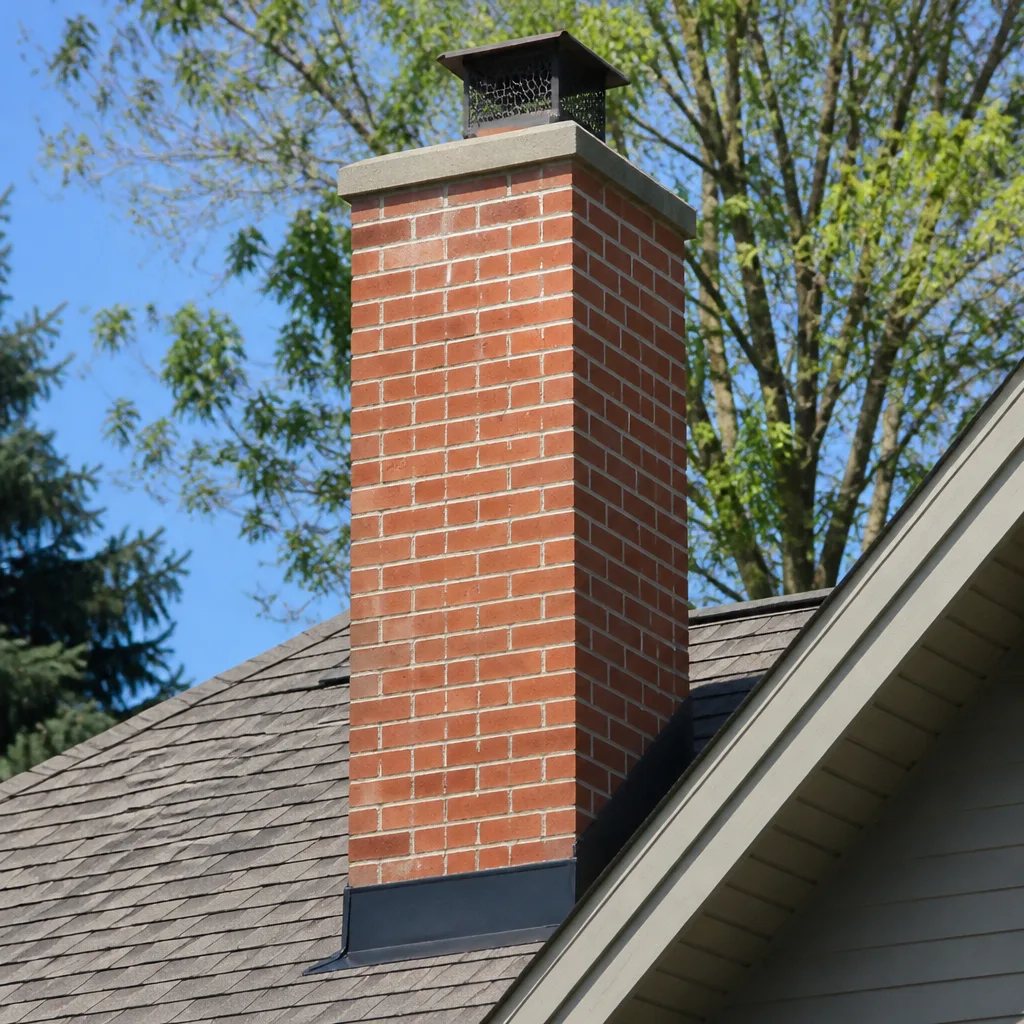 Masonry repair
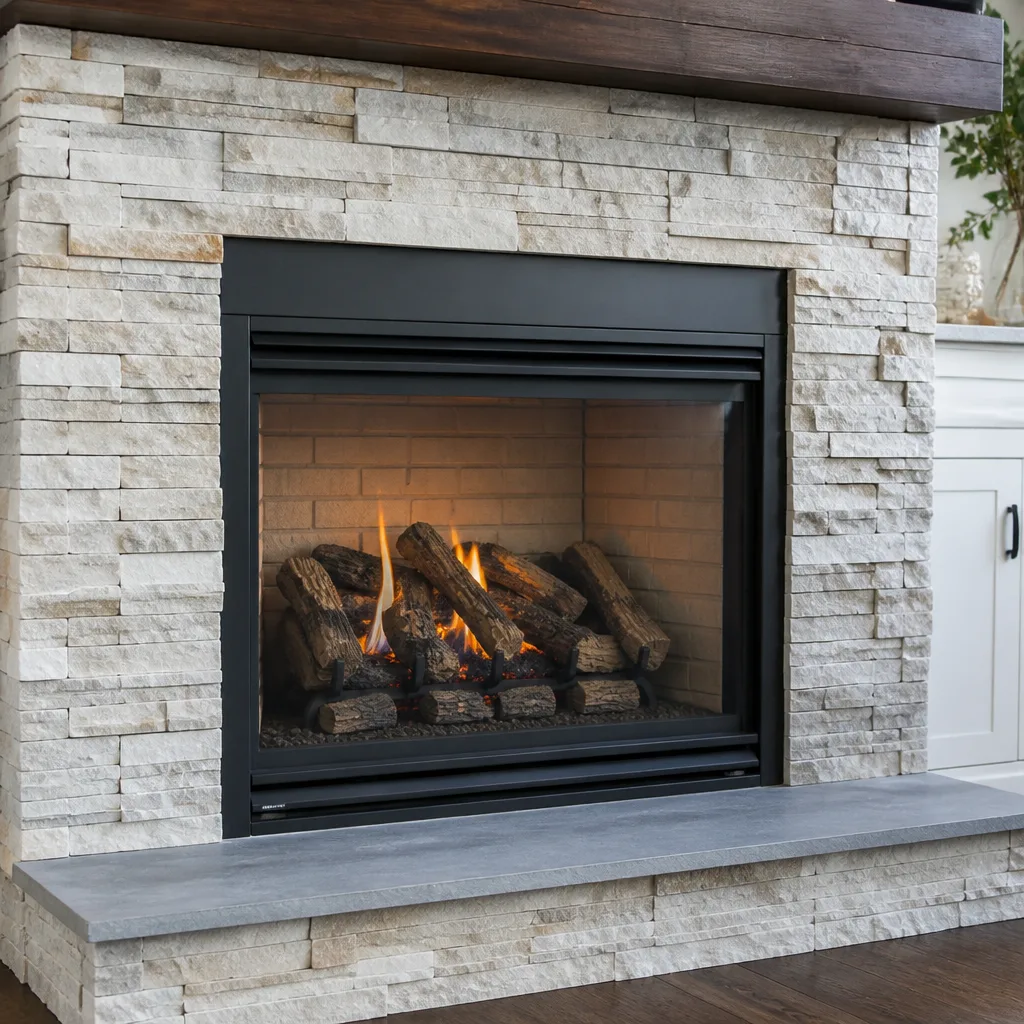 Gas fireplace service
Level 1 sweep and inspection to the NFPA 211 annual standard - flue, crown, cap, and flashing checked and photographed
Chimney sweep logs do not sweep chimneys. They loosen some creosote - which then falls where a brush and vacuum still have to collect it.
DIY vs Professional Chimney Cleaning: The Corona Homeowner’s Decision Guide
You can legally brush your own flue in New York. That’s the part most guides get wrong, because they frame the whole question as cost versus safety when the real split is narrower and more useful: a homeowner with a brush kit can remove loose soot, but can’t perform the inspection that actually justifies clearing a chimney for use. Brushing without inspecting is the cheaper half of the job done alone, with the liability still sitting on you. This guide draws the line between what you can reasonably do between professional visits and what genuinely requires training, tools and documentation, written from our vantage point here in Corona.
Quick Answer
Brushing your own flue is legal in New York and reasonable for a simple open masonry fireplace that has been professionally inspected within the last year. It becomes a bad idea the moment your system includes an insert, a gas log set, a liner, or a chimney you can’t see into. The cleaning is the easy part. The inspection is what makes the cleaning count, and it requires training and tools most homeowners don’t have.
Styles & brands we work with
- Sweep & inspection
- Caps & crowns
- Flue relining
- Masonry repair
- Gas fireplace service
Table of Contents
- Is it legal to clean your own chimney in New York?
- Where DIY maintenance ends and professional scope begins
- Why inserts, gas logs and liners change the risk
- The real tools for a DIY sweep versus what stores sell
- The inspection gap nobody talks about
- Insurance and liability when you self-clean in New York
- The four-variable decision matrix
- What you can legitimately do between professional visits
Is it legal to clean your own chimney in New York?
Yes. New York State does not license chimney sweeps and does not require a permit for a homeowner to brush their own flue. That’s a comfortable fact up to a point, and then it stops being comfortable. The absence of a legal restriction isn’t the same as the absence of risk, and it says nothing about whether your work would satisfy an inspector, an insurer, or a future buyer’s inspection report.
What the law also doesn’t do is give you a way to certify what you did. When a professional sweep in Corona completes a cleaning, the documented findings from the accompanying inspection become a record. That record matters when you sell, when a chimney is on a home inspection report, and when an insurer asks whether the fireplace was serviced. A homeowner brushing away soot produces no record at all.
So the legal question and the practical question are different. Legally, you’re in the clear. Practically, you’ve taken on the liability of a job that includes an inspection you’re not trained to perform. That’s the distinction worth carrying through the rest of this guide. The cleaning itself is genuinely not the hard part.
Where DIY maintenance ends and professional scope begins
The useful split is between routine upkeep and diagnostic work. Upkeep you can do. Diagnostics you can’t. Here’s where we draw the line in our experience:
- Yours to do: removing ash from the firebox, checking the cap and spark screen from the ground, confirming the damper opens and closes smoothly, and clearing combustibles away from the hearth.
- Also yours to do, carefully: brushing loose soot from a simple, straight, accessible masonry flue with the right brush and containment.
- Requires training: assessing creosote type and glaze, inspecting the flue’s interior for cracks and gaps, evaluating the smoke chamber and damper assembly, checking the crown and flashing for water pathways, and confirming clearances to combustibles.
- Requires certification-level training: any work involving a liner system, an insert, a gas log set, or a chimney that has already been lined or relined.
A professional chimney sweep is doing two jobs at once, and only one of them is removal. The other is assessment. When we specify materials like a DuraFlex liner or a HeatShield restoration, those decisions come from what an inspection reveals, not from what a brush dislodged. A homeowner can replicate the sweeping motion. Replicating the assessment takes years of training and the tools to look inside a flue you can’t see into by eye.
There’s also the question of thoroughness. A brush reaches the straightaways. It doesn’t reach the smoke shelf, the smoke chamber, the top of the damper, or the area behind an insert. Those are the places glaze and soot accumulate and the places where a fire actually starts.
Why inserts, gas logs and liners change the risk
A simple open masonry fireplace is the only system where a careful homeowner’s brush cleaning is defensible. The moment your chimney leaves that category, the math changes.
- Wood inserts: an insert blocks access to the smoke chamber and the top of the flue. Brushing what you can see leaves the rest untouched, and you can’t tell how much is left.
- Gas log sets: these don’t produce the creosote a wood fire does, but they do produce corrosion, insect nesting and debris that a brush doesn’t address. The safety question is different: gas logs need combustion and venting checks, and those aren’t visual.
- Liner systems: a stainless liner has connections at the top and bottom that a brush can dislodge or stress. A HeatShield-restored flue has a surface that’s sensitive to the wrong technique. Either way, you’re brushing a system you can’t fully evaluate.
- Any chimney with an offset or a bend: a straight brush won’t follow it, and augers and whip heads are professional tools with a learning curve.
In our experience, a Corona homeowner with a lined flue and an insert has a system where the risk isn’t that the cleaning fails. The risk is that the cleaning looks successful and the inspection that should have caught a cracked liner, a failed joint or a blocked vent never happened. From the crown to the firebox, the parts you can’t reach are usually the parts that matter. A chimney repair need discovered during annual inspection is a manageable cost. The same need discovered after a fire is a different category entirely.
The real tools for a DIY sweep versus what stores sell
Hardware stores sell kits that look like chimney sweeping supplies and mostly aren’t. Here’s what a competent DIY sweep actually requires, followed by what the average kit gives you.
- Rigid or semi-rigid rod sections long enough to reach the top of the flue from the firebox or roof, with a proper thread connection. Cheap kits supply short, flexible rods that bend, tangle or shed.
- A correctly sized brush matched to your flue’s interior dimensions. A brush a quarter-inch too small skips the creosote film; one too large jams.
- HEPA containment for the work area: a sealed cover for the firebox opening, a shop-grade HEPA vacuum running throughout, and drop cloths. Soot is a fine, sticky, destructive pollutant, and a Corona living room and hallway will absorb it.
- Personal protective equipment: a proper respirator, goggles, gloves and long sleeves. Soot is a known respiratory irritant.
- Lighting and a mirror for looking up the flue, plus a way to reach the roof safely if you’re sweeping from the top.
What a hardware store kit usually gives you is a plastic handle, short flexible rods, a too-small brush, and nothing for containment. In our experience, the containment is the piece that trips most do-it-yourselfers in Corona. The sweeping motion works. The cleanup aftermath is what turns a weekend project into a chore that lingers for a season.
The other gap is roof access. A competent sweep of most chimneys requires either top-down brushing or appropriate roof access. A two-story home with a steep roof and a masonry chimney at the ridge is not a project we’d recommend to anyone without fall protection and roofing experience. That’s a genuinely dangerous place to be, and the cleaning itself is not worth the fall.
The inspection gap nobody talks about
This is the heart of the DIY versus professional question, and the part most guides skip. Cleaning without inspection is the least valuable half of the job.
A proper chimney inspection evaluates:
- the interior flue surface for cracks, gaps, missing mortar and glaze
- the smoke chamber and shelf for buildup and deterioration
- the damper and its frame
- the crown and the flashing, the two most common paths for water damage
- clearances to combustibles, particularly where the chimney passes through floors and roofs
- the cap and spark screen, and whether the flue is open to weather and animals
Each of those evaluations requires either a camera or the trained eye to read what the camera and light reveal. A homeowner can look up a flue. Reading what’s there is the trained skill. The gap between those two things is where fires start.
This is why we treat a Chimney Sweep Corona inspection as a standalone service rather than an upsell attached to a sweep. Documented findings mean you know the condition of the system, whether or not anything should be cleaned yet. If we recommend a repair, you get the camera evidence to look at yourself, and the reasoning behind it. We’ll say plainly when something can safely wait, because the alternative is a homeowner declining a recommendation they have no way to verify.
Insurance and liability when you self-clean in New York
Here’s the part with the smallest print. If you clean your own chimney and later make a fire-related claim, your insurer can ask whether the chimney was professionally inspected and serviced. No statute requires a professional inspection for a homeowner’s own policy in New York generally, but the absence of any service record is not a neutral fact in a claim investigation.
What a professional record does is create a paper trail: the inspection date, the findings, the cleaning performed, and the condition of the system at that time. That trail is useful in a claim, useful in a sale, and useful when a home inspector flags a chimney during a buyer’s inspection. When a Corona homeowner sells, a documented inspection and sweep history is a concrete answer. “I brush it myself” is a question the buyer’s inspector has to resolve, which means you’re negotiating around an unknown.
On the liability side, there’s also the question of what happens if a fire starts after self-cleaning. That’s a scenario you don’t want to be in without any evidence the system was inspected. The safe play isn’t necessarily a professional sweep every year. It’s an annual professional inspection, with cleaning done as the findings call for it.
The four-variable decision matrix
The DIY vs professional decision comes down to four variables. None of them, taken alone, is decisive. Together, they make the call clear:
- Flue type. Simple open masonry is the only category where DIY is reasonable. Any liner, insert, gas log set or complex shape moves you to professional.
- Last professional inspection date. Within the last year puts you in DIY-possible territory. Older than that, a professional sweep and inspection should come first.
- Creosote smell intensity. A faint smell in cold, damp weather is a sign of buildup. A strong, sharp or persistent smell from the firebox or along the flue path is a strong signal to call a professional before the next fire.
- System complexity. Height, roofline, number of flues, damper condition, and whether the chimney has been relined. Each adds risk to a DIY effort.
If all four point toward DI yourself, a brushing between professional visits is reasonable. If any one of the four points toward a professional, the picture changes. In our experience, most Corona homes we see land in the professional category on at least one variable, often the system complexity and the inspection date.
What you can legitimately do between professional visits
This is what you can do, and doing it well is a genuine contribution to the safety of your home:
- Remove ash regularly. An inch or two is fine for a wood fire; a full firebox of ash smothers the fire and makes future cleaning harder.
- Check the cap and spark screen from the ground. Look for rust-through, damage, or signs that animals are getting in. A loose or damaged cap lets water and wildlife enter the flue.
- Inspect the exterior visually. Watch the crown and the flashing seam after heavy rain. Staining, spalling or obvious cracking means it’s time to call.
- Verify the cap is sized correctly. A cap is a small part with a big job. If yours is more than a few years old, it’s worth having a professional look when they next inspect.
- Keep the area around the hearth clear. Combustibles, decorations and furniture near the firebox are the easiest hazard to remove and the easiest to overlook.
- Watch for the signs. Smoke spillage into the room, a draft that changes, a stronger creosote smell, or visible cracking at the crown are all reasons to call before the next fire.
What you shouldn’t do is inspect and clear your own flue as a substitute for an annual professional evaluation. The two are not equivalent, and the professional part is the part that protects you. When you’re doing it well between visits, you’re preserving the system. When the professional visit happens, they’re evaluating it. Both matter. Only one of them requires training.
Common Mistakes to Avoid
- Sweeping without inspecting. The most common DIY mistake. You’ve removed the soot and learned nothing about the system’s condition, which is the part that carries risk.
- Using a brush that’s the wrong size. A brush that’s too small skips the creosote film, and one that’s too large jams. Measure the flue, then size the brush to it.
- Skipping containment. In Corona houses, soot travels. Without proper HEPA containment and a sealed firebox opening, fine soot ends up in every room on the floor and every fabric in the house.
- Cleaning an insert from the firebox. You can’t reach the smoke chamber, the flue connection or the top of the insert, so you clean what’s visible and leave the rest.
- Assuming a gas log set is maintenance-free. It produces corrosion, nesting and venting concerns, and it still needs an annual inspection.
- Climbing the roof without fall protection. Steep rooflines and two-story homes in Corona are not a DIY sweep situation. The fall risk outweighs the cleaning.
- Treating a strong creosote smell as normal. It’s a sign of buildup. If it’s sharp and persistent, stop using the fireplace and get it inspected.
See the difference
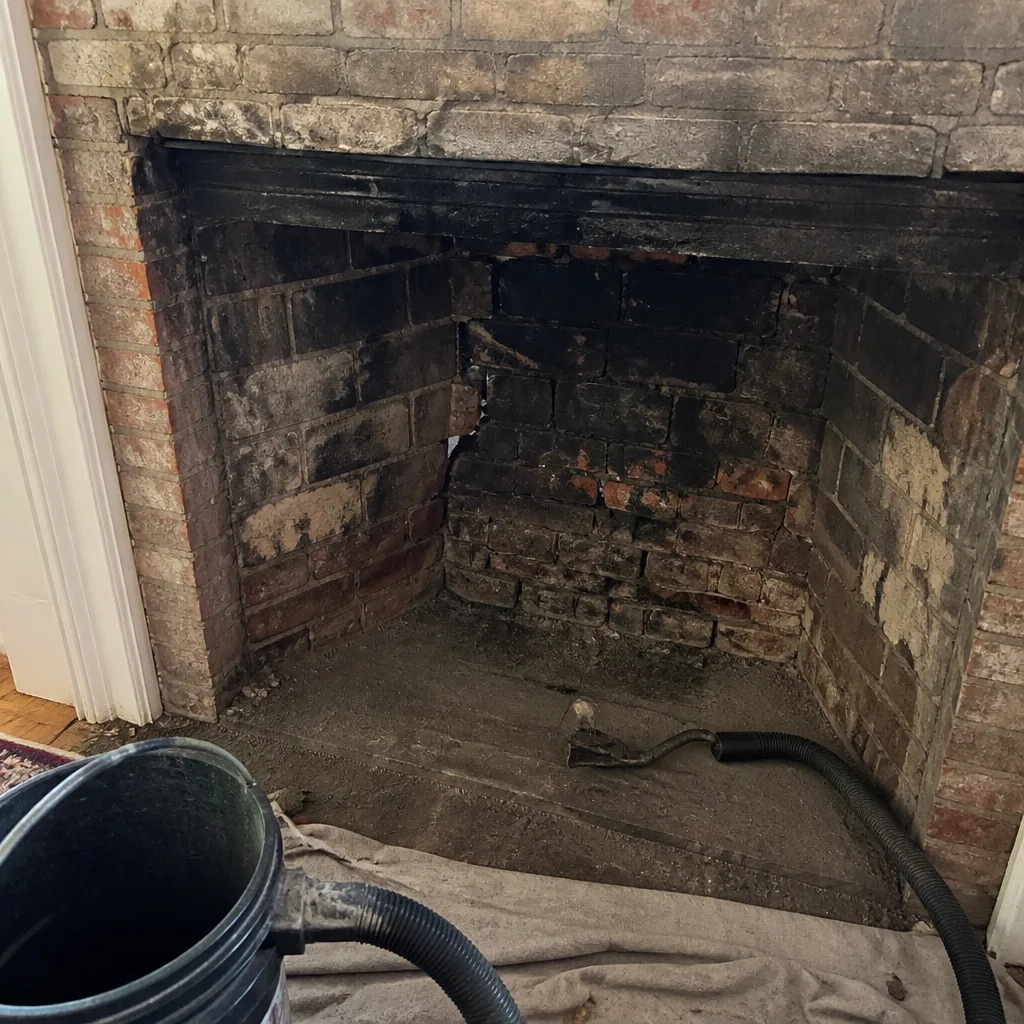 Before
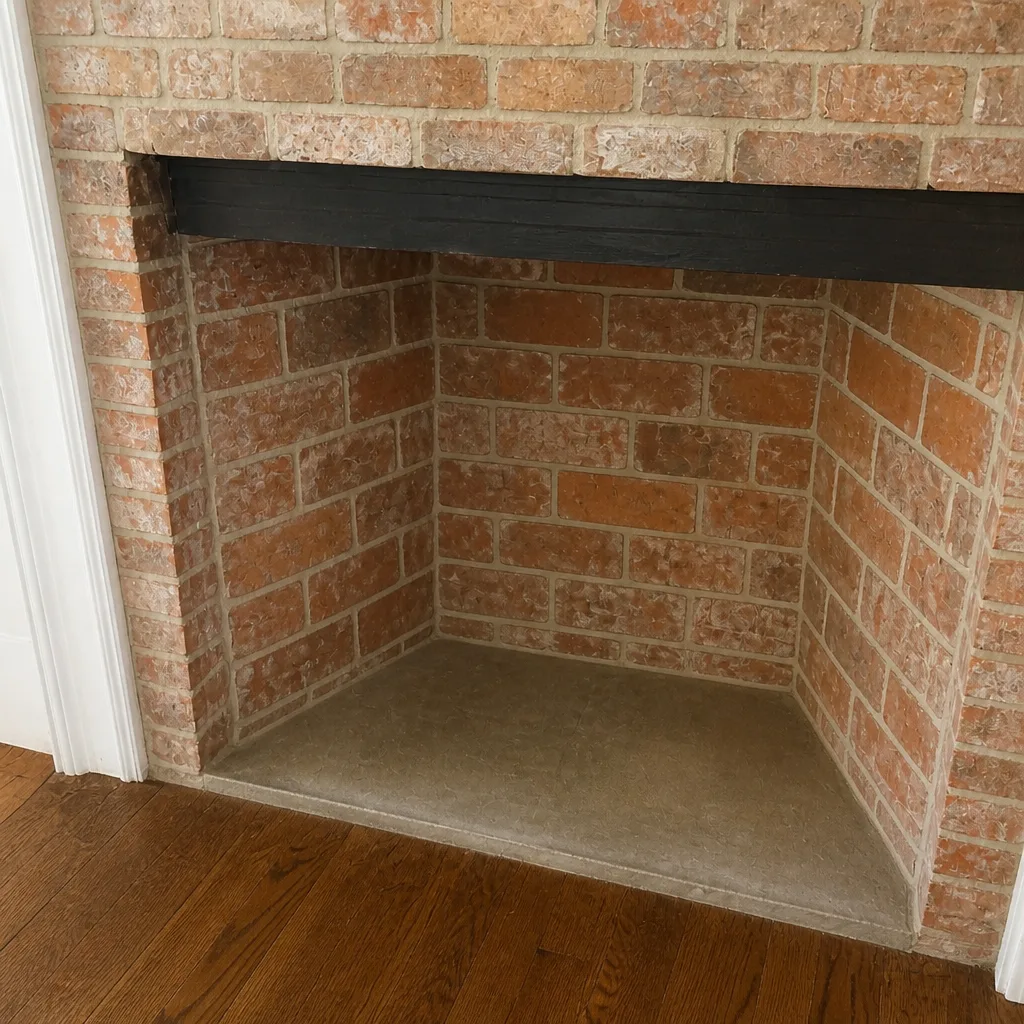 After
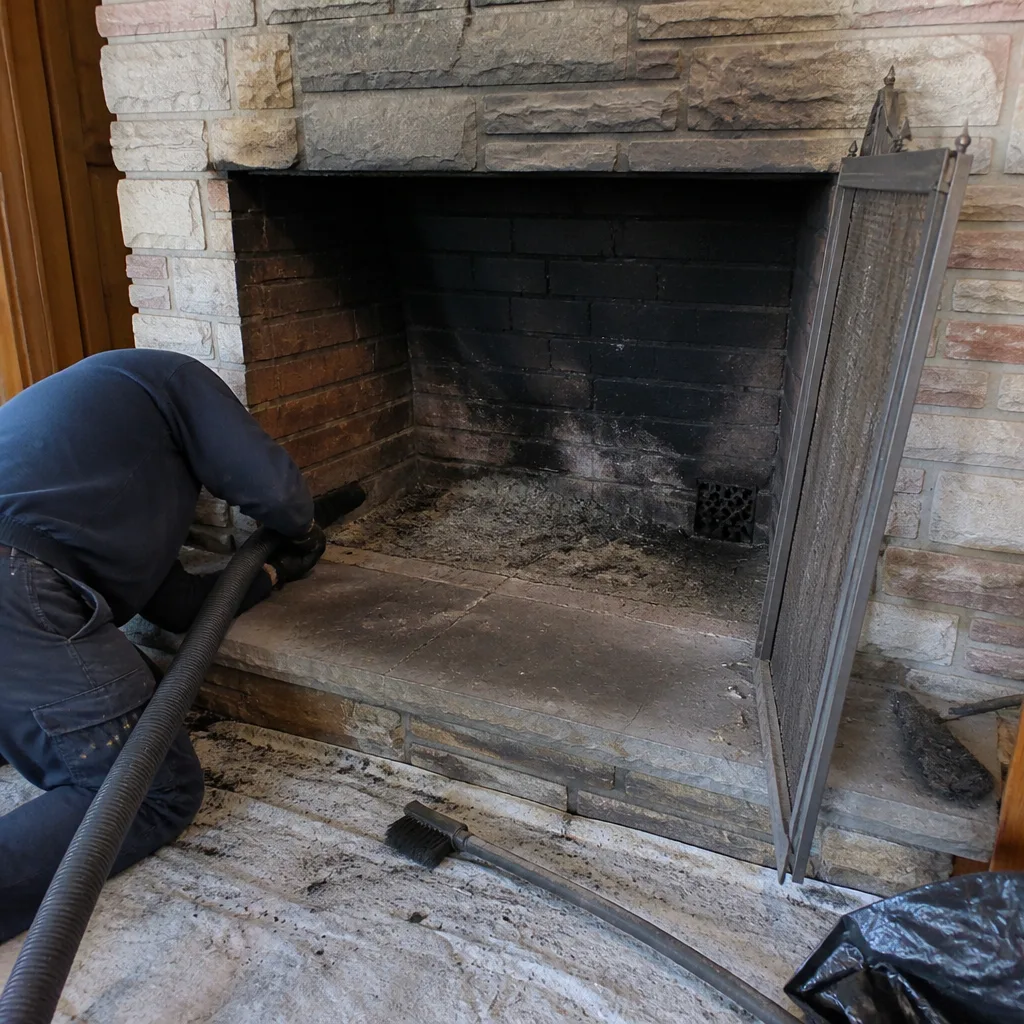 Before
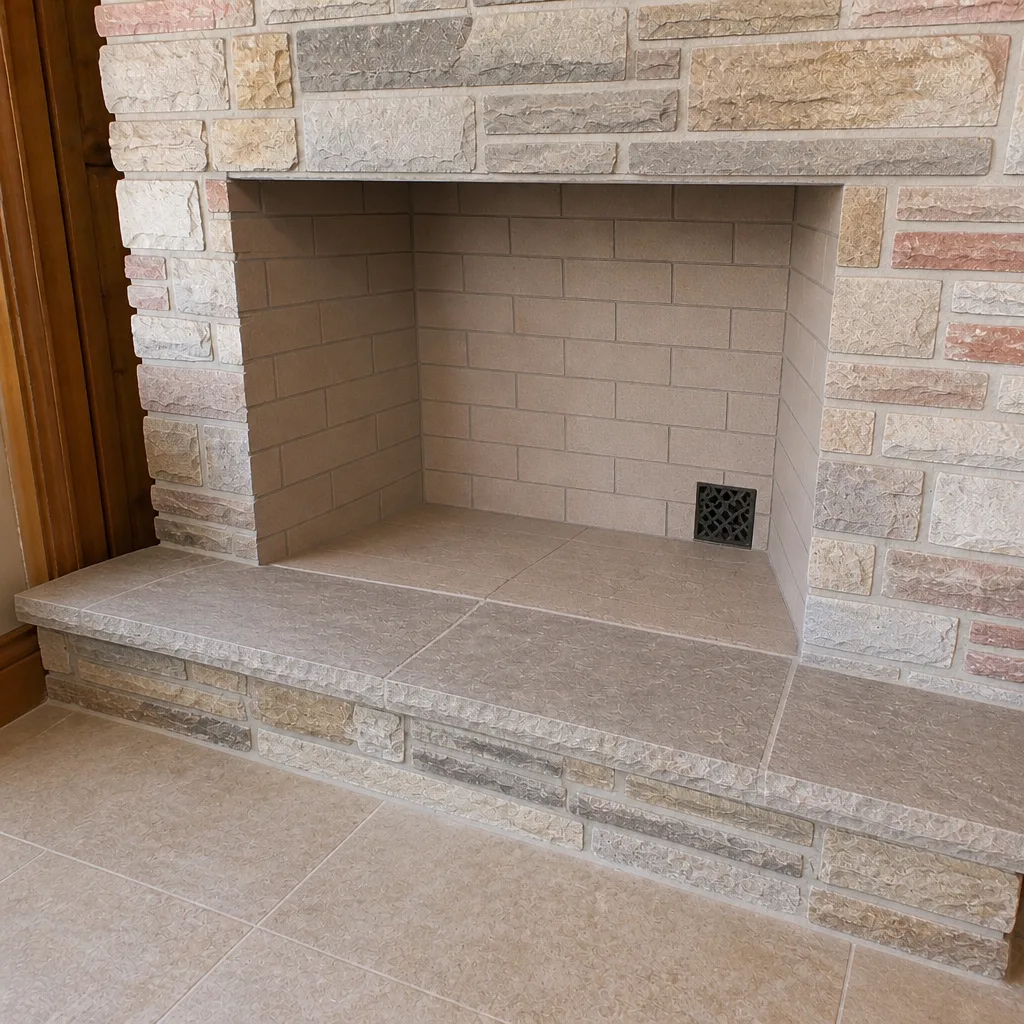 After
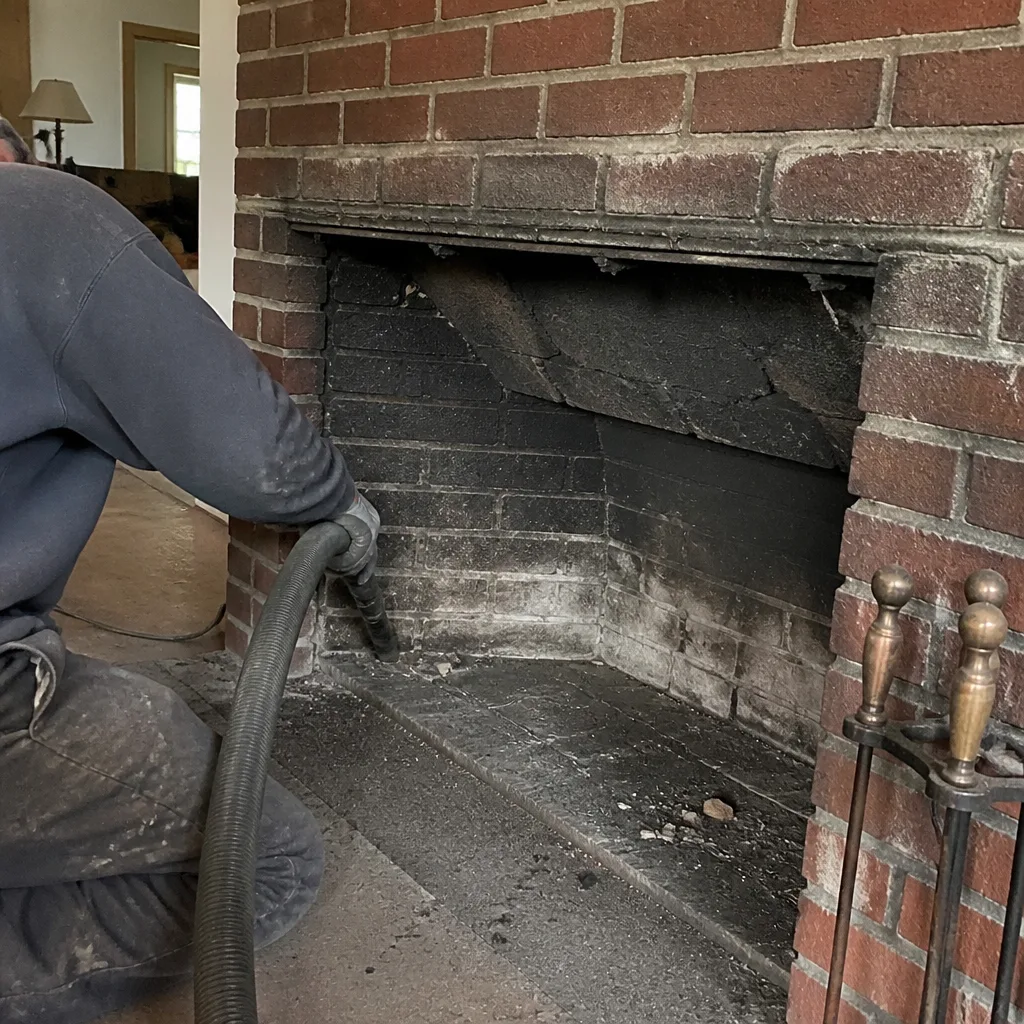 Before
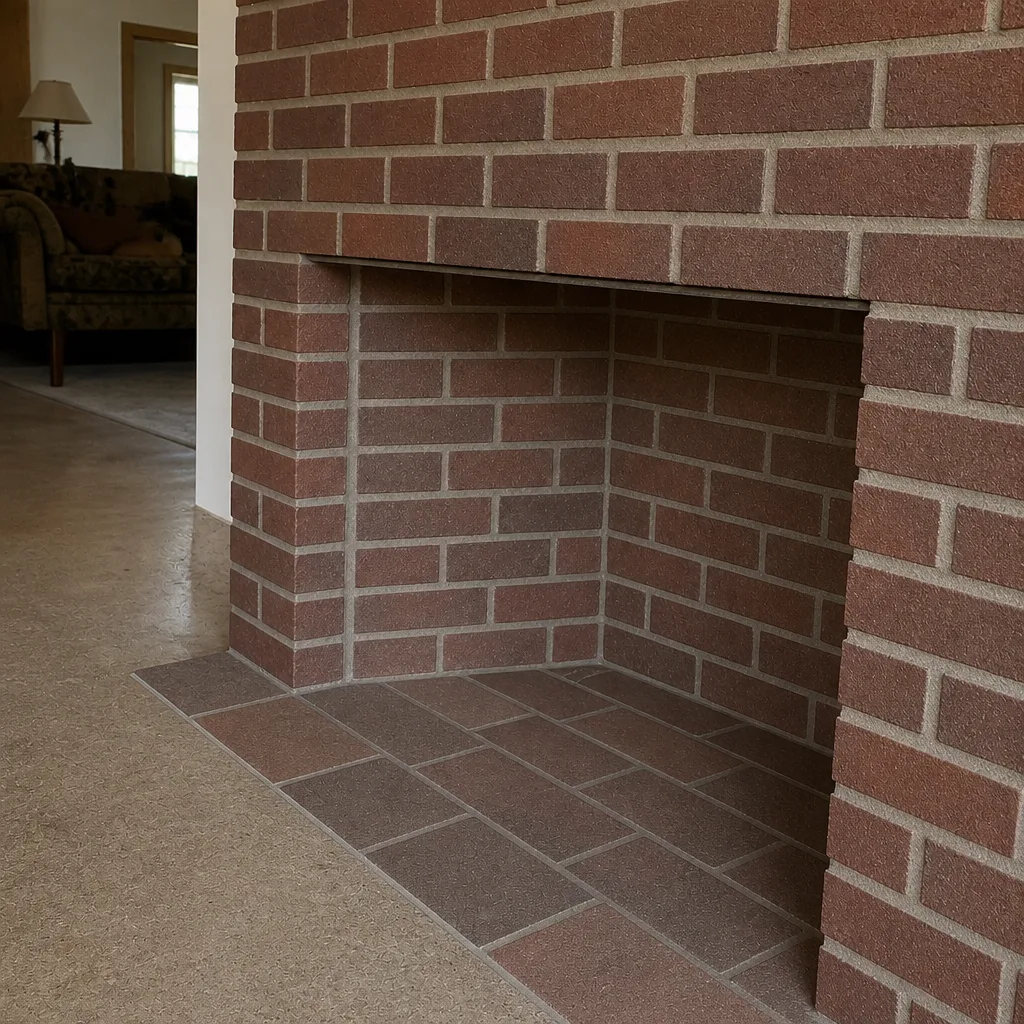 After
When to Call a Professional
Call us when any of these apply: you haven’t had a professional inspection in over a year, your chimney has an insert, a gas log set or a liner, you’re seeing signs of water damage at the crown or flashing, or your flue produces smoke spillage, a persistent creosote smell, or draft problems. Also call if you’ve recently bought a home with a fireplace and want a true condition assessment before you light the first fire, or if you self-cleaned and want the inspection half of the job completed. Chimney Sweep Corona offers free estimates in Corona; call (833) 968-1177. We answer 24/7. Fast dispatch from 7am to 7pm, Sunday through Friday. Our technicians have up to 9 years of experience, and our inspections come with documented findings you can see for yourself.
Frequently Asked Questions
Yes. New York State does not license chimney sweeps and doesn’t require a permit for a homeowner to brush their own flue. The legal part is not the issue. The issue is that brushing alone leaves the inspection unaddressed, and the inspection is what carries the actual value.
Chimney sweeps in this area typically run in the low-to-mid hundreds of dollars for a standard open fireplace, and an inspection is often part of that service. A standalone inspection is priced separately. Your written estimate sets the final price. Call (833) 968-1177 for an exact quote. Estimates are free.
Occasional burning still produces creosote and still leaves the system uninspected. The inspection is the part that flags a failing crown, a cracked flue, or a liner problem before it becomes a fire. An annual inspection costs far less than the damage it prevents, and we’ll tell you plainly when your chimney can safely wait another season.
You’ll clear soot but miss the parts of the system a brush can’t evaluate: smoke chamber condition, liner joints, crown and flashing, clearances to combustibles. The failure modes hide in those parts. Skips in those areas are how a chimney fire or a carbon monoxide problem develops without warning. If you’ve been brushing without an inspection for more than a year, it’s time for a professional look.
Usually not. Most kits skip correct brush sizing, HEPA containment, and the containment cover for the firebox opening. A proper sweep requires correctly sized rods, a matched brush, and effective containment. The missing piece is usually not the brush but the containment and the roof access.
Yes. Self-cleaning history is fine, and we do the inspection as a standalone service whether or not a sweep is part of the visit. What we’ll do is document what we find, show you the camera pass and photos, and tell you plainly what can safely wait versus what needs attention this season. If certain liner or repair needs come up, we’ll explain which solution fits your flue’s condition, whether that’s a HeatShield restoration, a DuraFlex liner, or work with parts from Olympia Chimney, Gelco or Famco for cap, crown and flashing. Call (833) 968-1177 to schedule. We answer 24/7. A call outside dispatch hours is booked into the next opening, Sunday through Friday, 7am to 7pm.
The Bottom Line
DIY chimney cleaning is legal in New York and reasonable in exactly one scenario: a simple open masonry fireplace, professionally inspected within the last year, brushed carefully with the right tools and containment. In every other scenario, the inspection is the job that matters, and it requires training you didn’t learn from a hardware store. If your system includes an insert, a gas log set or a liner, or if you can’t remember your last inspection, call us before the next fire. Call (833) 968-1177 for a free estimate. We answer 24/7, and fast dispatch runs from 7am to 7pm, Sunday through Friday.
Written by the team at Chimney Sweep Corona.