
Last updated November 24, 2026
 Sweep & inspection
 Caps & crowns
 Flue relining
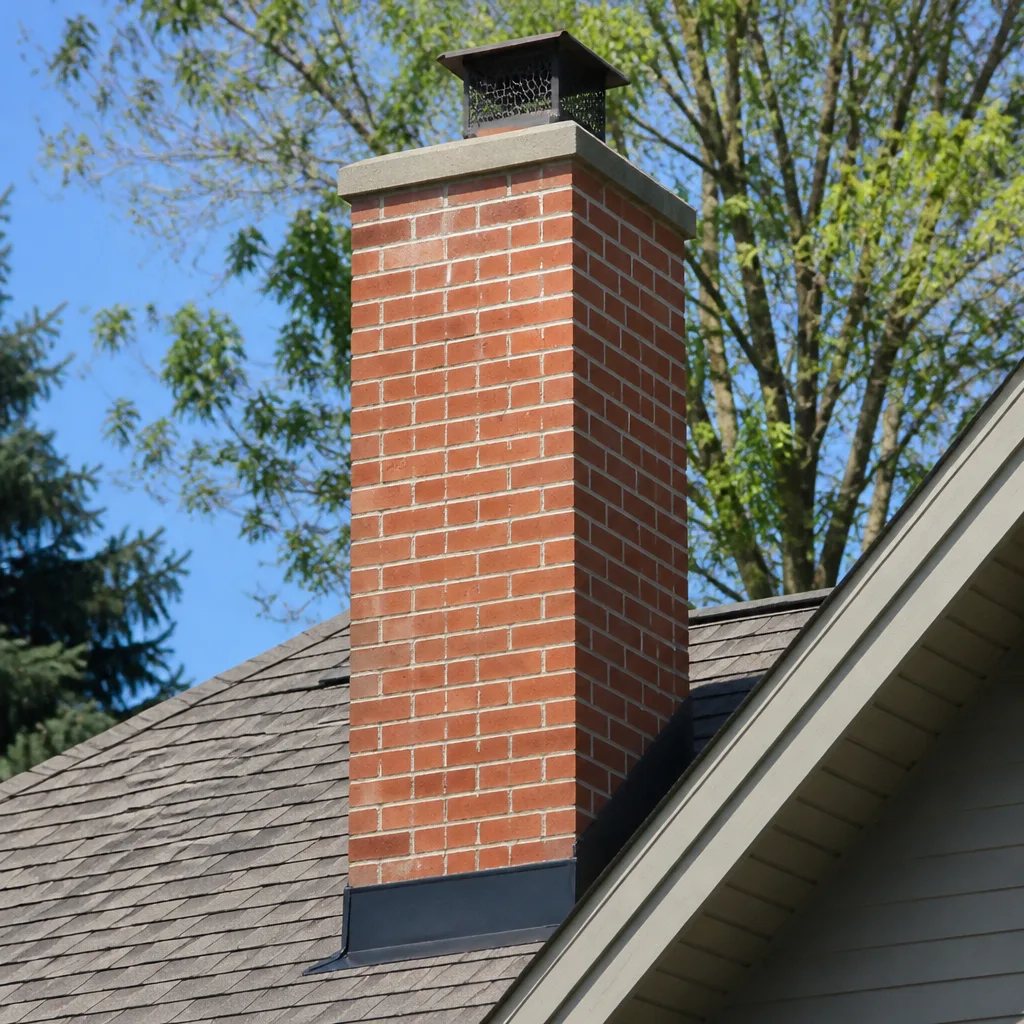 Masonry repair
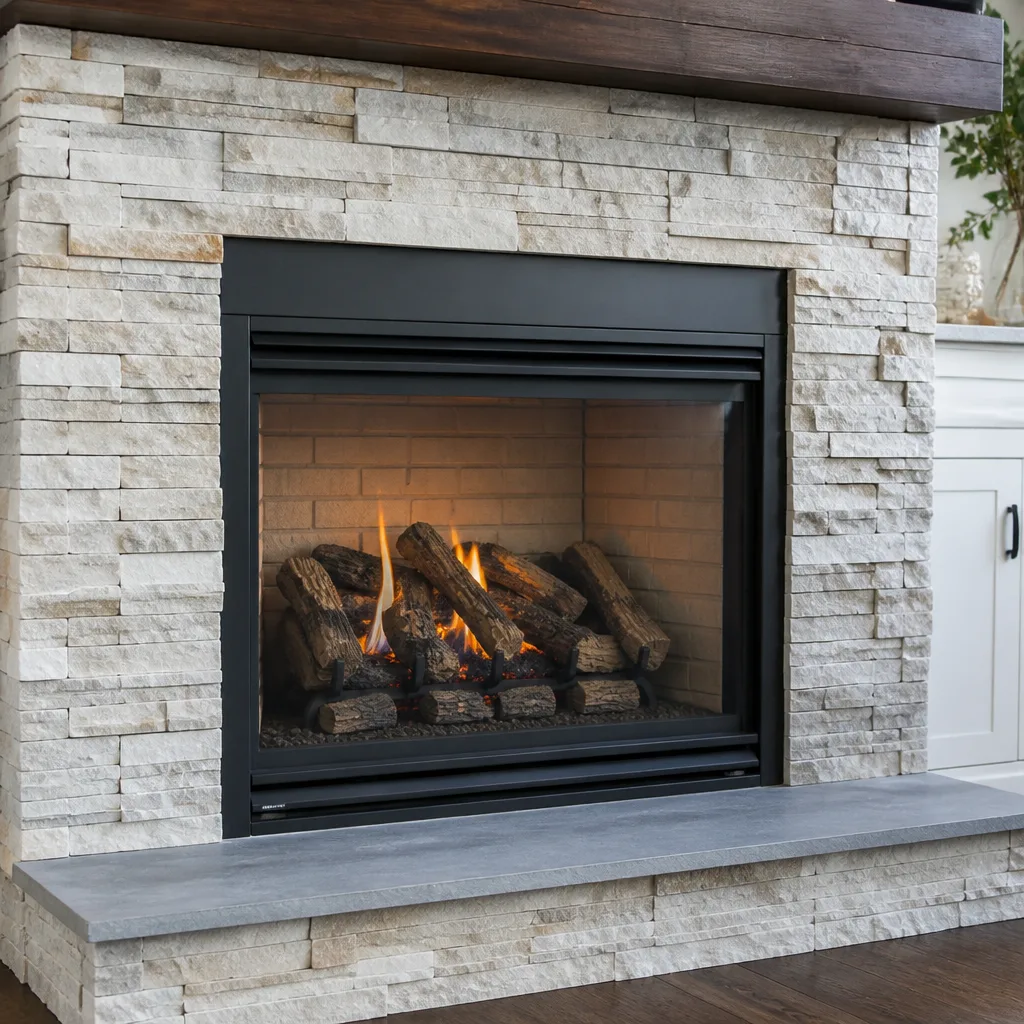 Gas fireplace service
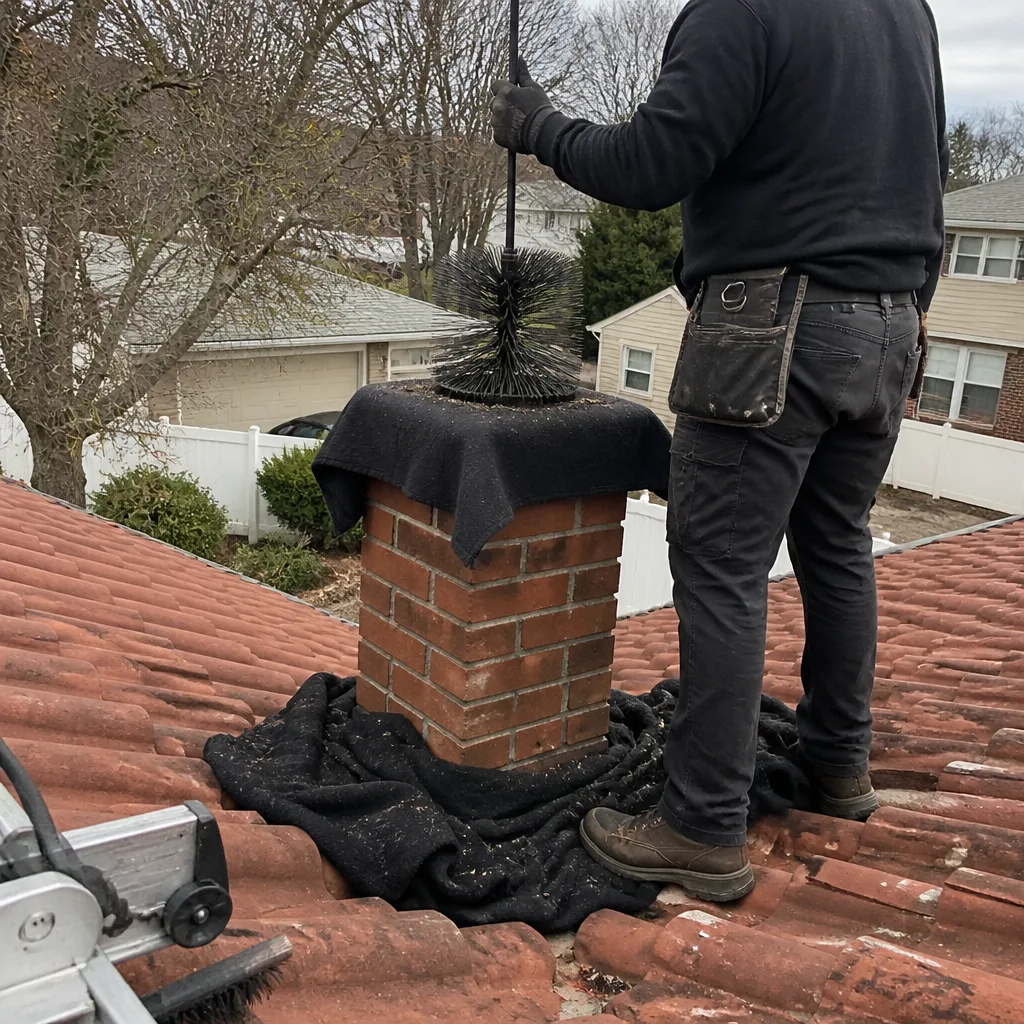
Level 1 sweep and inspection to the NFPA 211 annual standard - flue, crown, cap, and flashing checked and photographed
Chimney sweep logs do not sweep chimneys. They loosen some creosote - which then falls where a brush and vacuum still have to collect it.
Seasonal Chimney Cleaning Care for Corona: Year-Round Homeowner’s Guide
Most chimney advice arrives in October, when the backlog is already three weeks deep and the first cold snap is in the forecast. The familiar line to “get it cleaned before winter” isn’t wrong, but it’s incomplete. Corona’s chimney care actually runs through four distinct seasons, and each one exposes a specific task that, if skipped, compounds into a bigger problem by the following year. A masonry crack that goes unsealed through a wet spring turns into a crown failure by fall. A bird nest left in the flue through summer becomes an obstruction the first time you light a fire. What you’ll find here is a full calendar: what to schedule when, why the timing matters in Corona’s climate, and how to spread the work so it never lands as one large annual bill.
Quick Answer
The right question isn’t “when should I sweep my chimney?” but “which chimney task belongs to which season?” In Corona, late summer is the highest-value window to schedule a sweep and any masonry repair, because it’s the only stretch where you can identify, quote, and complete structural work before the wet, cold cycles of fall and winter make cracking worse. A pre-season sweep belongs in late summer or early fall, not November. Liner and crown work cures best in warm weather. Mid-season checks catch draft and odor problems under active use. Annual, year-round attention keeps the system compliant and safe rather than scrambling once a year.
Styles & brands we work with
- Sweep & inspection
- Caps & crowns
- Flue relining
- Masonry repair
- Gas fireplace service
Table of Contents
- Why Chimney Care in Corona Is a Four-Season Job
- Spring: Watching for Nesting Animals and Moisture After Winter
- Summer: The Best Window for Mortar, Crown, and Liner Work
- Fall: Pre-Season Sweep Timing Before the First Fire
- Winter: Mid-Season Checks Under Active Use
- How to Stagger Chimney Tasks Across the Year
- Signs Your Chimney Needs Attention Right Now
Why Chimney Care in Corona Is a Four-Season Job
A chimney is a structure exposed to rain on one side and fire on the other, and Corona’s weather gives it both. Winters here bring repeated cycles of freezing and thawing. Water works into hairline mortar joints during wet spells, freezes overnight, expands, and pushes the masonry apart a fraction more each time. Over several winters that movement turns a cosmetic crack into a structural one. Summer contributes its own stress: heat drives the curing of refractory mortar and sealants, and moisture that crept in before the cold stays trapped if nothing drains or dries properly.
The core mistake is treating the chimney as a one-task-per-year appliance. Sweep it in autumn and the rest of the year takes care of itself. That’s not how the system ages. The mortar on the crown, the flashing at the roofline, the flue liner, the damper, and the firebox all degrade on separate clocks. A single annual sweep addresses one of them, and often it’s the least urgent.
When we inspect a Corona chimney in late summer, we’re looking at three things at once: what the fire season left behind, what the summer is doing to the material, and what the coming winter will stress. That triage is why a four-season framework beats a single appointment. You spend less overall, because small tasks caught in the right season stay small. You stay compliant, because nothing waits a full year to be checked. And you go into each winter knowing the system is sound rather than hoping it is.
The framework also matches how a chimney professional actually works. From the crown to the firebox, every task has a best window. A Chimney Sweep Corona visit in July looks different from a January visit, not because the service changes but because the problems do. Our technicians have up to 9 years of experience reading those seasonal signals, and the calendar below is how we’d schedule a well-kept home.
Spring: Watching for Nesting Animals and Moisture After Winter
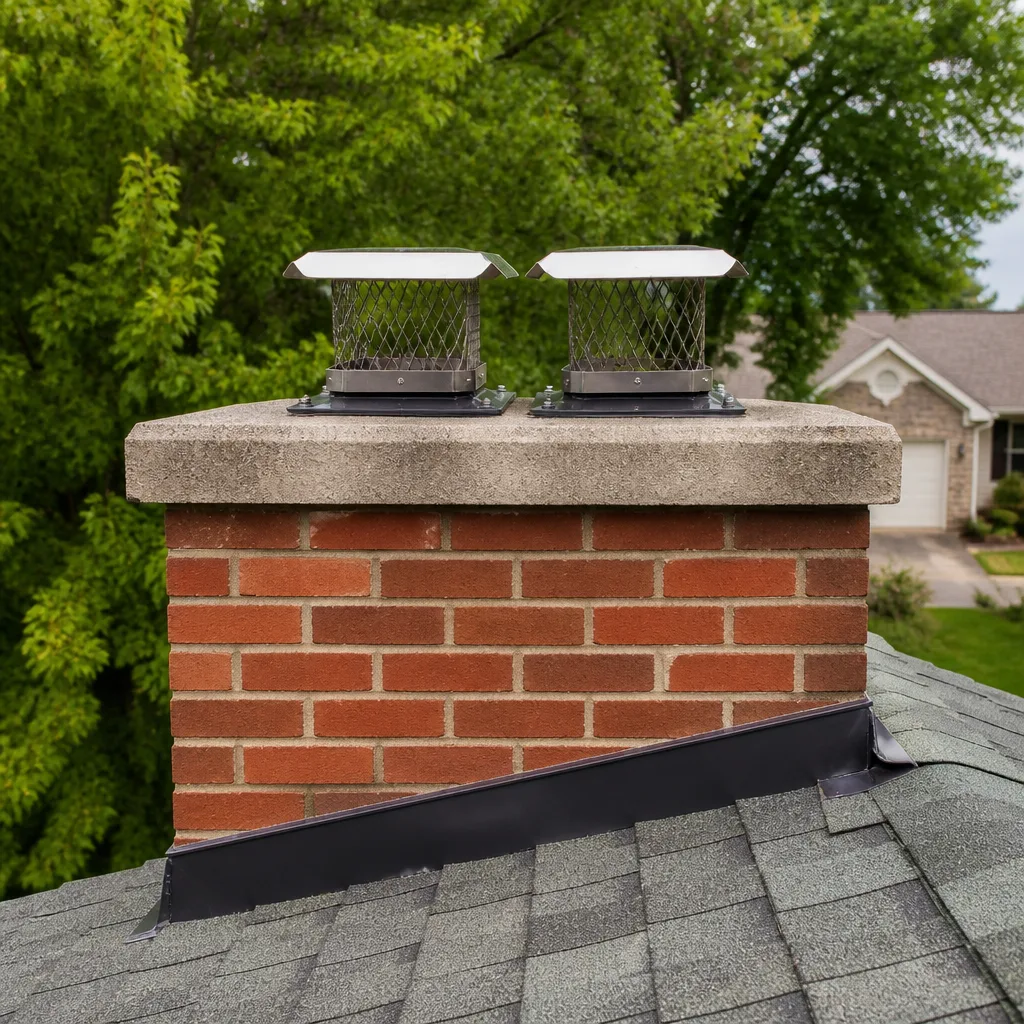
Spring is the quiet season for fires and the loud season for everything else. The first warm weeks bring birds and squirrels looking for a sheltered spot to nest, and an uncapped flue is a standing invitation. A nest packed into the smoke chamber doesn’t just block the flue. It crowds the passage, can catch fire under the next season’s heat, and, for birds and animals, traps whatever is inside. A chimney cap & crown work is what closes that opening, and it’s the reason a proper stainless cap with a mesh screen belongs on every flue, not just the ones that have already hosted a nest.
Spring is also when winter moisture damage becomes visible. As the freeze-thaw cycle ends, you can finally see what it did: spalling brick faces, crumbling mortar joints, water staining inside the firebox, or rust on the damper. This is a different inspection protocol than a pre-season sweep. A spring assessment is diagnostic, not a cleaning. It asks where water is entering, whether the crown is shedding it or holding it, and whether the flashing has pulled away from the masonry.
Three spring checks we recommend:
- Look up at the crown from ground level. A healthy crown sheds water away from the flue. A cracked or flat one pools it, and that water finds the weakest joint.
- Check the firebox and smoke chamber for staining, rust, or a musty smell. These point to moisture that got in and hasn’t dried out.
- Confirm the flue is capped and the mesh is intact. Any gap larger than a squirrel can squeeze through will eventually be found.
Not every spring finding needs work done immediately. If we see a nest and a hairline crack on a mild Corona day, we’ll tell you plainly what can safely wait until the summer window and what can’t. Nothing gets recommended on this page without camera evidence you can see for yourself. That’s the standard we work to from the crown to the firebox.
Summer: The Best Window for Mortar, Crown, and Liner Work
Summer is the highest-value season for real chimney repair, and it has nothing to do with convenience. Masonry and refractory materials need warm ambient temperatures and dry conditions to cure properly. Heat-cured refractory mortar, crown sealants, and castable materials develop their strength through a controlled cure: they need stable warmth and no rain soaking the joint while it sets. A mortar repair done in a 75-degree July conditions far better than the same repair rushed in a cold, damp November. Patch a joint when it’s cold and wet, and it can fail before the next season even ends.
This is the window when the diagnosis from spring becomes action. Mortar joints get repointed. The crown gets rebuilt or sealed. Flashing gets reset. And if the flue liner is damaged, summer is when the material choice and the cure time both behave.
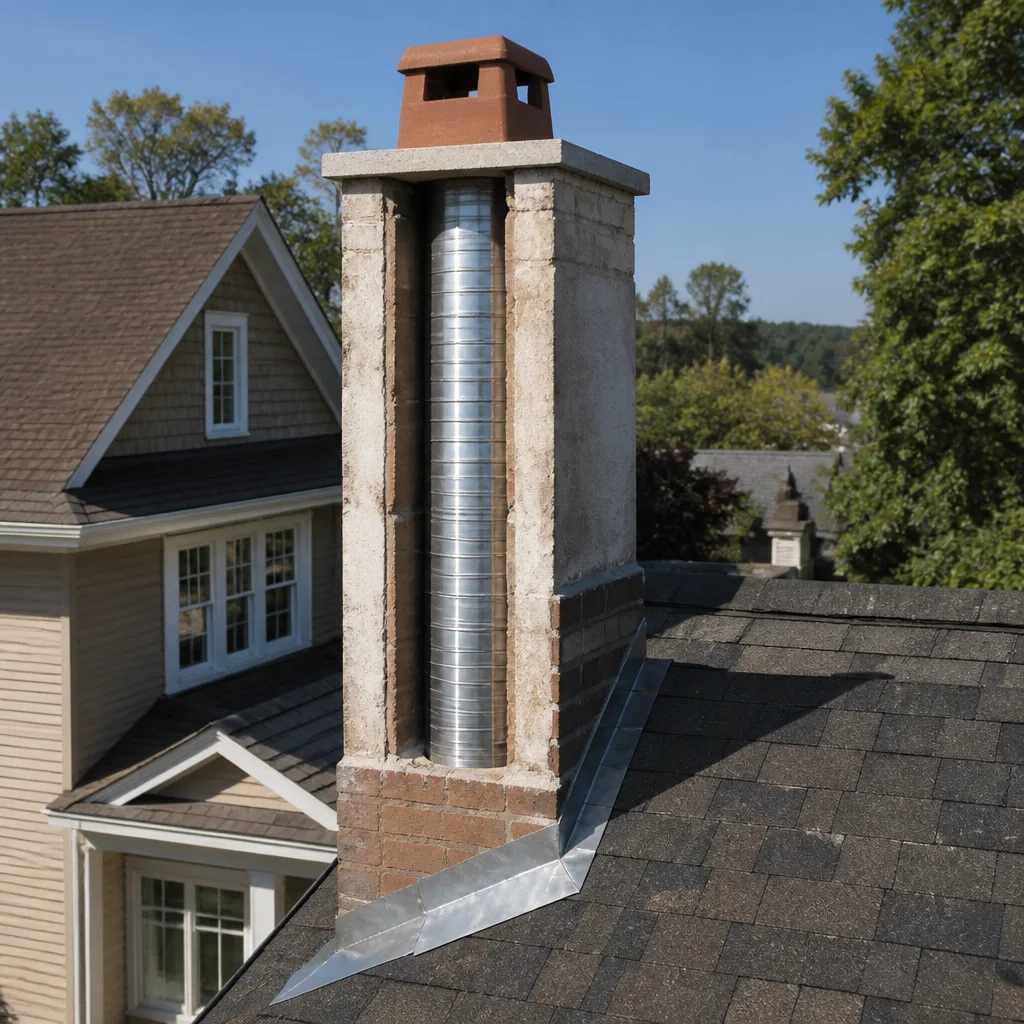
We specify DuraFlex, HeatShield, and Olympia Chimney because each has a defined purpose. HeatShield is a liner restoration system, not a full replacement, and it’s the option most general contractors either don’t know about or aren’t trained to apply. Whether restoration is right for you, or whether a full DuraFlex stainless liner makes more sense, depends entirely on the condition of your flue. A HeatShield-certified application lets us assess that on the diagnostic rather than defaulting to the most expensive option.
What summer work typically includes:
- Mortar repointing. Broken joints replaced with the right mix before fall rains test them.
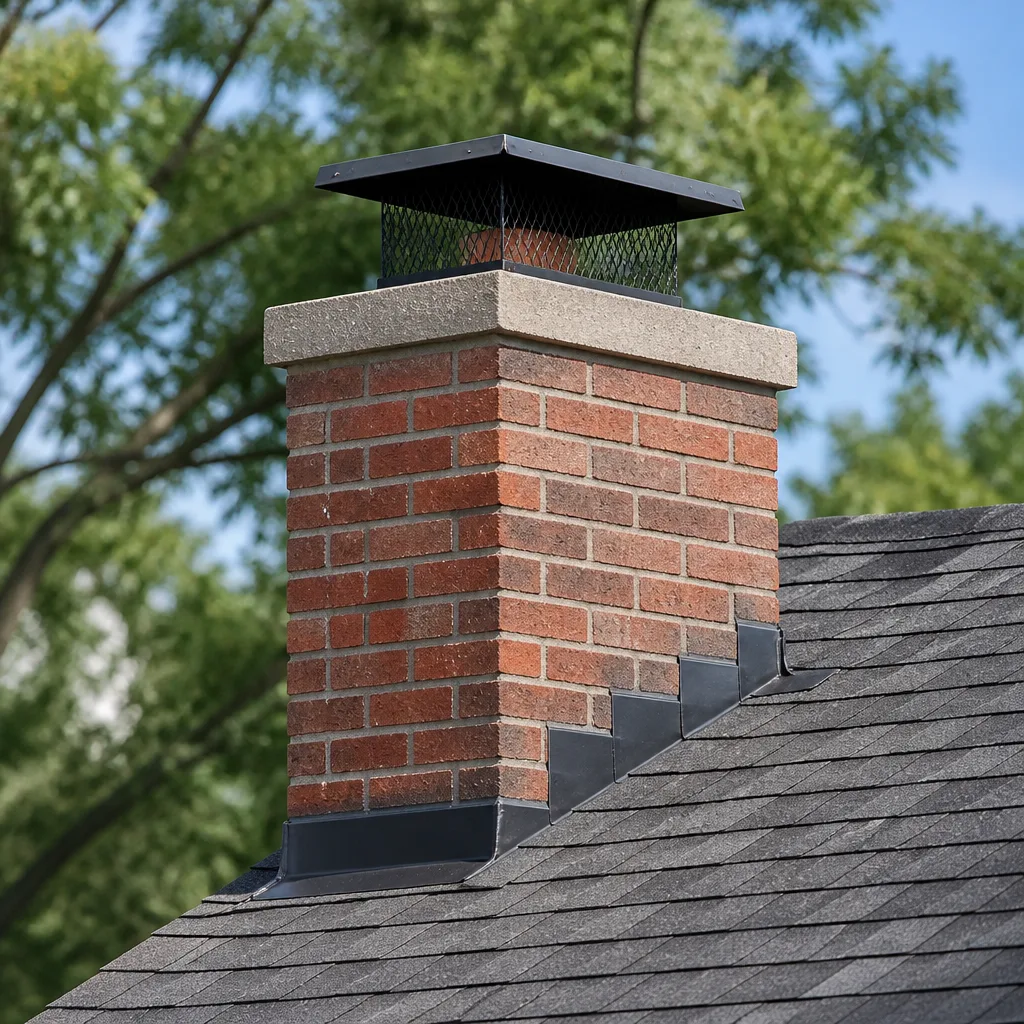
- Crown repair or rebuild. Using Gelco and Famco components, hardware with manufacturer specifications rather than generic parts.
- Flashing and cap work. Sealing the roofline where most leaks actually start.
- Liner assessment and repair. Restoration where the flue allows it, full replacement where it doesn’t.
If you’re selling or buying a home in Corona, a summer inspection done as a standalone service gives you a true condition report before the closing, not a sweep that doubles as a sales pitch. A chimney repair that gets scheduled now may be one that can wait until spring without harm, and we’ll tell you which is which.
Fall: Pre-Season Sweep Timing Before the First Fire
The most important scheduling decision of the year is when to book the pre-season sweep. In Corona, most homeowners wait until the first genuinely cold day, and that’s exactly when the backlog hits. By November, most certified specialists are booking three weeks out or more, which means the first fire often gets lit in a chimney that either hasn’t been swept or hasn’t been inspected in years. Book the sweep in late summer or early fall, tied to your expected first-use date, and you avoid the rush entirely.
Why the timing matters more than the appointment itself: a sweep removes creosote and obstructions, but it doesn’t tell you whether the flue is structurally sound. That’s a separate job, which is why a chimney inspection isn’t an upsell here. It’s a starting point. The right sequence is inspection first, so you know what condition the system is in, then sweep, then any repair identified, all before the first fire.
Fall is also when a lot of draft complaints appear. A cold flue, a partly blocked cap, or a slightly short chimney can all cause smoke to roll back into the room the first time you light up. If you experienced this last season, fall is the season to diagnose it, not January. We check the flue height, the cap, and whether the liner is intact, because a draft problem is usually a chamber problem in disguise.
What a proper fall visit covers:
- Inspection with camera documentation of the flue, smoke chamber, and firebox.
- Sweep removing soot, creosote, and any debris from the season’s nesting or leaf litter.
- Cap and crown check confirming the top of the system is still watertight and screened.
- Draft test so smoke behavior is predictable before you rely on the fireplace.
Fall is not a good season for major masonry. Cold, wet weather doesn’t let mortar and sealants cure correctly. If inspection finds structural damage in the fall, we’ll quote it honestly, tell you whether it can safely wait for the summer window, and protect the flue in the meantime.
Winter: Mid-Season Checks Under Active Use
Winter isn’t a season for big repairs, but it’s when a developing problem first makes itself felt. Under active use, a chimney that performed fine in October can develop a draft issue, a funny smell, or smoke that rolls out of the fireplace instead of up the flue. These are signals, not nuisance complaints. The three most common winter symptoms we hear about:
- Unusual odors. A strong smoky or acrid smell, especially on mild days or when the fire dies down, often means creosote buildup or moisture mixing with soot in the flue.
- Draft reversal. Smoke entering the room rather than rising up the chimney can come from a blocked or damaged cap, a pressure problem, or a compromised liner.
- Smoke rollout. A puff of smoke when you open the firebox door can be normal on a cold start. Persistent rollout under active burning points to a flue problem that needs attention now.
Any of these is a reason to stop using the fireplace and get the flue checked. Carbon monoxide is the reason this isn’t negotiable. A blocked or cracked flue can let combustion gases back into the room, and a working smoke alarm and CO detector are the first line of protection. We won’t tell you it’s safe to keep burning if we haven’t seen the flue.
Winter is also when we get the “I should have done this in summer” call. A liner that needs replacement in January, or a crown that fails in the frost, gets addressed urgently but not at the price or convenience of a planned summer job. A mid-season check, done alongside the seasonal sweep schedule, catches these problems while they’re still small.
If you have a winter symptom, call us. We answer 24/7. Fast dispatch from 7am to 7pm, Sunday through Friday. A winter visit is diagnostic: it tells you whether the fire can stay lit or whether the system needs protecting until the repair season returns.
How to Stagger Chimney Tasks Across the Year
One of the reasons homeowners avoid chimney care is the fear of a single large bill landing all at once. Spreading the work across the four seasons solves that. It also aligns each task with the weather that lets it succeed. Here’s how a well-kept Corona home looks across a calendar year:
- Spring (late March through May): A diagnostic inspection to catch winter’s moisture and freeze-thaw damage, plus a check for nests and debris in an uncapped flue. Low-cost, high-information.
- Early summer (June through July): Any masonry, crown, flashing, or liner work the spring inspection identified. This is the window that lets materials cure correctly.
- Late summer (August): The pre-season sweep, scheduled before the November backlog.
- Early fall (September through October): Draft testing, a final cap and crown check, and confirmation the system is ready for the first fire.
- Winter (as needed): Mid-season checks for odors, draft reversal, or rollout. Diagnostic only; structural work waits for summer unless it can’t.
The advantage is budget predictability as much as safety. When a homeowner asks “do I really need a new liner right now,” the answer often depends on the season. A flue that’s marginal for the coming winter can be protected and serviced over the next warm window. A flue that’s actually unsafe gets flagged immediately, regardless of what month it is. The consistent rule is that we show you the evidence, we tell you what can wait, and the written estimate sets the final price. Nothing gets recommended you can’t verify with your own camera evidence.
This is why we offer cap and crown work using Gelco and Famco components, and why we install DuraFlex, HeatShield, Olympia Chimney, and Copperfield materials. Not every home needs all of them. The point is that when a concrete repair is right, the material is specified for the job, traceable, and backed by manufacturer standards, not whatever is cheapest that week.
Signs Your Chimney Needs Attention Right Now
Some chimney problems can wait for the right season. Others can’t. These signs mean the fireplace should be out of service until the flue is checked:
- Smoke rolling back into the room during normal burning, not just on a cold start.
- A strong creosote or acrid smell that persists even when the fire is out.
- Visible masonry cracks on the outside of the chimney, or pieces of mortar in the firebox.
- Water stains or rust in the firebox or smoke chamber.
- Debris or a nest blocking the flue or sitting on the smoke shelf.
- A carbon monoxide alarm going off with the fireplace running.
These aren’t alarmist warnings, they’re the honest reason to act. A creosote-charged flue can catch fire; a cracked or blocked flue can let carbon monoxide back into a living space. The safety concern is specific and real, and it’s why we always recommend a trained professional for anything involving the flue liner, the firebox, or the smoke chamber. We won’t walk you through repairing those yourself, because the high-temperature materials and confined spaces involved make it a job for someone who knows the code and has the documentation.
Common Mistakes to Avoid
- Booking the sweep in November. Most certified specialists are three weeks out by then. The right time is late summer or early fall, tied to your first-use date.
- Skipping the standalone inspection. A sweep without an inspection tells you what was cleaned, not what’s wrong. Inspection is a starting point, not a bonus bundled into a cleaning.
- Assuming a sweep is all you need after a cold winter. Freeze-thaw damage to the crown and mortar will not show up in a sweep. Spring is when it appears.
- Doing masonry in the cold. A mortar patch or crown seal done in cool, wet weather cures poorly and can fail within one season. Summer is the only reliable window in Corona’s climate.
- Leaving the flue uncapped. Every open flue is an opening for nesting birds, squirrels, and debris. A correctly fitted cap with a mesh screen closes it without reducing draft.
- Accepting a liner replacement without seeing the evidence. HeatShield restoration is a cost-conscious alternative to a full replacement when the flue allows it. Make sure the recommendation comes with camera evidence and a reason, not just a price.
- Ignoring winter symptoms until spring. A draft reversal, unusual odor, or smoke rollout under active burning is a reason to stop using the fireplace and call, not wait out the season.
See the difference
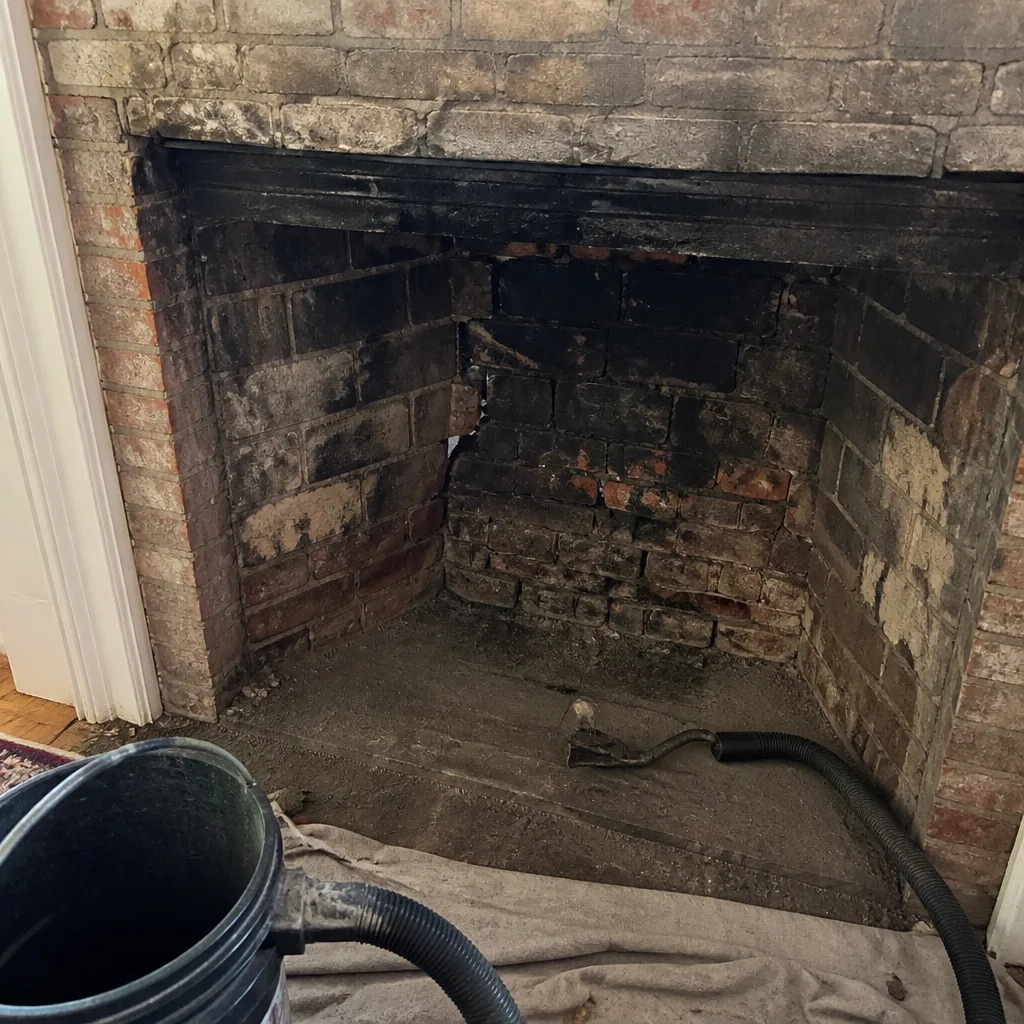 Before
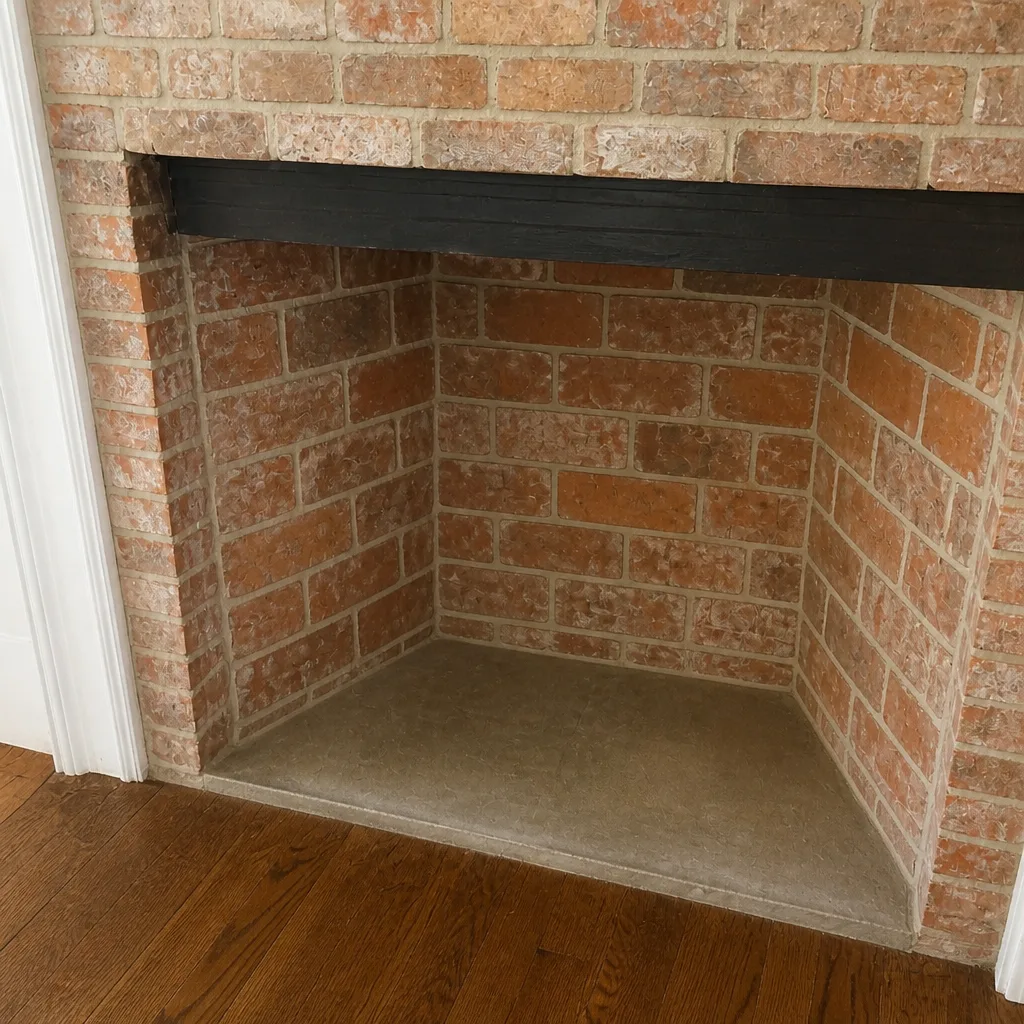 After
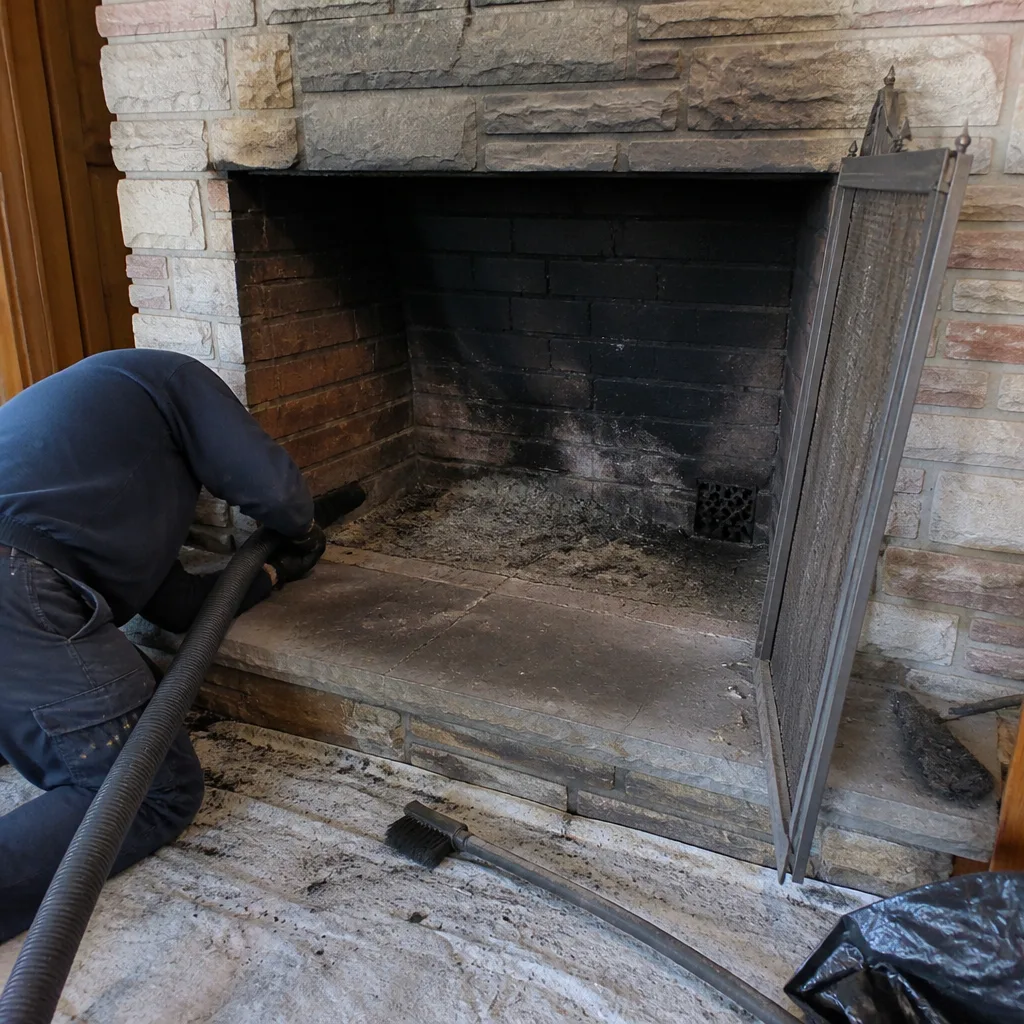 Before
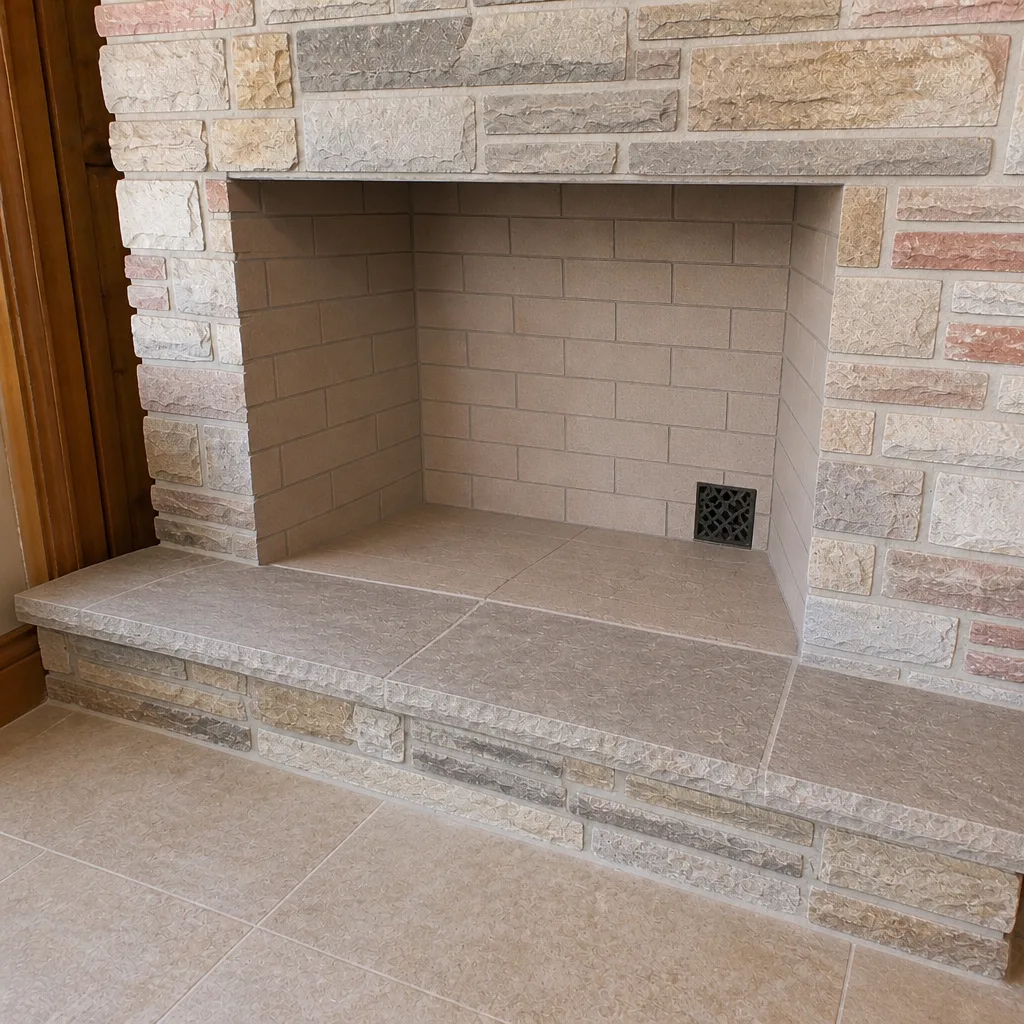 After
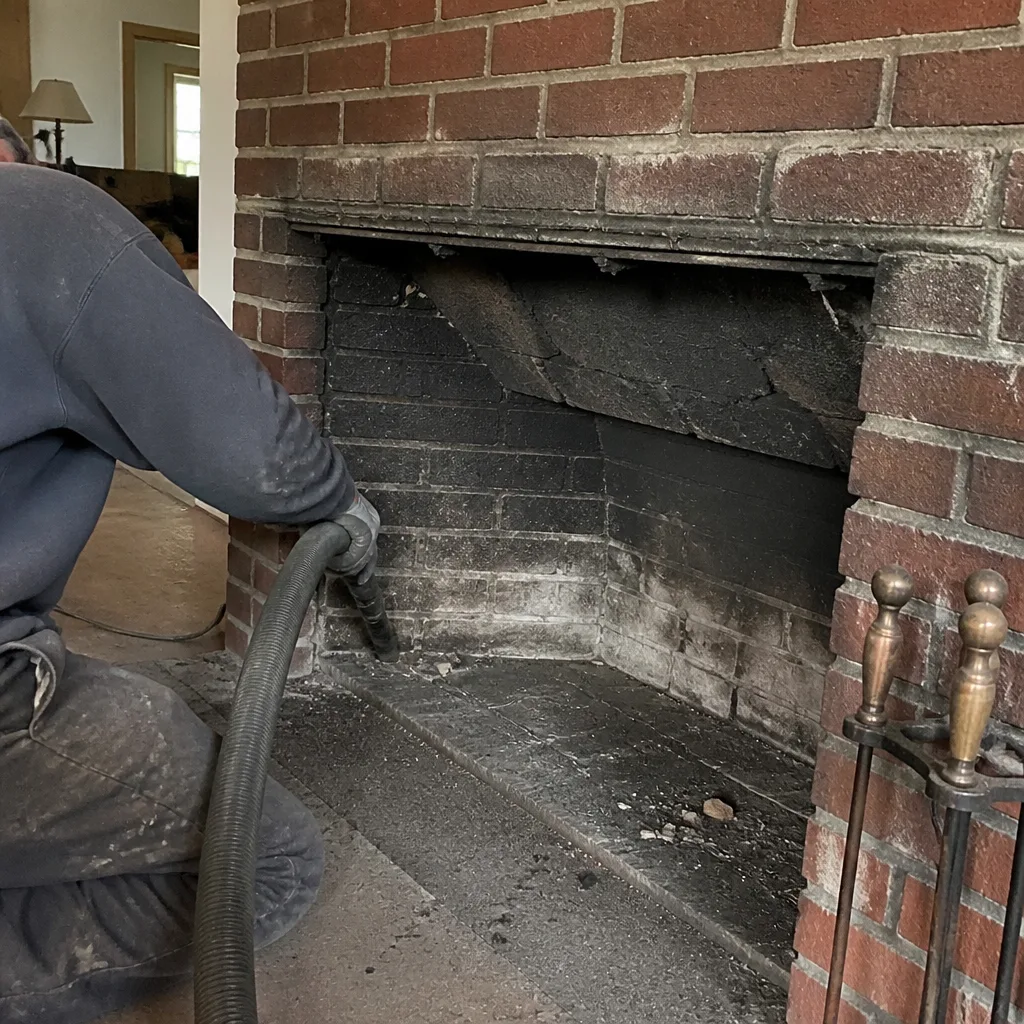 Before
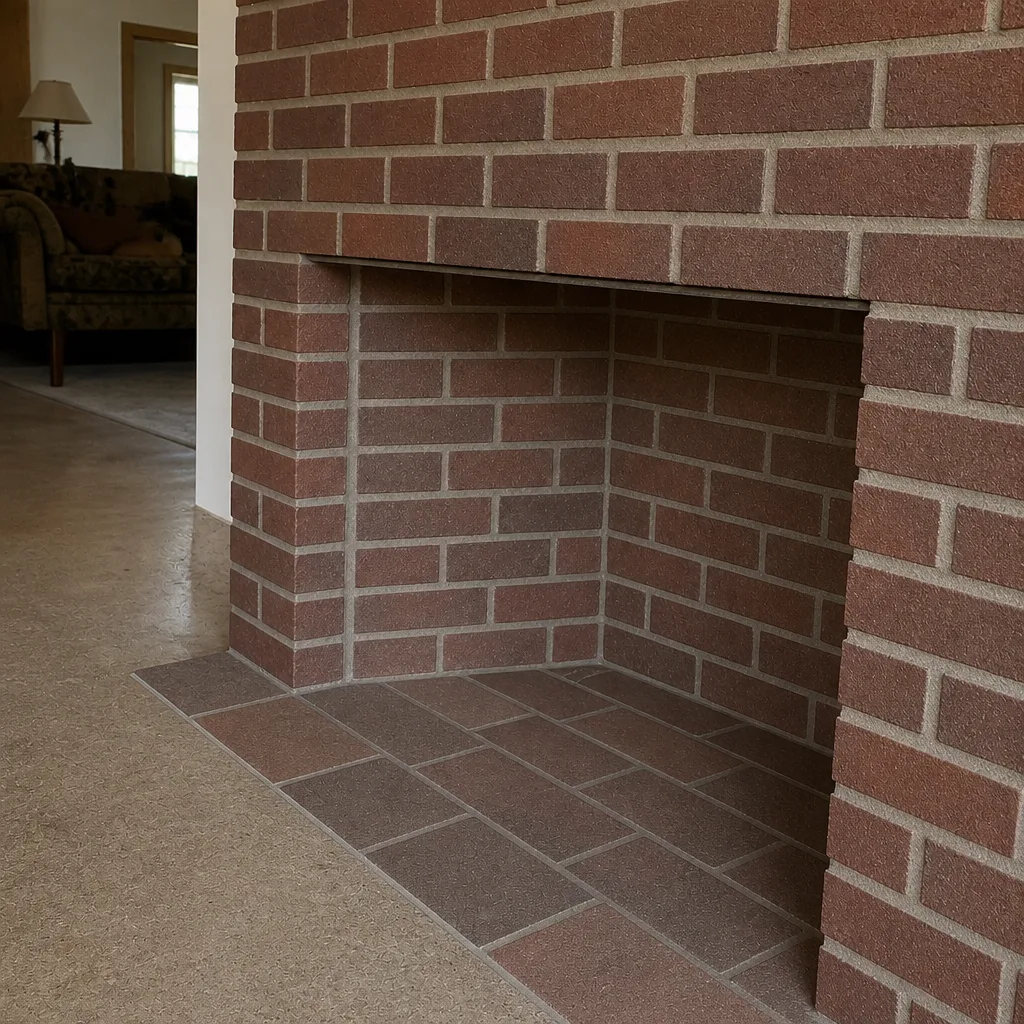 After
When to Call a Professional
Call a professional any time you’re unsure about the condition of the flue, the brickwork, or the firebox. With chimney work, the danger is in what you can’t see. A cracked flue liner, a creosote layer, or a damaged crown all look fine from the hearth and can’t be assessed from the ground. That’s why a camera inspection done as its own service is the right first step for a newly purchased home, a fireplace you haven’t used in a year, or a season of unexplained draft problems. From the crown to the firebox, the safest path is a documented assessment, a clear explanation of what needs doing now versus what can wait, and a written estimate.
Chimney Sweep Corona offers free estimates in Corona. Call (833) 968-1177 and we’ll book an inspection, a seasonal sweep, or a diagnostic visit depending on the season and the symptom you’re seeing.
Frequently Asked Questions
Late summer is the best time to schedule a chimney sweep in Corona, ideally in August, before the fall backlog builds. By November, most certified specialists are three weeks out or more, which means the first fire often gets lit before the flue has been swept or inspected. Book the sweep in late summer and tie it to your expected first-use date. Call (833) 968-1177 for an exact quote – estimates are free.
A chimney should be swept once a year for most homes that use their fireplace regularly, and the annual sweep belongs in late summer or early fall in Corona’s climate. A home that burns constantly through winter may need a mid-season check as well. The sweep itself is only half the job; the inspection that accompanies it tells you what condition the flue is in. Call (833) 968-1177 to arrange your seasonal sweep – estimates are free.
The right answer depends on your flue’s condition, which is why we look with a camera before recommending anything. HeatShield liner restoration is a cost-conscious alternative to full replacement when the flue allows it, and it’s a specialized application most general contractors either don’t know about or aren’t certified to apply. If the flue can be restored, restoration is usually the better answer. If it can’t, a full liner from DuraFlex or Olympia Chimney may be the right call. Call (833) 968-1177 for a documented inspection – estimates are free.
What happens is that creosote and moisture both build unnoticed, and the two most serious chimney risks, a flue fire and carbon monoxide backdraft, become more likely. Skipping a season also means missing the window when a small masonry repair would still be cheap; by the next spring, that crack may have spread into the crown. The real risk is not an inconvenience but a safety problem that compounds. Call (833) 968-1177 to schedule a sweep or inspection – estimates are free.
Smoke that rolls into the room during normal winter burning usually points to a flue problem: a blocked or damaged cap, a cracked liner, or a pressure issue in the chimney. Because the flue can’t be seen from the hearth, this is a job for a camera inspection, not a guess. Stop using the fireplace until the flue has been checked. Call (833) 968-1177 for a winter diagnostic visit – estimates are free.
Diagnostic work can be done any season, but structural masonry and liner repair in Corona should wait for the summer, when warm, dry weather lets mortar and refractory materials cure correctly. Cold, wet conditions cause patch work to fail prematurely. Winter is for checking and protecting the flue; summer is for fixing it. Call (833) 968-1177 and we’ll tell you honestly what can wait and what can’t – estimates are free.
The Bottom Line
Chimney care is not a once-a-year appointment squeezed in before the first cold snap. It’s four seasonal windows in Corona, each with a specific task. Spring is for post-winter diagnosis and nesting problems. Summer is the only reliable window for mortar, crown, flashing, and liner work, because warm, dry weather lets the materials cure correctly. Late summer is the pre-season sweep and inspection; by November, the backlog is three weeks and the first fire gets lit on an unchecked flue. Winter is for watching for odors, draft reversal, and smoke rollout under real use. Staggering the work across the calendar keeps the chimney safe, keeps the system compliant, and keeps one big bill from landing all at once. If you’re not sure where your chimney sits on that calendar, we’ll tell you – with camera evidence you can see yourself, a written estimate, and an honest answer about what can wait until the right season.
Ready to schedule your seasonal sweep, a standalone inspection, or one of the repairs this guide flagged? Call (833) 968-1177 for a free estimate from Chimney Sweep Corona. We answer 24/7. Fast dispatch from 7am to 7pm, Sunday through Friday. Whether you’re buying a home, lighting the first fire of the season, or chasing a draft problem, one call gets you a documented assessment from the crown to the firebox.
Written by the team at Chimney Sweep Corona.