
Last updated November 24, 2026
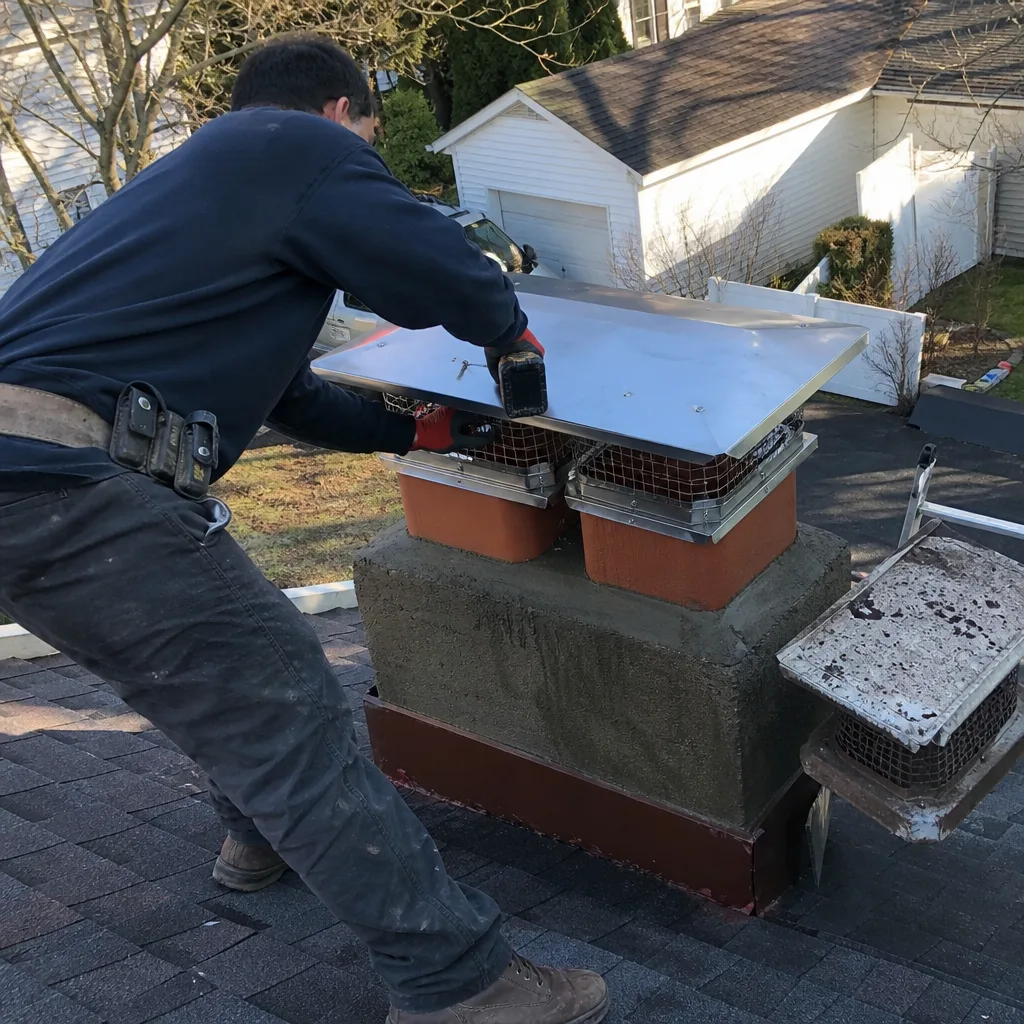
 Sweep & inspection
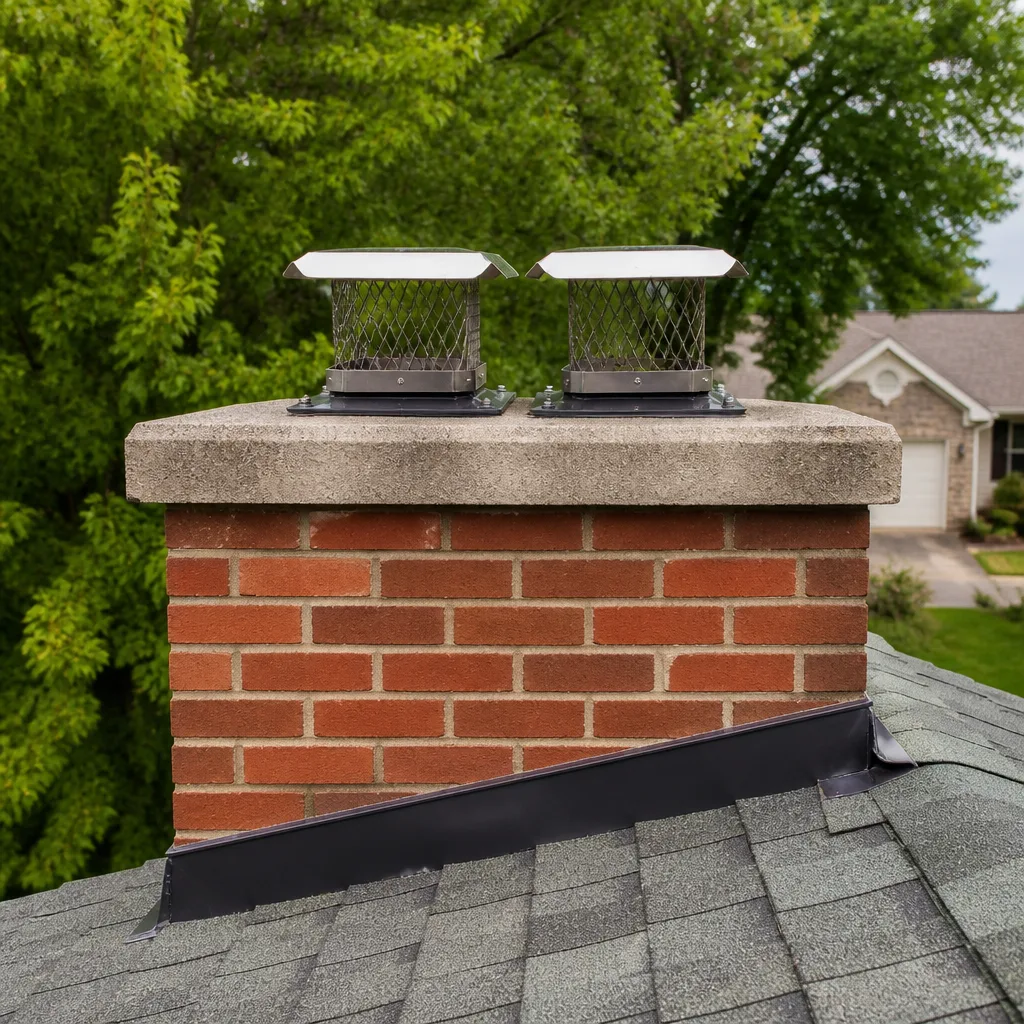
 Caps & crowns
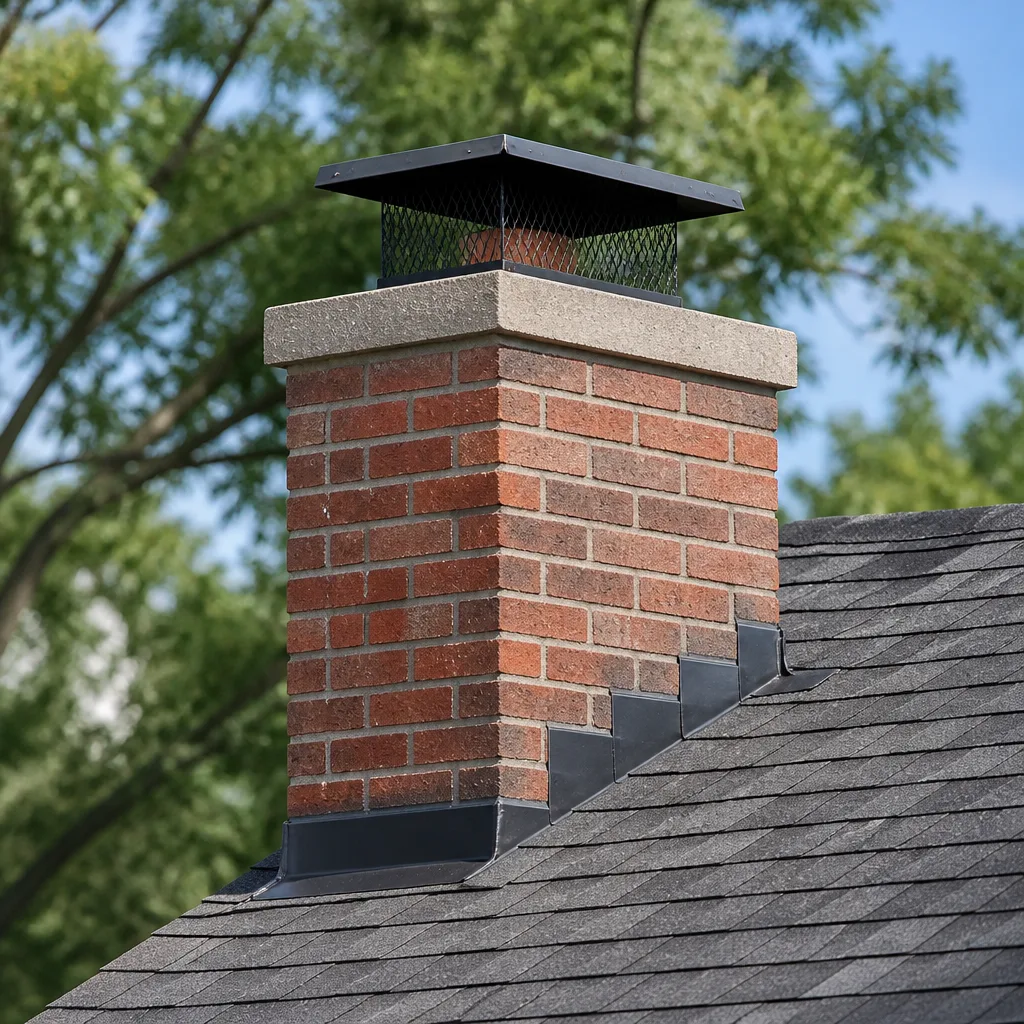
 Flue relining
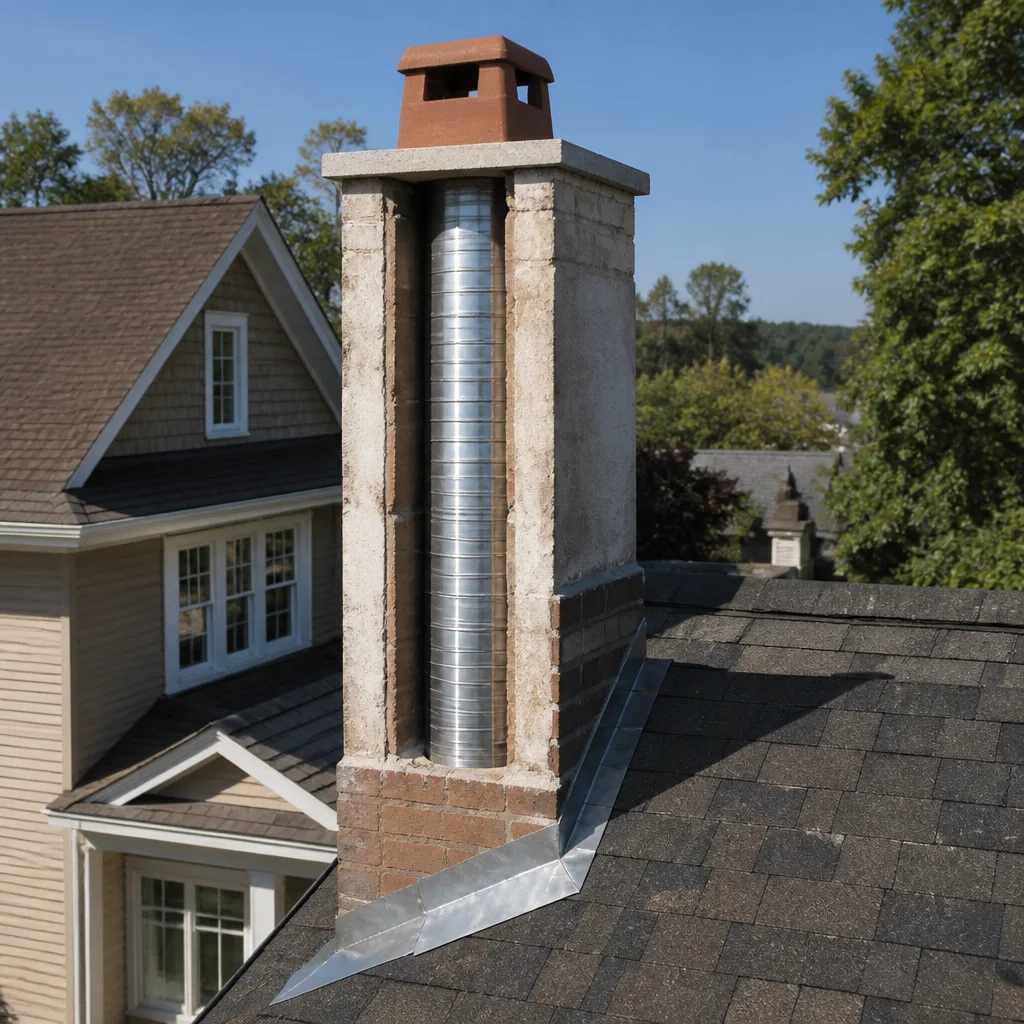
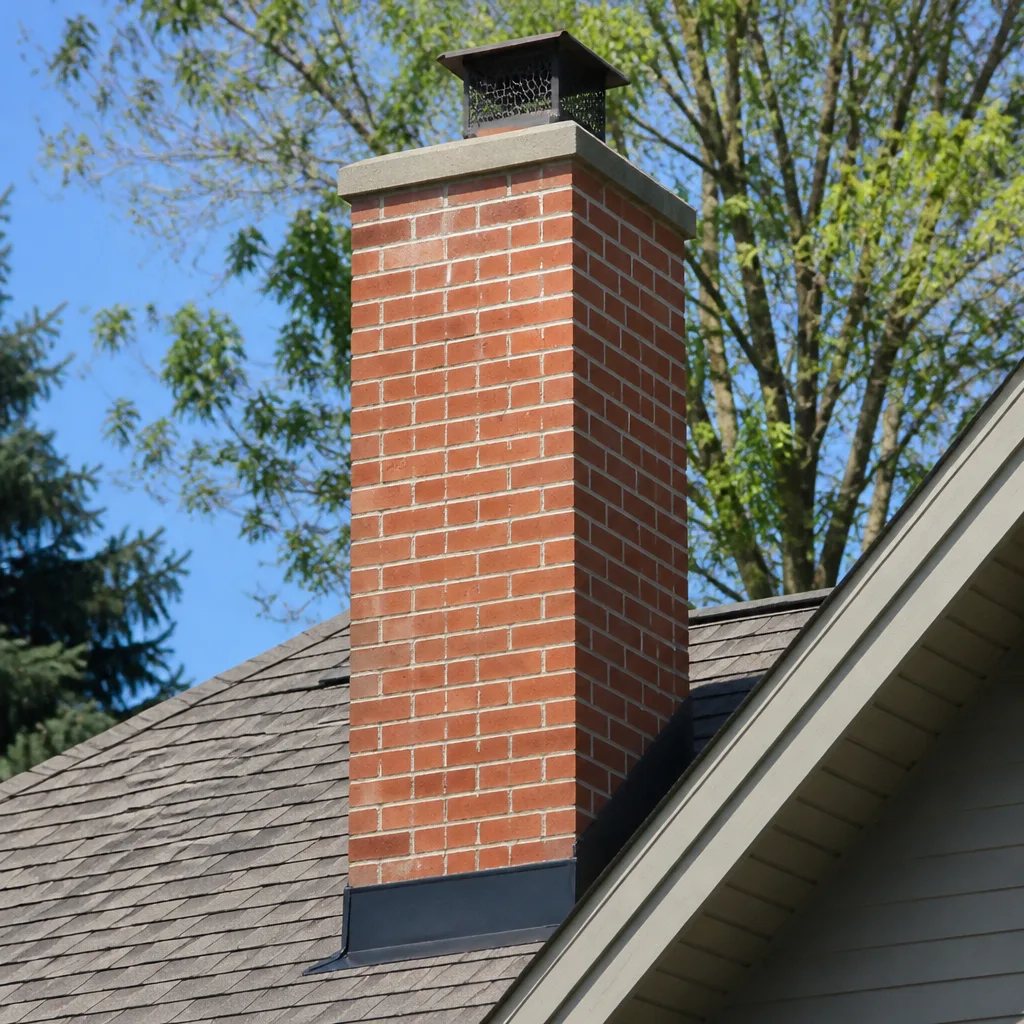 Masonry repair
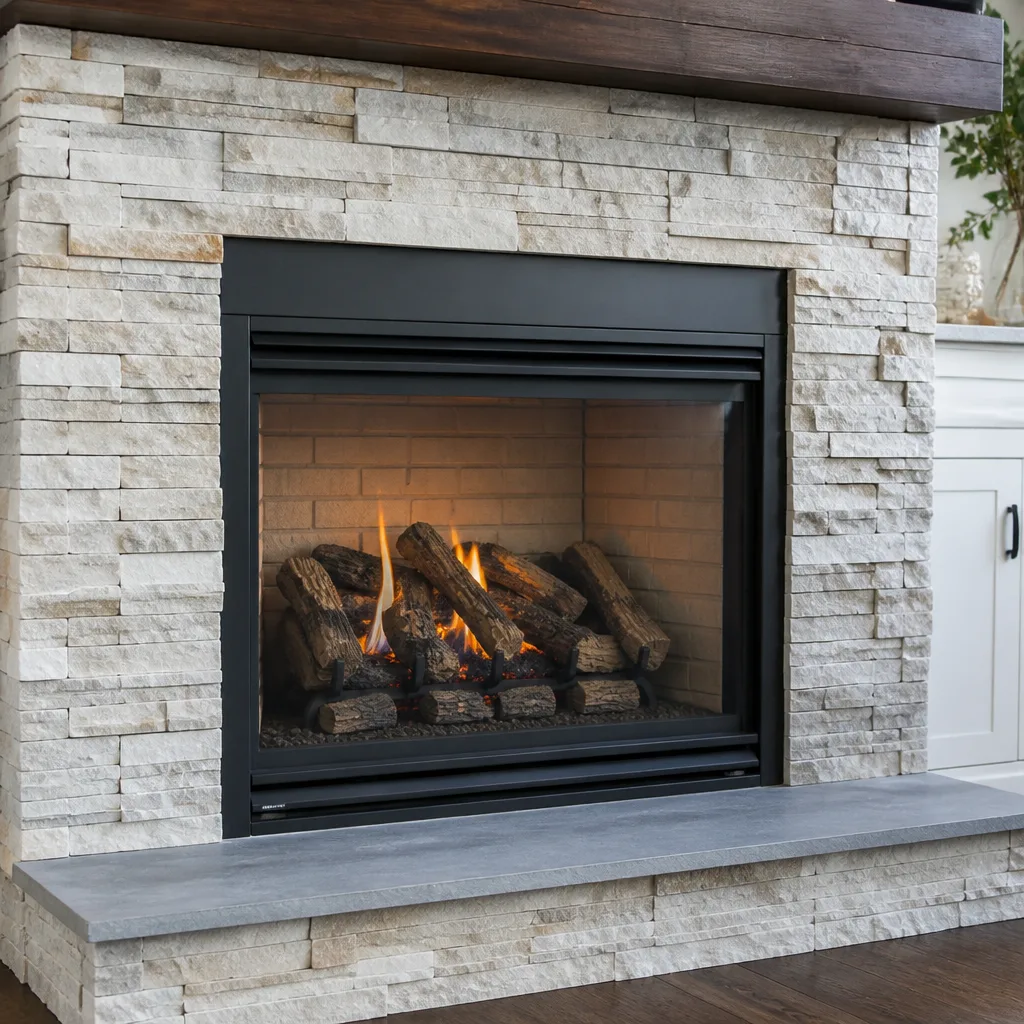 Gas fireplace service
Level 1 sweep and inspection to the NFPA 211 annual standard - flue, crown, cap, and flashing checked and photographed
Chimney sweep logs do not sweep chimneys. They loosen some creosote - which then falls where a brush and vacuum still have to collect it.
How to Hire a Chimney Cleaning Contractor in Corona: A Step-by-Step Guide
Most homeowners assume a chimney sweep must be certified to touch a flue. In New York State, that isn’t true. A company can legally offer chimney cleaning with no chimney-specific credential at all, which means the vetting falls to you. That changes how you should hire. This guide walks through the exact questions to ask, the credentials that actually matter for chimney work, what a legitimate estimate should itemize, and how to verify insurance covers the job being done. We wrote it for Corona homeowners who want a contractor they can trust on the roof and in the flue, not just the lowest bid.
Styles & brands we work with
- Sweep & inspection
- Caps & crowns
- Flue relining
- Masonry repair
- Gas fireplace service
Quick Answer
To hire a chimney cleaning contractor in Corona, verify three things before anyone climbs your roof: proof of current liability and workers’ compensation insurance that names chimney and roof work, a written scope that itemizes what will be swept and inspected, and a report you’ll receive afterward documenting findings. Ask whether the technician holds CSIA or NFI credentials, since New York State doesn’t require them but a genuine specialist will have them anyway. Get the estimate in writing, confirm who carries the insurance, and never accept a vague flat rate with no scope attached.
Table of Contents
- Why Vetting a Chimney Contractor Matters More Than the Price
- CSIA, NFI, or a General Contractor’s License: What Actually Matters
- Questions That Separate a Chimney Specialist From a Handyman
- What a Legitimate Estimate Should Itemize
- How to Verify Insurance Covers Chimney Work
- Why the Cheapest Bid Is Often the Most Expensive
- Understanding Chimney Inspection Levels
- Corona-Specific Considerations
- Common Mistakes to Avoid
- When to Call a Professional
- Frequently Asked Questions
- The Bottom Line
Why Vetting a Chimney Contractor Matters More Than the Price
The chimney is the one part of a Corona home where a wrong decision can cost you twice. Once when the work is done badly. And again when your homeowner’s insurance refuses to cover the resulting damage because the work was done by someone unqualified. That second loss is the one homeowners rarely anticipate, and it’s exactly the kind of liability we walk people through whenever they call us after a bad experience.
Chimney work involves fire, carbon monoxide, and structural loads on your roofline. A flue that isn’t properly swept builds up creosote, which is fuel. A liner installed to the wrong spec can crack or separate and vent combustion gases into the living space. And a crown or flashing job done with the wrong materials lets water into the masonry every time it rains. None of these failures announce themselves. They sit in the flue or on the roofline until something worse happens.
Hiring the right contractor isn’t about finding the most expensive option. It’s about finding someone whose work you can verify, whose materials you can trace, and whose findings are documented. From the crown to the firebox, that’s the standard we apply. When we specify DuraFlex liners or Olympia Chimney components, the reason is that these products carry manufacturer specifications you can look up and verify. When a contractor uses anonymous parts from an unknown supplier, there is no way for you to check whether the material is rated for the temperatures your flue will see.
That’s the real test of a chimney contractor in Corona: not the pitch, but whether the work and the materials can be independently checked. In this guide we’ll show you how to run that test before the first appointment.
CSIA, NFI, or a General Contractor’s License: What Actually Matters
Three credentials get confused in every conversation about hiring a chimney sweep. Here’s how each one actually works in New York State, and which matter for the job on your chimney.
CSIA certification stands for Chimney Safety Institute of America. It is a voluntary, industry-administered credential earned by individuals, not companies. A CSIA-certified sweep has passed a written exam and is bound to a code of ethics. The CSIA is not a government agency, and New York State does not require its certification for anyone offering chimney cleaning. But a technician holding it has demonstrated specific knowledge of venting, combustion, and inspection standards. That’s the credential to ask about first.
NFI certification stands for National Fireplace Institute. It covers fireplace and venting installation, and applies to technicians who install or service hearth appliances. NFI certification does not replace CSIA for sweeping and inspection, but it is the credential that matters when your job involves installing a new liner or a wood or gas insert.
A general contractor’s license is a different category entirely. It permits general construction work, not chimney-specific diagnostic or venting work. A licensed general contractor may be perfectly competent at masonry, and may still have no experience with flue drafting, liner sizing, or creosote behavior. The license tells you they can legally do construction. It does not tell you they know a chimney.
Here’s the practical takeaway. A legitimate chimney company should be able to name its credentials clearly: which technicians hold CSIA, which hold NFI, whether the business carries the required insurance, and whether the business can produce documentation. Ask the question and listen to how specific the answer is. Vague is a warning. Specific is a green flag. When we send technicians to a Corona home, our technicians have up to 9 years of experience, and every appointment includes a written report of what we found. From the crown to the firebox, the credential matters only if it’s paired with documentation.
Questions That Separate a Chimney Specialist From a Handyman
Most homeowner conversations with a chimney contractor are too short. The wrong contractor relies on that. These questions take five minutes to ask on the phone and will filter out the operators who shouldn’t be on your roof. Ask all eight. A true specialist answers each one without hedging.
- Are you certified by the CSIA or NFI, and are the technicians who come to my home the ones who are certified? A licensed office with uncertified technicians is not the same as a certified technician doing the work. Get clarity on who is actually on the roof.
- What does your inspection cover, and which level is included? A basic sweep usually includes a Level 1 visual check. A Level 2 inspection involves video scanning of the flue and is what’s needed before a sale, after a chimney fire, or when you change fuel types. Ask which level is being performed and what the difference in cost is.
- Do you carry general liability and workers’ compensation insurance? Both matter. General liability covers damage to your property. Workers’ comp covers a technician injured on your roof, and without it you can be exposed.
- Who is the certificate of insurance issued to, and can I see it before the work? The certificate should list your name and address as the certificate holder. A contractor who can’t produce this on request is a red flag.
- What goes in the written report? Ask to see a sample report. It should document findings with photographs or video stills, describe what was found and where, and separate cosmetic issues from safety issues.
- What brands and materials do you specify for liner work, caps, and crowns? A specialist answers this clearly, naming specific manufacturer lines like DuraFlex, HeatShield, Olympia Chimney, Gelco, or Famco. A vague answer (“we use good stuff”) means no traceable product spec.
- If you recommend additional work, will you show me the evidence? A contractor who can’t or won’t show the basis for repair recommendations is asking you to trust a bill you can’t verify.
- Are you a chimney company first, or is chimney work one of many services? A general contractor who added chimney cleaning to the list will not have the diagnostic experience for a Level 2 condition.
Ask the same eight questions of three contractors. The answers quickly separate specialists from generalists. A proper chimney sweep appointment should include the sweep itself, a documented inspection, and a clear scope for anything else that needs attention.
What a Legitimate Estimate Should Itemize
A real estimate names the work being done, the materials being used, the sequence, and the price. A vague estimate is not a deal, it’s a place for surprise costs to live. Here is what the difference looks like in practice.
Red-flag estimate: “Chimney cleaning – $99 flat.” What does this mean? Which flue? Which appliance? Does it include an inspection? A camera check? A written report? If any of those are extra, the actual cost is higher than advertised. When we see this kind of pricing in the Corona market, we tell homeowners it usually means either a rushed job or an inflated upsell at the door.
Legitimate estimate: itemized. It should include:
- The specific chimney and flue being serviced, described in square terms (masonry or metal, one flue or two, appliance type, roof pitch or access difficulty).
- The scope: sweep, Level 1 or Level 2 inspection, crown assessment, cap check, flashing check, firebox condition.
- Any recommended additional work, separated from the base appointment, with a reason citing a specific finding.
- The materials and brands that would be used if repair is needed, by name.
- A statement of what conditions would change the price (unexpected obstructions, hidden damage discovered during sweep) and how that change would be communicated before proceeding.
- Whether the written estimate is the price, and how the final invoice is calculated.
What the estimate should not include: verbal-only quotes, work described only by category with no specific scope, pressure to sign a contract at the door, or recommended repair with no inspection work behind it. A chimney repair recommendation should always be backed by a documented finding from an inspection. Our estimates are free, and the written estimate sets the final price. That’s the standard we’d ask you to hold any contractor to.
How to Verify Insurance Covers Chimney Work
General liability insurance isn’t a single, uniform product. A contractor’s policy may exclude roof work, chimney work, or work above a certain height. That means a certificate of insurance that looks legitimate on paper might not cover the job being done on your home. Few homeowners know to ask this question, and few contractors volunteer the answer.
Here’s how to check in three steps:
- Ask for the certificate of insurance before the appointment. It should name the business, list an insurer, show current policy dates, and identify the types of coverage. Certificates expire. Ask for the current one, not a previous year’s copy.
- Ask the contractor to confirm coverage types specifically. Say the words: “Does your policy cover chimney and roof work?” A confident, direct “yes” followed by the certificate is what you want. A stammer, a “let me check,” and then no follow-up is a warning.
- Ask for workers’ compensation proof separately. General liability covers your property. Workers’ compensation covers the technician. If a technician is injured on your roof without workers’ comp, the exposure can come back to you. Both must be current.
If your homeowner’s insurance ever needs to get involved in a claim after chimney work, the insurer will ask who did the work and whether they were insured for that specific job. Work by an uninsured or under-covered contractor is a common reason for claim denial. A professional chimney repair does not need to be expensive, but it does need to be covered. When a contractor won’t produce the certificate before the job, that’s a decision made for you.
Why the Cheapest Bid Is Often the Most Expensive
The lowest bid in Corona is the bid most likely to miss a Level 2 condition. That’s not a guess. It follows from how cheap bids get cheap. A low-priced sweep typically spends less time on the roof, does a visual check instead of a video scan, skips the written report, and moves on to the next house. The parts of the job that would have caught a cracked flue tile or a failing crown joint are the parts that cost time. They get cut first.
What that miss means practically:
- A compromised liner stays in place. A gap or crack in a clay tile liner isn’t visible from the firebox. It takes a Level 2 inspection with a camera to find. If it isn’t found, the flue stays in a hazardous condition.
- A failing crown goes unnoticed. Water enters the masonry every rainy season. The damage compounds. A crown repair that would have been small becomes structural chimney work within a couple of seasons.
- A blocked or undersized flue continues to draft poorly. The homeowner lives with smoke rollback and assumes it’s normal. It isn’t.
In our experience, the callbacks we get are usually not from jobs we did. They’re from homeowners who called another contractor first, then called us when something didn’t look right on the roof. By then, the original estimate has been paid and the problem is bigger. A thorough chimney inspection is not an upsell, it’s the starting point. Without it, you’re paying for the appearance of service rather than the service itself. A Chimney Sweep Corona appointment includes a documented inspection so you know exactly what’s there before any repair decision is made.
Understanding Chimney Inspection Levels
The word “inspection” means three different things in chimney work, and the level you receive determines what the contractor can actually see. This is one of the most important distinctions in hiring a sweep, and one most homeowners have never been told.
Level 1 inspection. A visual check of the accessible parts of the chimney and venting system. No camera. Performed with the appliance in normal service, during a routine sweep. It’s appropriate for a home you’ve lived in for years with no changes and no known problems.
Level 2 inspection. Includes everything in Level 1, plus a video scan of the flue interior using a camera. This is what you want before buying or selling a home, after a chimney fire or a chimney fire event, after an earthquake or major storm, when you change fuel types, or when you replace an appliance. It’s the level that finds cracks, gaps, offsets, and separations that a visual check can’t see.
Level 3 inspection. Involves accessing concealed parts of the chimney, sometimes through demolition of a wall or section of masonry. This is only warranted when a serious hazard is suspected and cannot be evaluated at Level 2.
A legitimate chimney inspection is a standalone service, not just an add-on to a sweep. That’s why we offer it as its own appointment. When you’re buying a Corona home with a fireplace, or before lighting the season’s first fire after a gap in service, a Level 2 inspection with a written report is the right starting point. A proper chimney cap & crown check is part of the report when the roof access allows. If a contractor only offers “chimney cleaning,” ask what level of inspection that includes. The answer tells you a lot.
Corona-Specific Considerations
Corona is a dense, mostly older-housing market, and that shapes the chimney work here. Many homes in Queens neighborhoods like Corona were built in the first half of the 20th century, and many still have their original masonry chimneys. Those chimneys have been through decades of freeze-thaw cycles, seasonal rain, and years of fire use. They hold up, but the wear pattern is specific to the building stock, and a contractor who spends their time on new construction in other parts of the region will not have seen Chimney Sweep Corona’s typical calls.
A few Corona-specific patterns worth knowing:
- Clay tile liners are common. Many older chimneys have a single clay tile liner, sized for the original appliance. When the appliance changes over the years, the liner may no longer match the flue’s needs. A camera inspection is the only reliable way to check its condition.
- Adjacent buildings and shared rooflines. In dense Queens blocks, chimney tops sit close to neighboring structures. Flashing and crown work has to be done carefully so water runoff from one roof doesn’t compromise another. This is one reason we specify Gelco and Famco components for cap, crown, and flashing work: manufacturer-spec hardware behaves predictably where it meets other surfaces.
- Seasonal swings are sharp. The heating season runs long and cold, and the shoulder seasons bring wet weather. A crown that holds up in a dry climate can fail here. A sweep performed in spring often finds conditions a fall sweep will confirm again before you light that season’s first fire.
- Wood-burning appliances are still common. Many Corona homes retain their original fireplaces or wood-burning inserts. Wood produces more creosote than gas. That shortens the interval between sweepings.
None of these patterns require expensive work by default. What they require is a contractor who inspects with a camera, documents what they see, and recommends only what the evidence supports. Our technicians have up to 9 years of experience on Corona-area chimney systems, and our inspections are documented so you can see exactly what we saw. We can also work with your insurer if a covered claim is involved. Call (833) 968-1177 to book an inspection. We answer 24/7. Fast dispatch from 7am to 7pm, Sunday through Friday.
Common Mistakes to Avoid
- Hiring on price alone. A “chimney cleaning – $99 flat” offer in Corona usually means a rushed visual sweep. The savings come out of the inspection work you actually needed.
- Skipping the insurance check. A certificate of insurance that doesn’t cover roof and chimney work isn’t the same as being covered. Ask specifically, and get the certificate before the appointment.
- Letting a general handyman handle the flue. A general contractor can be excellent at masonry and still not know how to inspect a flue or size a liner. Ask what chimney-specific certifications the technician holds.
- Accepting a repair recommendation without evidence. If a contractor says you need a new liner, ask to see the video or photo that shows the condition. A specific finding is verifiable. A vague recommendation isn’t.
- Not asking which inspection level is being performed. A Level 1 check will not detect a cracked flue tile. If you’ve just bought the home or changed appliances, you need a Level 2.
- Waiting until you smell smoke to act. A poorly drafting flue is a symptom of a bigger issue. Waiting for a visible sign of trouble usually means a bigger repair later.
- Assuming the cheapest bid includes the same scope as the others. Estimates only compare when they describe the same work. Ask each contractor to itemize the same scope before you compare numbers.
When to Call a Professional
Call a chimney contractor in Corona in these specific situations. If you’ve just bought a home with a fireplace and haven’t had it inspected yet, book a Level 2 inspection before you use it. If you’ve had a chimney fire, even a small one that didn’t require the fire department, an inspection is required to determine whether the liner was affected. If you’re seeing smoke roll back into the room, if there’s a persistent odor around the fireplace in warm months, if you’re hearing water or seeing staining on the ceiling near the chimney chase, or if the crown is visibly cracked, these are signs a specialist should evaluate. Also call if you’ve never had the chimney looked at since buying the home, or if it’s been more than a year since the last inspection. Before you light this season’s first fire, a sweep and a check of the crown and cap are what the safety of the whole system rests on, and we’re glad to book it. Chimney Sweep Corona offers free estimates in Corona – call (833) 968-1177. We answer 24/7. Fast dispatch from 7am to 7pm, Sunday through Friday.
Frequently Asked Questions
Chimney cleaning in Corona is priced per job by written estimate, and the exact cost depends on the flue size, appliance type, roof access, and whether a Level 1 or Level 2 inspection is included. A flat advertised rate rarely reflects the actual work. Ask for an itemized estimate and confirm the scope before booking. Call (833) 968-1177 for a free estimate – the written estimate sets the final price.
Only if the inspection evidence shows the existing liner is compromised. A crack, a separation between tiles, or a gap at a joint can mean the flue isn’t safely containing combustion gases. But a recommendation should always come with a video scan or photograph you can see and a description of where the problem is. HeatShield liner restoration is a viable option for some liner conditions that would otherwise require replacement, and it costs less. The right liner solution depends on your flue’s condition, not a one-size-fits-all rule. Call (833) 968-1177 for an inspection and a documented explanation of what’s actually there.
A wood-burning fireplace or insert should be swept at least once a year when in regular use, and more often if you burn frequently or use unseasoned wood. A gas appliance is typically swept less frequently, but a yearly inspection still applies. The interval depends on how much you burn, what you burn, and the condition of the flue. Call (833) 968-1177 to book a sweep and inspection.
No. Chimney cleaning does not require a state license in New York, and CSIA or NFI certification is voluntary. That’s why vetting the contractor is up to you. A genuine chimney specialist will be able to name their credentials clearly, produce an insurance certificate on request, and show you the documentation from the inspection. Ask about all three before the appointment. If you’d like to see how we document our work, call (833) 968-1177.
Nothing may happen. Or a cracked flue tile, a failing crown, or a damaged cap goes unnoticed until it causes a problem. The risk of skipping is not that every chimney fails; it’s that the specific problem you don’t know about continues to worsen quietly. An inspection is how you find out which category your chimney falls in. Call (833) 968-1177 to book one.
Yes. A chimney inspection is a standalone service, and booking it on its own is normal. It’s what we recommend when you’ve just bought a Corona home, before listing a home for sale, or before lighting your season’s first fire after months of no use. Call (833) 968-1177 to book an inspection, and we’ll explain what the report will cover before the appointment.
The Bottom Line
Hiring a chimney contractor in Corona is a vetting process, not a price comparison. Verify insurance that specifically covers chimney and roof work. Ask about CSIA and NFI certifications. Confirm what level of inspection is included and whether a written, documented report is part of the job. Ask for an itemized estimate that names the scope and the materials, and ask to see the evidence behind any repair recommendation. The cheapest bid on the market is the bid most likely to miss a Level 2 condition that becomes a costly repair within a season or two. From the crown to the firebox, the right contractor documents the whole system. Our estimates are free.
Call (833) 968-1177 for a free estimate on your chimney sweep or inspection. We answer 24/7. Fast dispatch from 7am to 7pm, Sunday through Friday. Our technicians have up to 9 years of experience, and we specify materials from DuraFlex, HeatShield, Gelco, Olympia Chimney, Famco, and Copperfield so you can verify what goes on your chimney.
Written by the team at Chimney Sweep Corona.
See the difference
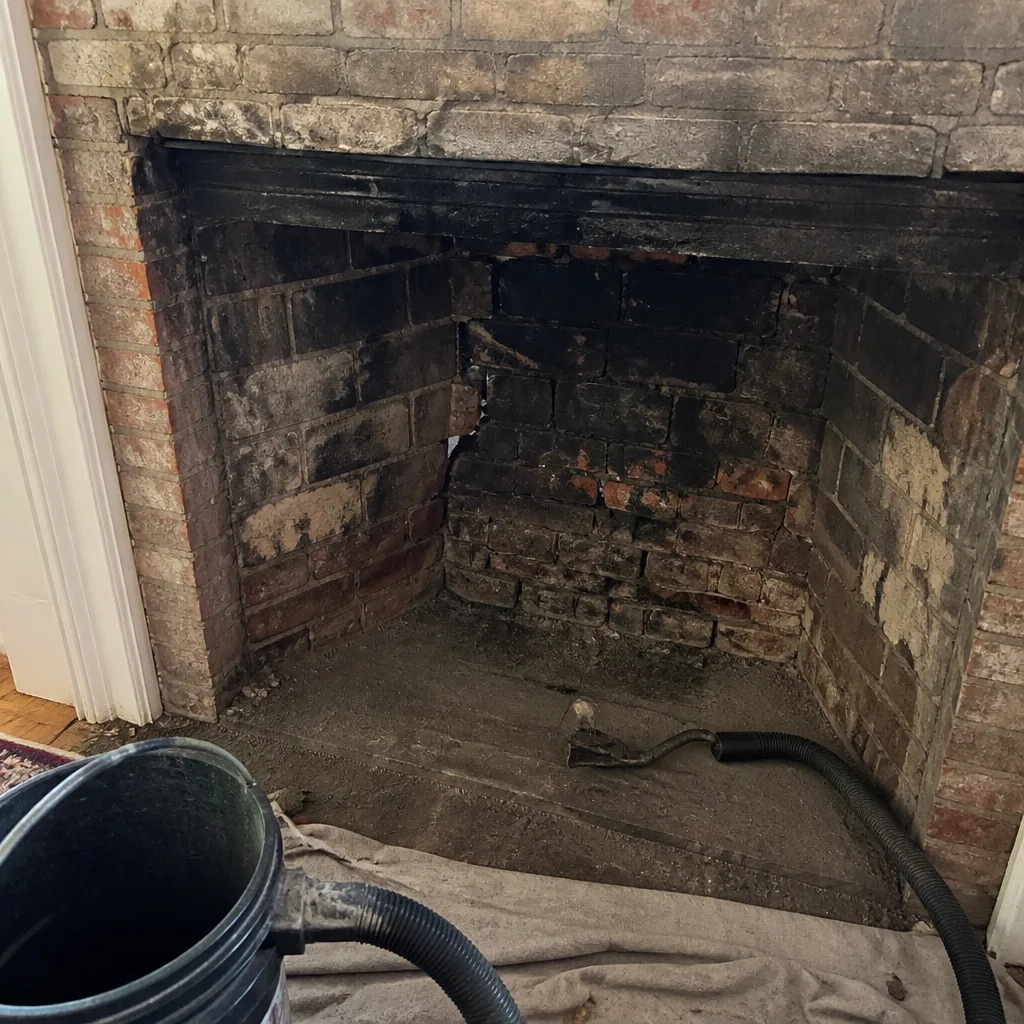 Before
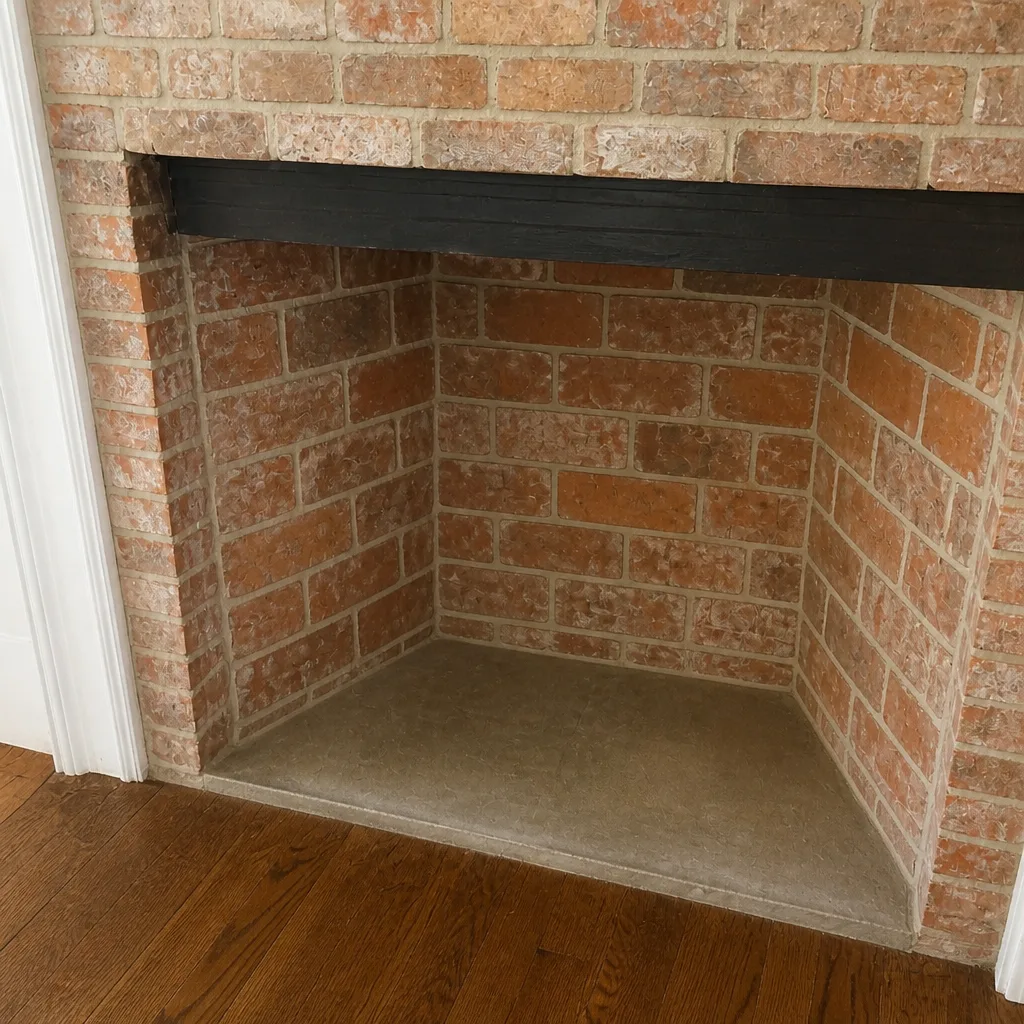 After
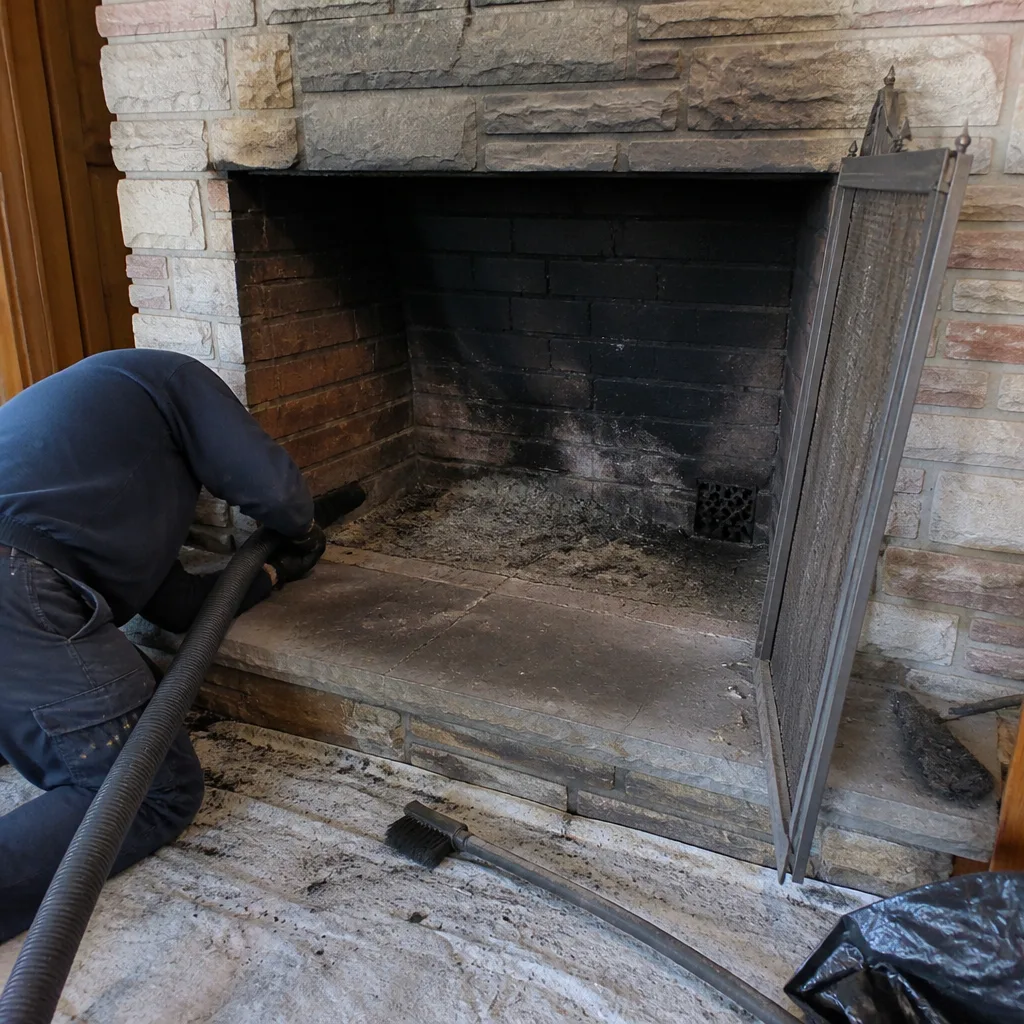 Before
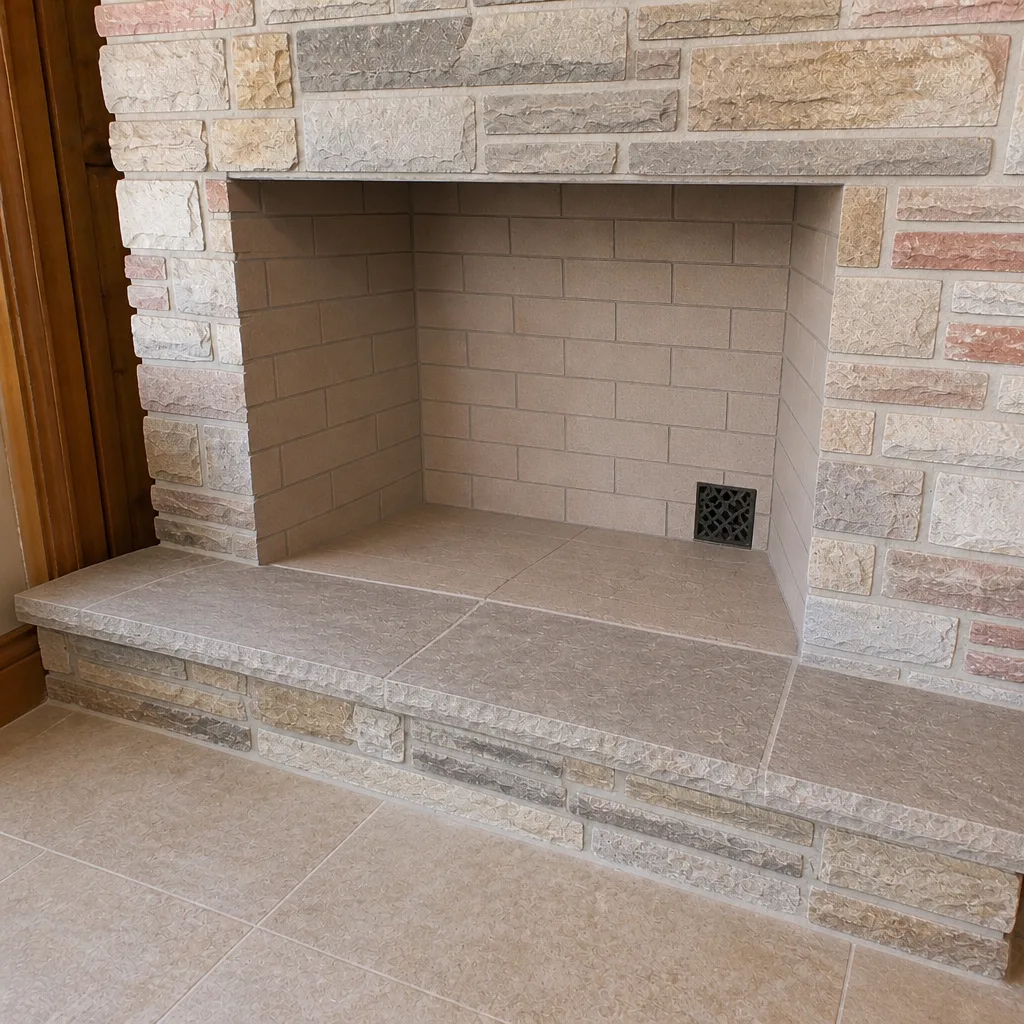 After
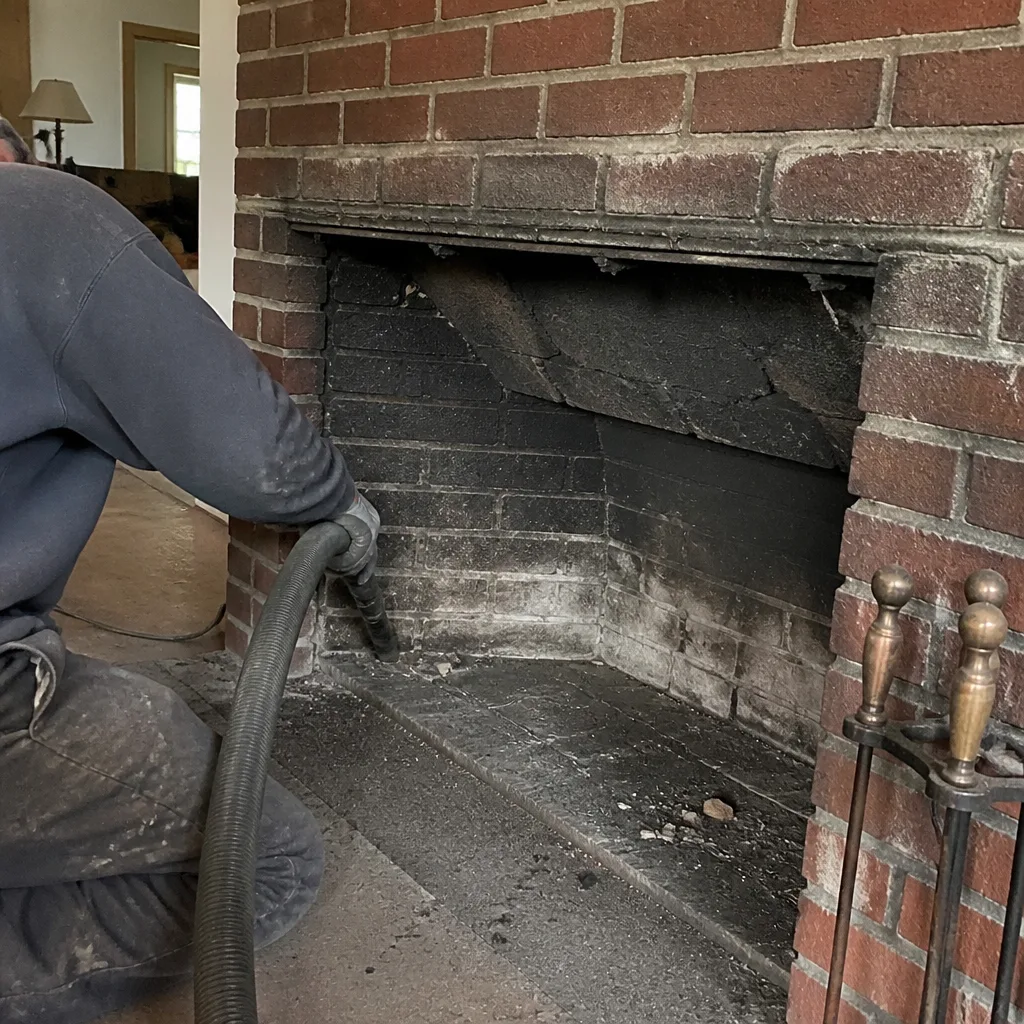 Before
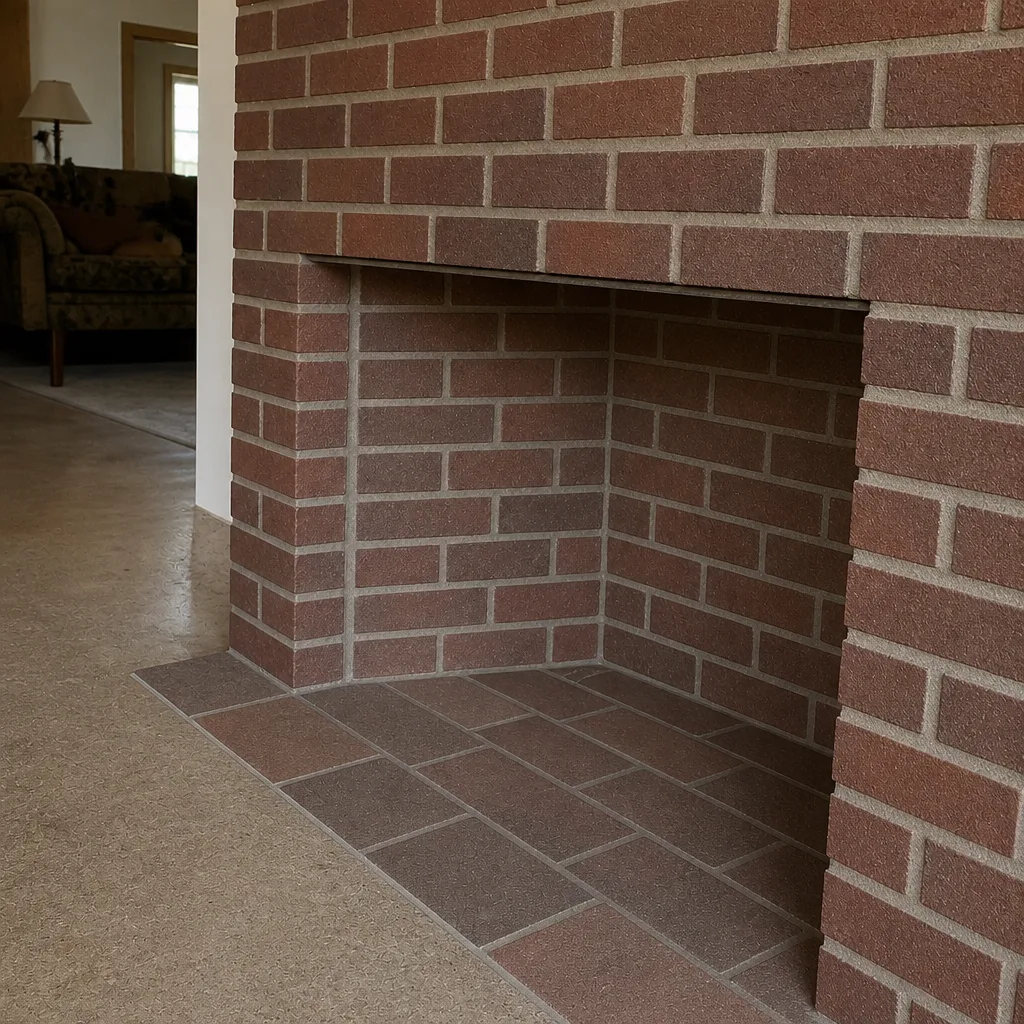 After