
Last updated November 24, 2026
 Sweep & inspection
 Caps & crowns
 Flue relining
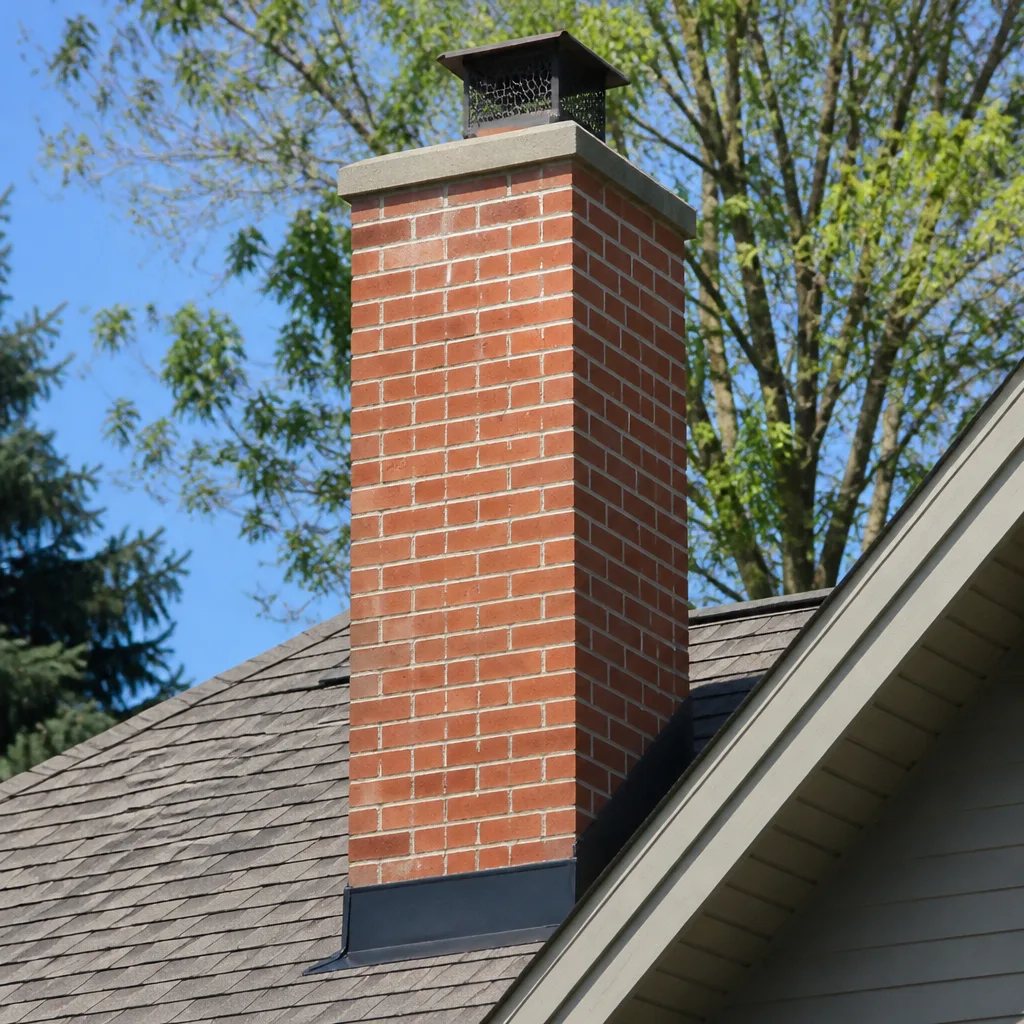 Masonry repair
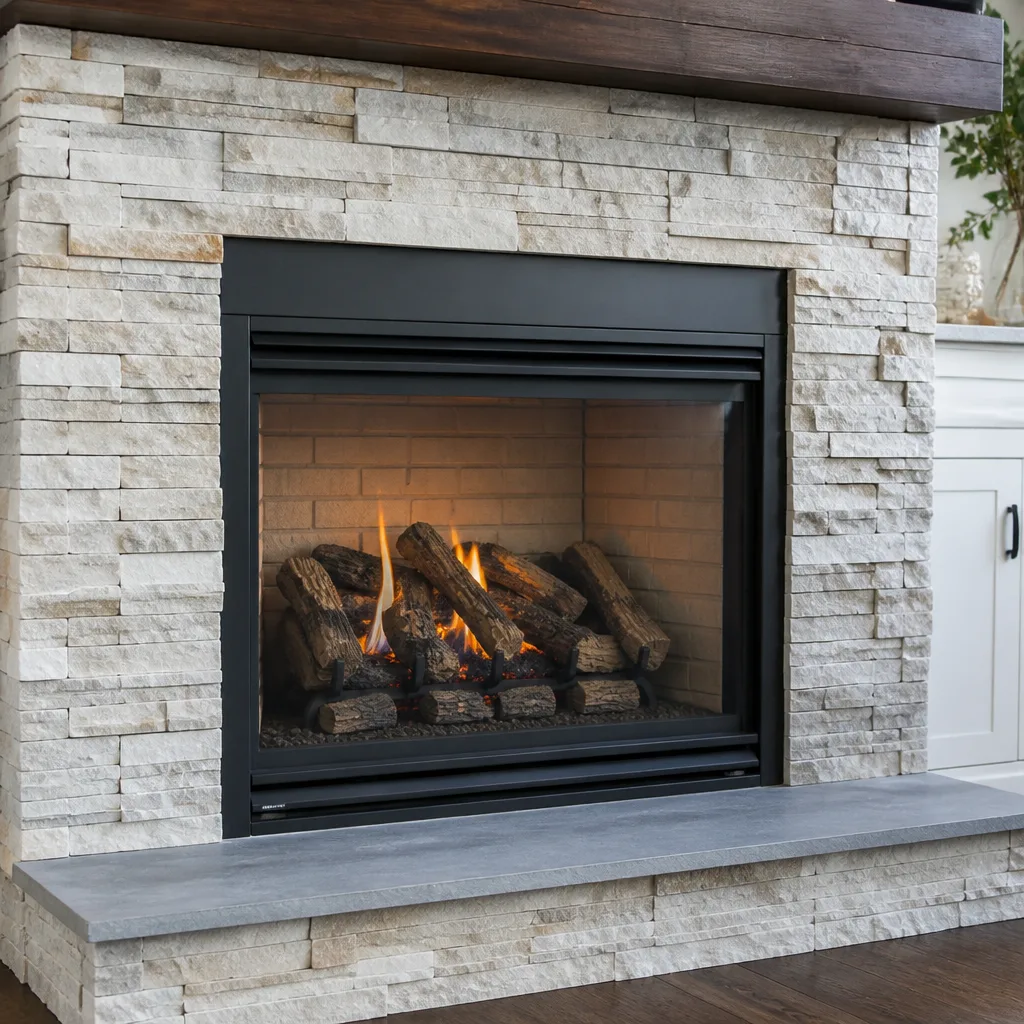 Gas fireplace service
Level 1 sweep and inspection to the NFPA 211 annual standard - flue, crown, cap, and flashing checked and photographed
Chimney sweep logs do not sweep chimneys. They loosen some creosote - which then falls where a brush and vacuum still have to collect it.
Chimney Cleaning Permits, Codes & Inspections in Corona, NY: What You Need to Know
Most homeowners assume a chimney cleaning is purely a maintenance call that flies under the regulatory radar. And most of the time, they’re right: a straightforward sweep of a working flue doesn’t need a permit in New York City. But a chimney is a system, and once a technician puts a camera up the flue and documents a cracked terra cotta liner tile, the job can shift from maintenance into NYC Department of Buildings territory before the visit is over. That line between routine cleaning and regulated work is where Corona homeowners get surprised, and it’s what this guide draws clearly. You’ll learn which chimney tasks stay permit-free, when lining work pulls in licensing requirements, how Local Law 11 facade rules touch the crown and cap on Corona’s older attached buildings, and what documentation you should walk away with after any inspection.
Quick Answer
Routine chimney cleaning in Corona, NY does not require a permit. Chimney repairs, liner installation or relining, and any structural alteration to the chimney do fall under NYC Department of Buildings jurisdiction and generally require permits and licensed or approved contractors. A proper inspection produces written documentation you should keep, because it’s the record that protects you if future work is ever audited.
Styles & brands we work with
- Sweep & inspection
- Caps & crowns
- Flue relining
- Masonry repair
- Gas fireplace service
Table of Contents
- Maintenance vs. Regulated Work: Where the Line Falls
- NYC Administrative Code Section 28 in Plain English
- When Relining Requires More Than a Sweep
- Local Law 11 and Chimney Crown Conditions on Corona’s Attached Buildings
- The Documentation a Sweep Should Leave Behind
- CO Detector Compliance Under Local Law 1 of 2014
- Inspection Levels and What Each One Covers
- Common Mistakes to Avoid
- When to Call a Professional
- Frequently Asked Questions
Maintenance vs. Regulated Work: Where the Line Falls
The single most useful distinction for a Corona homeowner is between cleaning and altering. Cleaning removes creosote, soot and debris from a flue that is otherwise intact. Altering changes the chimney’s structure, its lining, or the way it vents. One is a service call. The other is construction, and New York City treats construction differently.
This matters in Corona because of the housing stock. The neighborhood has a large share of older attached homes and low-rise multi-family buildings, many with chimneys that were built decades before modern liner standards existed. A brick flue that served a fireplace in the 1950s may still be working fine, or it may be quietly spalling on the inside where nobody looks. The only way to know is to look. When we sweep a chimney in Corona, the sweep itself is routine. What we find determines whether the next step is a written note in your file or a conversation about permits.
Here’s the working split:
- No permit typically needed: routine sweeping, removal of creosote and debris, cap replacement with a like-for-like unit, minor crown patching, CO detector checks.
- Permit territory: relining or liner installation, rebuilding a chimney above the roofline, removing or adding a flue, structural repair to a chimney that affects the building envelope or load path, and any work that changes how an appliance vents.
That second list is where a lot of homeowners get caught off guard. They call for a chimney sweep, the technician arrives, and the inspection turns up a liner problem that pushes the job into a different category entirely. Good companies explain that shift plainly and don’t spring it on you after the fact.
NYC Administrative Code Section 28 in Plain English
NYC Administrative Code Title 28 is the city’s construction and buildings code. It’s where the city defines who may perform regulated work, what requires a permit, and what inspections are triggered afterward. You don’t need to read the statute to understand the practical effect: routine maintenance is treated as maintenance, and anything that touches the structure or the venting system is treated as regulated construction.
For a chimney, that means the code doesn’t target sweeping. It targets the things a sweep sometimes recommends. When a licensed contractor files for a permit to reline a flue, the filing creates a paper trail: the scope of work, the materials, the inspections, and the sign-off. Skip that step and the work may still function, but it exists outside the city’s records. That gap becomes a problem at three specific moments:
- When you sell the building. A buyer’s inspector or attorney will ask for permits on any work that required them. Unpermitted lining work shows up as an open question, and open questions cost money at the closing table.
- When a later inspection finds it. If a subsequent contractor or city inspector documents unpermitted alteration, you can face reinspection fees and, in serious cases, a stop-work order on related work at the property.
- When you file an insurance claim. A chimney fire or CO incident at a chimney that was altered without permits can complicate a claim, even where the work itself was done well.
None of this is meant to scare anyone into over-permitting. Most chimney work in Corona is sweeping, and sweeping is fine. The point is that when a repair crosses into regulated territory, the permit isn’t bureaucracy for its own sake. It’s the record that the work was done to standard by someone the city recognizes.
When Relining Requires More Than a Sweep
A liner installation or relining project is the clearest example of a chimney job that leaves sweep territory. Under NYC rules, this kind of work requires a licensed master plumber or an approved licensed contractor, not simply a sweep with a brush and a vacuum. The reason is straightforward: relining changes the venting system of the building, and venting is a life-safety system.
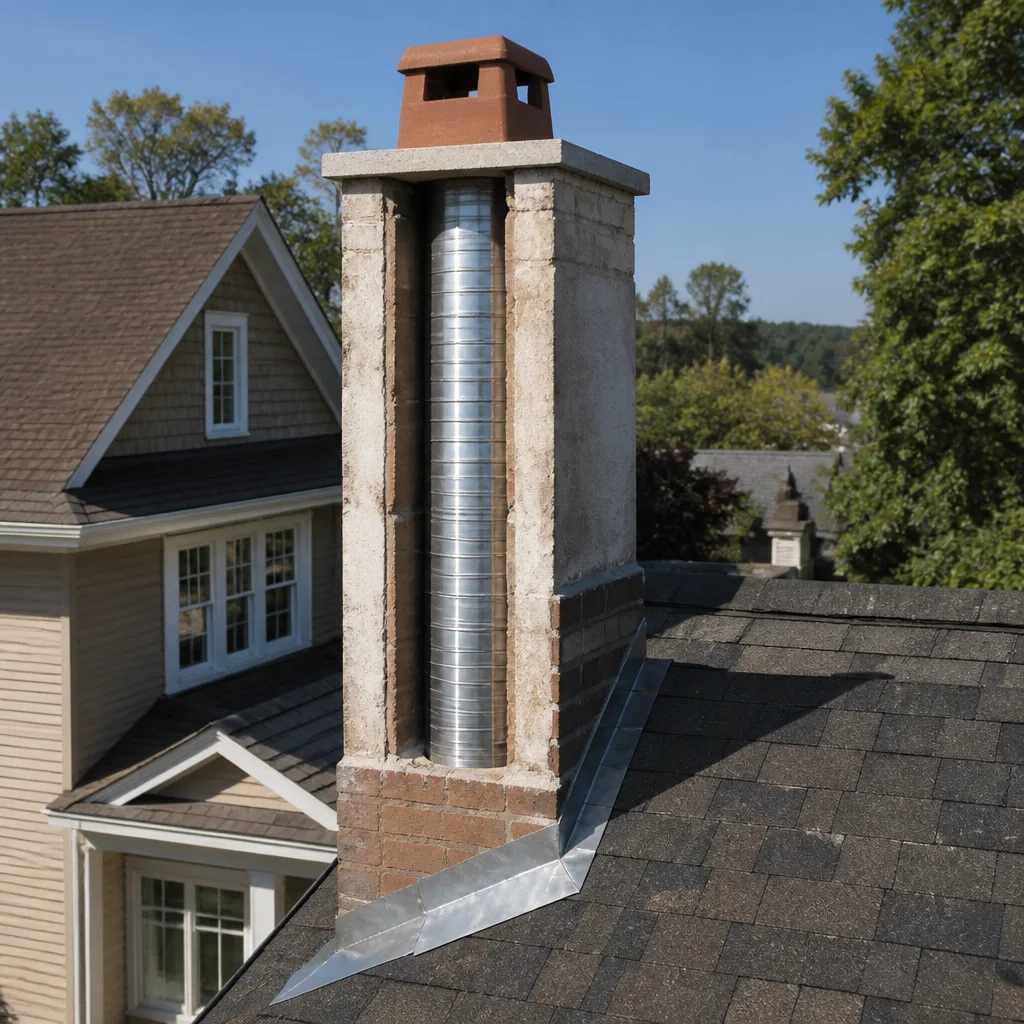
That does not mean every liner problem means a full replacement. The right liner solution depends on your flue’s condition, and a good diagnostic look often opens up options that a generic “you need a whole new liner” quote doesn’t. HeatShield liner restoration is one of those middle paths. It’s a resurfacing process that addresses certain liner defects without removing and replacing the entire flue, and it’s a specialized application that general contractors typically aren’t trained to perform. When restoration is appropriate, it can spare a homeowner the cost and disruption of full replacement. When it isn’t, replacing with a DuraFlex liner suited to the appliance is the honest answer.
Wherever your relining job lands, the licensing question is the same. Ask who is signing off on the work. Ask whether a permit will be filed. If the answer to the second question is “no,” ask why the work doesn’t require one. A professional with nothing to hide will answer both in plain language. In our experience, the contractors who get defensive about that conversation are the ones you want to move past.
For the repair side of the same equation, our chimney repair work covers the full system from the crown to the firebox, so a liner diagnosis doesn’t leave you juggling three different contractors.
Local Law 11 and Chimney Crown Conditions on Corona’s Attached Buildings
Local Law 11 is New York City’s facade inspection law. It requires periodic inspection of building facades on qualifying buildings, and it exists because falling facade elements injure people. Chimneys sit at the top of the facade line, and a deteriorated crown or a failing cap on a Corona attached building is squarely a facade-safety issue, not just a chimney-performance issue.
Corona’s older attached housing makes this especially relevant. When buildings share walls and rooflines, water that gets past a cracked crown on one chimney doesn’t always stay on that property. It can track along shared masonry and find its way into a neighbor’s wall or ceiling. A crown that sheds water correctly protects more than your own fireplace.
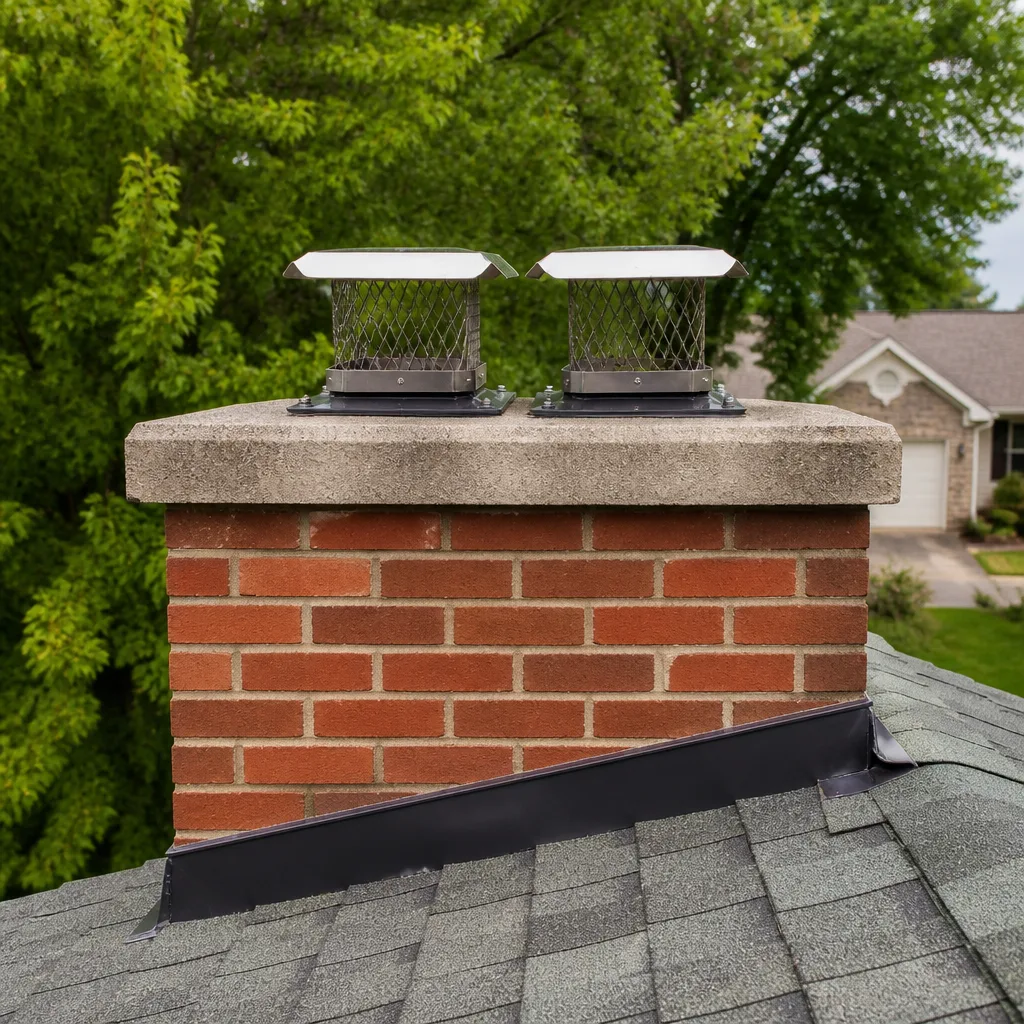
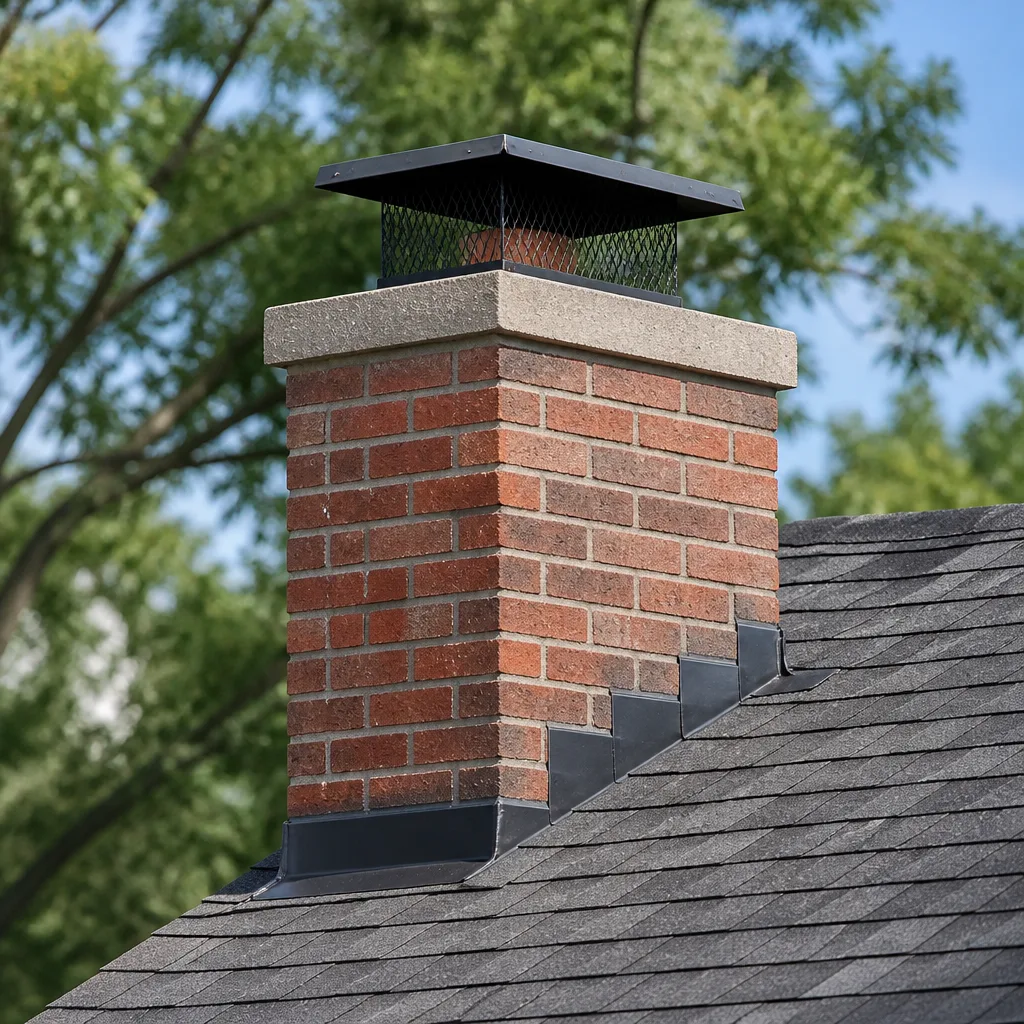
What tends to happen on these buildings is gradual. A crown cracks from freeze-thaw cycling, water gets in, the masonry above the roofline starts to spall, and the cap loosens. None of it is dramatic until a chunk comes loose. This is why we specify manufacturer-grade components for cap and crown work rather than whatever generic hardware is on hand: Famco and Copperfield components carry manufacturer specifications and traceable quality standards, which matters when the work sits at the top of a building where nobody’s watching it day to day. Our chimney cap & crown service addresses exactly this layer.
If your building falls under Local Law 11, the sensible sequence is to have the chimney inspected alongside the facade work rather than after it. Fixing a crown once, in coordination with the facade cycle, is cheaper and cleaner than coming back to it.
The Documentation a Sweep Should Leave Behind
A chimney inspection isn’t an upsell. It’s a starting point, and the record it produces is what makes the whole thing useful. If the city ever audits work at your property, or a buyer’s attorney asks questions, or a future technician needs to know what was found two years ago, the documentation is what answers.
Here’s the documentation a proper inspection should leave you with, in Corona or anywhere else:
- A written report of findings. What was inspected, what was found, and the condition of each component: flue, liner, crown, cap, flashing, firebox, damper.
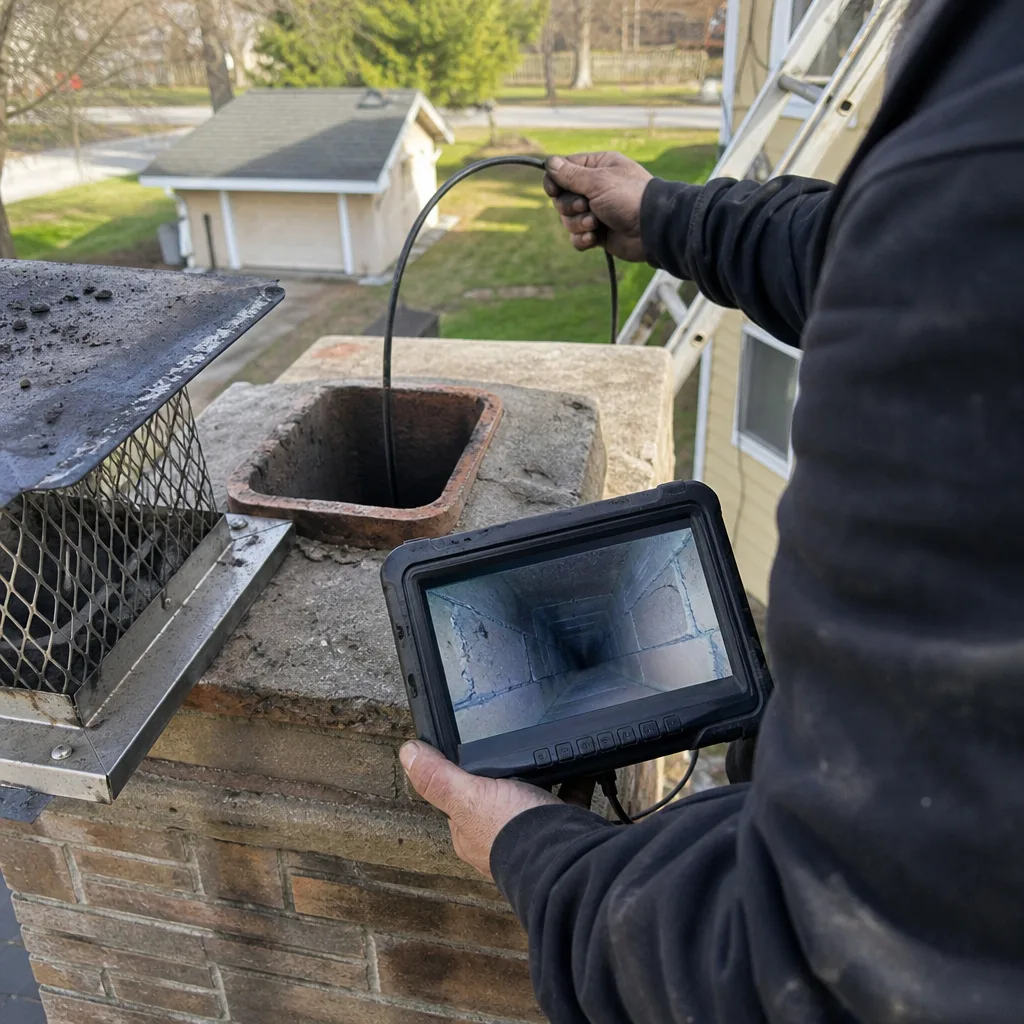
- Photos from inside the flue. A camera inspection produces images of the liner itself. Those photos are the evidence behind every recommendation, and you should be able to see the same thing the technician saw.
- Clear language on condition. A liner that is “monitor” is different from a liner that is “replace.” The report should say which, and why.
- Any permit-triggering findings flagged in writing. If the report identifies work that would require a permit, that should be stated, not implied.
- The date and scope of the inspection. A dated record establishes what condition the chimney was in on a given day, which is what future inspectors actually need.
We include camera inspection and a photo report as part of a proper inspection, because a recommendation without evidence is just a sales pitch. If we say your liner needs work, we can show you the frame it’s based on. If we say it can wait, that’s a real answer too, and we’ll say it plainly. That’s the standard any Corona homeowner should expect from any inspector.
CO Detector Compliance Under Local Law 1 of 2014
Local Law 1 of 2014 governs carbon monoxide detector requirements in New York City residential buildings. The connection to chimney condition is direct: a blocked or deteriorated flue can allow combustion gases to vent into the living space instead of up and out, and that’s exactly the failure a CO detector catches before anyone gets hurt.
For Corona’s multi-family buildings, this is not a theoretical concern. Older attached buildings often share structural elements between units, and a flue problem in one apartment’s heating appliance can affect air quality elsewhere in the building. CO is colorless and odorless, which is precisely why the detector requirement exists and why the detector isn’t a substitute for chimney upkeep. It’s a backstop.
The practical takeaway for Corona homeowners:
- Confirm working CO detectors on every level of the building and outside sleeping areas, as Local Law 1 requires.
- Treat a CO detector alarm as an emergency, regardless of what your chimney inspection report last said.
- Have the chimney inspected before the heating season begins, not after a detector warns you.
Before you light this season’s first fire, check both the detector and the flue. Those two checks are cheap. What they prevent isn’t.
Inspection Levels and What Each One Covers
Chimney inspections follow a tiered standard, and knowing which level you’re getting helps you compare quotes honestly. A sweep who quotes “an inspection” without naming the level may be doing less than you expect.
- Level 1: A visual inspection of readily accessible portions of the chimney and connected appliance, without tools that go beyond basic access. This is the inspection bundled with a routine sweep, and it’s appropriate when the system has been maintained and nothing has changed.
- Level 2: Everything in Level 1 plus examination of accessible areas that require tools, including a camera inspection of the flue. This level is standard for real estate transactions, after a chimney fire or event, after an appliance change, or when the system hasn’t been inspected in some time.
- Level 3: Everything in Level 2 plus investigation of concealed areas where warranted. This is targeted diagnostic work, not routine, and it’s used when a Level 2 finds a condition that can’t be resolved without looking further.
Most Corona homeowners who call for a standalone inspection are in Level 2 territory, either because they’re buying or selling, or because it’s been more than a year since anyone looked. Standalone inspections matter because they let you get a true condition assessment without the pressure of a sweep sale attached to it. If you’re selling a home in Corona, a Level 2 inspection with a photo report gives a buyer’s attorney less to poke at. If you’re buying, it gives you real information about the chimney before closing. Either way, you want the report in your hands.
Common Mistakes to Avoid
- Assuming a cleaning is the whole story. A sweep cleans. It doesn’t automatically diagnose. If your technician never put a camera in the flue, you got a cleaning, not an inspection, and you may be missing exactly what the report would have caught.
- Hiring relining work without asking about permits. Relining is regulated work in NYC. Ask directly who is licensed to perform it and whether a permit will be filed. A vague answer is your signal to keep calling.
- Letting a cracked crown ride through another winter. Freeze-thaw cycles in Queens finish what a crack starts. A crown patched early costs less than a crown rebuilt after two seasons of water intrusion.
- Treating CO detectors as enough on their own. Detectors are a backstop, not maintenance. They alert you to a problem the chimney already has; they don’t prevent it.
- Not keeping the inspection report. When you sell, refinance, or file a claim, that dated report is the record. File it with your closing documents and keep it.
- Coordinating cap and crown work with anonymous off-brand parts. Hardware with manufacturer specifications is traceable. Generic parts sourced without documentation are a coin flip at the top of your building.
- Skipping the sweep because “it looked fine last year.” Chimney condition changes slowly and quietly. Yearly review catches the change while it’s still a note in the file rather than a repair.
When to Call a Professional
Call a professional when you’ve just bought a home with a fireplace and no inspection records came with it. Call when you’ve noticed draft problems, smoke backing into the room, or visible spalling on the chimney above the roofline. Call when a CO detector has alarmed, or when you’re returning to the fireplace after more than a year without a look. Call if you’re selling a home in Corona and want the documentation done before the buyer’s side asks for it. Call when the last person to touch your chimney couldn’t tell you what they found inside it.
Chimney Sweep Corona offers free estimates in Corona. For the full range of what we handle from crown to firebox, see our Chimney Sweep Corona page, or call (833) 968-1177. We answer 24/7. Fast dispatch from 7am to 7pm, Sunday through Friday.
Frequently Asked Questions
No. Routine chimney cleaning in Corona does not require a permit under NYC rules. Permits come into play when the work changes the chimney’s structure or lining, such as relining, rebuilding above the roofline, or changing how an appliance vents. A cleaning that stays a cleaning is maintenance. Call (833) 968-1177 if you want to know which category your chimney falls into before booking.
Yes, in most cases. Relining changes the venting system, which is regulated construction in New York City, and the work typically requires a licensed master plumber or approved licensed contractor and a filed permit. Unpermitted relining can surface as a problem at sale, on a later inspection, or during an insurance claim. Call (833) 968-1177 for an honest assessment of what your liner actually needs.
A chimney sweep in Corona typically runs within a standard local range depending on the flue’s condition and how long it’s been since the last cleaning, and a separate standalone inspection is priced as its own service rather than bundled. The written estimate sets the final price, and it’s provided before any work begins. Call (833) 968-1177 for an exact quote, and we’ll tell you plainly whether a cleaning alone is what you need.
A chimney should be swept once a year, and always before the first fire of the season if anything about the system has changed. Homes that burn frequently may need a second cleaning depending on how much creosote accumulates. Yearly review is also how you catch slow changes like crown cracks while they’re still cheap to fix. Call (833) 968-1177 to book before burning season starts.
You should get a written report of findings, photos from inside the flue, clear language on the condition of each component, and a dated record of the inspection scope. Any permit-triggering findings should be noted in writing. This is the record that satisfies NYC Buildings Department questions if future work is ever audited. Call (833) 968-1177 to schedule a standalone inspection with a full photo report.
Indirectly, yes. Local Law 1 of 2014 requires CO detectors in NYC residential buildings, and a blocked or deteriorated flue is exactly the failure those detectors exist to catch. The detector is a backstop, not a substitute for keeping the chimney in working condition. Have the flue inspected before the heating season so the detector never has to do the job for it. Call (833) 968-1177 if you’re not sure when your chimney was last checked.
Nothing dramatic happens most years, and that’s why skipping becomes a habit. But creosote accumulates, crowns crack, and liners spall whether anyone’s looking or not. The cost of skipping is that the next inspection finds more to fix. Call (833) 968-1177 to book an inspection and get a real answer about where your chimney stands.
The Bottom Line
Cleaning your chimney in Corona is maintenance and doesn’t need a permit. Repairing, relining, or altering it does, and that work carries licensing and paperwork requirements that protect you later. Get an inspection with photos, keep the report, ask directly whether a permit will be filed on any repair, watch the crown and cap on older attached buildings, and keep working CO detectors as the backstop they’re meant to be. Everything else follows from that sequence. None of it is complicated, and all of it beats catching up after the fact.
Written by the team at Chimney Sweep Corona.
Written by the team at Chimney Sweep Corona.
See the difference
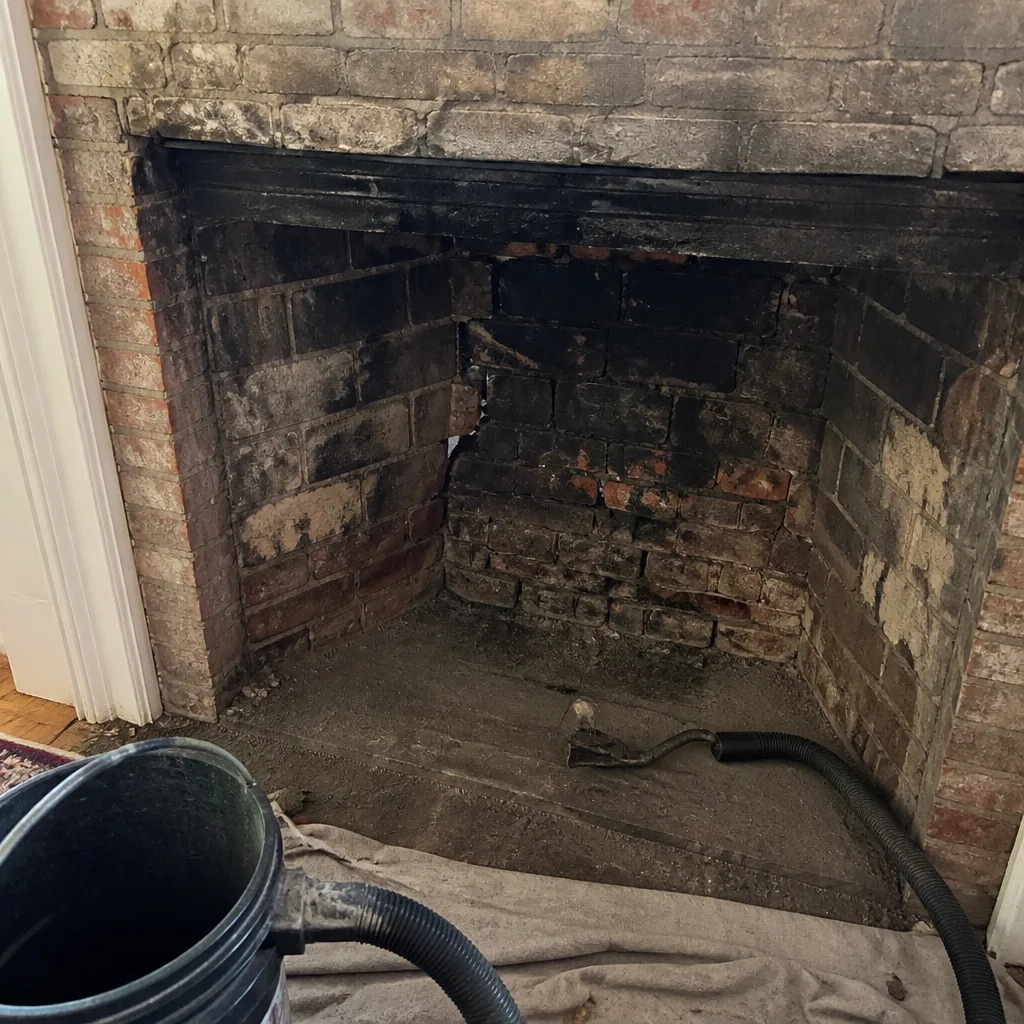 Before
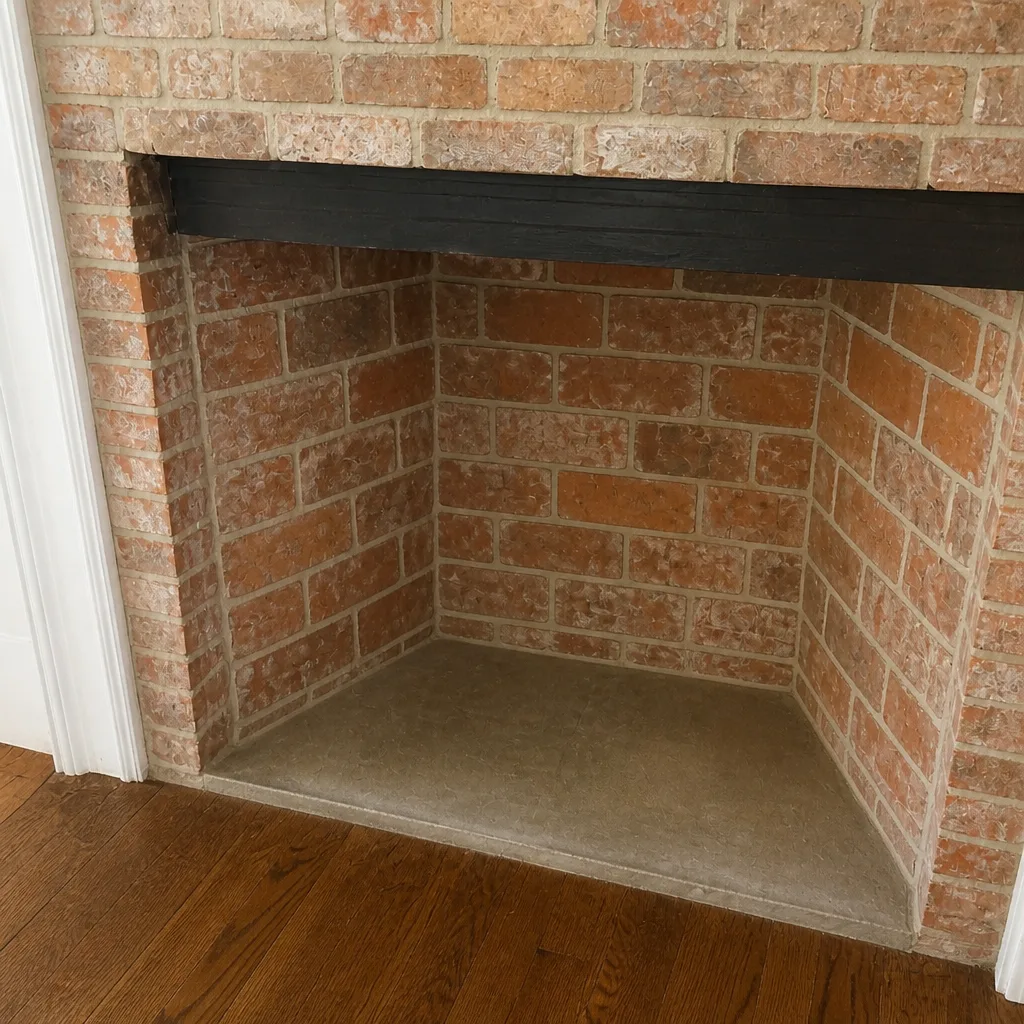 After
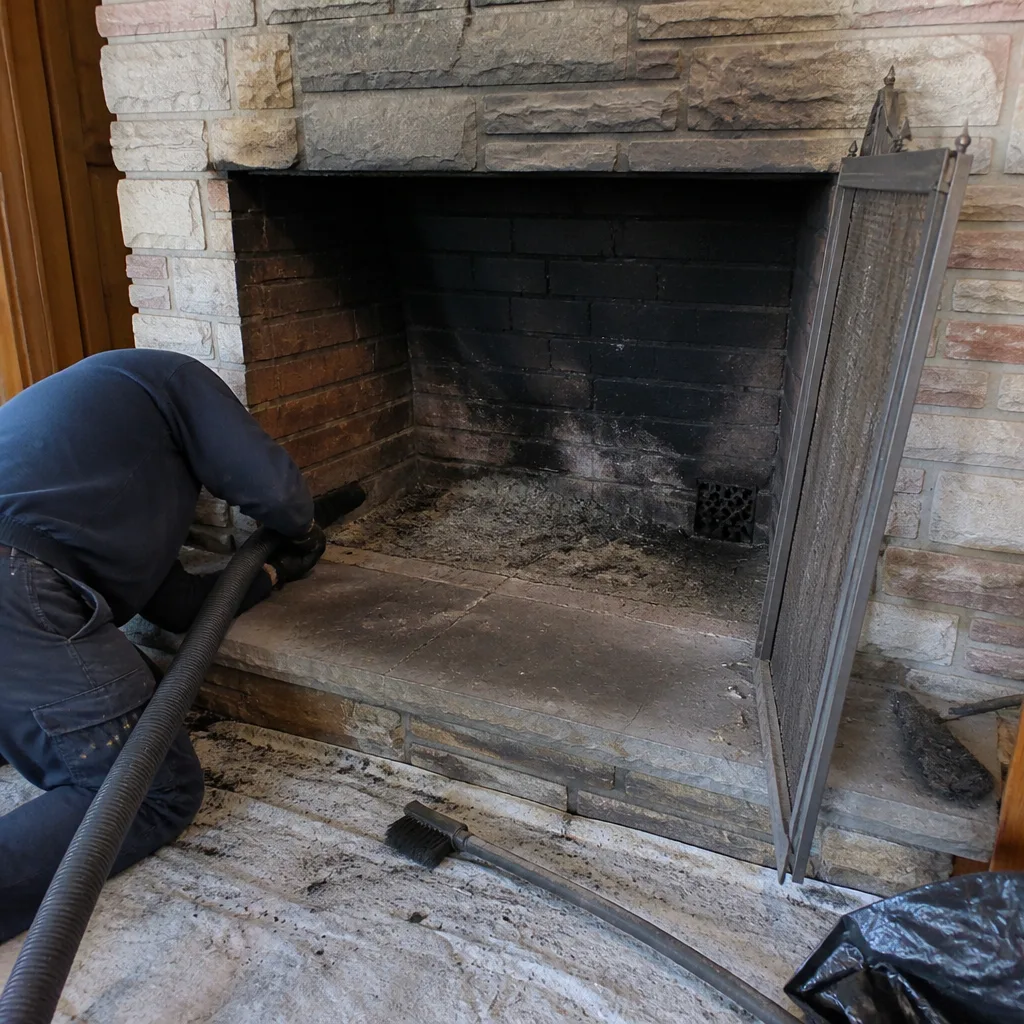 Before
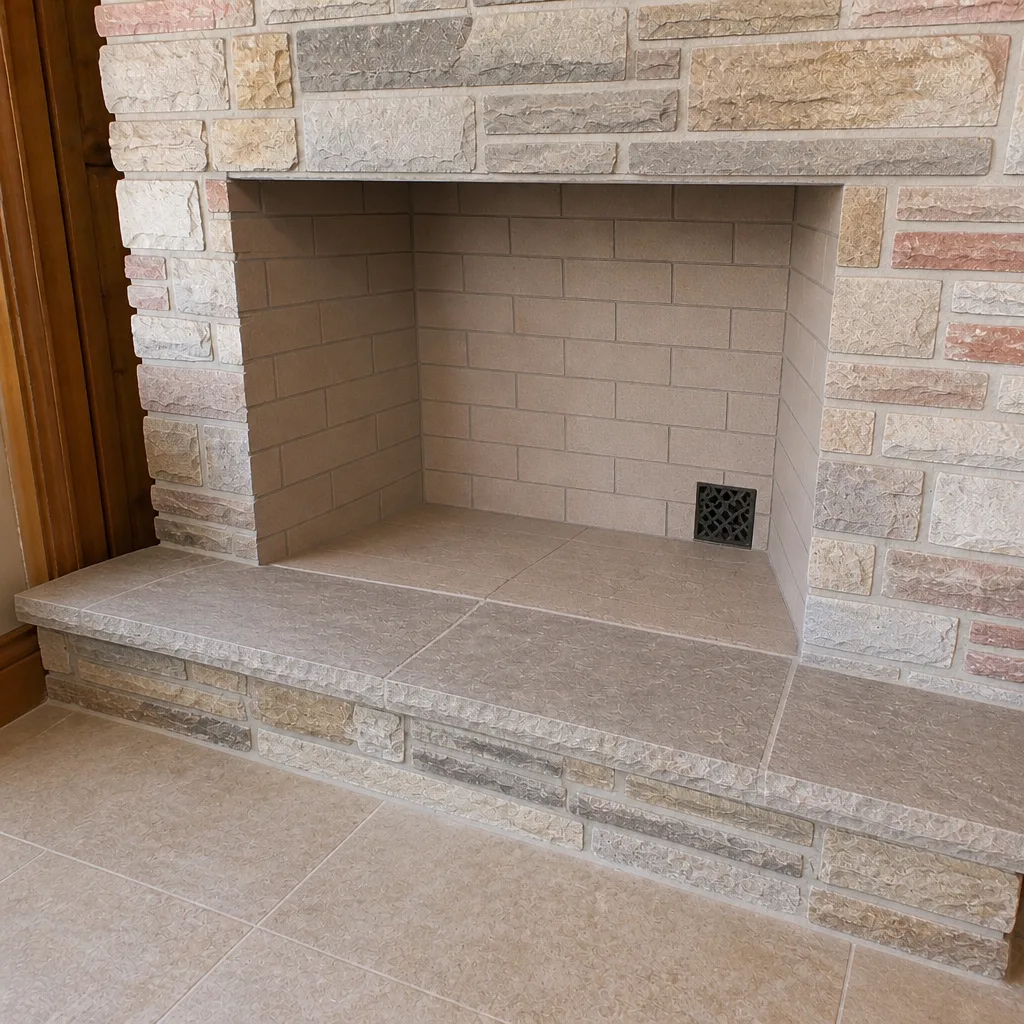 After
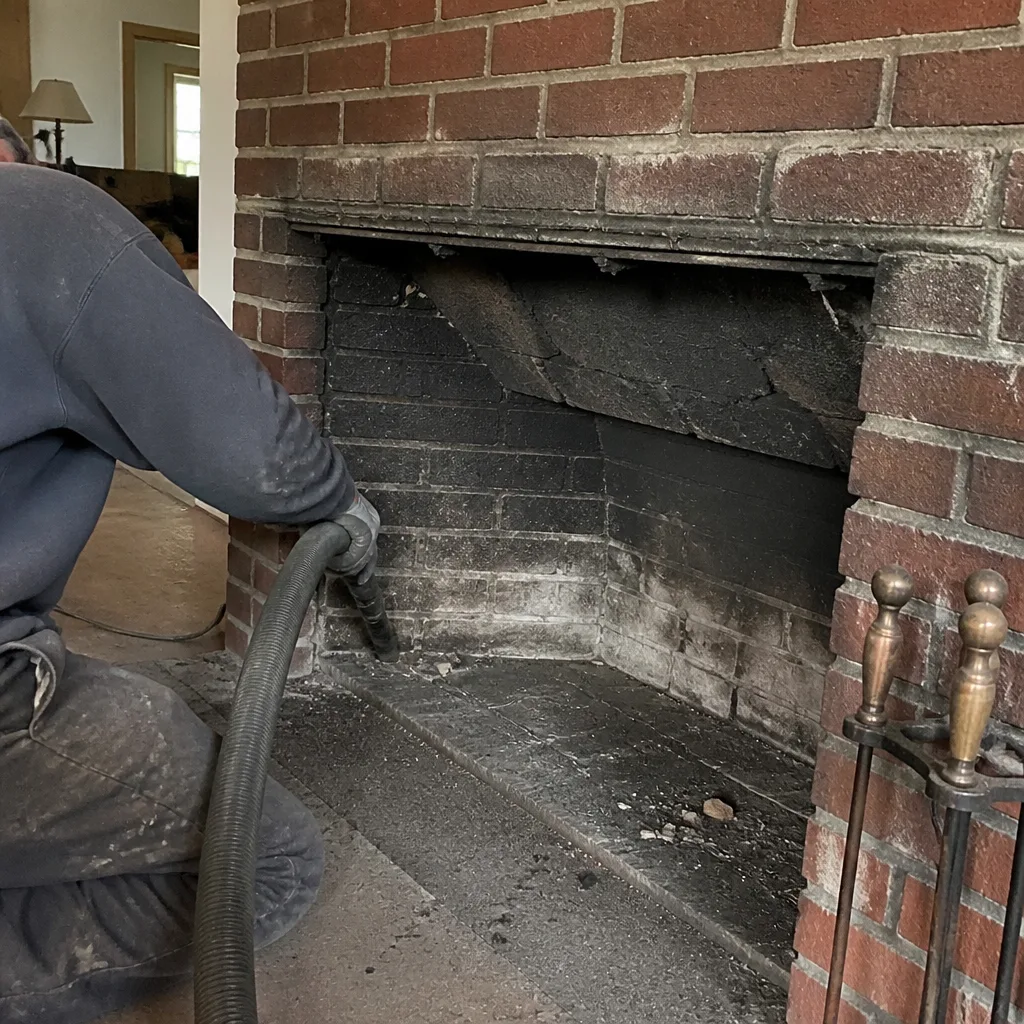 Before
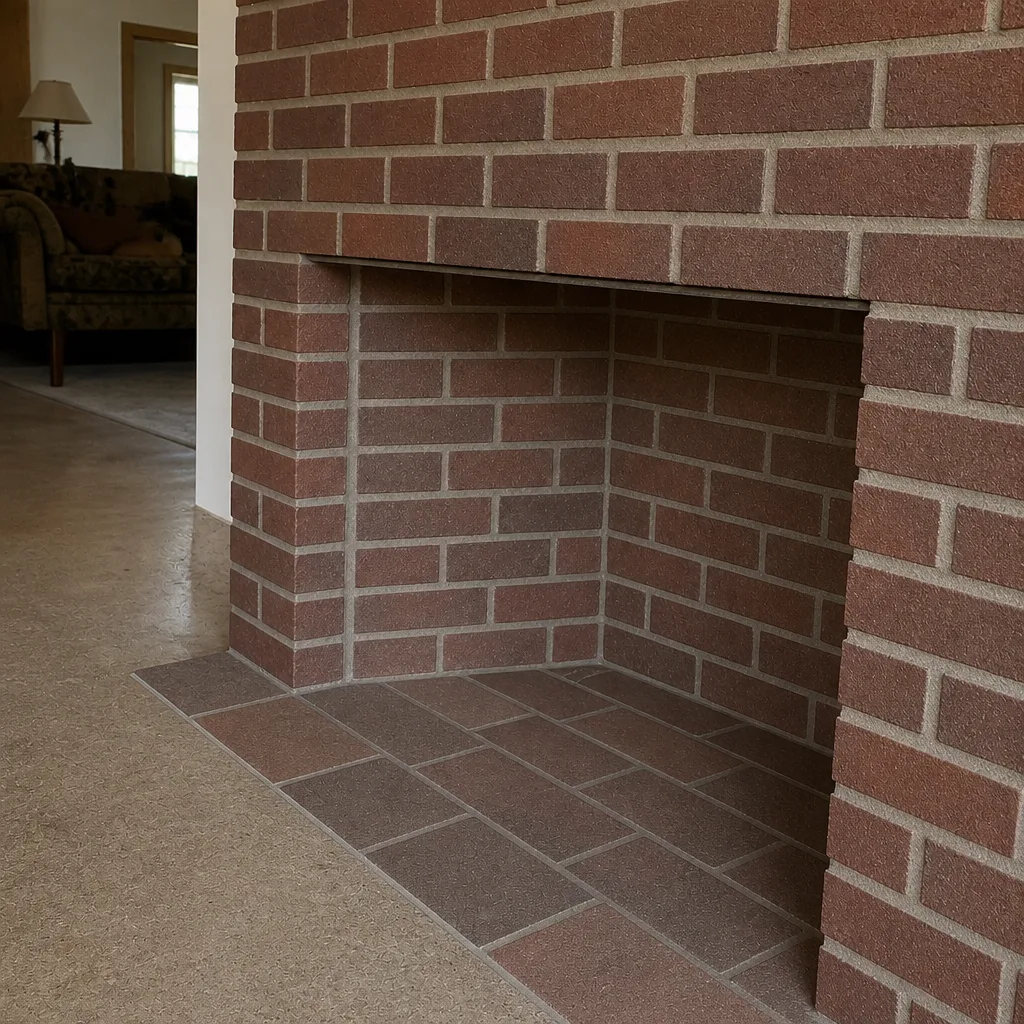 After