
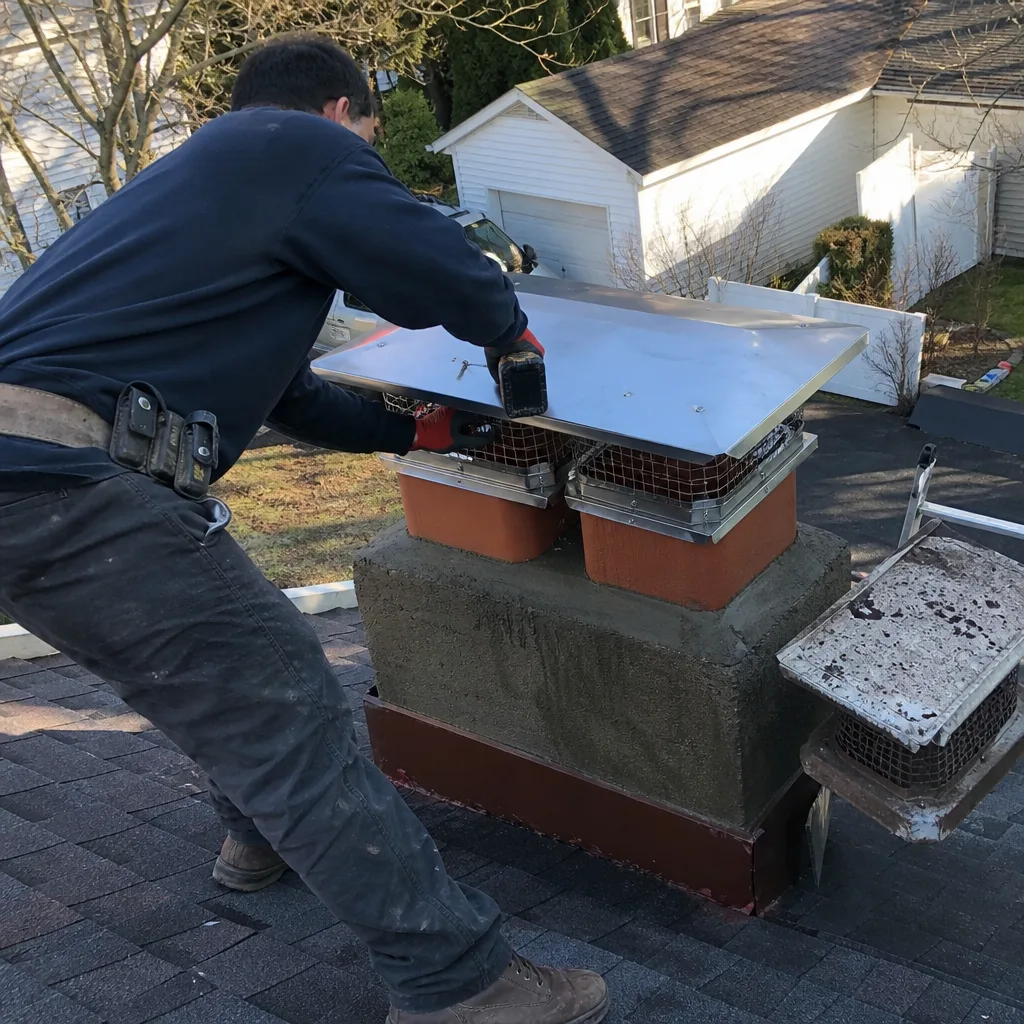
Last updated November 24, 2026
 Sweep & inspection
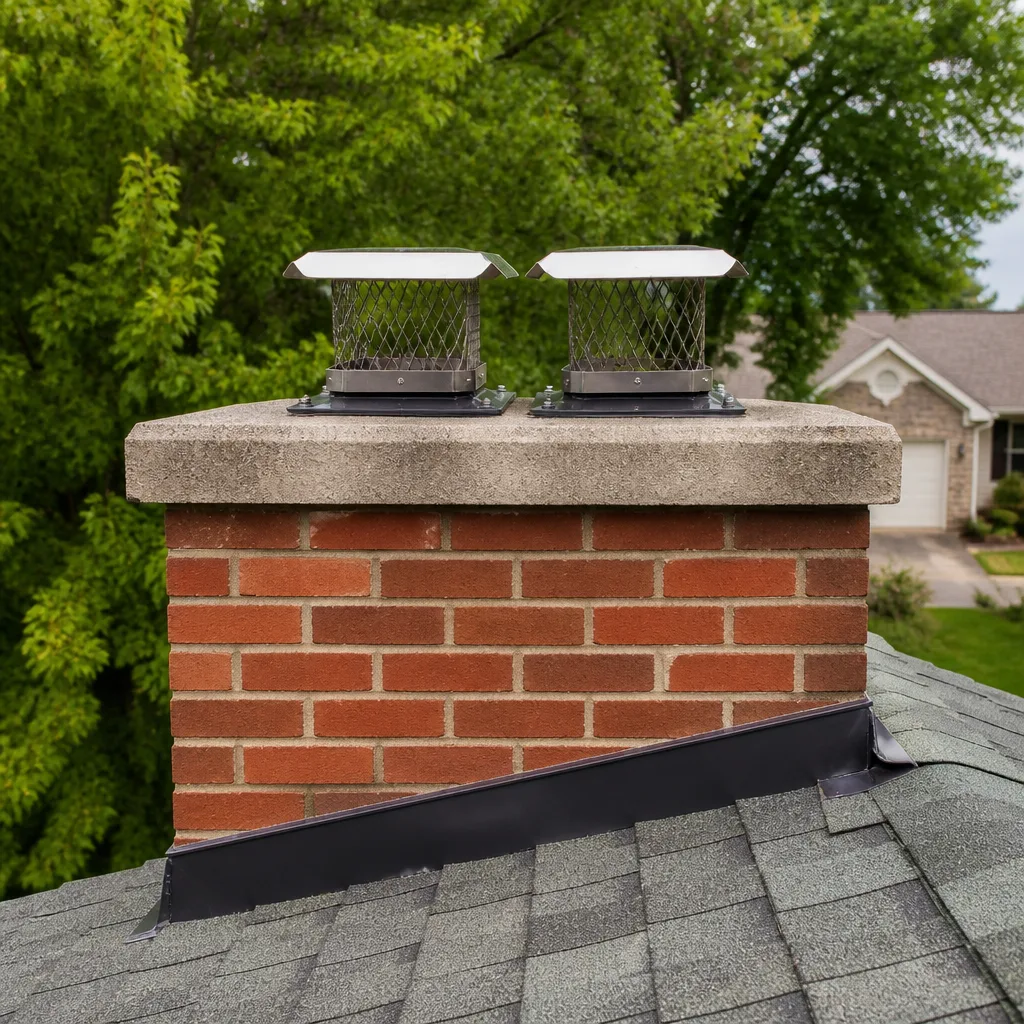
 Caps & crowns
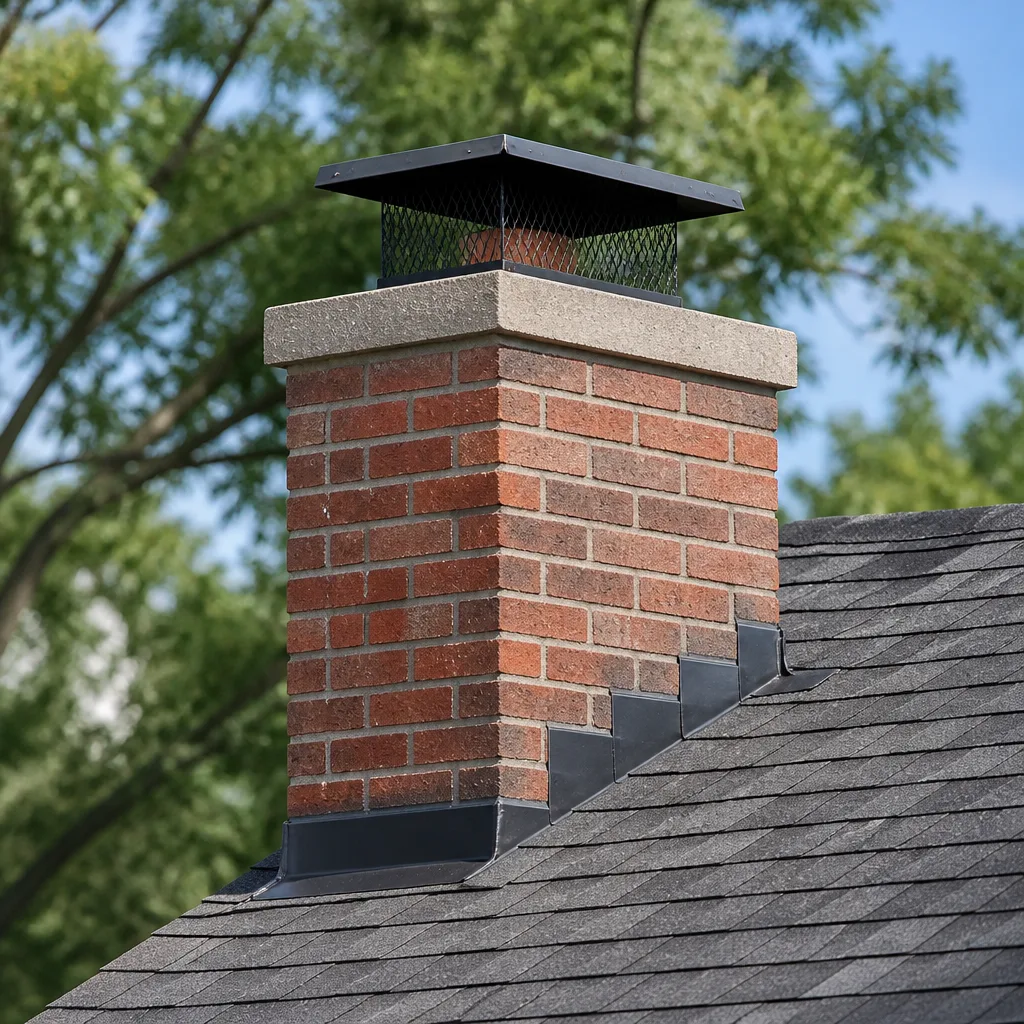
 Flue relining
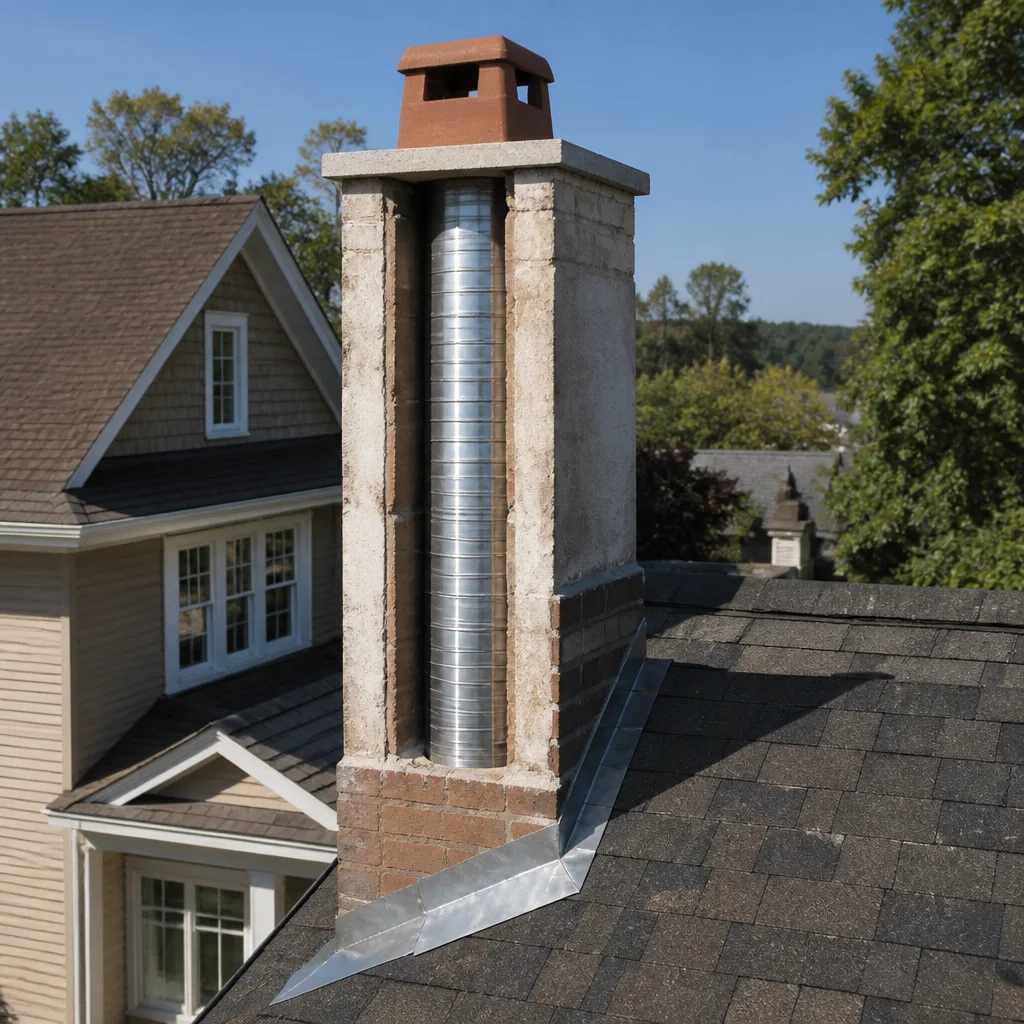
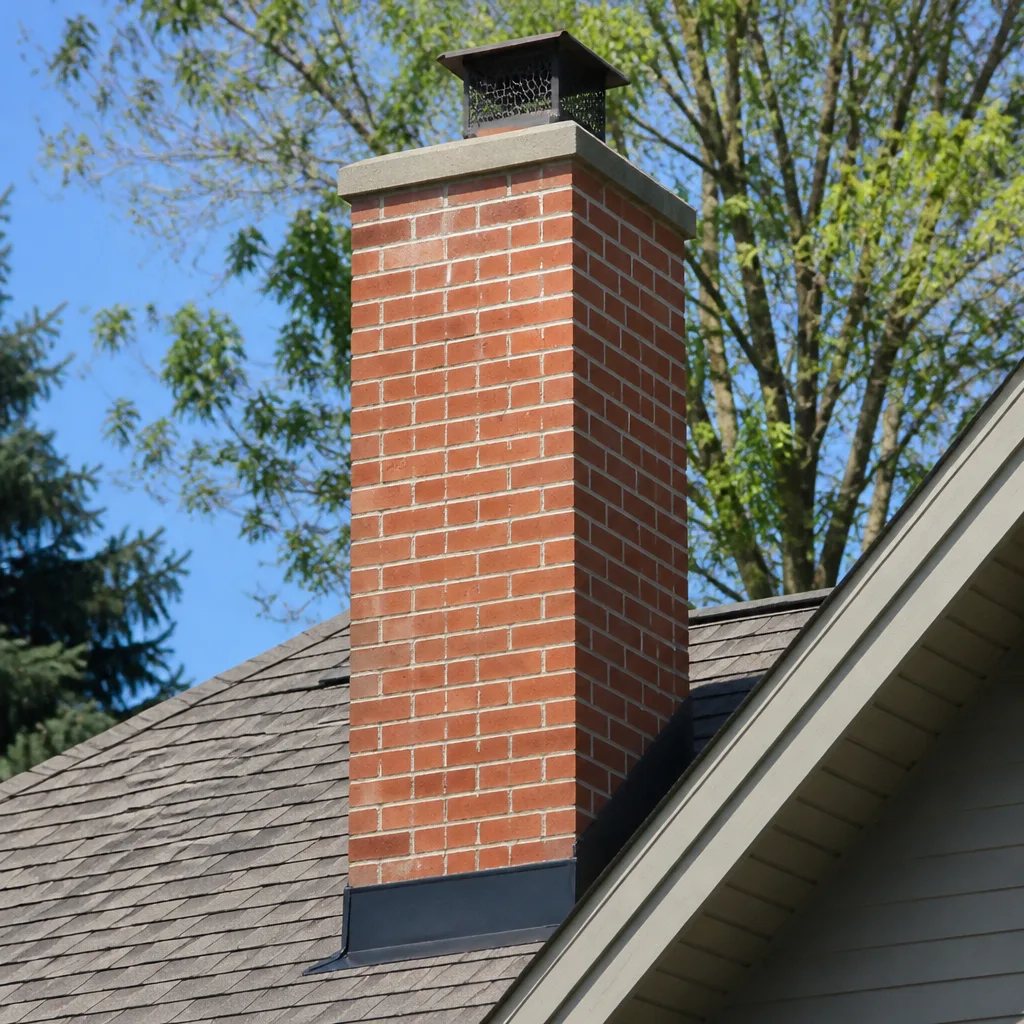 Masonry repair
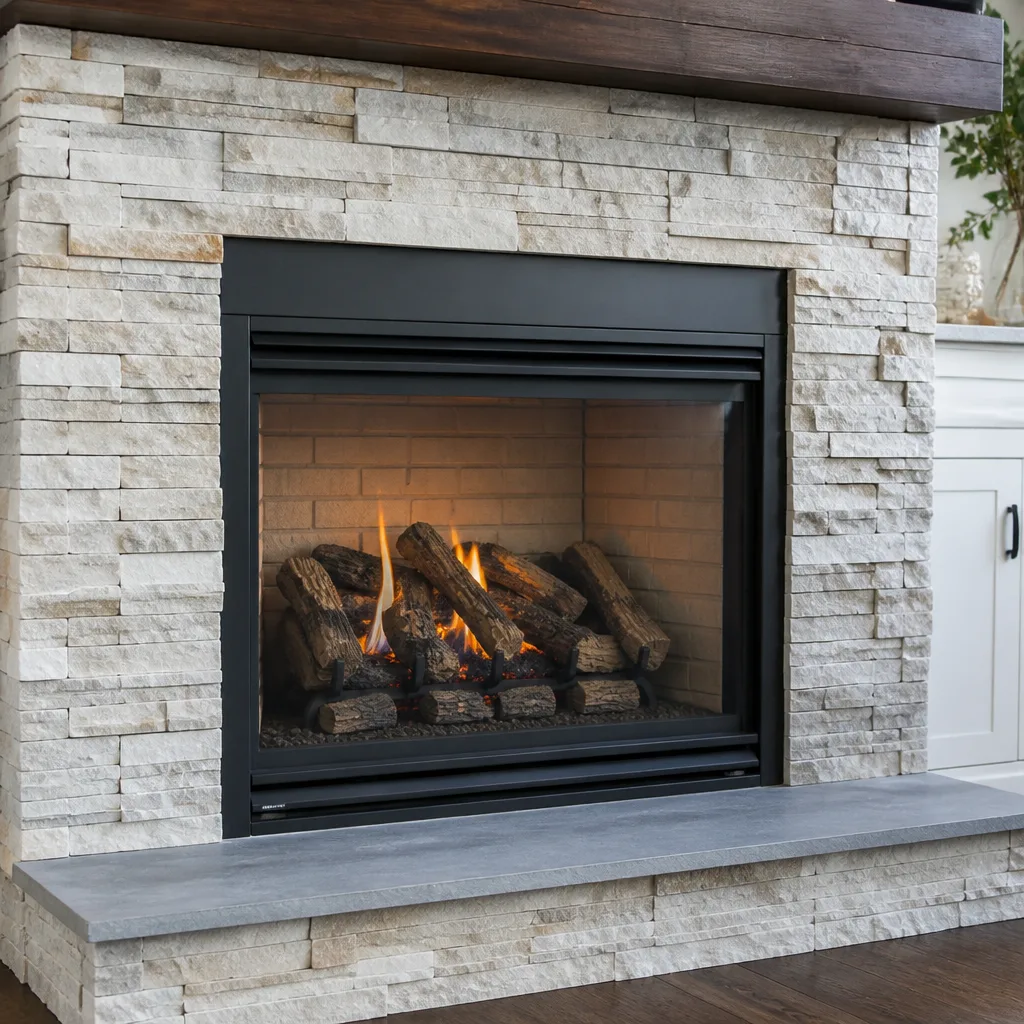 Gas fireplace service
Level 1 sweep and inspection to the NFPA 211 annual standard - flue, crown, cap, and flashing checked and photographed
Chimney sweep logs do not sweep chimneys. They loosen some creosote - which then falls where a brush and vacuum still have to collect it.
The Complete Guide to Chimney Cleaning in Corona
Most people think chimney cleaning is a brush and a vacuum. In Corona, it isn’t that simple. The dense row houses, the converted heating systems, the older brick and the way flues share walls in attached buildings all mean that what looks like a straightforward sweep often turns into a diagnostic process. The National Fire Protection Association reports that failure to clean chimneys is the leading factor in home heating fires, and yet most guides never explain what “clean” actually means to a trained sweep versus a handyman with a brush kit. This guide walks through every stage of chimney cleaning in Corona, from the pre-season assessment to the post-sweep report, so you know exactly what a thorough job looks like and how to tell the difference.
Quick Answer
Chimney cleaning in Corona means removing creosote, soot, and blockages from the flue, firebox, and smoke chamber, then documenting the condition of the entire system with a written report and photos. A proper cleaning starts with a Level 1 inspection to determine what’s actually in the flue, uses methods matched to the creosote type present, and ends with proof of the work done. In Corona’s attached housing stock, the process also has to account for shared flue walls and common venting arrangements that single-family guides ignore.
Styles & brands we work with
- Sweep & inspection
- Caps & crowns
- Flue relining
- Masonry repair
- Gas fireplace service
Table of Contents
- What “Clean” Actually Means: NFPA 211 Inspection Levels
- How Corona’s Attached Housing Changes the Job
- The Three Degrees of Creosote and Why Each Needs a Different Method
- Why Gas Fireplace Inserts Still Need Annual Cleaning
- What a Written Post-Sweep Report Should Contain
- Inspection as a Starting Point, Not an Upsell
- Where DIY Cleaning Stops and a Professional Starts
- When to Schedule Cleaning in Corona
What “Clean” Actually Means: NFPA 211 Inspection Levels
NFPA 211 defines three levels of chimney inspection, and the level you need determines the scope of the cleaning. A Level 1 inspection is the basic visual check of readily accessible portions of the chimney and venting system, done with the same equipment a sweep carries. It’s appropriate when the appliance has been maintained and nothing has changed since the last inspection. A Level 2 inspection goes further: it covers accessible portions of the chimney, including crawl spaces, attics, and basements, and typically uses a camera to look inside the flue. Level 3 is a diagnostic inspection that opens concealed areas when a serious hazard is suspected.
Why does this matter for cleaning? Because the cleaning method changes with the level. A Level 1 inspection on a well-maintained flue might justify a standard sweep. A Level 2 is what we recommend whenever a home has changed hands, an appliance has been replaced, or a flue liner has been damaged. If you’re buying a house in Corona and the seller says the chimney is “fine,” a Level 2 inspection with camera documentation is the only way to know. A chimney sweep that skips the camera isn’t doing a Level 2, no matter what the invoice says.
In our experience, most homeowners in Corona don’t know which level they need. That’s fine, it’s our job to figure out. But you should ask, before anyone starts work, which inspection level the job requires and whether the report will include photos of the flue interior. A sweep that can’t answer that question clearly is a sweep that hasn’t been trained to the NFPA standard.
How Corona’s Attached Housing Changes the Job
Corona isn’t a subdivision of detached houses with wide side yards. Much of the neighborhood is attached row houses and co-op buildings where flues run through shared walls and venting arrangements can be common between units. That creates risks a single-family guide never mentions.
When a flue is shared or passes through a party wall, a breach in one unit’s liner can affect the adjacent unit. Creosote that builds up in a shared flue can migrate, and a blockage caused by a crumbling mortar joint in one unit may show up as a draft problem in the next one over. In older Corona buildings, we’ve seen chimney systems that were originally designed for coal or oil and have since been converted to gas or wood, often without a full liner upgrade. The exterior looks the same. The interior doesn’t match the original design.
What that means for cleaning:
- A camera inspection isn’t optional on attached housing; it’s the only way to see whether the flue serving your unit is isolated or shared.
- Draft problems in one unit can originate in a neighboring flue, so a proper diagnosis has to look beyond your own firebox.
- Caps and crowns matter more in attached housing because a failed crown lets water into a wall shared with a neighbor.
This is also why chimney cap & crown work is a common follow-up to a sweep in Corona. The masonry damage we find most often isn’t inside the flue, it’s at the top of the chimney where water gets in.
The Three Degrees of Creosote and Why Each Needs a Different Method
Creosote is the residue left behind when wood burns incompletely, and it comes in three degrees, each requiring a different removal method. Treating all three the same way, “just brush harder,” is how flues get damaged. Here’s how the degrees break down and what each one demands.
- First-degree creosote is light, flaky, and soot-like. It brushes off with a standard poly brush. This is what a regularly cleaned flue looks like, and it’s the easiest to remove.
- Second-degree creosote is harder, sometimes tar-like, and clings to the flue walls. A standard brush will glaze it over rather than remove it. It needs a different approach, often a chemical treatment that softens the deposit before mechanical removal.
- Third-degree creosote is the most serious: a thick, hardened glaze that can look like a shell inside the flue. Brushing alone can’t remove it and can damage a liner trying. Third-degree creosote is a fire hazard and usually calls for a specialized removal method or, in some cases, liner replacement.
In Corona, we see more second- and third-degree creosote than you’d expect for the climate. The reason is usually the wood being burned, not the chimney. Unseasoned wood and wood that’s been stored against a damp wall produce more creosote than dry, seasoned wood. A few hours of slow, smoldering burns on a cold night can deposit more than a season of hot, clean fires. When we find third-degree creosote, we don’t just brush and leave. We document it with photos, explain the fire risk in plain terms, and recommend the removal method that matches the deposit, which is sometimes HeatShield liner restoration rather than a full replacement.
Why Gas Fireplace Inserts Still Need Annual Cleaning
Gas fireplace inserts still require annual flue cleaning, even though they produce far less creosote than wood. The “clean burn” assumption is the most common misconception we run into in converted Corona homes. Gas is cleaner, not clean. Here’s what still accumulates and why it matters:
- Dust, lint, and pet hair get pulled into the combustion air intake and settle on the flue walls, especially in older homes with limited ventilation.
- Corrosion from acidic condensation can degrade a metal liner that was never designed for the moisture gas appliances produce. A liner that looks fine from the outside may be pitted inside.
- Blockages from birds, squirrels, and debris don’t care what fuel you burn. A nest in a gas flue is just as much of a carbon monoxide risk as one in a wood flue.
- Improperly sized flues are common after conversions. A flue sized for wood is often oversized for gas, which means slower draft and more condensation.
An annual inspection catches all of these before they become a problem. A gas insert that’s never been inspected is a closed system you know nothing about. In our experience, a camera inspection on a converted gas fireplace routinely turns up something the homeowner didn’t know was there: a cracked liner, a disconnected vent, or a flue that was never properly sized for the new appliance. That’s why we treat inspection as its own service, not a line item buried in a sweep.
What a Written Post-Sweep Report Should Contain
A written post-sweep report should contain the inspection level performed, the condition of the flue and firebox before and after cleaning, the creosote degree found, photos of the flue interior, and any recommended repairs with a clear note on what can safely wait. Without those elements, you have no way to verify the work was actually done. The report is your record, and it’s what you’ll hand to a buyer or an insurer if you ever need to.
Here’s how to read one. A good report is specific. It names the flue, describes what was found, shows photos that a layperson can interpret, and separates what was cleaned from what needs repair. It doesn’t use vague language like “chimney serviced” with a checkbox. If a report says “recommend liner replacement” without a photo of the damaged liner, ask for the photo. We include camera inspection and a photo report with our work for exactly that reason: you should be able to see what we see.
What to check before paying:
- Does the report state the NFPA inspection level performed?
- Are there photos of the flue interior, before and after?
- Does it name the creosote degree found?
- Are repair recommendations itemized and clearly separated from the cleaning scope?
- Does it tell you which findings are urgent and which can safely wait?
If the sweep can’t provide these, the job isn’t finished, no matter how clean the firebox looks. Documentation is part of the service, not a bonus.
Inspection as a Starting Point, Not an Upsell
A chimney inspection isn’t an upsell, it’s a starting point. In Corona, where so much of the housing stock has been converted, combined, or added onto over the years, the only way to know what you’re working with is to look. That’s why we offer inspection as a standalone service. You don’t have to buy a sweep to get an honest condition assessment.
This matters most in three situations:
- Before you buy a home with a fireplace. A Level 2 inspection with camera documentation tells you whether the liner is intact, whether the flue is properly sized for the appliance, and whether the crown and cap are holding up. It’s information you can negotiate with.
- Before the first fire of the season. A pre-season inspection catches the creosote buildup, blockages, and animal nests that accumulated since last winter. It’s the cheapest safety step you can take.
- After any draft problem. If smoke rolls back into the room or the fire won’t draw, that’s a symptom. The inspection is the diagnosis.
When we recommend chimney repair, it’s because the inspection found something the camera can show you. If the flue is sound and the creosote is first-degree, we tell you that too, and we tell you when the next inspection should happen. A specialist that only recommends work it can prove is one you can trust with the next season too.
Where DIY Cleaning Stops and a Professional Starts
DIY cleaning is fine for a light, first-degree creosote flue on a straightforward chimney, and even then, only with the right equipment and safe access. But there’s a line, and in Corona’s housing, that line arrives sooner than most homeowners expect. Here’s how to know where your limits are:
- Second-degree creosote or worse. A brush won’t remove it. Attempting it can glaze the deposit and damage the liner.
- Roof access with a steep pitch, brittle cap, or height above a certain point. Cleaning a flue means getting on the roof. On older Corona row houses, the roof and cap are often the weak point, and one misstep is a serious fall.
- Any attached flue or shared-flue arrangement. Without a camera, you can’t tell what you’re cleaning or whether you’re affecting a neighbor.
- A gas insert or converted heating appliance. The flue is a closed system with venting that has to be checked, not just brushed.
- Signs of a cracked liner, disconnected vent, or water damage. Cleaning around damage makes it worse.
One safety note worth stating plainly: a chimney is a vent for fire and combustion gases, and the stakes are real. Carbon monoxide has no smell, and a blocked or cracked flue can send it into the living space. That’s why we don’t hand out step-by-step cleaning instructions for anything beyond the lightest, safest job. If you’re unsure, call a trained professional. The inspection is a starting point, and it’s usually the cheapest part of the job.
When to Schedule Cleaning in Corona
Schedule cleaning in Corona before the first fire of the season, ideally in the weeks before heating season starts, so the inspection can catch anything that needs repair before you’re depending on the fireplace. The reason isn’t urgency in the hourly sense. It’s seasonal. A flue that’s clean and inspected in advance lets you light the first fire without worry, and it leaves time to fix what the inspection turns up.
What the Corona climate does to the timing is worth explaining. The winters here are cold enough for consistent fireplace use, but not so severe that the heating season runs year-round. That means most chimneys sit idle for the warmer months, and a lot happens in that window: nesting animals, water getting in through a failed cap, and creosote deposits curing harder as the weather changes. A pre-season sweep clears all of it. A mid-season sweep, when you’re already burning, is fine too, but it’s cleaner to start the season with a documented flue than to discover a problem on the first cold night.
If your last inspection was more than a year ago, or you’ve never had one in the home you live in now, that’s the signal. If you’ve changed what you burn, replaced the fireplace, or noticed smoke rolling back, the timing isn’t seasonal anymore. Book the inspection first and let it tell you what kind of cleaning the job actually needs. Most homes in Corona need a sweep and a basic inspection once a year. Some need less. A few need more. The inspection is what sorts it out.
Common Mistakes to Avoid
- Treating cleaning as a one-time task. A swept flue is a snapshot. It needs an annual check to stay safe, because creosote and blockages build up between cleanings.
- Assuming a gas insert doesn’t need cleaning. Gas flues still collect debris, moisture, and corrosion. Annual inspection on a converted appliance is one of the most important jobs in Corona housing.
- Hiring based on the lowest quote without asking about inspection levels. A cheap sweep that skips the camera and the written report isn’t cheaper, it just leaves you without documentation.
- Ignoring the crown and cap. Most masonry and water problems we see in Corona start at the top of the chimney, not the firebox. A failed crown lets water into the whole system.
- Burning unseasoned wood. Wet wood produces far more creosote and is a leading reason flues go from first-degree to second- or third-degree in a single season.
- Cleaning around a known liner problem. If there’s a crack or a disconnected vent, cleaning first can make it worse. Inspect, then decide.
- Not asking for the report. Without before-and-after photos and a written description, you can’t verify the work or document it for insurance or a future sale.
See the difference
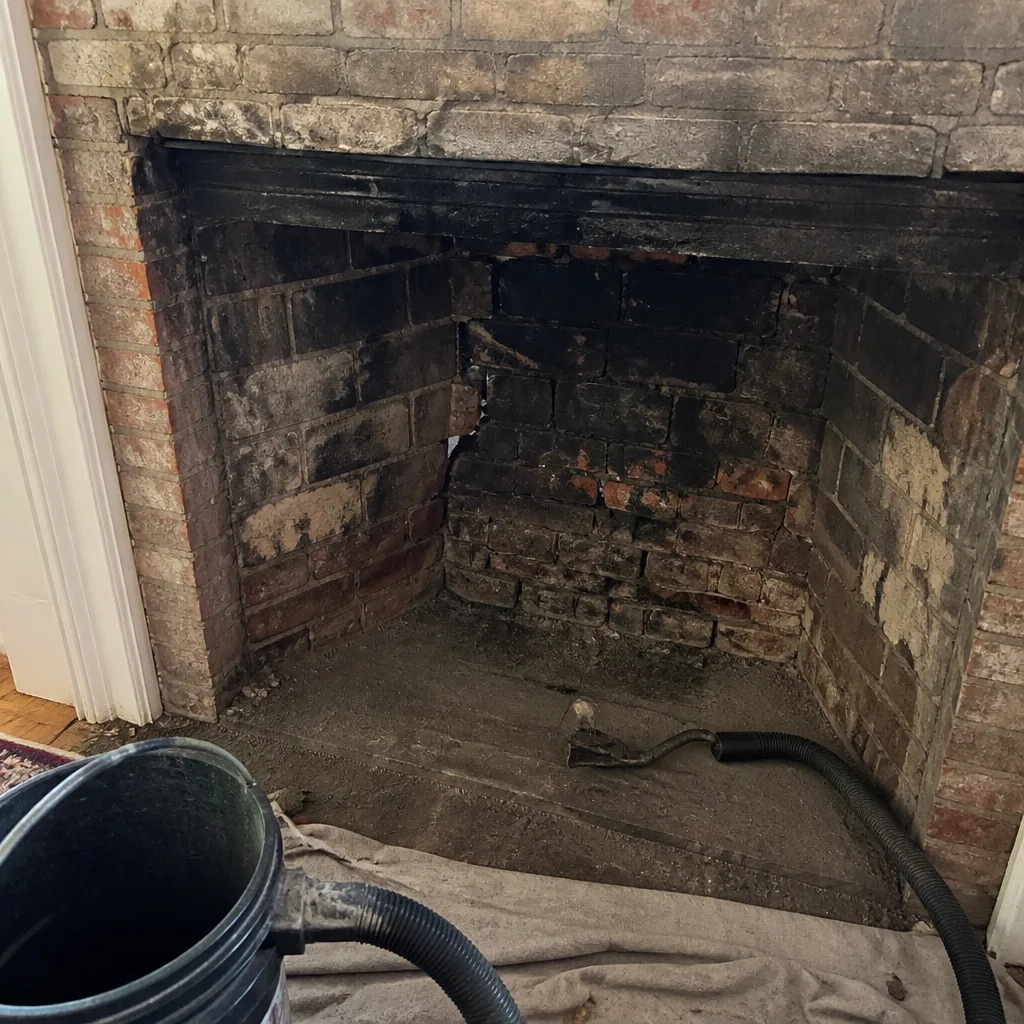 Before
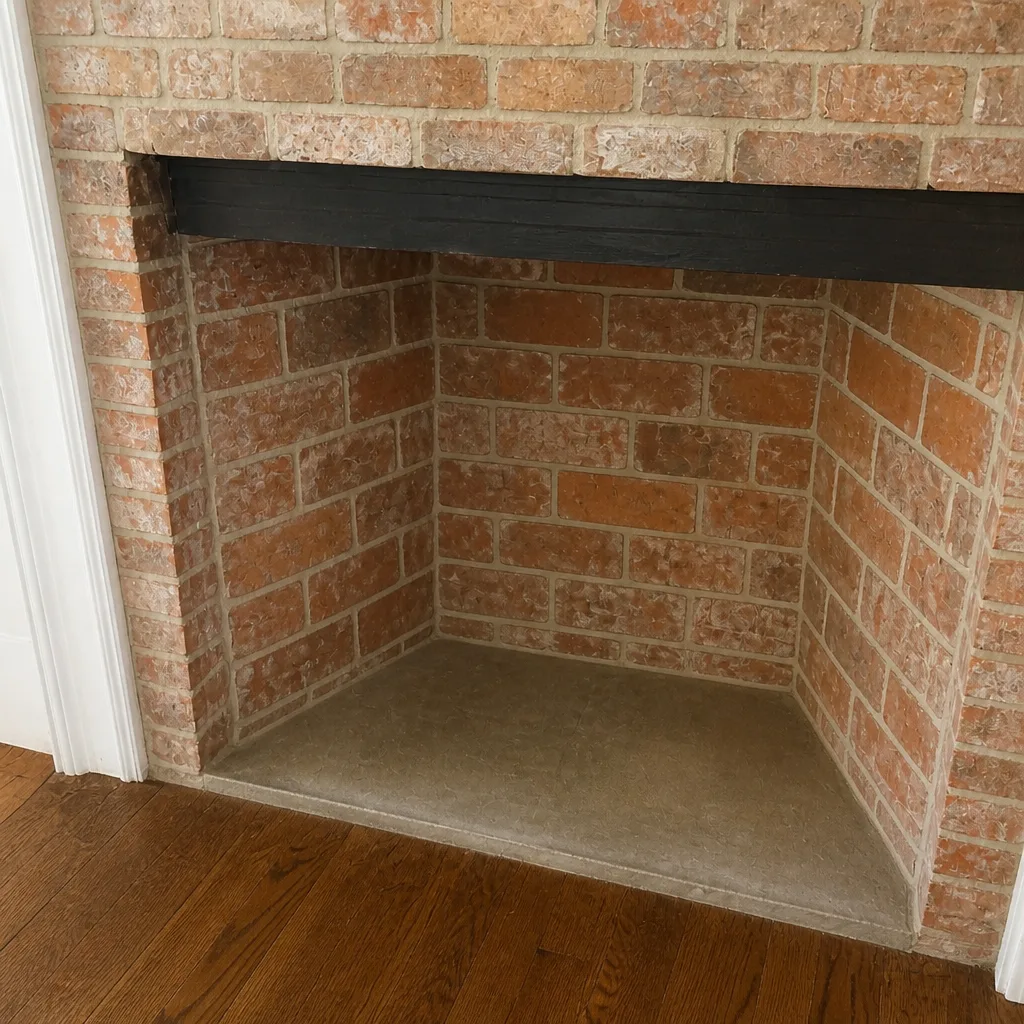 After
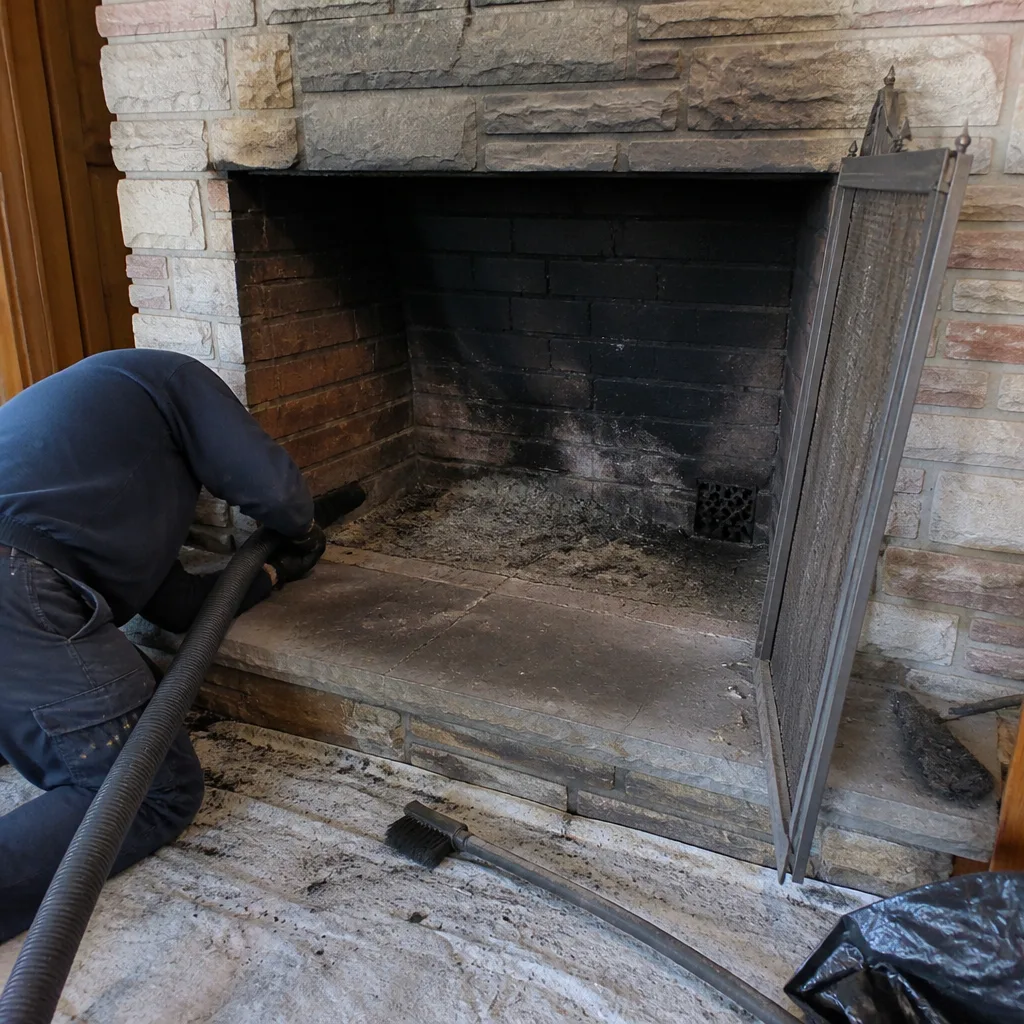 Before
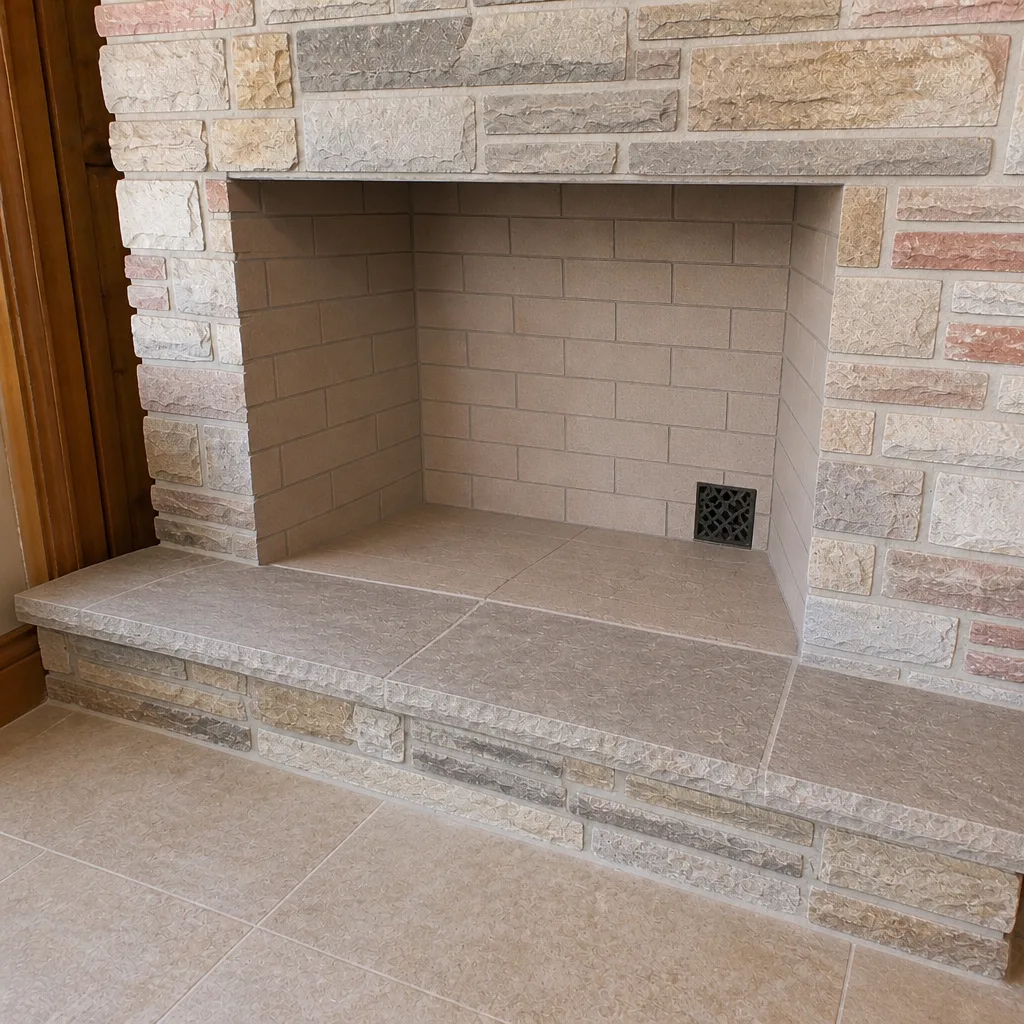 After
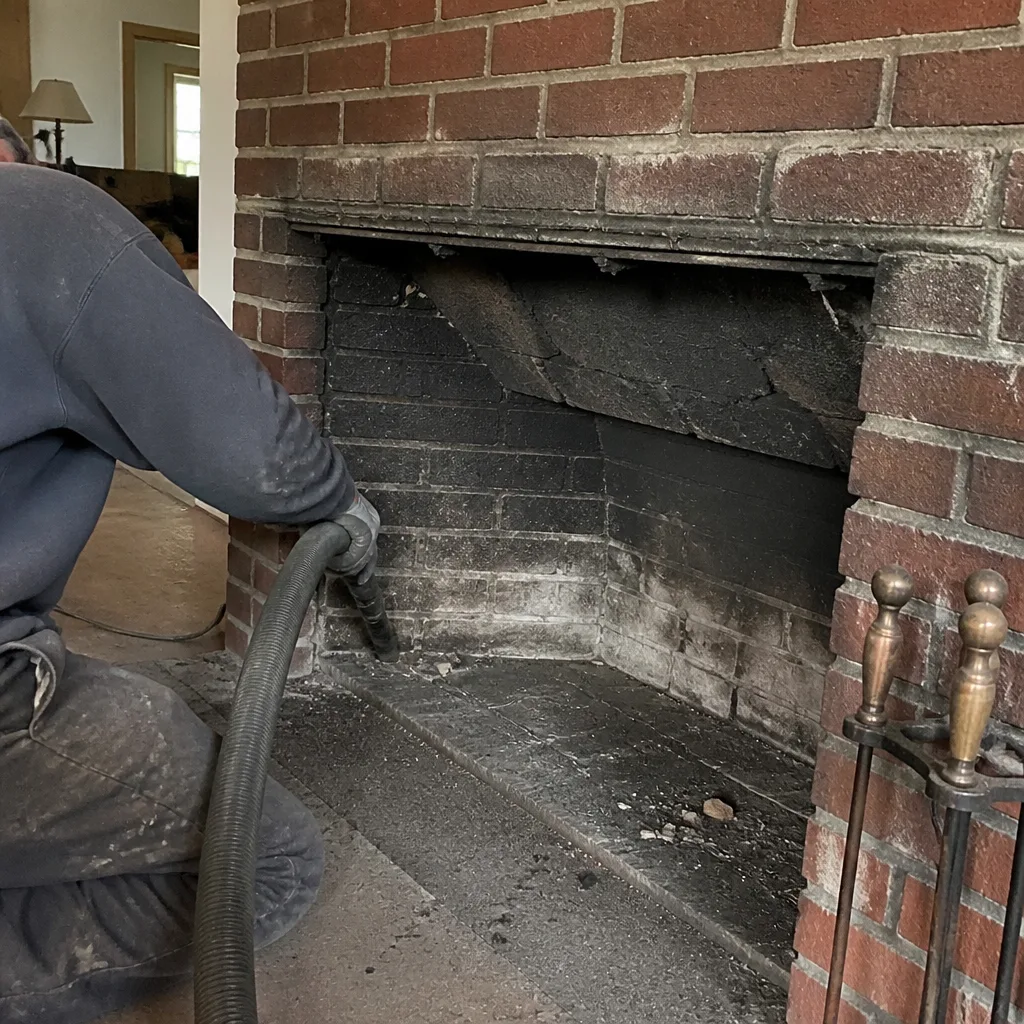 Before
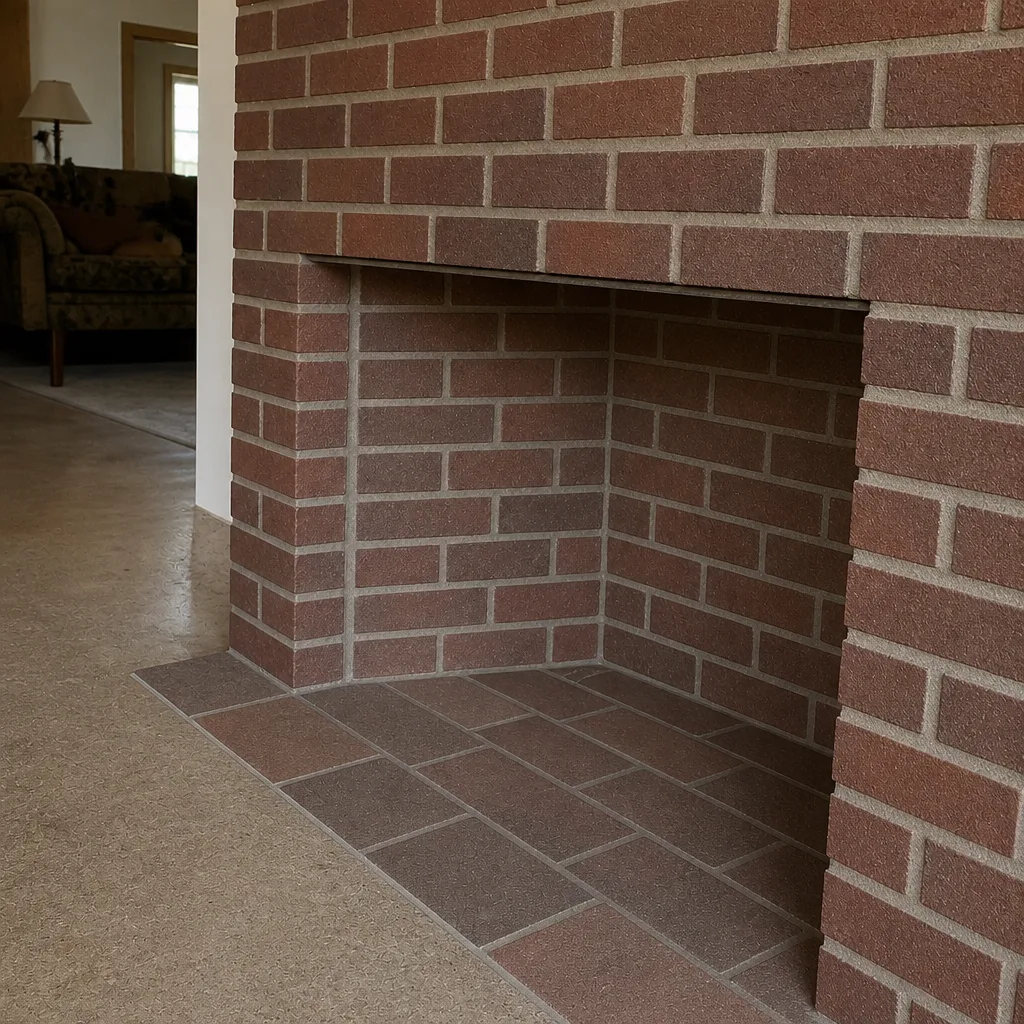 After
When to Call a Professional
Call a professional when the creosote is second-degree or worse, when you need roof access you’re not comfortable with, when your home has an attached or shared flue, when there’s a gas insert or a converted appliance, or when you’ve seen signs of a cracked liner, water damage, or draft problems. Also call when it’s been more than a year since the last inspection, or when you’re buying or selling a home and need a documented condition report. The point of the call isn’t to sell you a service. It’s to get the flue looked at before the first cold night, when you actually need the fireplace to work. Chimney Sweep Corona offers free estimates in Corona, call (833) 968-1177. We answer 24/7, with fast dispatch from 7am to 7pm, Sunday through Friday.
Frequently Asked Questions
Chimney cleaning in Corona is priced per job by a written estimate, because the cost depends on the creosote degree, the inspection level needed, and the condition of the flue. A basic sweep on a first-degree flue is a shorter job than a second- or third-degree removal, and a home with an attached flue or a converted gas appliance needs a camera inspection before the scope is settled. Call (833) 968-1177 for an exact quote, the estimate is free.
You need a new liner only if the inspection shows the existing liner is cracked, disconnected, or unable to contain what the appliance produces, and you should be able to see that evidence in the camera photos. We don’t recommend a liner without camera evidence. In some cases, HeatShield liner restoration can solve the problem as an alternative to full replacement, and we tell you plainly when the existing liner has years of safe service left. Call (833) 968-1177 and we’ll walk through what the photos show.
A wood-burning chimney should be swept once a year, or more often if you burn frequently or notice a heavy creosote buildup. A gas appliance still needs an annual inspection even if the flue doesn’t need much cleaning. In Corona’s attached housing, an annual camera inspection is the standard because problems in a shared flue can start next door. Call (833) 968-1177 to get on the schedule before the first fire of the season.
If you skip cleaning, creosote accumulates, hardens from first to second to third degree, and becomes harder and more expensive to remove. A blocked or damaged flue can also allow carbon monoxide from a combustion appliance to enter the home, and that’s the risk that carries real consequences. Skipping a year isn’t automatically catastrophic, but skipping several, or skipping when the creosote is already heavy, is where the fire and CO risk lives. Call (833) 968-1177 for an inspection and an honest answer on timing.
We can inspect and clean a shared or attached flue, but it starts with a camera inspection to determine how the flue serves your unit and whether adjacent units are connected. That’s not a step that can be skipped in Corona’s row houses and co-op buildings, because the cleaning scope depends on it. We document what the camera shows so you and your neighbor both understand the situation. Call (833) 968-1177 to set up the inspection.
Yes, gas fireplace inserts still need an annual flue inspection and cleaning, even though they produce less creosote. Gas appliances produce condensation that can corrode a metal liner, and dust, debris, and animal nests don’t care what fuel you burn. Converted heating systems in older Corona homes are the most likely to have an undersized or damaged flue that only a camera inspection will catch. Call (833) 968-1177 for a gas flue inspection.
The Bottom Line
Chimney cleaning in Corona is a diagnostic process, not a brush and a vacuum. The right job starts with an NFPA 211 inspection to establish what’s actually in the flue, uses a removal method that matches the creosote degree, and ends with a written report and photos you can read for yourself. In Corona’s dense, attached housing, the inspection matters even more, because shared flues, converted gas appliances, and aging brick hide problems a visual check won’t find. Before you light this season’s first fire, book the inspection. Call (833) 968-1177 for a free estimate. We answer 24/7, with fast dispatch from 7am to 7pm, Sunday through Friday.
Written by the team at Chimney Sweep Corona.