
Last updated November 24, 2026
 Sweep & inspection
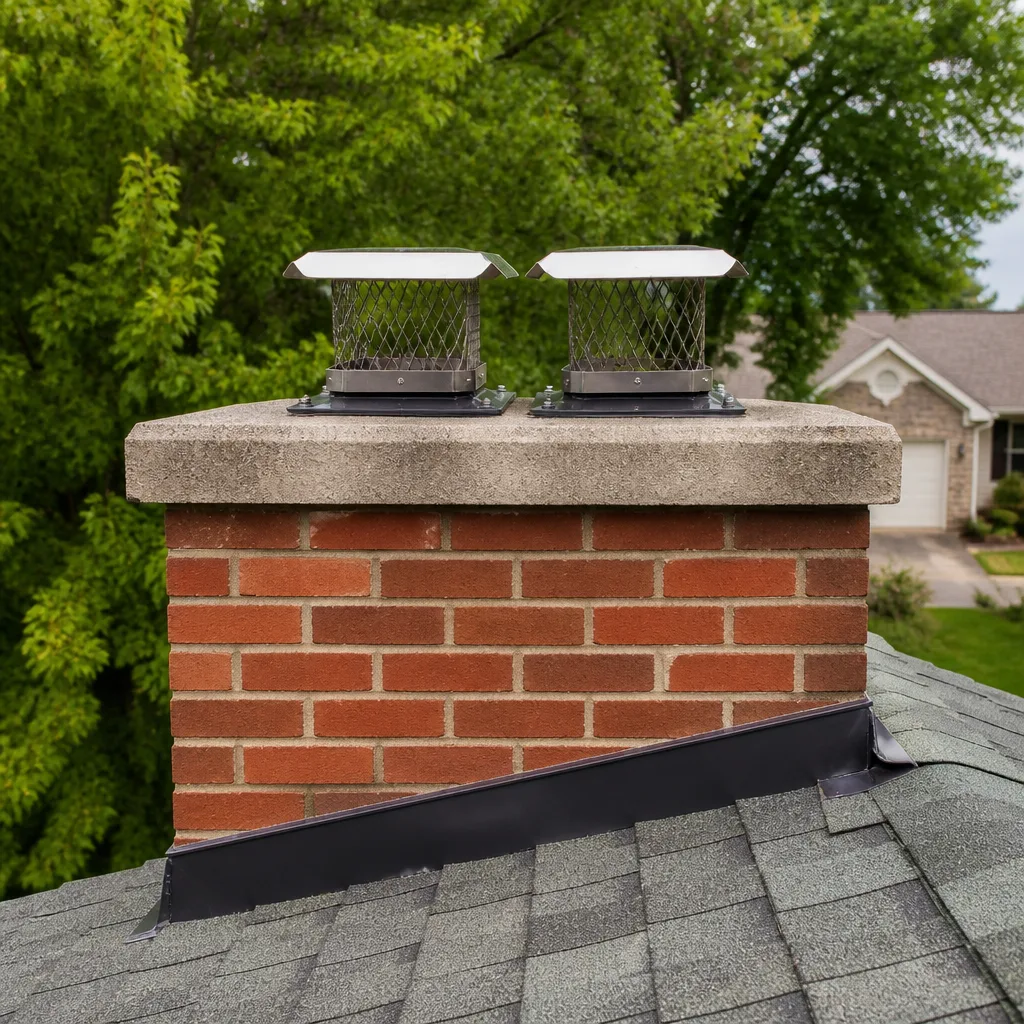
 Caps & crowns
 Flue relining
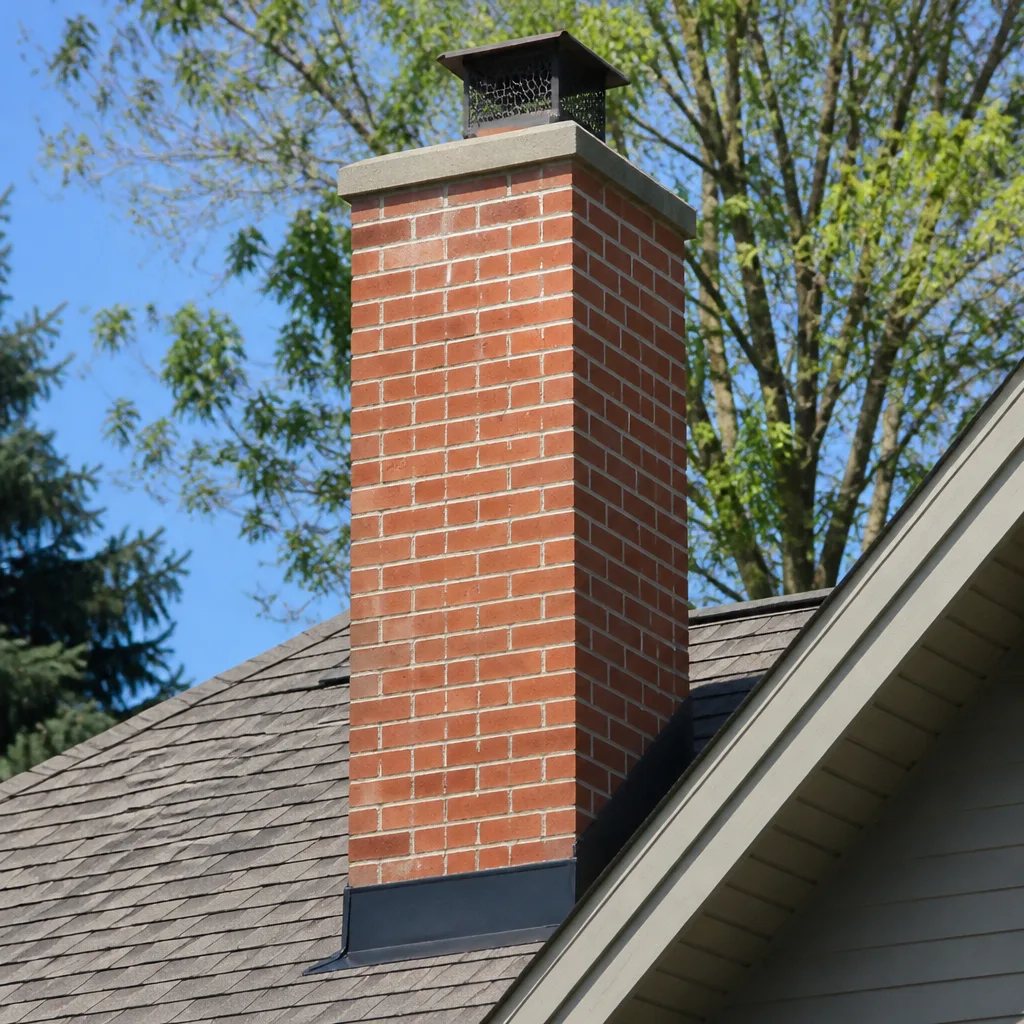 Masonry repair
 Gas fireplace service
Level 1 sweep and inspection to the NFPA 211 annual standard - flue, crown, cap, and flashing checked and photographed
Chimney sweep logs do not sweep chimneys. They loosen some creosote - which then falls where a brush and vacuum still have to collect it.
Chimney Cleaning Emergency Preparedness Guide for Corona Homes
Most people picture a chimney fire as flames shooting above the roofline. The more dangerous version rarely looks like that. It burns slowly inside the flue, at temperatures high enough to crack a clay liner and ignite framing lumber behind the brick, while the homeowner watches a fire that seems completely normal. We’ve walked into Corona homes after exactly this kind of event, and what surprised the resident every time was how quiet it had been. This guide is built around that reality. It gives Corona homeowners a clear decision tree: which chimney problems need immediate action, which can safely wait for a scheduled appointment, and what to have ready before the fireplace season starts.
Quick Answer
A chimney emergency is any situation where the flue is actively burning, venting carbon monoxide into the living space, or structurally compromised in a way that threatens the house. Call 911 for an active fire, then have the system professionally inspected before lighting another fire. Everything else, including most creosote buildup, cracked crowns, and draft complaints, can wait for a scheduled chimney sweep and inspection. The four true emergencies are covered in detail below.
Styles & brands we work with
- Sweep & inspection
- Caps & crowns
- Flue relining
- Masonry repair
- Gas fireplace service
Table of Contents
- What Actually Counts as a Chimney Emergency?
- How Do You Identify an Active Chimney Fire?
- What to Do Before the Fire Department Arrives
- Post-Chimney Fire Protocol: Whythe System Must Be Inspected
- Carbon Monoxide from a Faulty Chimney: What It Looks Like
- What to Tell a 911 Dispatcher
- Building a Pre-Season Emergency Kit
- The Corona Decision Tree: Act Now vs. Schedule a Visit
What Actually Counts as a Chimney Emergency?
Four situations genuinely require immediate action. Everything else is a scheduling question, and understanding the difference is the whole point of preparation.
The four true emergencies:
- An active chimney fire. You hear roaring, see sparks or dense smoke from the top, or smell a hot, metallic burning that doesn’t come from the firebox.
- Carbon monoxide alarm activation traced to the chimney or flue, not a gas appliance.
- Flames or smoke escaping into the room instead of going up the flue, which suggests a blocked or collapsed flue.
- Structural failure. A cap that has fallen, a crown pulling away from the flue, or visible cracks running through the chimney masonry after a fire or storm.
Notice what’s not on that list: a smoky fireplace, a cold draft on a windy day, a crumbling mortar joint, or a chimney that hasn’t been swept since you bought the house. Those matter, and they should be addressed, but they’re maintenance issues. They belong on a scheduled visit, not an urgent call.
The distinction matters in Corona because older housing stock frequently means chimneys that worked fine for decades but have never been evaluated. Draft complaints, mortar erosion, and liner cracks are common here and almost never emergencies on their own. The emergency comes when one of those conditions meets a fire.
If you’re in doubt, the phone line is the fastest way to get a real answer. Call (833) 968-1177. We answer 24/7. Fast dispatch from 7am to 7pm, Sunday through Friday.
How Do You Identify an Active Chimney Fire?
An active chimney fire announces itself through sound, smell, and smoke characteristics, in roughly that order of reliability. Trust the sound first.
Sound: A chimney fire often produces a low rumbling, a roaring like a freight train in the distance, or a series of popping and cracking noises from inside the flue. If you hear tapping or crackling that seems to come from the chimney itself rather than the fire, treat it as a chimney fire until proven otherwise.
Smell: A hot, sharp, metallic smell is a common signature. Some homeowners describe it as burning paint. Others notice an intense, acrid creosote smell that’s different from the smell of an ordinary wood fire. The smell can travel through the house even when the firebox looks normal.
Smoke: From outside, look at what’s coming out of the top of the chimney. Dense, dark, or gray smoke that continues well after the fire has been burning a while is a warning sign. Sparks or visible flames above the roofline confirm an active fire. You can also check for smoke backing into the room.
One more indicator worth knowing: a stovepipe or chimney connector that’s glowing red. That’s not a normal part of a healthy fire. It means the metal is being overheated, and the fire is either inside the flue or hot enough to threaten the surrounding structure.
The most dangerous chimney fires are also the quietest, where the fire burns slowly enough that the homeowner never notices anything beyond a slightly warmer flue wall. That’s why we treat a professional chimney repair and inspection as the starting point, not the last resort. If you’re unsure whether a fire is active, err on the side of calling 911. The cost of a false alarm is nothing compared to the alternative.
What to Do Before the Fire Department Arrives
Once you’ve identified a chimney fire, the action sequence is short and worth knowing in advance. Do it in order.
- Get everyone out of the house. Move people and pets to the yard or to a neighbor’s. Don’t wait to gather items.
- Call 911. State clearly that you have a chimney fire. Stay on the line.
- If the firebox door is open, close it. If it’s already closed, leave it closed. A closed firebox door limits how much oxygen feeds the fire.
- Don’t throw water on the fire. In a masonry fireplace, water can crack or shatter the firebox and chimney, causing more damage than the fire itself.
- Thaw or turn off anything nearby that could worsen the situation. Move furniture, decorations, and flammable items away from the hearth area and from the chimney’s exposed surfaces inside the house.
- Stay out. Once you’ve left, don’t re-enter until firefighters tell you the structure is safe.
There’s one more step, and it’s the one homeowners are most tempted to skip. Do not attempt to put the fire out yourself with the chimney brush or by closing the damper from above. Both can make the fire worse by trapping heat or causing the flue to fail in a way that sends fire into the structure around it.
Assuming you’re calling from Corona, the local fire department will handle the fire. What they typically won’t do is assess the interior of the flue. That’s a separate job, and it needs to happen before the chimney is used again.
If you want to talk through a fire event once you’re safely outside, call (833) 968-1177. We answer 24/7. Fast dispatch from 7am to 7pm, Sunday through Friday.
Post-Chimney Fire Protocol: Why the System Must Be Inspected
The most important sentence in this section, and possibly in the whole guide: a chimney fire can be over and still have caused the damage that matters. The visible exterior of a chimney often looks entirely normal after a fire. The interior flue is a different story.
Creosote burns at very high temperatures. When a chimney fire burns inside the flue, it can crack a clay tile liner, spall the masonry around it, warp a metal liner, and char the framing lumber or insulation adjacent to the chimney. None of that shows on the outside of the house, and much of it doesn’t show from the roof either. An inspection done with a camera and proper documentation is the only way to know what happened.
So the protocol is simple and non-negotiable: no fire of any kind in that fireplace until the system has been professionally inspected, regardless of how minor the fire seemed, how much water the fire department used, or how normal everything looks.
That inspection should cover the full system, from the crown down through the flue to the firebox, because a chimney fire’s effects are rarely confined to one section. In Corona we see the after-effects of small fires more often than dramatic ones, and the small fires are sometimes the ones that damage the liner of an older chimney that’s already been eroded by moisture intrusion. An inspection is not an upsell. It’s the starting point. If there’s heat damage, we’ll show you. If the liner is fine, we’ll tell you that too, and you can light a fire the same evening.
If a fire event has you wondering what comes next, call (833) 968-1177. We answer 24/7. Fast dispatch from 7am to 7pm, Sunday through Friday.
Carbon Monoxide from a Faulty Chimney: What It Looks Like
Carbon monoxide from a chimney problem behaves differently from CO produced by a furnace or a gas appliance, and knowing the difference changes how you respond.
Appliance-side CO usually starts with the appliance itself: a cracked heat exchanger, a misadjusted burner, a blocked appliance vent. The appliance is running and venting into the house through a failed or disconnected pipe.
Chimney-side CO starts with the chimney failing to draft properly. Three common causes:
- Blocked flue: nesting material, debris, a fallen cap, or heavy creosote closing off the passage. Smoke and CO back up into the room.
- Downdraft: wind pushing air down the flue, especially on a windy day or when a nearby structure or tree has changed the airflow pattern around the chimney top.
- Damaged liner: cracks or gaps let combustion gases escape into the chimney’s interior spaces and eventually into the house.
Chimney-side CO often appears with a companion signal: a smoky odor, a fireplace that won’t draw, or a faint smell of exhaust in rooms that shouldn’t have one. If your CO alarm sounds and you can’t find an appliance source, treat the chimney as the suspect. Get out of the house, call the gas company and the fire department from outside, and don’t run the fireplace or the furnace until the source is found.
The best defense is a working CO alarm on every level of the home and in sleeping areas, plus an annual chimney inspection. A chimney that drafts correctly removes the CO; a chimney that doesn’t draft correctly is the delivery system for it. If you’re not sure your chimney draws correctly, call (833) 968-1177. We answer 24/7. Fast dispatch from 7am to 7pm, Sunday through Friday.
What to Tell a 911 Dispatcher
The distinction between a chimney fire and a firebox fire matters to the dispatcher, because it changes what resources respond.
Say “chimney fire” if the fire is or was inside the flue. That means you heard roaring, saw flames or sparks from the top of the chimney, or noticed dense smoke from the top. This signals a flue fire, which requires an assessment of how far the fire has spread and whether the structure is involved.
Say “fireplace fire out of control” if the fire has escaped the firebox into the room. That includes flames, smoke, or embers leaving the hearth area.
Say “smoke in the house” if you can’t tell where the fire is, only that smoke has filled a room or floor. That’s a general structure call and should be treated as such.
Either way, give your address clearly, say whether everyone is out of the house, and stay on the line. Don’t characterize a chimney fire as “just a small one,” and don’t try to diagnose it. The dispatcher needs information, not a diagnosis.
For a Corona address, mention any access details that would help responders: the location of the chimney on the roof, whether there’s a rear entrance, and anything that might slow access. Those details are far more useful than any description of the fire.
Once the fire department has cleared the scene, call us at (833) 968-1177 to schedule the post-fire inspection. We answer 24/7. Fast dispatch from 7am to 7pm, Sunday through Friday.
Building a Pre-Season Emergency Kit
The other half of emergency preparedness is what’s already in the house when something happens. Here’s what we recommend putting together before the first fire of the season.
Kidde or First Alert carbon monoxide alarm, placed per building code. Corona homes follow state and local code for CO detector placement, which in most cases means one on each level and one outside each sleeping area. Mount them high or at knee height? Follow the manufacturer’s instructions and local code; the important thing is that every level is covered. Test them monthly and replace the batteries at the same time each year.
A fire extinguisher rated for wood and paper fires (an ABC-rated extinguisher works) mounted near the fireplace, not next to it. If you can, mount it near the entry to the room.
The location of your damper, written down. If you haven’t operated the damper since last season, operate it once in front of another person before you light a fire. You want to find out it’s stuck while the house is cold, not while smoke is filling the room.
A flashlight in a fixed spot near the fireplace, because the first minutes of a fire event usually happen with the power out or the lights off.
Your insurance information in one place. If a fire leads to a claim, you’ll be asked for your policy number, the last inspection date, and any documentation from a professional. The inspection report you get from a scheduled chimney cap & crown evaluation is exactly the kind of documentation to keep. Also keep a copy of your last sweep invoice, any repair records, and photos of the chimney’s current condition.
One more thing: know which fireplace in the house is which. On a prepared sheet, list the location, type (wood or gas), last service date, and the brand of the liner if known. In a real emergency, nobody wants to open a folder to check.
The Corona Decision Tree: Act Now vs. Schedule a Visit
Most of the calls we get are from people who aren’t sure whether they have an emergency. Here’s the decision tree we’d want our own family to use.
Act now (call 911, then follow up with us):
- Roaring or crackling from the chimney, flames or sparks above the roofline
- Flames or smoke escaping into the room
- A red-hot stovepipe or chimney connector
- A CO alarm sounding with the chimney as a suspected source
- Visible structural failure of the cap, crown, or chimney masonry
Schedule a visit within days, not weeks:
- A smoky fireplace that used to draw fine
- A strong draft or a smell of creosote in the house when the fireplace isn’t running
- Known chimney fire in the past that was never inspected afterward
- A cap that’s loose or damaged but still attached
- First season owning a home you haven’t had inspected
Can safely wait for a scheduled appointment:
- Routine creosote buildup with no draft or smoke symptoms
- Mortar erosion on exterior masonry without structural movement
- A chimney you don’t use but want to inspect before selling
In Corona, we’d add one local note to the “schedule a visit” row: if your home sits where wind tends to push across the roof, downdrafts are common and a smoky fireplace is a real complaint, not a panic. A proper inspection and possibly a cap or crown adjustment often solves it. If it doesn’t, we tell you. If you’re not sure which row your situation belongs in, call (833) 968-1177. We answer 24/7. Fast dispatch from 7am to 7pm, Sunday through Friday.
Common Mistakes to Avoid
- Assuming a quiet chimney fire left no damage. The slow, smoldering chimney fire is often the one that cracks a liner, because it burns long enough to heat the surrounding masonry. Have every suspected chimney fire inspected, even if it seemed minor.
- Skipping the post-fire inspection because the fire department already looked. The fire department handles the fire. They aren’t inspecting the interior flue. That inspection is a separate professional assessment and it’s the only way to know whether the chimney is safe to reuse.
- Treating a CO alarm as “probably the furnace.” If your CO alarm sounds and you can’t find an appliance source, the chimney is a legitimate suspect. Get out first, then investigate.
- Not knowing where the damper is before you need it. Many homes have a damper that sticks after a summer of disuse. Operate it before the first fire, not during it.
- Using a fan or opening windows to “clear the smoke” during a chimney fire. That adds oxygen to a fire that may be starving for it and can make the situation worse.
- Ignoring a smoky fireplace because it’s “always been like that.” In Corona’s older housing stock, a fireplace that stops drawing is a signal that something inside the flue has changed: a cap has come loose, a liner has cracked, or a draft pattern has shifted.
- Waiting until the first cold week to schedule an inspection. A sweep booked in the off-season gives you time to repair what the inspection finds. Booked during the first cold snap, a repair can mean waiting to use the fireplace you were looking forward to.
See the difference
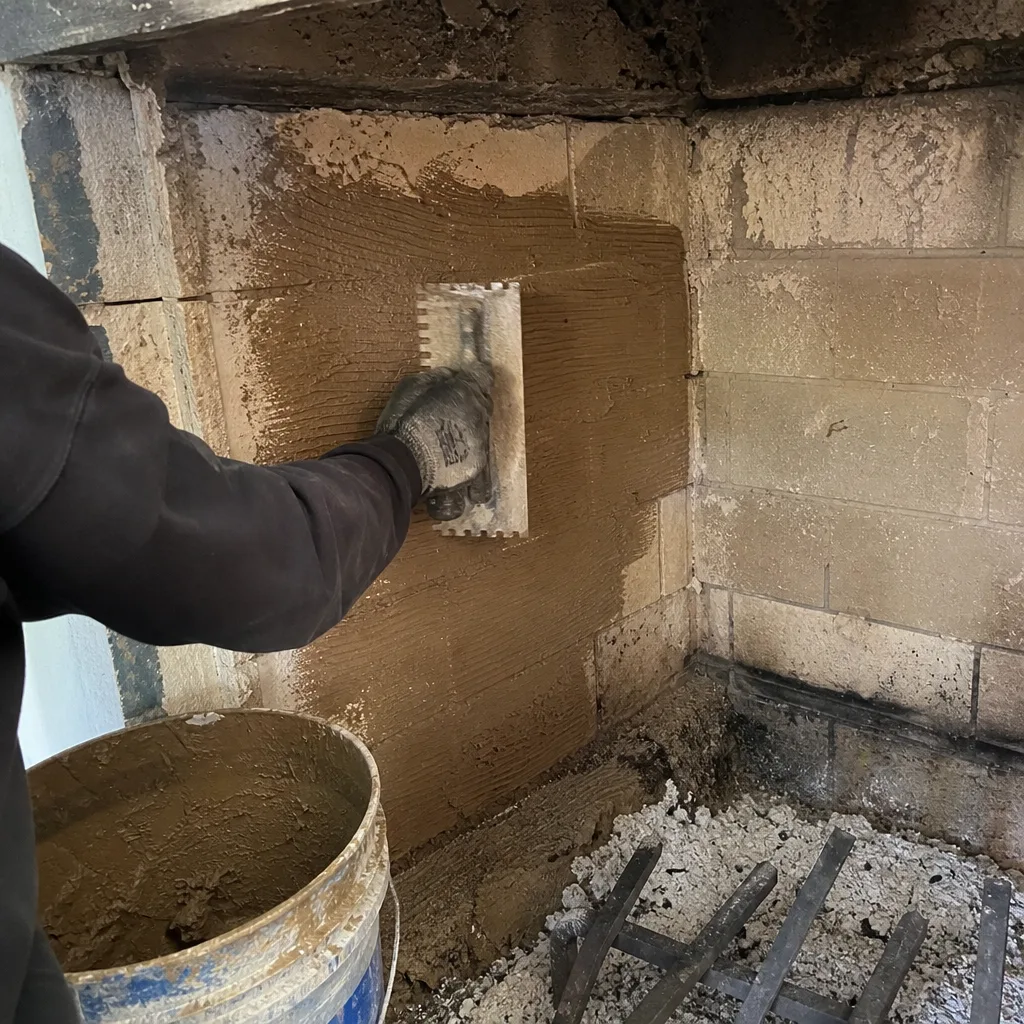
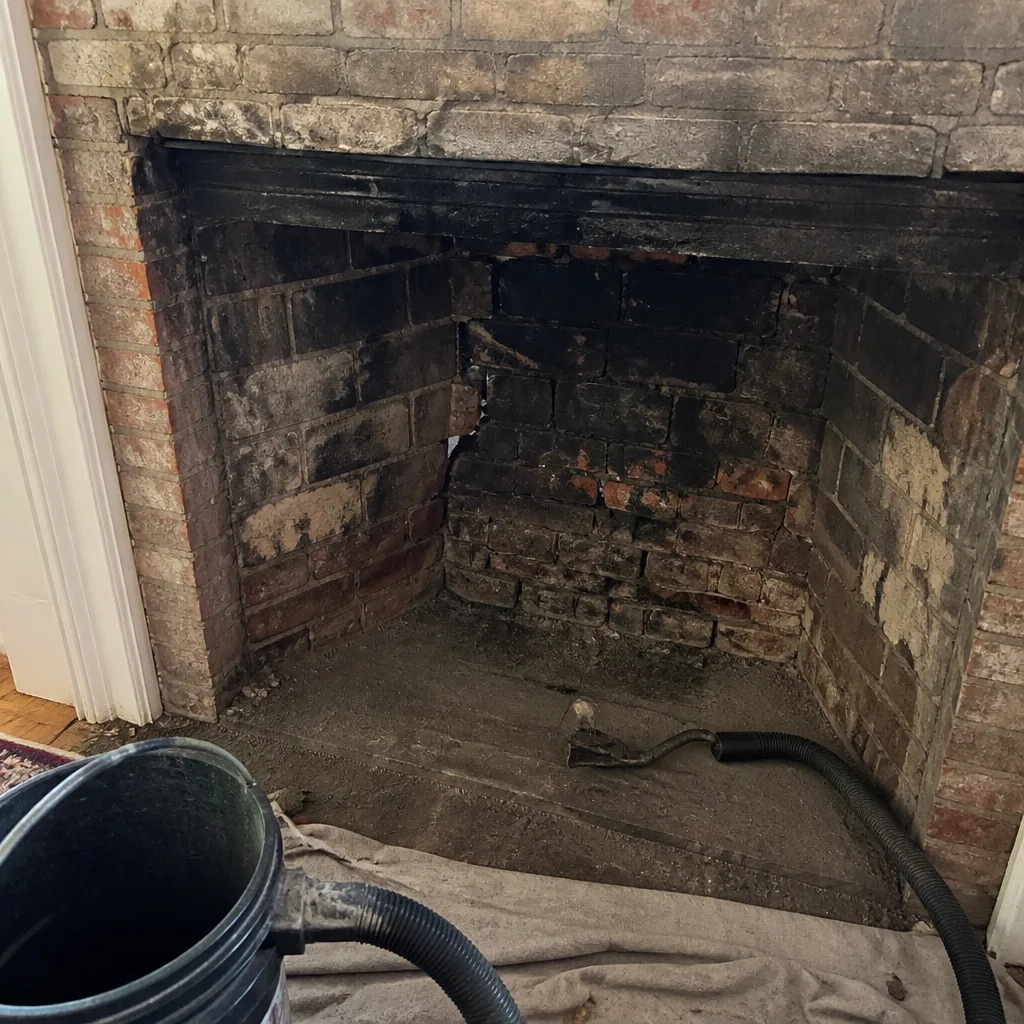 Before
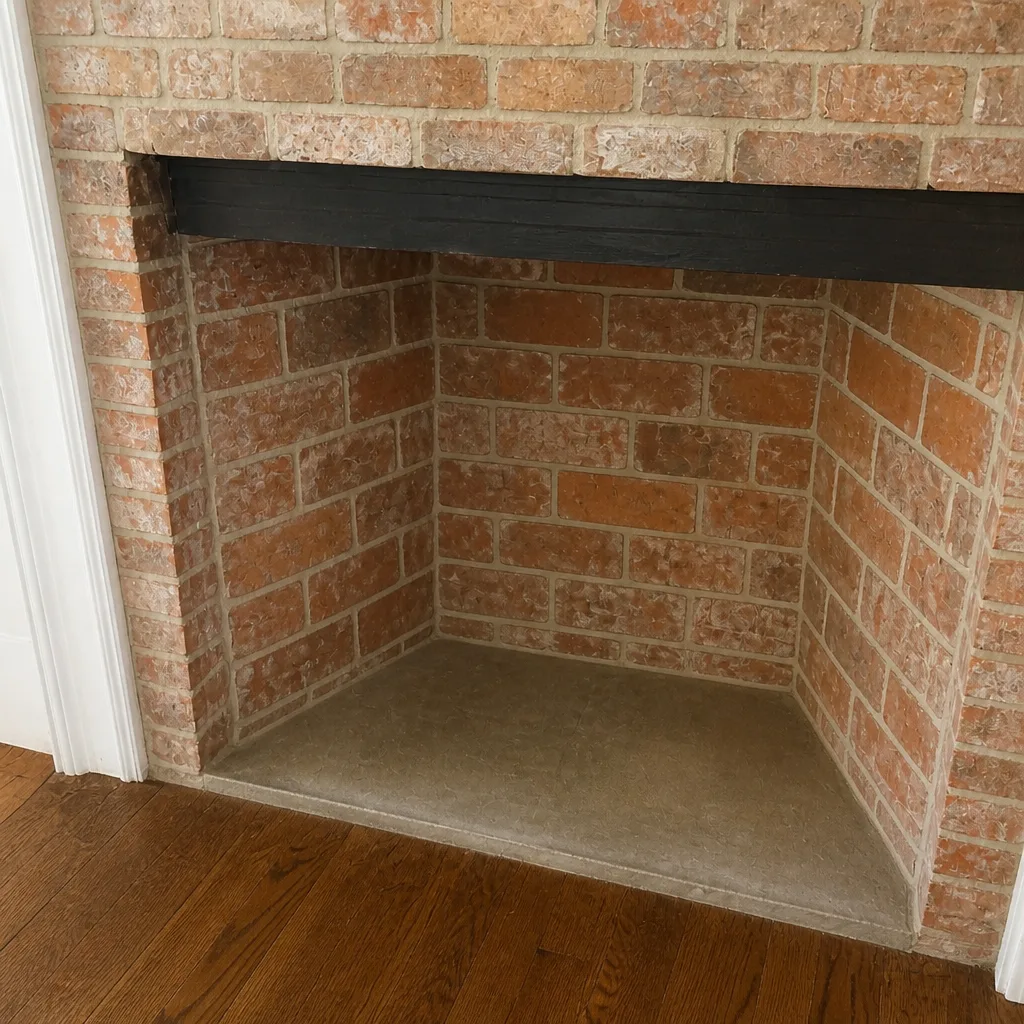 After
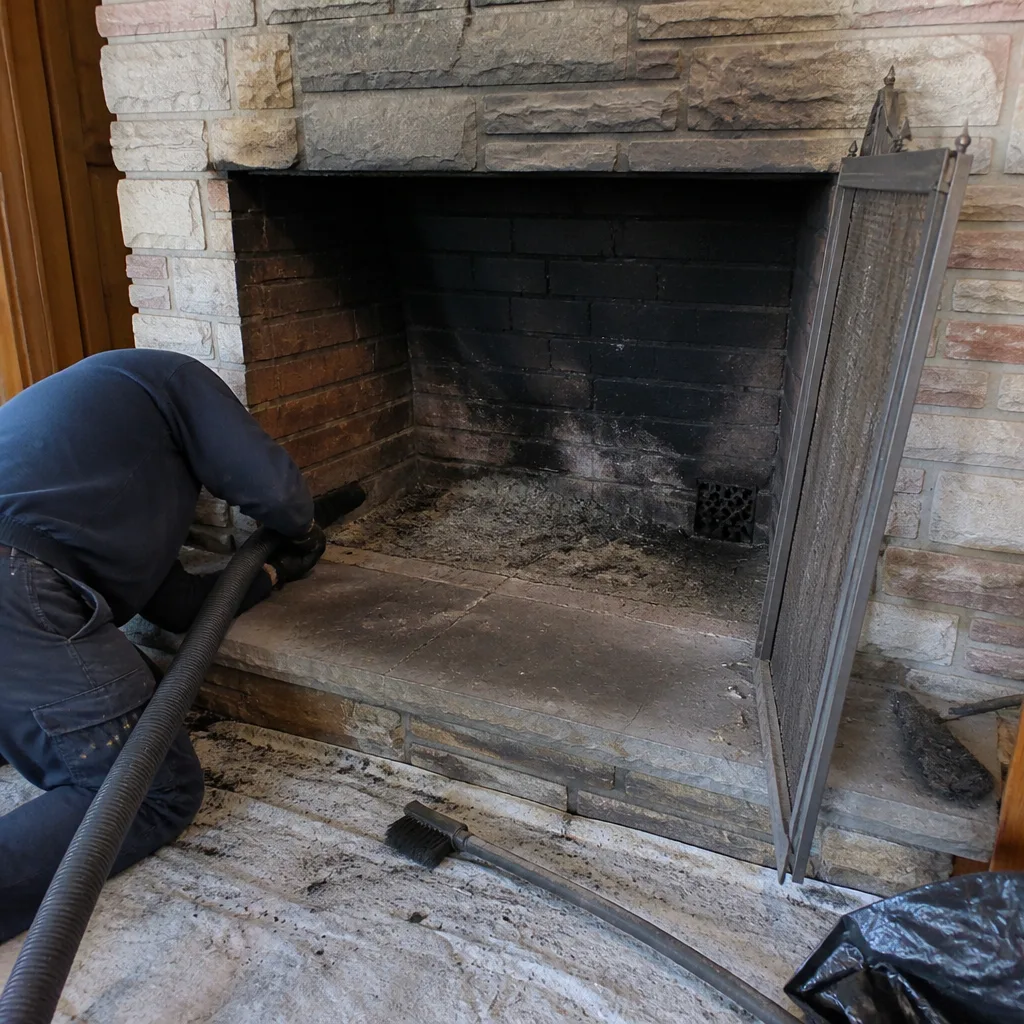 Before
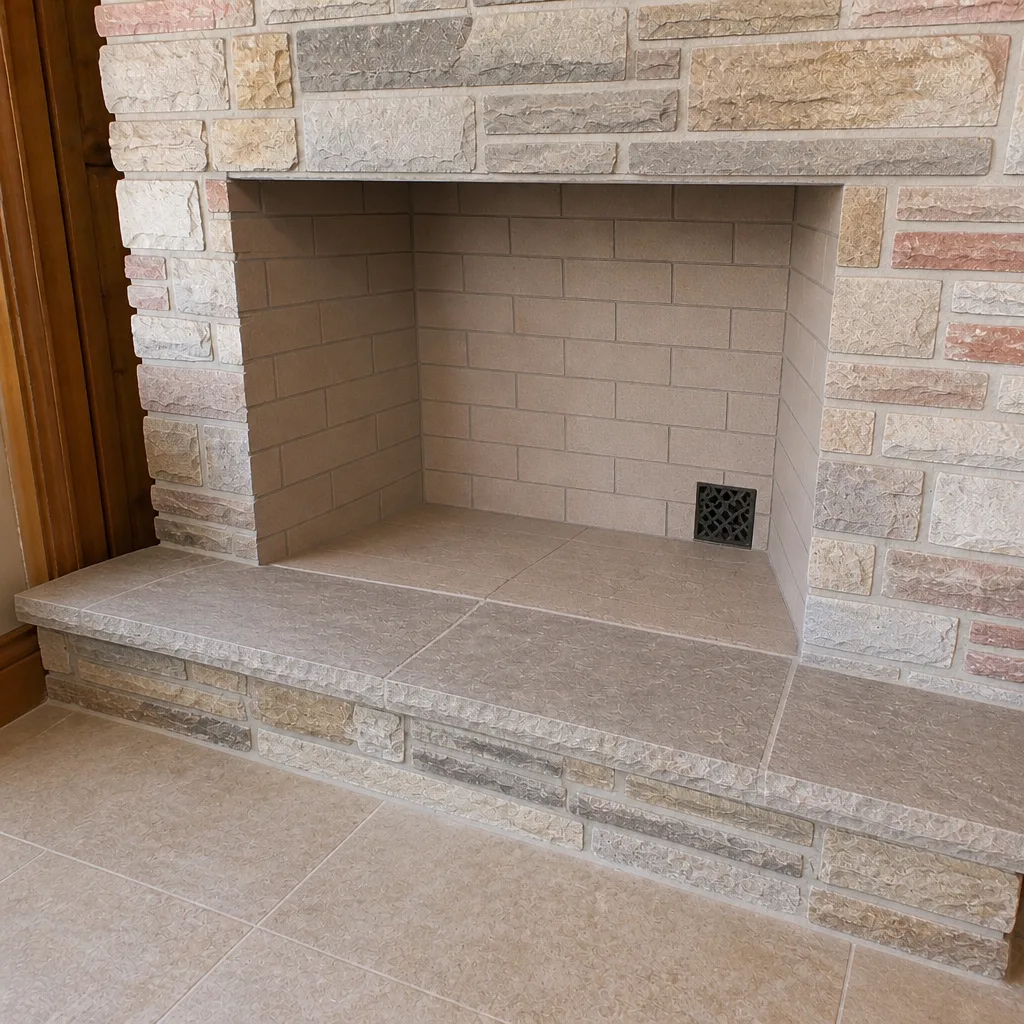 After
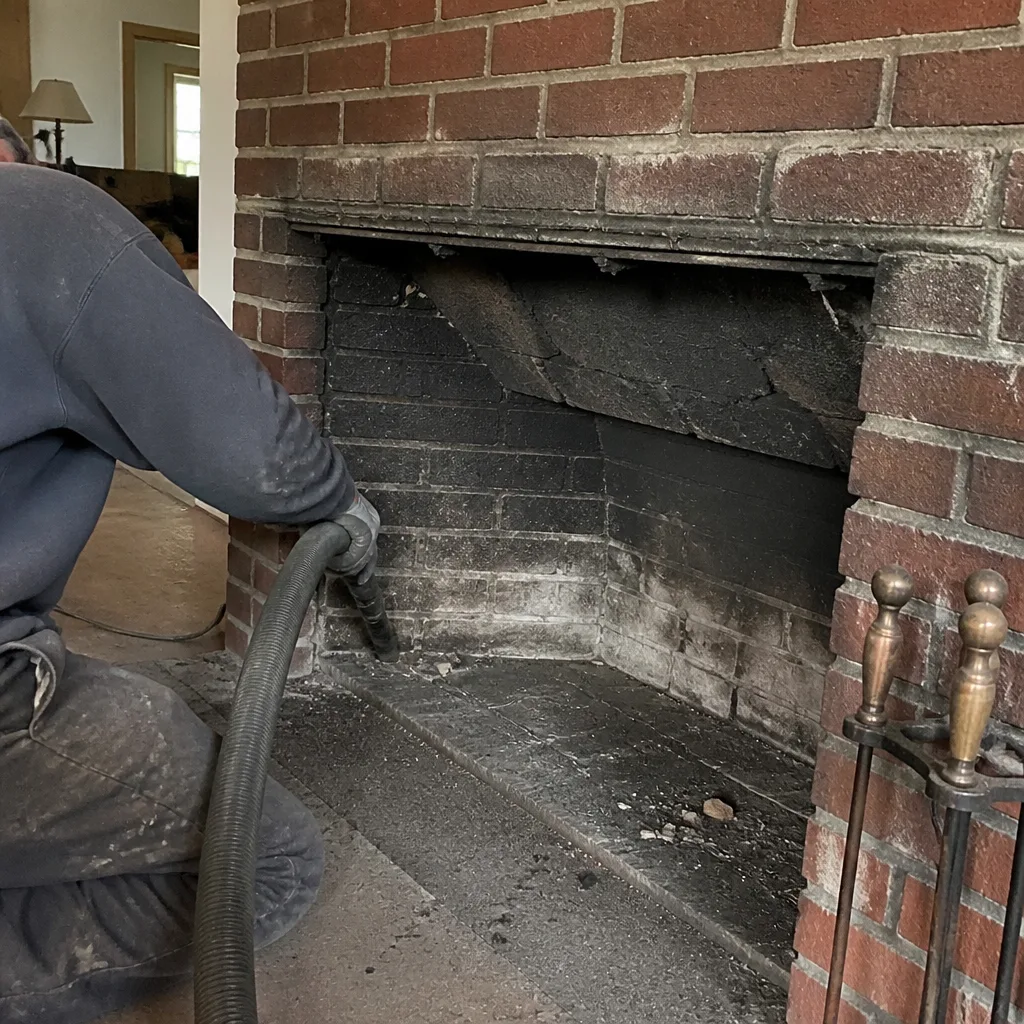 Before
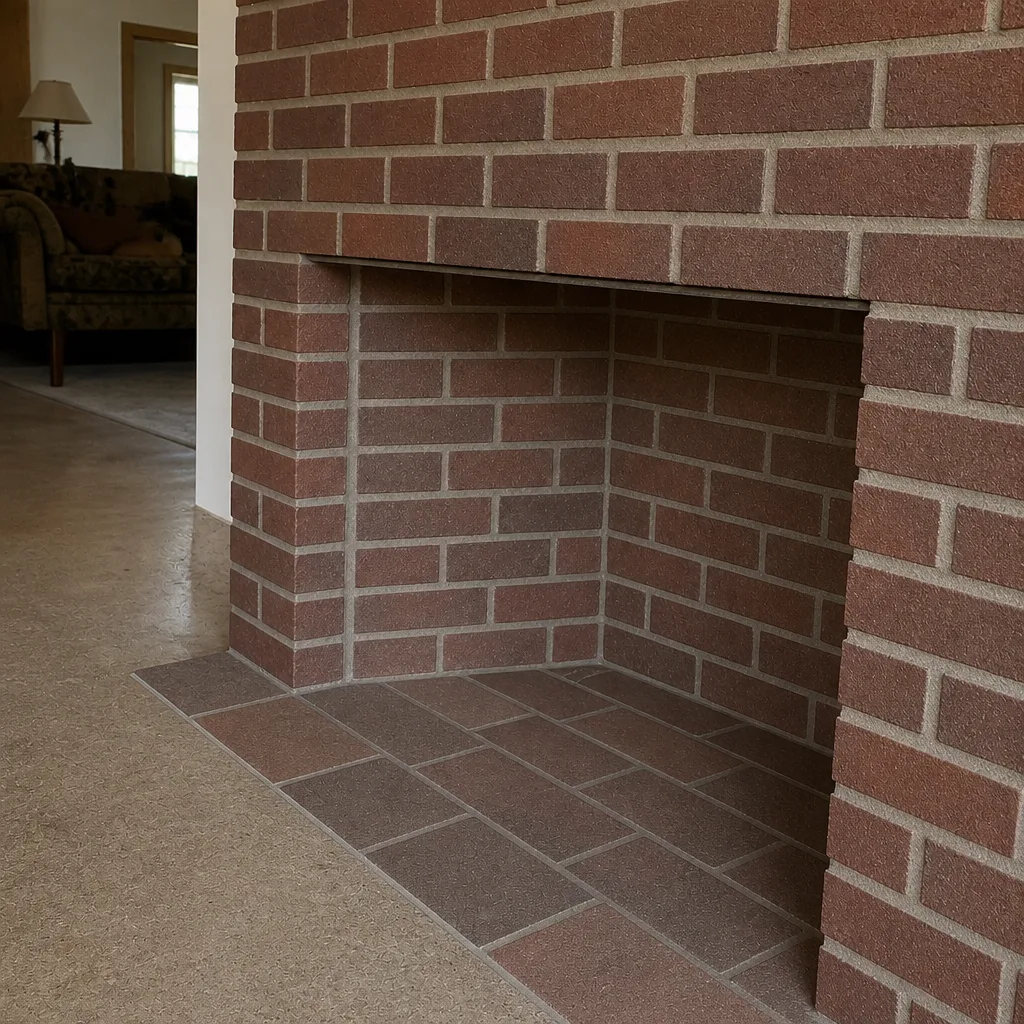 After
When to Call a Professional
Call a professional immediately if the flue itself has been through a fire of any size, if a CO alarm points at the chimney, if flames or smoke back into the room, or if the cap or crown has failed. Call for a scheduled appointment if your fireplace doesn’t draw the way it used to, if you’ve bought a home with a chimney you’ve never had inspected, or if it’s been more than a year since your last professional service. We use DuraFlex and HeatShield materials for liner work, and Gelco or Copperfield components when we replace caps; brand-specific parts give you a manufacturer paper trail if the work is ever questioned. Chimney Sweep Corona offers free estimates in Corona: call (833) 968-1177. We answer 24/7. Fast dispatch from 7am to 7pm, Sunday through Friday.
Frequently Asked Questions
You likely had a chimney fire if you heard roaring or popping from the chimney, smelled a hot metallic odor, saw dense smoke or sparks above the roofline, or noticed a glowing stovepipe. Even if the fire seems to have stopped on its own, the flue must be inspected before you light another fire. Call (833) 968-1177 to schedule an inspection; estimates are free.
No, not until a professional has inspected the flue and confirmed the liner and surrounding masonry are intact. A small chimney fire can still crack a liner or damage the wood framing behind the chimney. The inspection is what tells you whether it’s safe, and it’s something you have to see rather than guess at. Call (833) 968-1177 to book it.
Get everyone out of the house, call 911 and your gas utility from outside, and don’t use the fireplace or the furnace until the source is found. Chimney-side CO comes from blocked flues, downdrafts, or damaged liners. After the alarm event, a professional inspection establishes what happened.
Follow local code and the manufacturer’s instructions; in most Corona homes that means a CO alarm on each level and outside each sleeping area. Mount them per the manufacturer’s guidance and test them monthly. Placement is only as good as the alarm’s condition, so replace units that fail a test.
Yes, the focus shifts to heat damage: cracked or spalled liner tiles, warped metal liners, and the condition of the masonry around the flue. A routine inspection looks at buildup and overall condition; a post-fire inspection looks for the specific damage a fire leaves. Both should cover the full system from crown to firebox.
Keep your policy number, the most recent inspection report, sweep and repair invoices, any known liner brand (DuraFlex and HeatShield are two we specify), and dated photos of the chimney’s condition. Documentation compiled before a loss is what makes a claim move quickly afterward. If you’re missing any of it, an inspection will produce updated records.
The Bottom Line
Chimney emergency preparedness isn’t about expecting the worst. It’s about knowing the four situations that genuinely need immediate action, the small set that should be scheduled within days, and the routine work that can wait for a regular visit. Know your damper, know your CO alarm placement, keep your insurance and inspection records where you can find them, and have every fire or suspected fire inspected before you light another one. From crown to firebox, that’s a plan you can act on. For a free estimate on a sweep, inspection, or repair, call (833) 968-1177. We answer 24/7. Fast dispatch from 7am to 7pm, Sunday through Friday. Or start with a look at our Chimney Sweep Corona services and get a real assessment before the season starts.
Written by the team at Chimney Sweep Corona.