
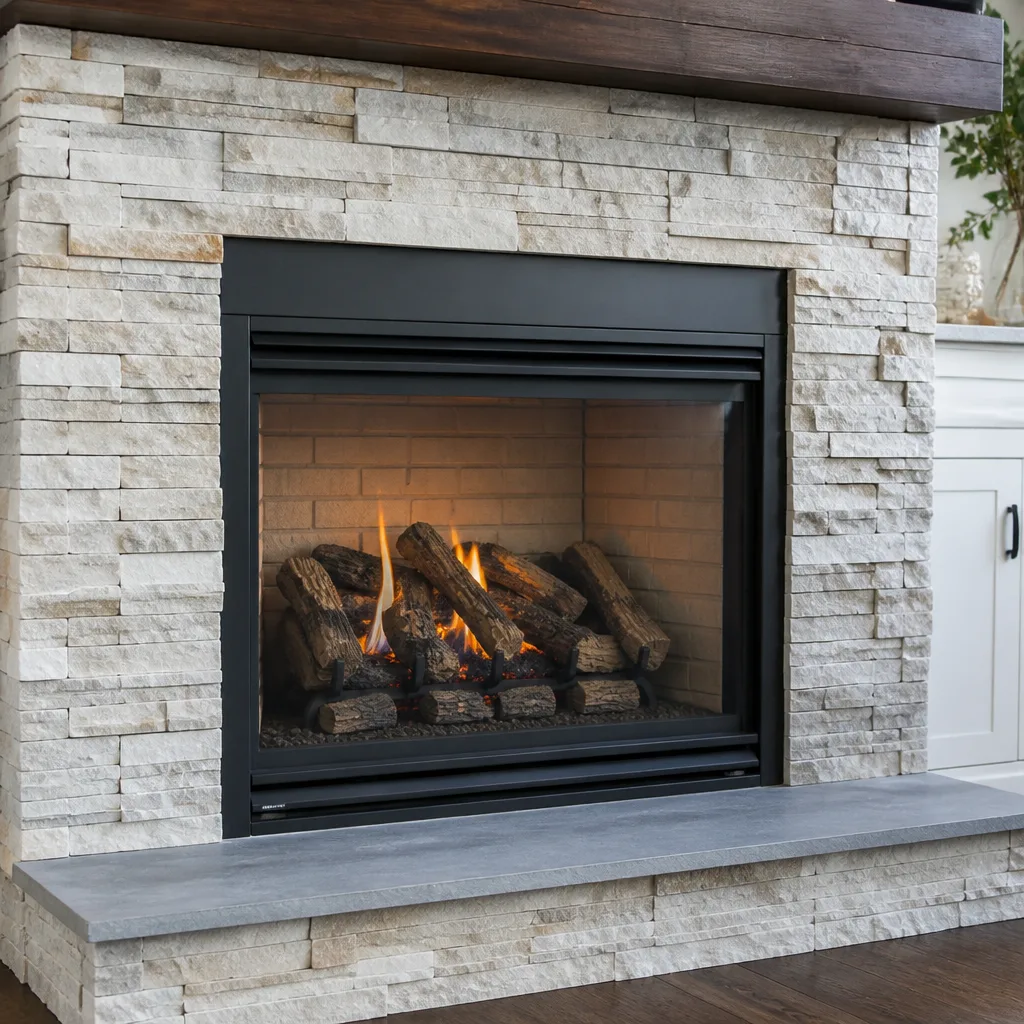
 Gas fireplace service
 Sweep & inspection
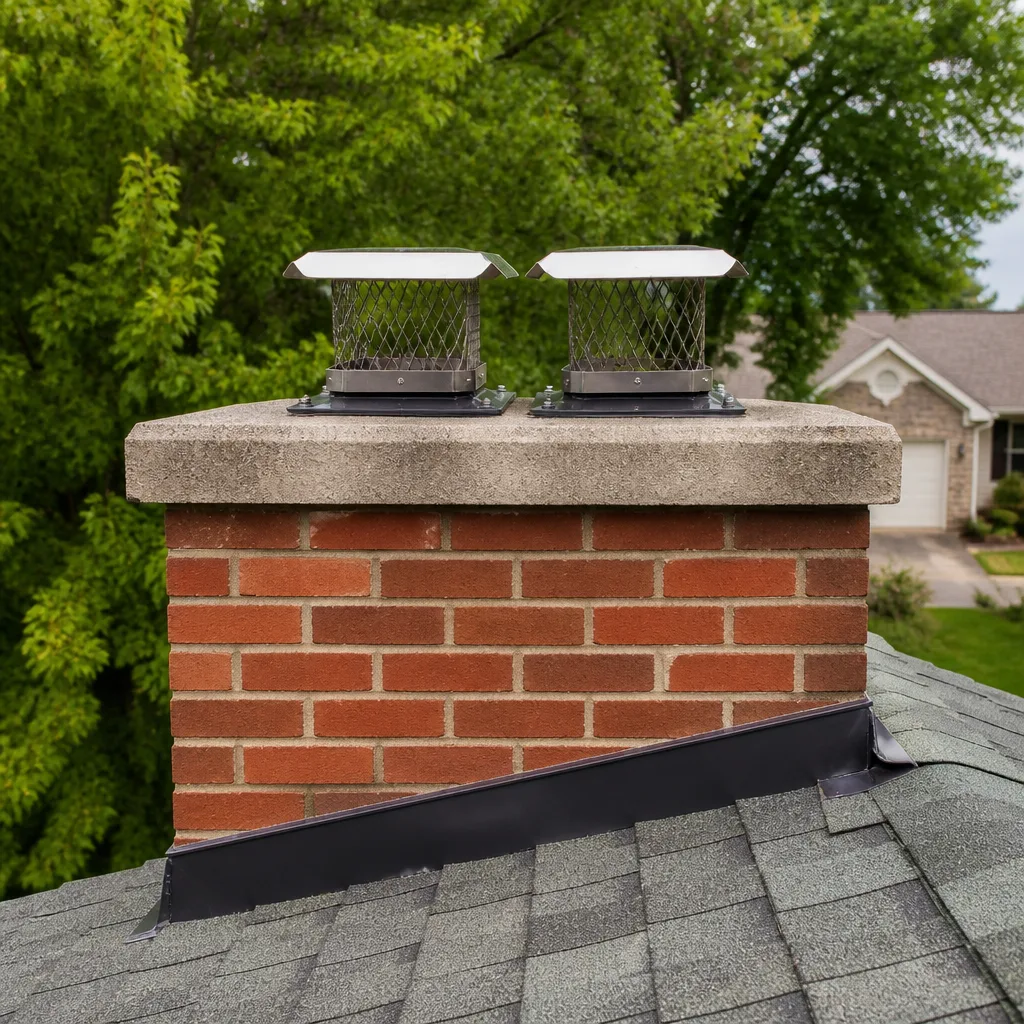
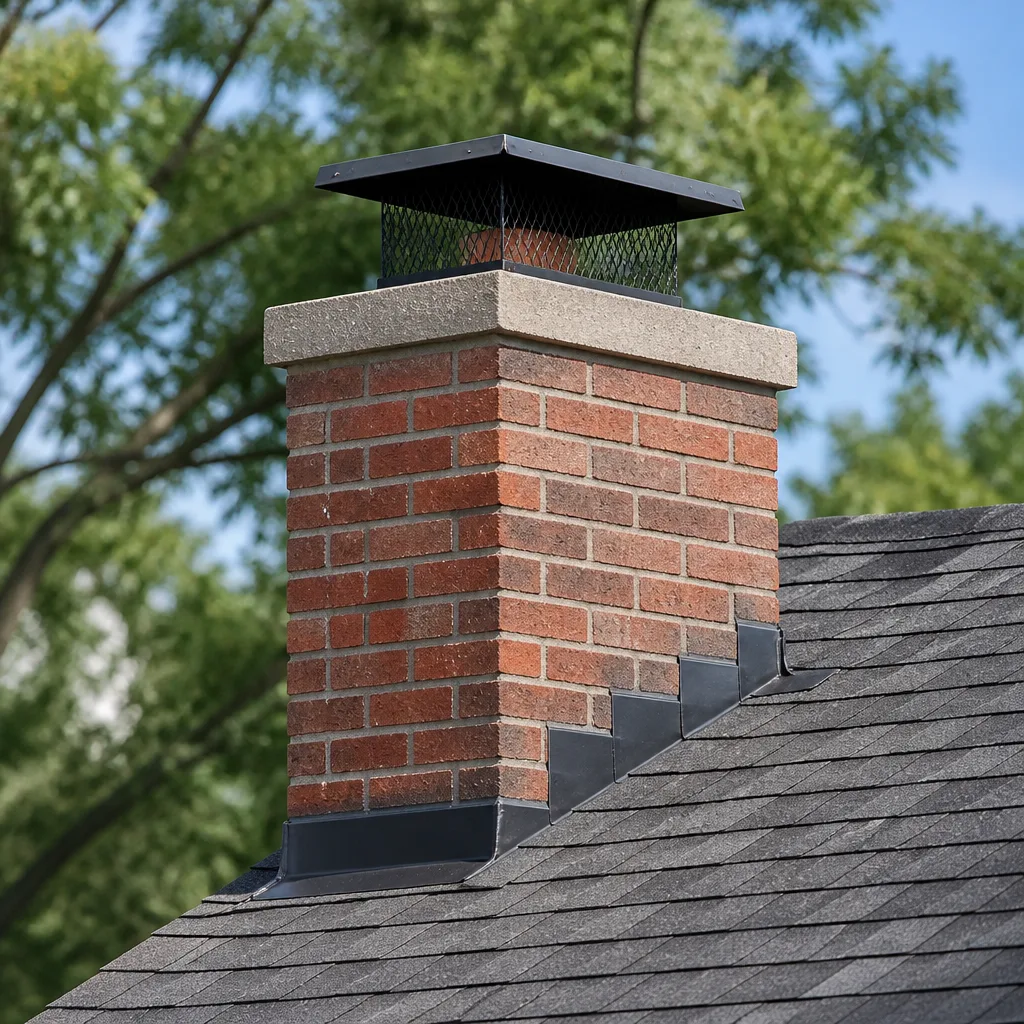 Caps & crowns
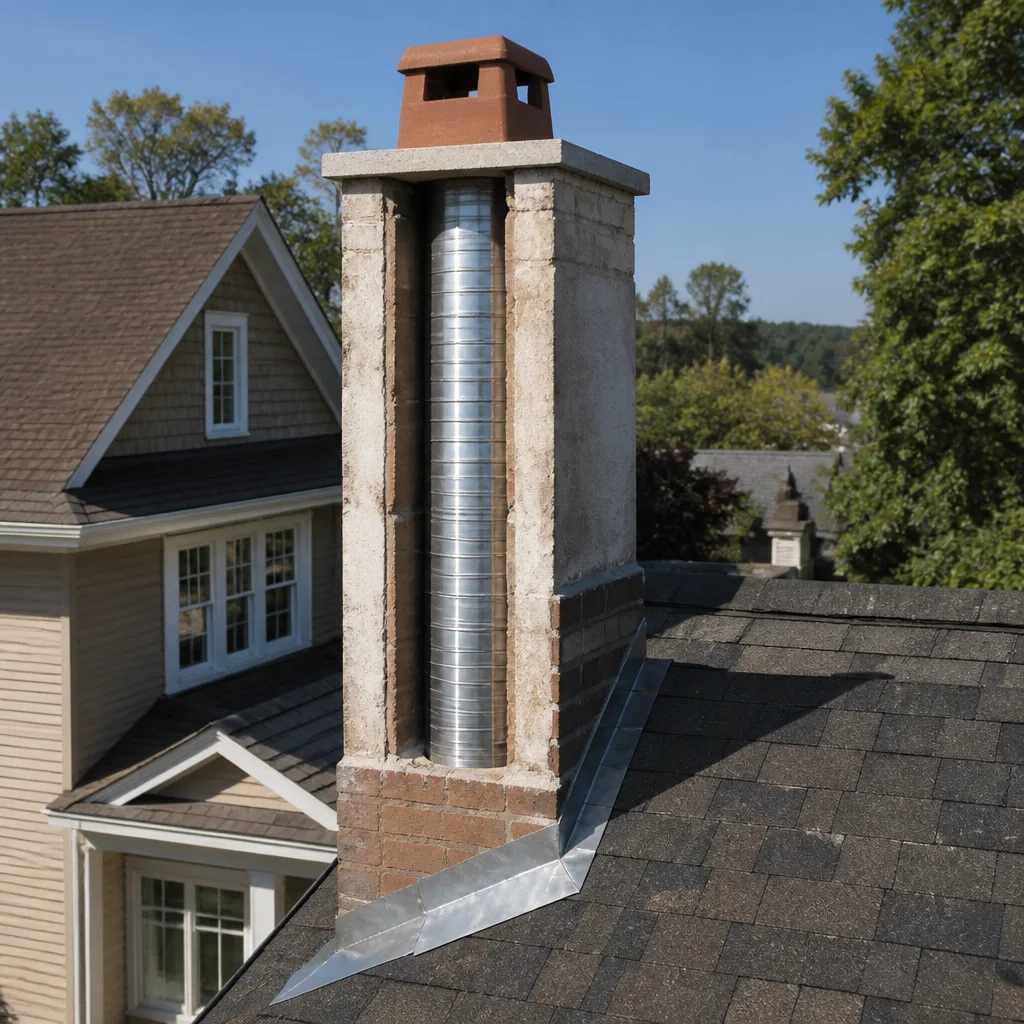 Flue relining
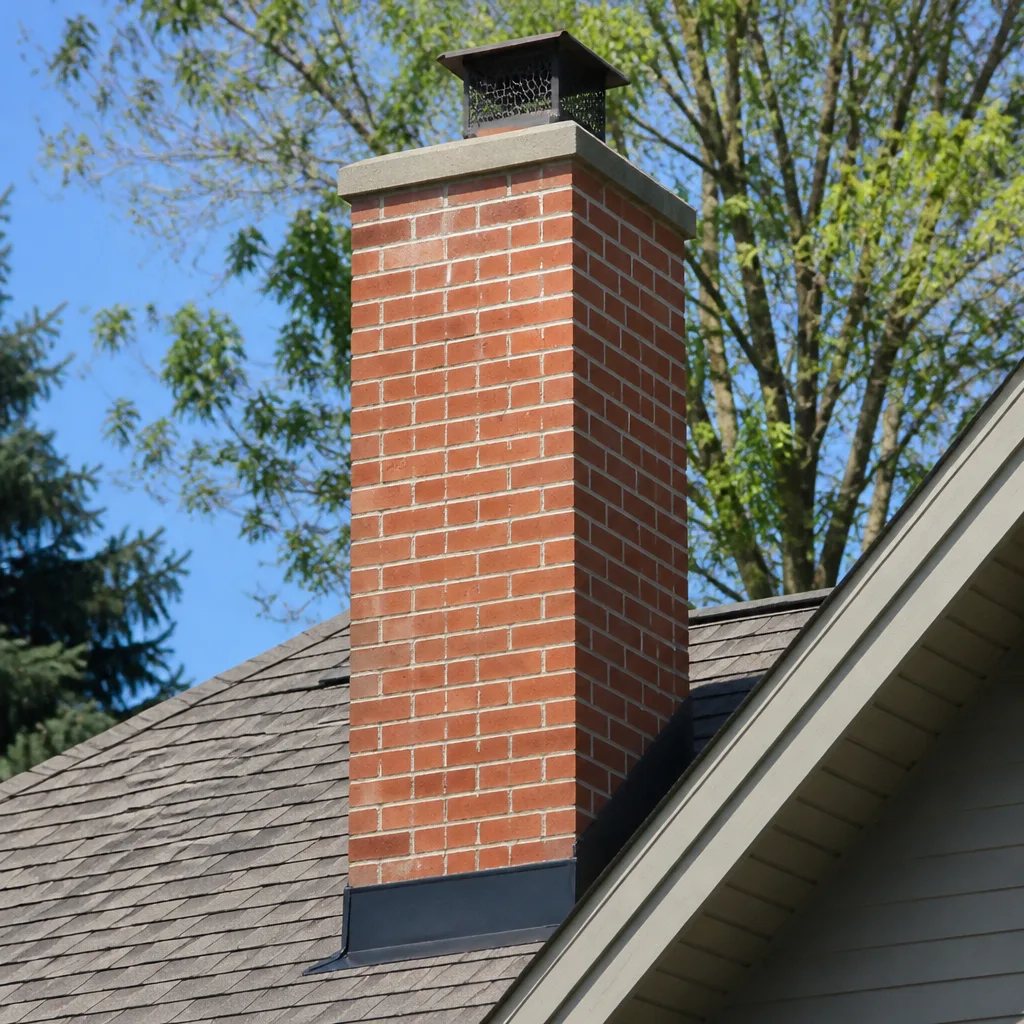 Masonry repair
Level 1 sweep and inspection to the NFPA 211 annual standard - flue, crown, cap, and flashing checked and photographed
Chimney sweep logs do not sweep chimneys. They loosen some creosote - which then falls where a brush and vacuum still have to collect it.
Why Corona Homeowners Choose HeatShield Chimney Cleaning
We provide independent HeatShield chimney cleaning and liner restoration service in Corona, NY. What sets our HeatShield work apart is diagnostic depth: we treat a HeatShield-lined flue as a specific system with specific failure points, not as a generic chimney that gets swept and forgotten. We are not affiliated with, authorized by, or a dealer for HeatShield; we’re an independent provider that works with the product regularly and reads its condition honestly.
Corona’s stock of 1910s-1940s two- and three-family frame and masonry rowhouses, many converted from coal or oil to gas, has left a lot of undersized or damaged flues behind. HeatShield resurfacing is one of the few answers for those flues short of full relining, and we’re fluent in what it can and can’t do. Call (833) 968-1177 for a free estimate. Fast dispatch from 7am to 7pm, Sunday through Friday.
Key Takeaways
- We service HeatShield ceramic glaze, stainless liner systems, high-temp mortar, and corrosion inhibitor as an independent provider.
- Level 2 inspection, chemical creosote removal, and crown repair are core HeatShield sub-services for us.
- We repair with genuine HeatShield glaze or matching high-temp mortar where the coating is the value.
Why Trust Chimney Sweep Corona for Your HeatShield Chimney Cleaning?
Our technicians have up to 9 years of experience, and that time is spent reading flue conditions rather than running a brush and leaving. HeatShield is a flue resurfacing system with tight specifications around application thickness, joint tolerances, and cure windows. We work to those specifications because getting them wrong shows up two winters later as flaking at the collar or a joint that’s let water behind the liner.
When the work calls for replacement components, we specify parts that fit HeatShield equipment and meet its clearance ratings. That means genuine HeatShield ceramic glaze or matched high-temp mortar for coating repairs, and quality aftermarket caps and dampers only where they won’t compromise the system. We don’t describe ourselves as HeatShield-certified or factory-trained. We are an independent shop that knows this product and services it carefully.
Our referral network includes professionals who’ve worked on hundreds of HeatShield-lined flues across Queens, which matters when a Corona liner’s condition is genuinely borderline and a second read on the camera footage is worth having. From the crown to the firebox, one company stays accountable for the system.
Styles & brands we work with
- Sweep & inspection
- Caps & crowns
- Flue relining
- Masonry repair
- Gas fireplace service
Common HeatShield Chimney Cleaning Problems We Fix in Corona
HeatShield-lined flues fail in predictable ways. Here’s what we actually find.
- Ceramic glaze flaking at the flue collar. Thermal shock from repeated hot-and-cold cycles peels the glaze where the flue collar meets the appliance. Corona’s cold, damp winters and heavy seasonal heating use push those cycles hard. Once the glaze is gone in that zone, corrosion gets a foothold.
- Joint separation between liner sections. On older installations, the joints between HeatShield sections can open, and creosote seeps behind the liner. You won’t see this with a flashlight from the firebox; it needs a camera. Seepage behind the liner is the condition that most often pushes a repair toward relining.
- Surface spalling where condensate pools. High-efficiency appliances produce corrosive condensate, and where it collects, the ceramic coating spalls. This shows up more on flues converted from oil or coal to gas with an oversized or mismatched liner, which is common in Corona’s older multi-family housing.
- Crown cracking above HeatShield-lined flues. When the original crown wasn’t resloped to shed water away from the liner, water sits at the top of the flue and works its way down. Wind-driven rain accelerates masonry deterioration here. A cracked crown above a good liner can undo the liner’s service life.
- Glazed third-degree creosote that a standard brush won’t touch. A HeatShield flue that hasn’t been swept in a few years often builds a ridge of hard, glazed creosote. Standard brushing skips over it. Chemical removal is the correct approach, and it has to be done before any reglazing or relining.
A HeatShield-lined flue that hasn’t been swept in a few years often shows glaze flaking near the top and that ridge of glazed third-degree creosote. The usual cause is a mismatch between the appliance’s exhaust temperature and the liner’s rating, combined with a crown that lets water in. The typical fix is a Level 2 camera inspection to map joint separations, followed by chemical creosote removal and either spot-reglazing or a partial reline with matching HeatShield components, then resloping the crown so the new liner stays dry.
HeatShield Parts & Our Repair-vs-Replace Approach
HeatShield’s value is in its proprietary ceramic coating, so repairs should use genuine HeatShield glaze or matching high-temp mortar rather than generic refractory cement. A generic patch over a HeatShield liner defeats the product’s purpose and can leave the coating vulnerable at the patch boundary.
For stainless components and accessories, quality aftermarket dampers and caps are acceptable when they meet the same clearance ratings. We don’t stock HeatShield OEM parts and we don’t describe ourselves as a HeatShield dealer, but we do match the right part to the job.
Deciding between repair and replace comes down to scope. If a HeatShield liner has failed at more than 20% of its joints, or the glaze is gone over a large area, relining is usually the more honest recommendation than spot-patching. We show you the camera findings before recommending anything. Call (833) 968-1177 to talk through your liner’s condition. We answer 24/7.
Our HeatShield Service Process – Step by Step
- 1
Diagnosis. A Level 2 inspection with camera mapping of the flue interior. We document joint condition, glaze coverage, creosote thickness, and crown condition. Photo report included so you see what we see.
- 2
Cleaning. Standard sweeping for accessible creosote, chemical creosote removal for the glazed third-degree deposits that a brush won’t lift. Nothing gets coated or relined until the flue is clean and dry.
- 3
Repair or install. Spot-reglazing with genuine HeatShield glaze at the collar and any flaked zones, or a partial reline with matching HeatShield components. Crowns are resloped where the original was flat or cracked.
- 4
Test. Draft check and a follow-up camera pass to confirm joints are sealed and the coating is continuous. Crown drainage checked before we close out.
- 5
Documentation. Findings, photos, and the work performed are put in writing. If any professional referral beyond our scope is needed, we coordinate that, but we keep the accountability on the record.
See the difference
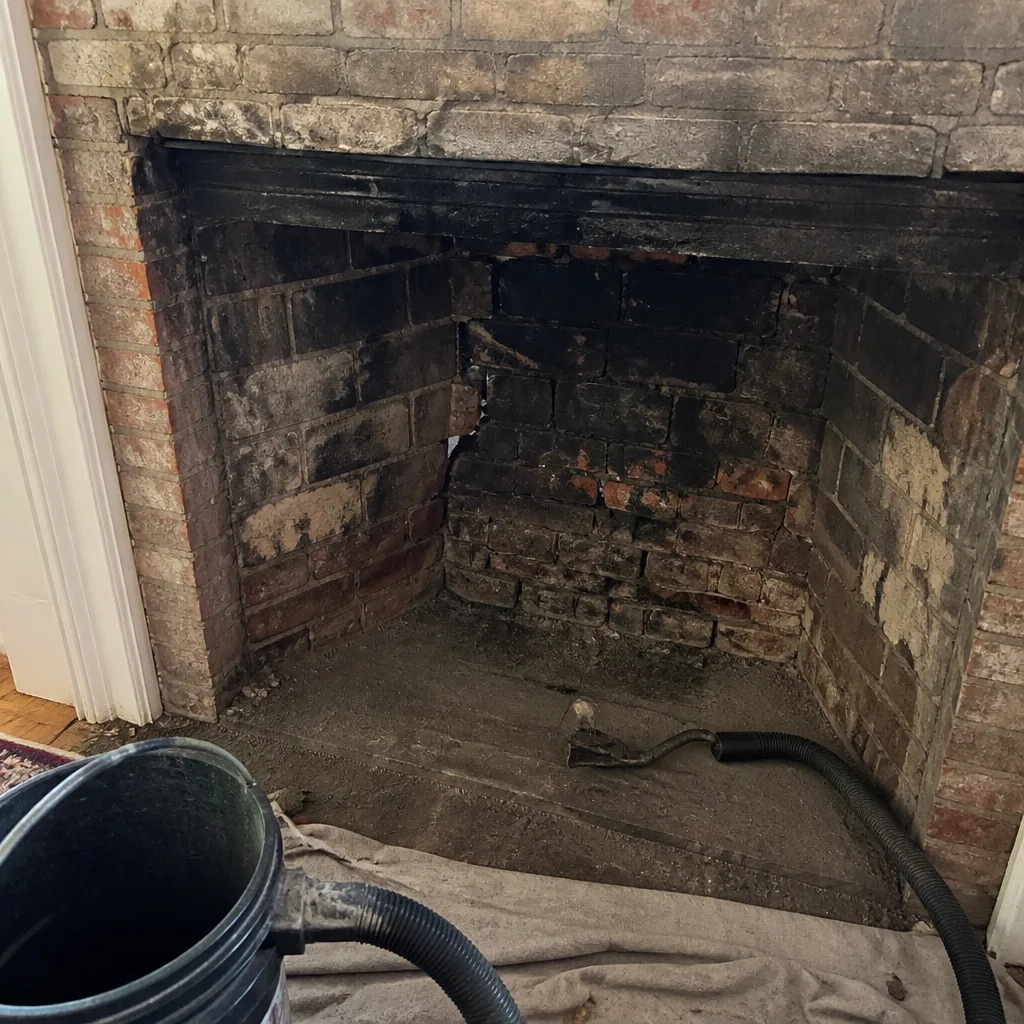 Before
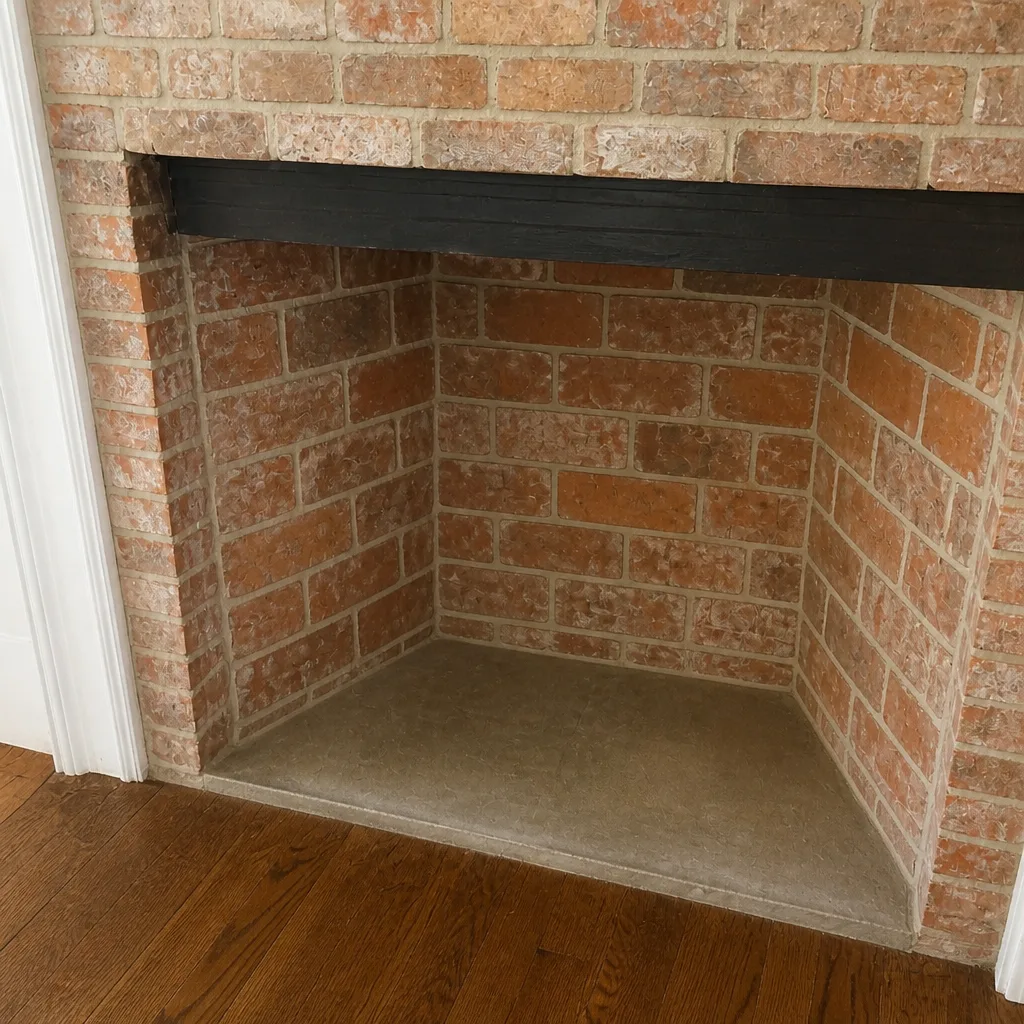 After
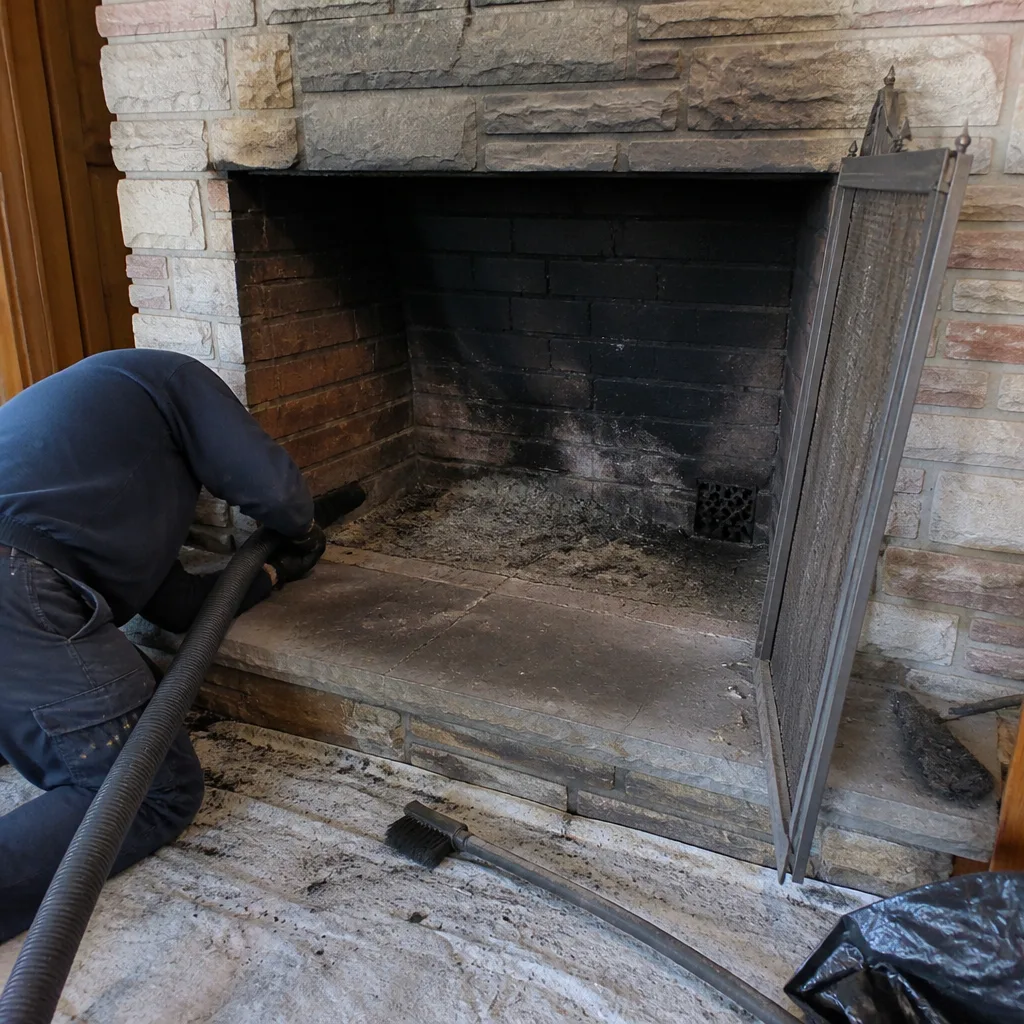 Before
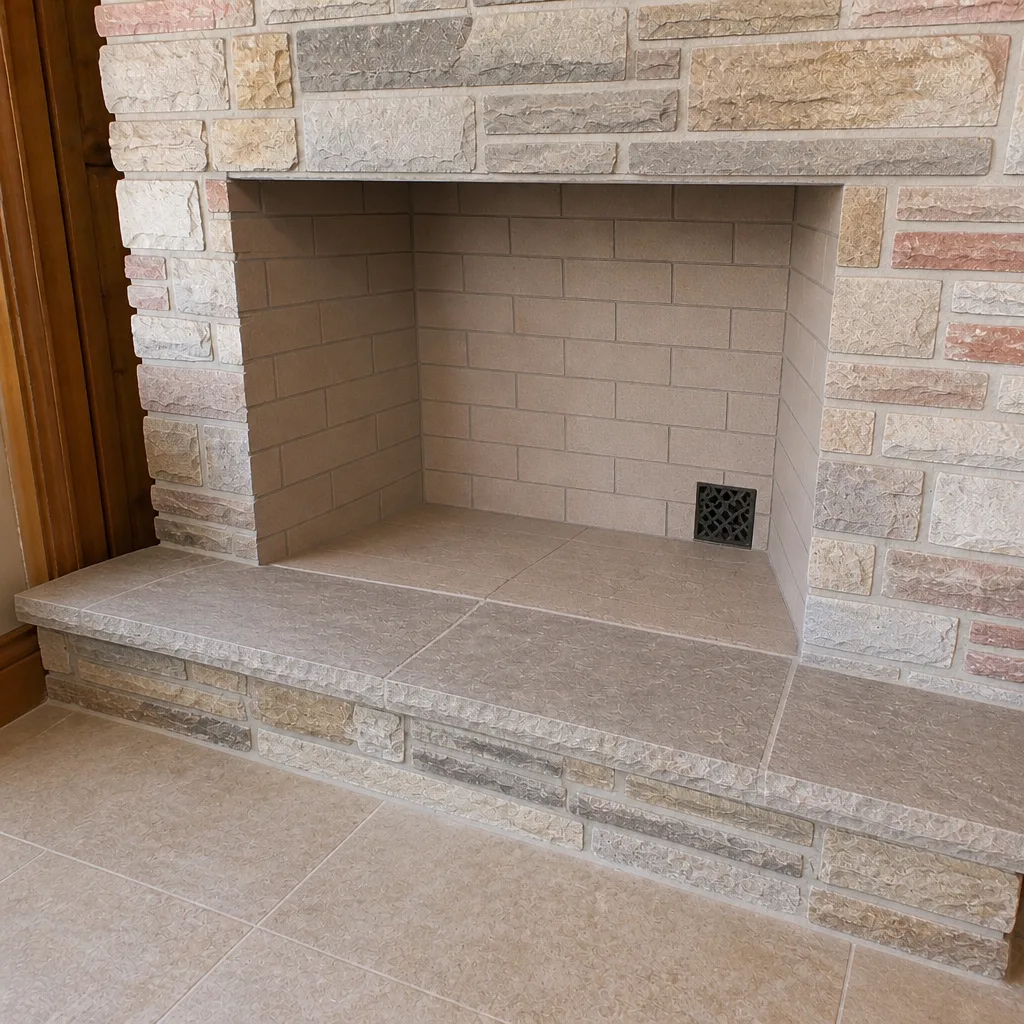 After
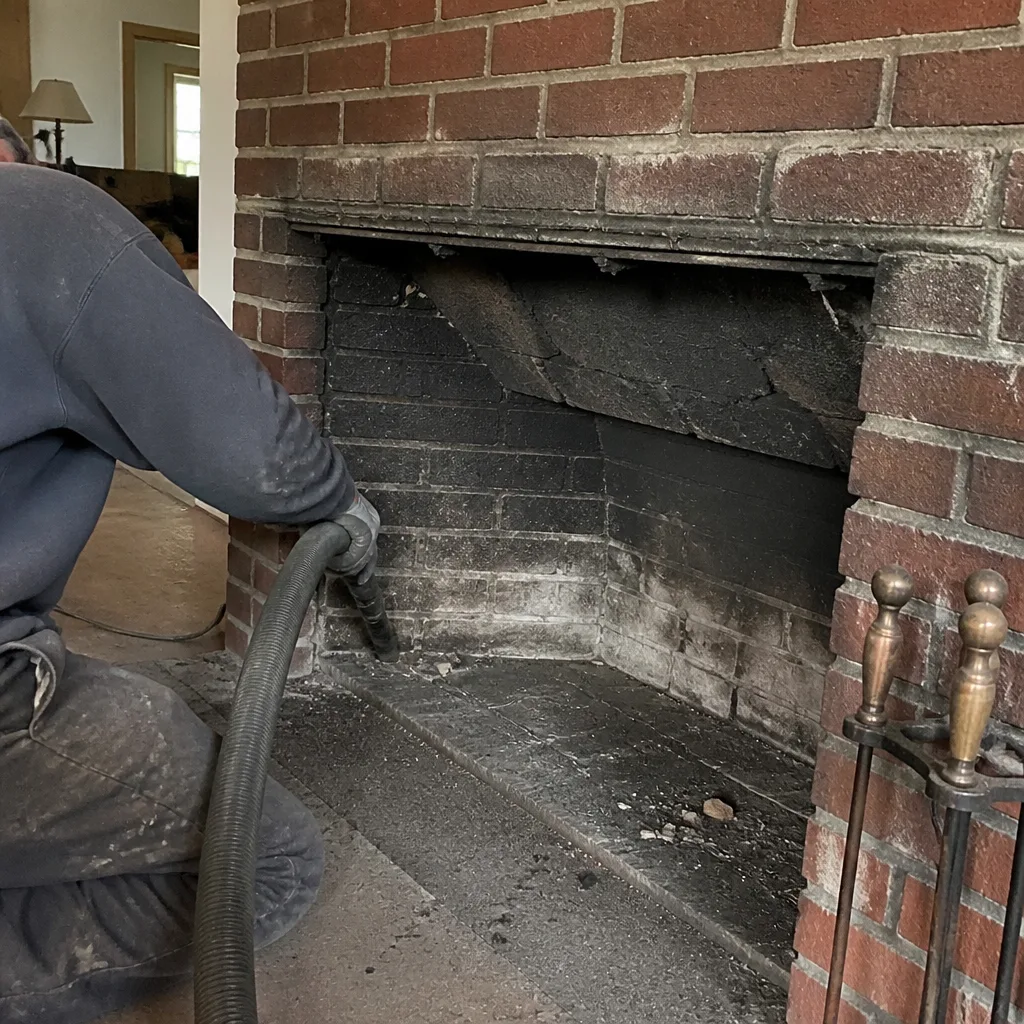 Before
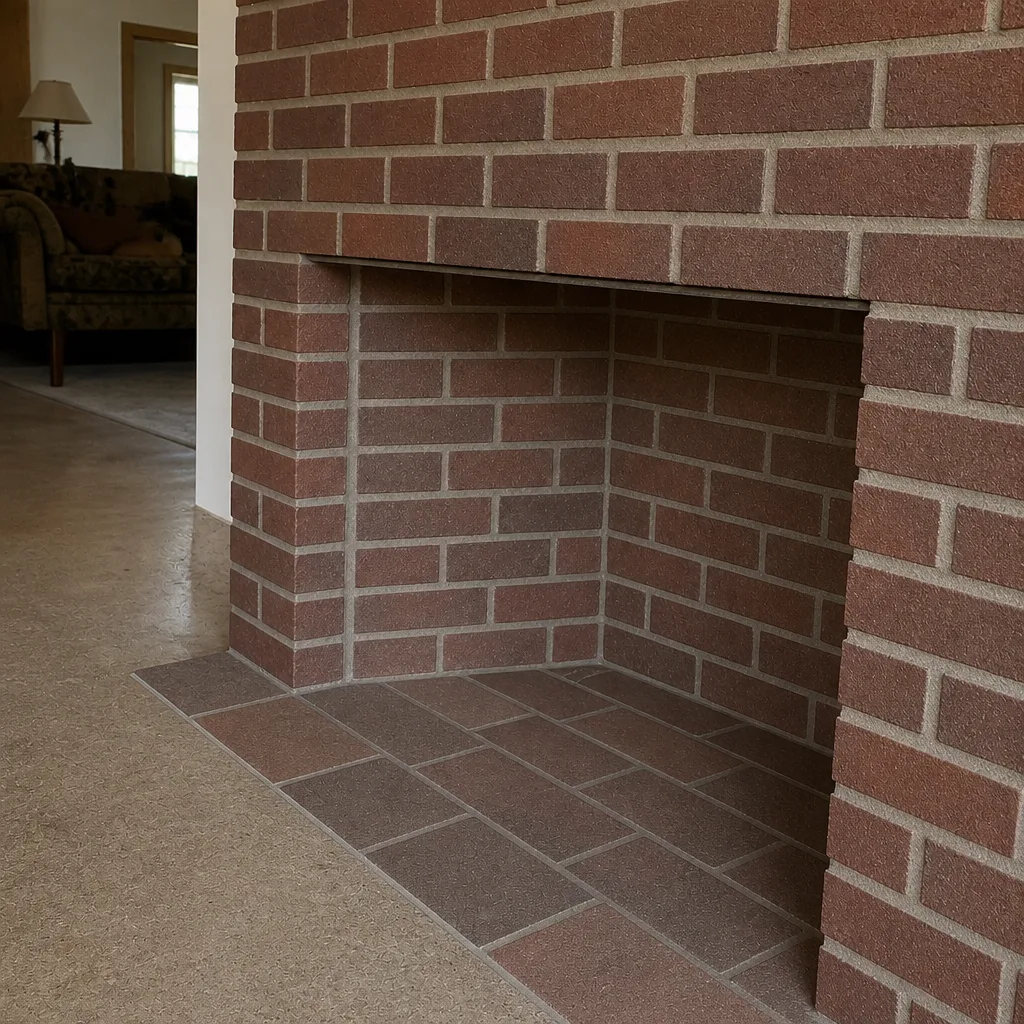 After
HeatShield Products We Service & Install in Corona
We work with the main HeatShield product types Corona homeowners are likely to encounter.
- HeatShield ceramic glaze (original formula) for resurfacing and spot-reglazing
- HeatShield stainless steel liner systems for relining and partial reline work
- HeatShield high-temp mortar for crown and firebox repairs
- HeatShield corrosion inhibitor for condensate-affected flues
Which one your flue needs depends on its condition, not on what’s convenient to install. A Level 2 inspection is the starting point. That’s not an upsell; it’s how we know whether reglazing is enough or whether relining is the right call. Call (833) 968-1177 for a free estimate.
We Also Service These Brands
HeatShield is one system among several we know well. We also specify and service DuraFlex for flexible stainless lining and components. We use Gelco for cap, crown, and flashing work, giving you brand-traceable hardware with manufacturer specifications rather than anonymous parts. For Corona homeowners choosing between liner systems, we compare the options on your flue’s actual condition.
FAQs – HeatShield Chimney Cleaning Service in Corona
No. We are an independent HeatShield service provider, not authorized, certified, or a dealer for HeatShield. We service and repair HeatShield equipment with quality parts that fit it, and we don’t claim manufacturer endorsement.
Yes, when the sweep is done with the coating in mind. Standard brush techniques can chip glaze at the collar if the technician doesn’t know it’s HeatShield. We inspect the coating before and after cleaning, and we use chemical creosote removal rather than aggressive mechanical scraping on glazed deposits. Call (833) 968-1177 for an assessment.
Not necessarily. Peeling at the top is often the flue collar zone only, driven by thermal shock, and spot-reglazing with genuine HeatShield glaze can solve it. But if the camera shows joint separation or glaze loss over more than 20% of the liner, relining is the more honest fix. We show you the footage before recommending either. Call (833) 968-1177 for a free estimate.
HeatShield resurfacing is designed for flue restoration on wood-burning and gas appliances, but the right application depends on your flue’s dimensions, appliance type, and existing liner. In Corona’s older multi-family housing, many flues were converted from coal or oil to gas and are undersized for the current appliance. A Level 2 inspection confirms whether HeatShield is suitable for your specific flue before any work is scheduled.
Annually is the standard, and Corona’s humid continental climate makes that easy to justify. Cold, damp winters and hot, humid summers mean heavy seasonal heating use plus wind-driven rain, and both accelerate creosote buildup and masonry wear. Annual inspection catches glaze flaking and crown cracking before they become liner replacements. Call (833) 968-1177 to book an inspection before this season’s first fire.
Sometimes, but seepage changes the answer. Creosote behind the liner means the joint barrier has failed, and the coating can’t be reglazed over soaked substrate. We camera-map every joint, do chemical creosote removal first, then decide whether the joints can be re-sealed or whether the section should be relined. You see the evidence before we commit to either path.
Chimney cleaning in Corona typically runs $150-$300 for a standard sweep, and a Level 2 camera inspection is usually $200-$400 on its own. HeatShield reglazing and partial reline work are priced per job after the inspection, because the extent of joint separation and glaze loss drives the scope. Every price is set by a written estimate agreed before work is booked. Call (833) 968-1177 for a free estimate.
Book Your HeatShield Service in Corona, NY
If your HeatShield-lined flue hasn’t been inspected this season, or you’re seeing glaze flaking, draft problems, or a crown that’s letting water in, call (833) 968-1177 for a free estimate. We answer 24/7. Fast dispatch from 7am to 7pm, Sunday through Friday. A written estimate sets the final price before any work begins, and nothing is recommended without camera evidence you can review yourself.
Written by the team at Chimney Sweep Corona.