
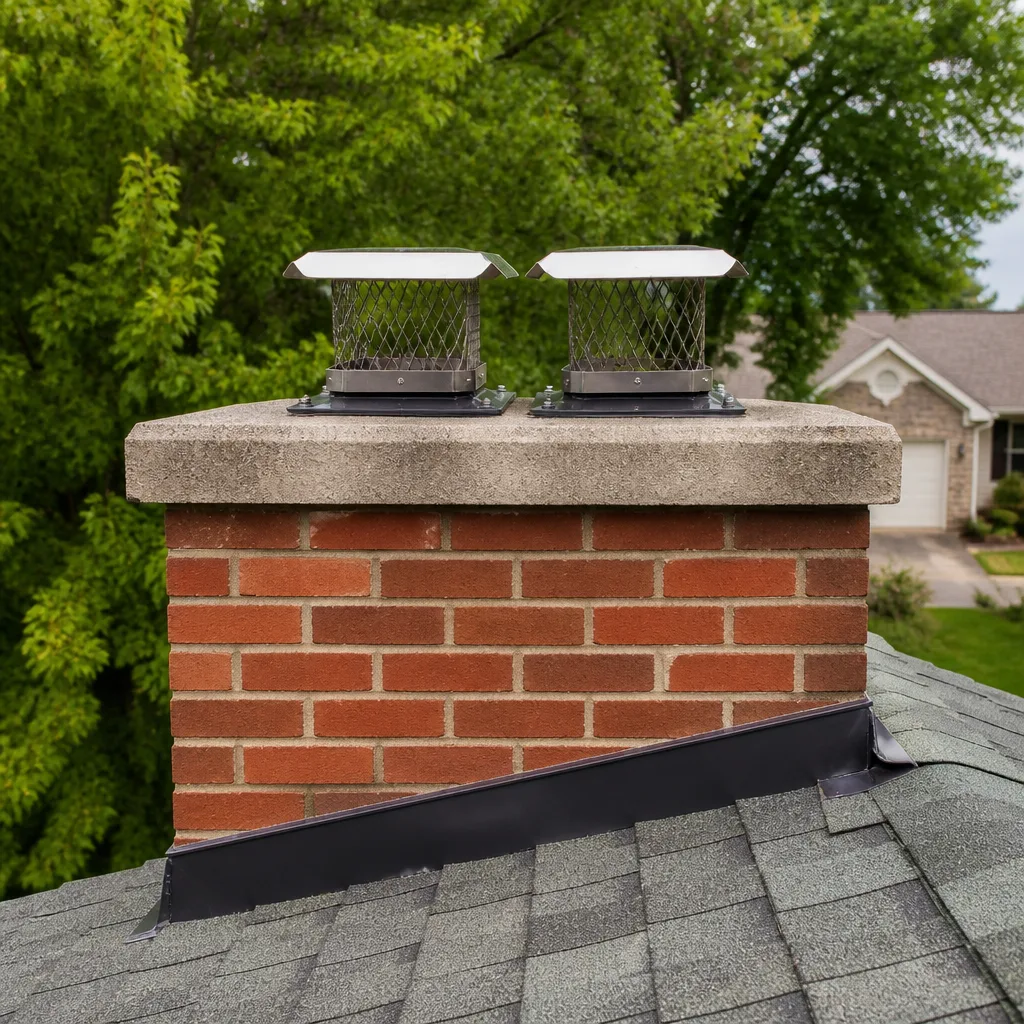
 Sweep & inspection
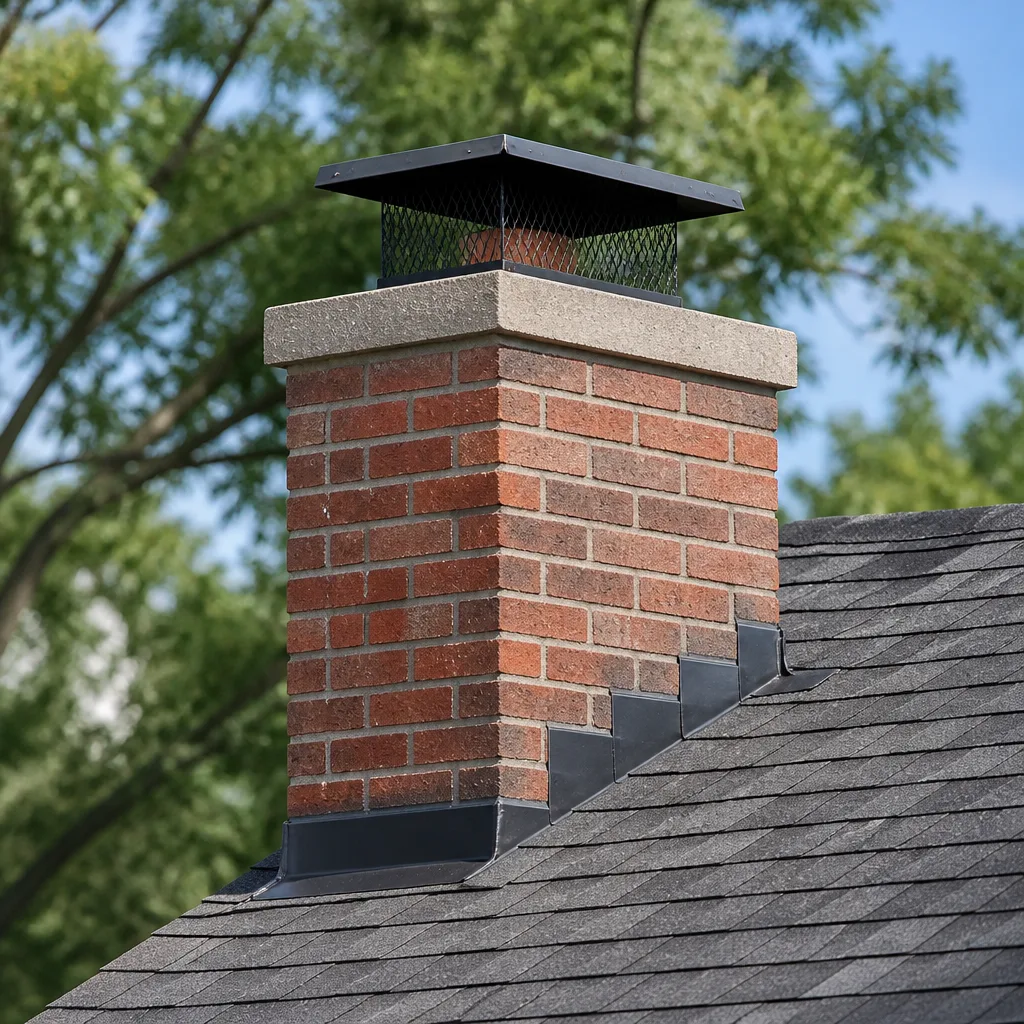 Caps & crowns
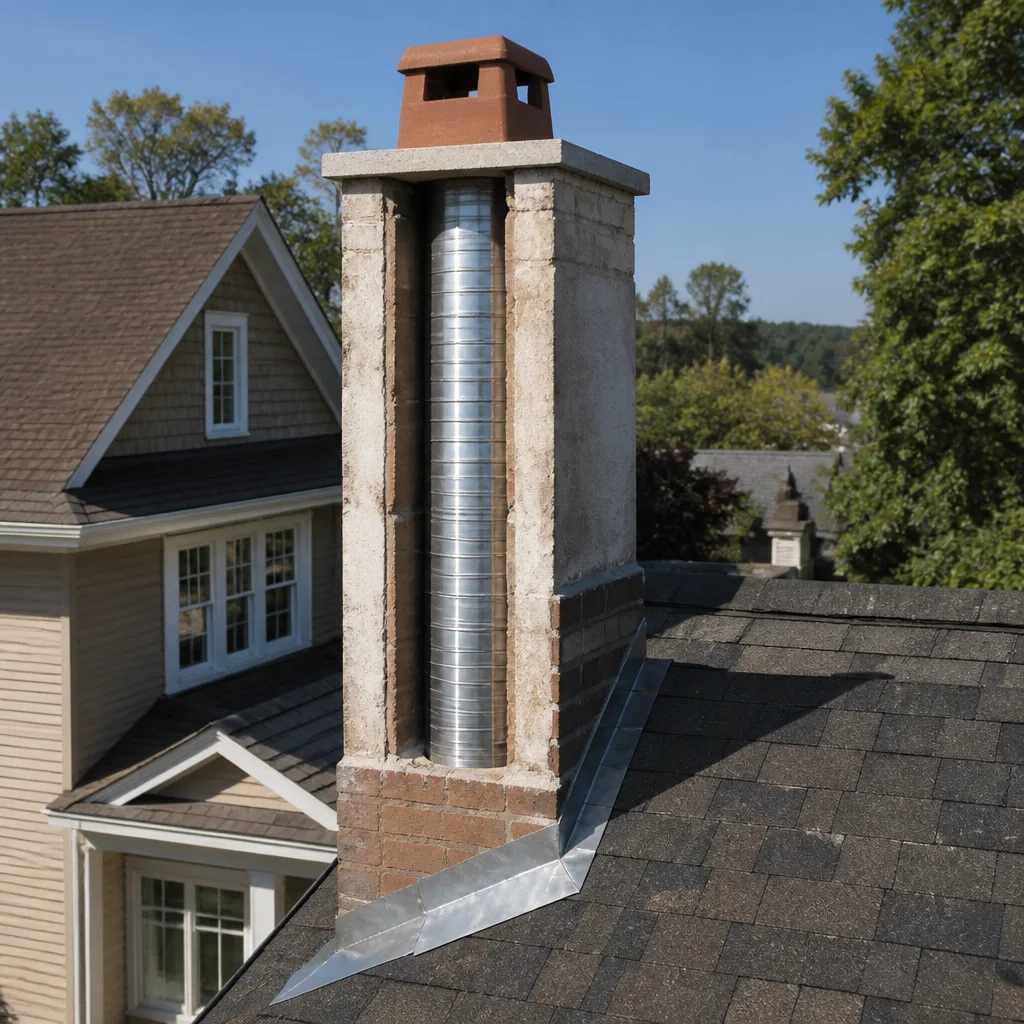 Flue relining
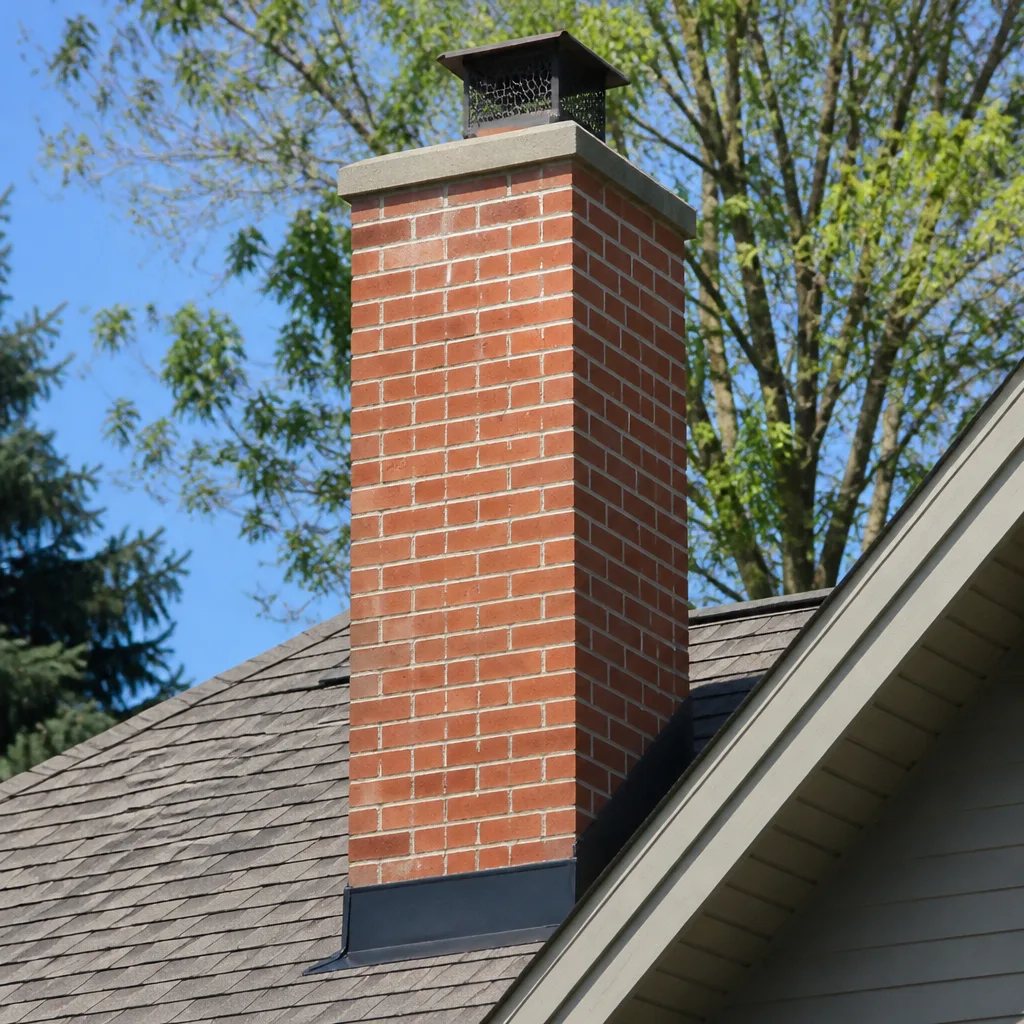 Masonry repair
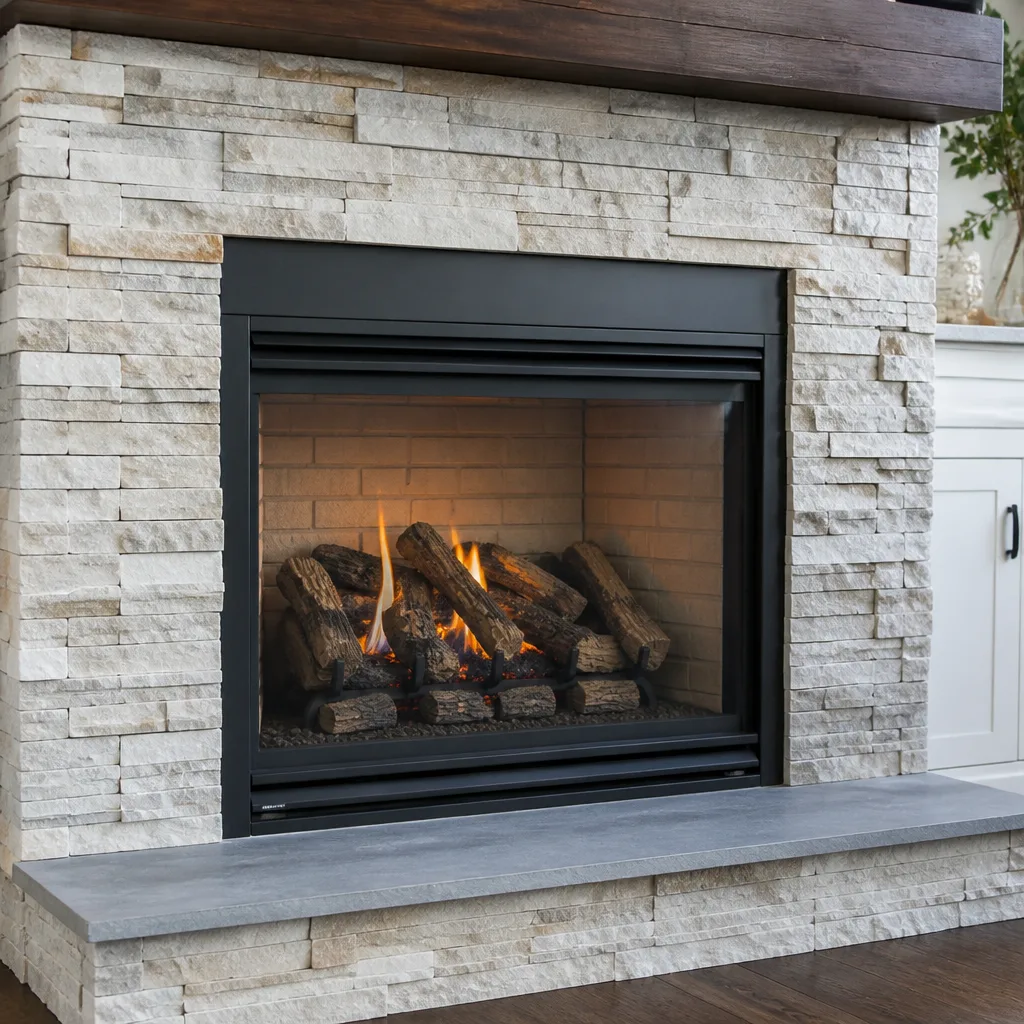 Gas fireplace service
Level 1 sweep and inspection to the NFPA 211 annual standard - flue, crown, cap, and flashing checked and photographed
Chimney sweep logs do not sweep chimneys. They loosen some creosote - which then falls where a brush and vacuum still have to collect it.
Styles & brands we work with
- Sweep & inspection
- Caps & crowns
- Flue relining
- Masonry repair
- Gas fireplace service
See the difference
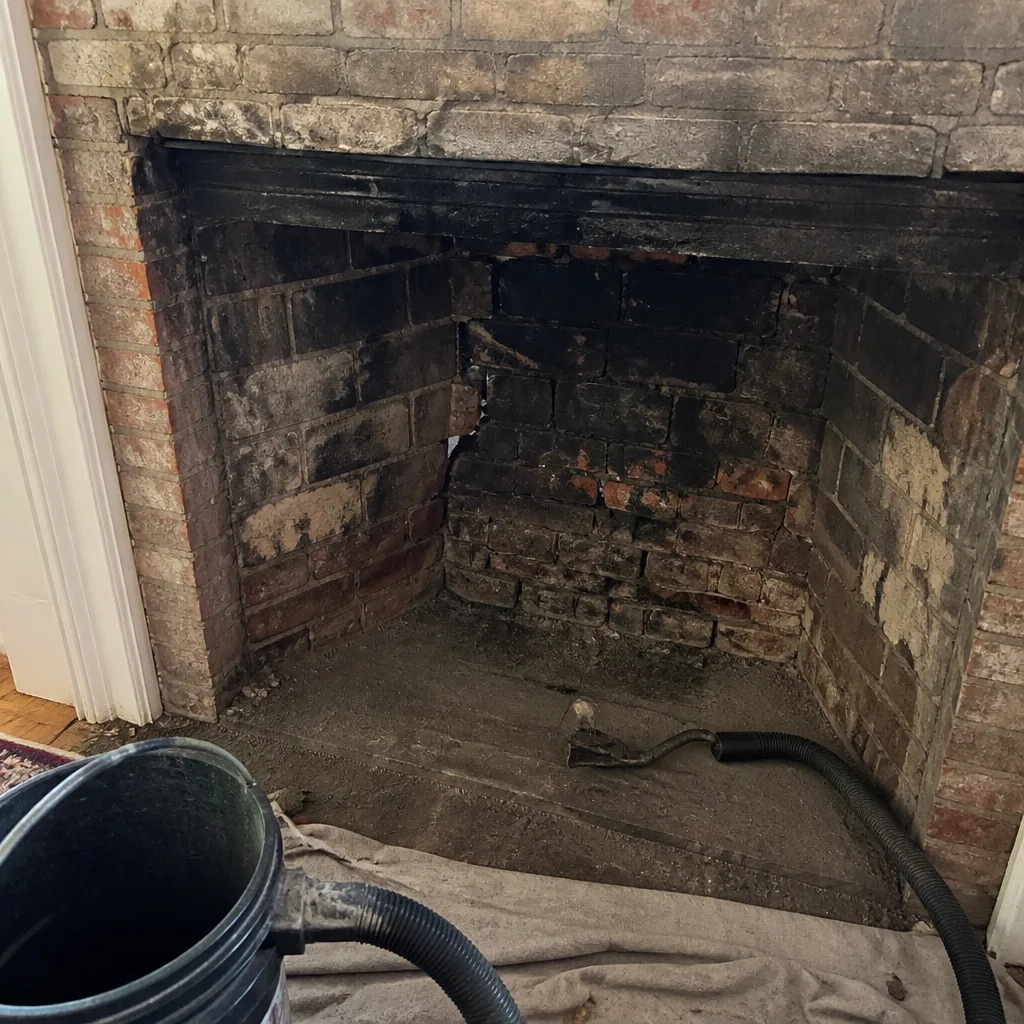 Before
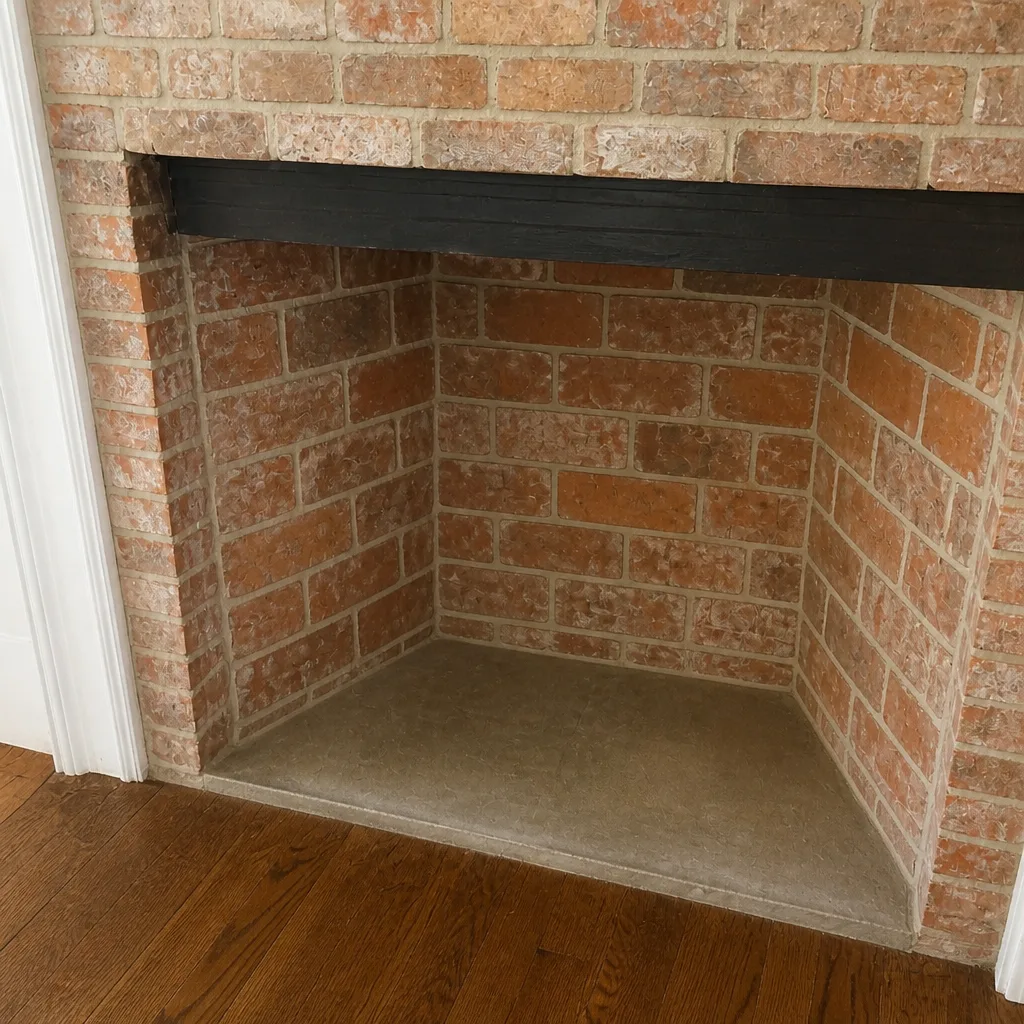 After
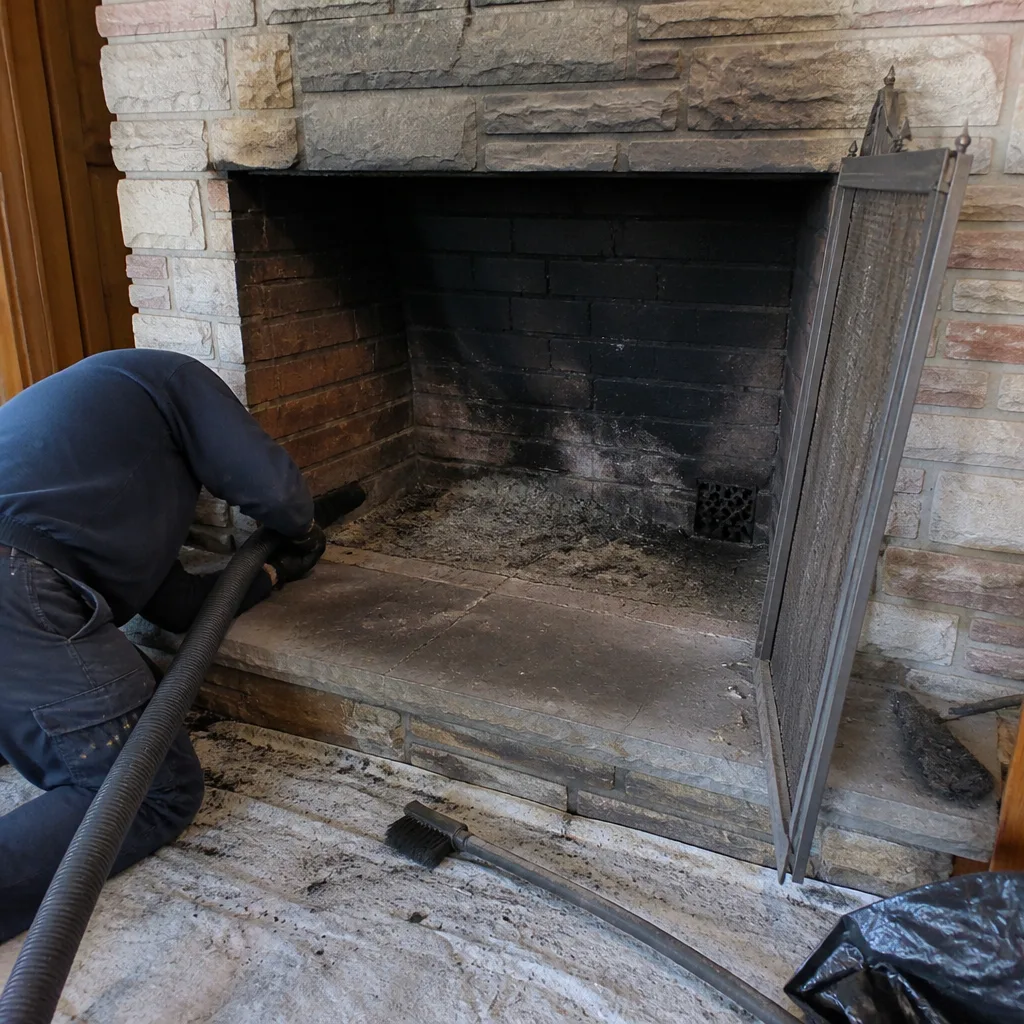 Before
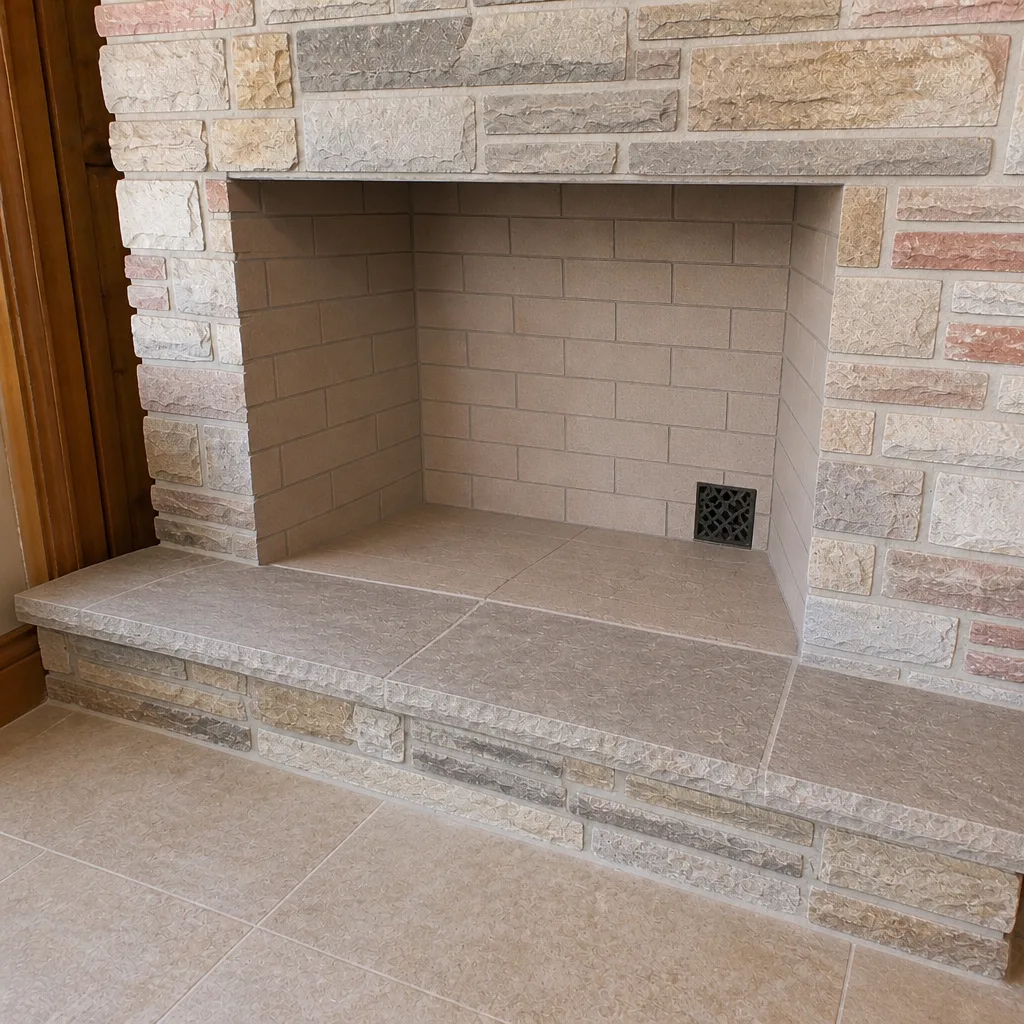 After
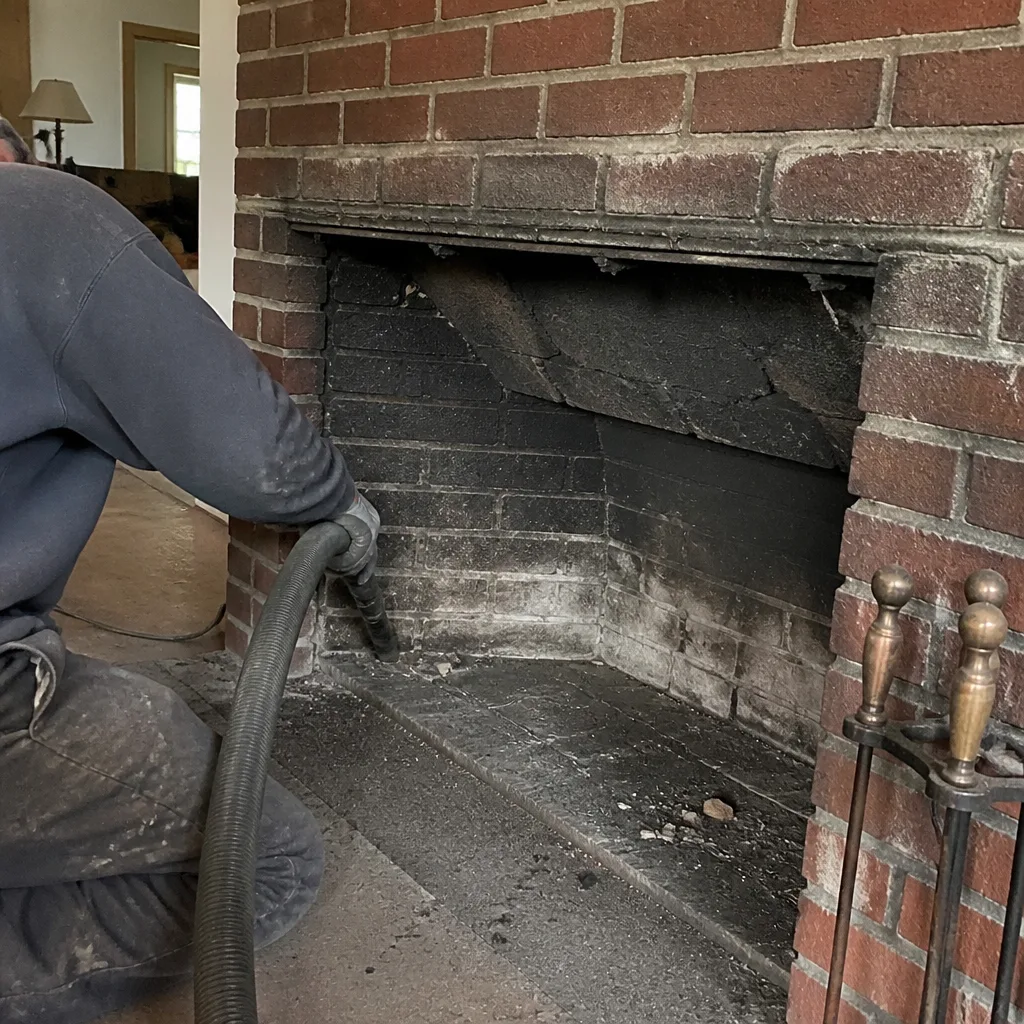 Before
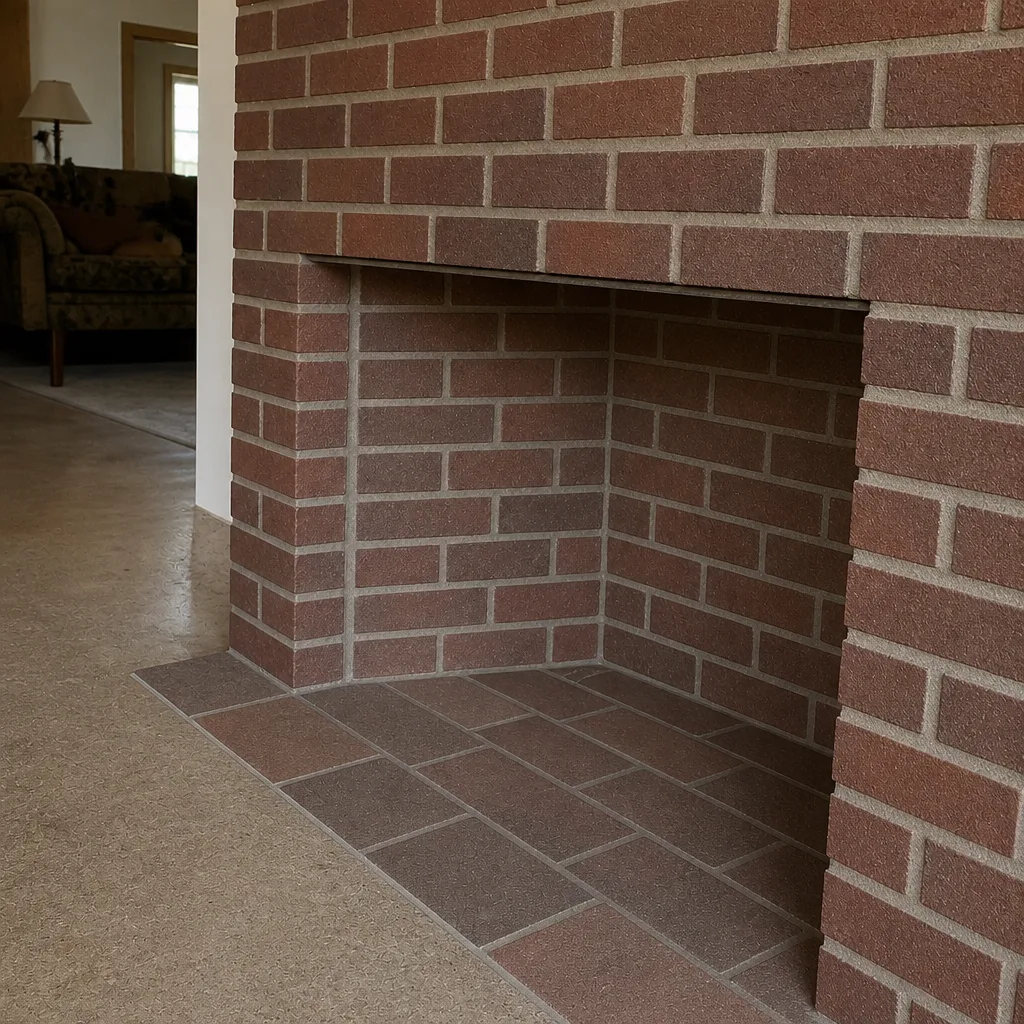 After
How Much Does Chimney Cap & Crown Cost in Corona?
Chimney cap and crown work in Corona typically runs $185 to $420 for a standard cap installation and $650 to $1,850 for crown repair or rebuilding, depending on the crown’s size, how much masonry has failed, and the material used. A chimney that needs both a new cap and crown work usually lands between $900 and $2,200. Small crown crack sealing can cost less, often $300 to $600, when the damage is caught before water gets in.
Those are typical estimates for a two-to-three story attached home, which is most of the housing stock around Corona. The written estimate always sets the final price. Call (833) 968-1177 for a free estimate. We answer 24/7. Fast dispatch from 7am to 7pm, Sunday through Friday.
Key Takeaways
- A standard chimney cap installed in Corona generally runs $185 to $420.
- Crown repair, from sealing hairline cracks to a full pour, runs $650 to $1,850.
- Cap and crown together usually fall between $900 and $2,200.
- Corona’s freeze-thaw winters and heavy summer rain are the two forces that wear crowns out fastest.
- Our technicians have up to 9 years of experience, and every estimate is free.
Chimney Cap & Crown Cost Breakdown (2026)
Pricing on cap and crown work splits into distinct line items because a crown is masonry and a cap is hardware. Here’s how those line items break down for the Corona market in 2026:
| Line item | Typical price range | What it covers |
|---|---|---|
| Standard single-flue cap (stock size) | $185 – $320 | Galvanized or stainless cap, sized to the flue, with mesh screening |
| Custom or multi-flue cap | $320 – $600 | Fabricated to fit an unusual flue arrangement or a large shared flue |
| Cap replacement (old cap removed) | $220 – $420 | Removal, flue collar inspection, new cap set and sealed |
| Crown crack sealing (minor) | $300 – $600 | Cleaning, flexible masonry sealant over hairline cracks |
| Crown repair (partial rebuild) | $650 – $1,100 | Removing broken sections, rebuilding with fresh mortar, re-sloping the wash |
| Full crown rebuild or recast | $1,100 – $1,850 | Removing the old crown, forming a new one with correct overhang and drip edge |
| Custom copper crown or crown cap | $1,400 – $2,600 | Copper or metal crown system where masonry can’t be saved |
| Cap and crown combined | $900 – $2,200 | Most common package when both parts have failed |
Prices climb at the higher end of those ranges when the chimney sits on a steep roofline, when the crown is poured in a custom shape rather than a standard rectangle, and when hidden damage turns up after the old crown comes off. On attached Corona homes, shared chimney stacks are common, and a crown on a shared stack takes more time to form and waterproof than a single flue does. That extra labor is a real cost and shows up in the estimate.
The big cost-saver is catching the problem early. A crown with a hairline crack seals for $300 to $600. The same crown after two winters of water getting in can turn into a $1,500 rebuild with fresh masonry. Water is the whole story with crowns. Snowmelt in February, driven rain in July, and freeze-thaw cycling in between work on the mortar every season.
What Affects Chimney Cap & Crown Pricing in Corona
Two homes on the same block can get very different cap and crown estimates. These are the factors that move the number:
- Crown size and shape. A standard rectangular crown on a single flue is the base case. A crown that wraps a shared stack, has multiple flues, or needs a custom form costs more because the mason spends more time setting the form and sloping the wash correctly. The wash, the sloped top surface that sheds water, is where most of the skill goes.
- Freeze-thaw damage. Corona winters cycle between freezing and thawing, and that cycle is hard on masonry mortar. Water seeps into hairline cracks, freezes, expands, and widens the crack. A crown that looks fine in October can be crumbling by March. The more freeze-thaw damage, the more rebuild rather than repair.
- Roof access and pitch. Many Corona homes have steep pitched roofs and chimneys set back from the ridge. Working safely on a steep roof takes setup time, and that time is part of the estimate. It’s not padding. It’s the difference between a job done safely and a job that isn’t.
- Cap material. Galvanized steel caps sit at the low end. Stainless steel caps cost more but last far longer in a climate that throws wet weather at them. Custom copper caps and crown caps are at the top of the range. We specify caps and crowns from Gelco and Famco so the hardware comes with manufacturer specifications and traceable quality standards, not anonymous off-brand parts.
- Hidden damage found during the job. When the old crown comes off, the flue tile tops sometimes show spalling or cracking that wasn’t visible from the roof. Repairing that adds cost, but it has to happen before a new crown goes on. An honest estimate notes the possibility up front.
- Flue liner condition. A failed crown lets water down the flue, and water shortens the life of a clay liner. If the inspection shows liner damage, that’s a separate line item. Depending on the flue’s condition, HeatShield liner restoration can handle some liner problems at lower cost than a full reline with DuraFlex or Olympia Chimney components. The right liner solution depends on your flue’s condition, which is why an inspection comes first.
We specify DuraFlex, HeatShield, Gelco, Olympia Chimney, Famco, and Copperfield because naming the material means knowing what’s going on the roof. A crown built from the right mortar mix and a cap from a manufacturer with published specifications hold up better than whatever happened to be on the shelf.
How to Save on Chimney Cap & Crown
Cap and crown work is one of the more affordable parts of chimney maintenance, and a few decisions keep it that way:
- Repair the crown while the crack is small. A $300 to $600 sealing job today avoids a $1,100 to $1,850 rebuild later. This is the single biggest saving available, and it depends on looking at the crown before the damage spreads.
- Bundle cap and crown when both need work. When a cap is already coming off for crown work, adding a new cap costs less than a separate visit. Combined cap and crown jobs fall in the $900 to $2,200 range instead of two separate service calls.
- Get an inspection before the first fire of the season. A chimney inspection is a standalone service, not just an upsell attached to a sweep. An inspection before fall tells you whether the crown is sound, whether the cap is doing its job, and whether the flue liner is intact, so you can plan the work rather than react to a leak in January.
- Choose the cap material that fits the climate. Stainless steel costs more than galvanized up front and lasts longer in a freeze-thaw climate. Buying one cap that lasts beats buying two cheap ones.
- Ask about material choice, not just price. A quote that names the cap and crown materials lets you compare like with like. We’re glad to explain what we’ll use and why, and every estimate is free.
Call (833) 968-1177 for a free estimate. We answer 24/7. Fast dispatch from 7am to 7pm, Sunday through Friday. A technician will look at the crown and cap and give you a written estimate that sets the final price.
Why the Crown and Cap Matter More Than They Look
The crown is the concrete or mortar cap on top of the chimney that sheds water away from the flue. The chimney cap is the metal cover that sits over the flue itself, screening out rain, birds, and debris while letting smoke out. Together they do the most important weatherproofing job on the whole chimney, and they’re the parts most homeowners never look at. From the ground, a crown that’s cracked and a crown that’s fine look the same.
When the crown fails, water finds the flue. From there it works into the masonry, the firebox, and the framing around the chimney. In Corona, a lot of the housing stock is older attached brick construction, and brick that stays wet through a freeze-thaw winter spalls and crumbles. A crown repair is far cheaper than masonry repair, which is why we treat crown inspection as a priority, not an afterthought.
The cap gets the same treatment. A missing or damaged cap lets rain straight down the flue, and it lets birds and squirrels in to nest. A cap also keeps sparks off the roof, which matters on attached homes where a roof fire doesn’t stay on one roof. We use Gelco and Famco components for cap and flashing work because manufacturer-spec hardware carries published standards and every part can be traced back to its maker.
What a Cap and Crown Job Involves
Chimney crown work is high-roof masonry, and we treat it that way. It’s not a job for a homeowner with a ladder and a tube of caulk. Before any work starts, an inspection establishes the condition of the crown, the cap, the flue tiles, and the flashing. Then the work follows the findings.
- Cap installation. The flue is measured, the cap is sized or custom-built, and it’s set and secured over the flue with the correct clearance. A cap that’s too small or loosely fitted rattles and lets water in sideways.
- Crown repair. Loose and crumbling mortar is removed, the surface is cleaned, and the crown is rebuilt or sealed depending on how far the damage has gone. The wash is re-sloped so water runs off rather than pooling. A crown that holds water is a crown that will fail again.
- Flashing check. The flashing, the metal where the chimney meets the roof, is checked at the same time. Cap and crown work is the natural moment to catch flashing problems before they turn into roof leaks.
For the full picture of what we handle on caps and crowns, see our chimney cap & crown page. If you’re deciding between a crown repair and a full rebuild, the inspection findings make that decision for you: if the crown can be saved, we repair it; if it’s beyond saving, we rebuild it. We don’t upsell a rebuild when a repair will hold. And we don’t patch a crown that’s going to fail again next winter. Our technicians have up to 9 years of experience, and they’ve seen enough crowns to know the difference.
When to Schedule Cap and Crown Work
The best time to look at a crown in Corona is before winter sets in and again after it thaws. Fall is the ideal window: the inspection happens before the freeze-thaw season, and any repair is done before the crown has to survive another winter. Spring is the second-best time, once the ground and the masonry have thawed.
Some signs mean you shouldn’t wait for a seasonal window:
- Water stains on the ceiling or walls near the chimney.
- Crumbs of mortar or brick on the roof or in the firebox.
- A cap that’s visibly loose, tilted, or missing its screen.
- Draft problems, smoke backing up, or a smell from the fireplace when it’s not in use.
Any of those point to a crown, cap, or flue problem that needs eyes on it. An inspection is the starting point. Call (833) 968-1177. We answer 24/7, and we schedule fast dispatch from 7am to 7pm, Sunday through Friday. We’re closed on Saturday.
Repair or Replace? How the Decision Usually Goes
For most Corona homeowners, crown repair beats crown replacement when the damage is confined to surface cracks and the crown still has its shape and slope. Once the crown has lost chunks, holds water, or has separated from the flue tiles, rebuilding is the only fix that lasts. The inspection decides which case you’re in, and the estimate reflects it.
Caps are simpler. A cap that’s damaged, rusted through, or missing gets replaced rather than repaired. The cost of a new cap is low enough that patching an old one rarely makes sense. When a cap and crown job happen together, the combined estimate is the number to compare against two separate visits.
FAQ: Chimney Cap and Crown Cost in Corona
How much does a chimney cap cost in Corona? A standard chimney cap installed in Corona typically runs $185 to $420, and a custom or multi-flue cap runs $320 to $600. Call (833) 968-1177 for an exact quote – estimates are free.
How much does chimney crown repair cost in Corona? Crown crack sealing runs $300 to $600, a partial rebuild runs $650 to $1,100, and a full crown rebuild runs $1,100 to $1,850. Call (833) 968-1177 for a written estimate that sets the final price.
Is it cheaper to repair or replace a chimney crown? Repair is cheaper when the crown can still shed water: sealing or partial rebuilding costs well under a full recast. A full crown rebuild at $1,100 to $1,850 is cheaper than masonry repairs after years of water damage, though. Call (833) 968-1177 and we’ll tell you which case yours is.
Do I need a cap and crown at the same time? Only if both have failed. Combining the two usually runs $900 to $2,200, and doing them together costs less than two separate visits. An inspection tells you whether the crown is sound and the cap is doing its job. Call (833) 968-1177.
Can you come out today? Often, yes. Call (833) 968-1177. We answer 24/7 and schedule fast dispatch from 7am to 7pm, Sunday through Friday. We’re closed on Saturday, and a call outside dispatch hours is booked into the next opening, Sunday through Friday, 7am to 7pm.
Why Choose Chimney Sweep Corona for Cap and Crown Work
We handle the full chimney system from the crown to the firebox: sweeping, inspection, cap and crown work, chimney repair, and fireplace repair. That matters when a crown problem turns out to involve the flue liner or the flashing, because one company sees the whole system and the estimate covers all of it. You’re not coordinating three contractors who each blame the other.
We name our materials. DuraFlex, HeatShield, Gelco, Olympia Chimney, Famco, and Copperfield are the brands we specify and install, chosen for published specifications and traceable quality standards. That’s particularly relevant on crown and cap work, where the difference between a part that meets a standard and a part that doesn’t shows up two winters later.
HeatShield-certified liner restoration is part of the mix when a failed crown has let water into the flue. Restoration can be a cost-conscious alternative to a full reline, and the right liner solution depends on your flue’s condition, not on a fixed upsell. And our inspections are documented, standalone, and useful whether you’re buying a home with a fireplace, selling one, or getting ready to light the season’s first fire.
This is Corona, and a chimney on an attached brick home takes a particular kind of care: shared stacks, tight roof lines, and freeze-thaw winters that find every crack. If you need a chimney sweep in Corona or any of the repair work that follows an inspection, we can help. Start with Chimney Sweep Corona if you want the full overview of what we do, or call us directly.
Get a Free Cap and Crown Estimate
Cap and crown pricing in Corona is set per job by the written estimate, and the estimate is free. Call (833) 968-1177. We answer 24/7, and we schedule fast dispatch from 7am to 7pm, Sunday through Friday. Whether you need a new cap, a crown repair before winter, or a full crown rebuild, a technician will look at the chimney, explain what’s failing, and quote the work in writing. That quote is the final price, and there are no surprises after the masonry comes off.
Before you light this season’s first fire, have someone look at the crown and cap. It’s the cheapest chimney work you’ll ever do, and it’s the work that prevents the expensive kind.
Written by the team at Chimney Sweep Corona.
Pricing reflects the Corona market as of 2026. Chimney Sweep Corona offers free estimates – call (833) 968-1177.
What Our Customers Say
"Creosote buildup was worse than I realized. He measured it, showed me the glazing on the flue with the camera, and was honest that we were closer to a chimney fire than I wanted to hear."
- Wade Bennett"Swept it, capped it, and installed a proper damper. The downdraft smell in the summer that we'd lived with for years is gone."
- Kristen Rhodes"Drop cloths everywhere, HEPA vac, and not a speck of soot on the carpet. I'd been dreading the mess for nothing."
- Michelle Schaefer